
Industrial agriculture represents a fundamental transformation in food production methods, characterized by large-scale farming operations that employ advanced technologies and techniques to maximize crop yields. This agricultural system developed during the mid-20th century in response to the need to feed an expanding global population. The implementation of mechanization, synthetic fertilizers, and chemical pesticides enabled farmers to cultivate extensive land areas with significantly improved efficiency compared to traditional farming methods.
While industrial agriculture has successfully increased global food production capacity, it has generated substantial concerns regarding its environmental and social consequences. Monoculture cultivation—the practice of growing a single crop species across large geographical areas—has become a defining characteristic of industrial agriculture. This approach streamlines farming operations and increases productivity per unit area, but frequently compromises ecological diversity and stability.
As global communities address the effects of climate change and environmental deterioration, questions regarding the long-term sustainability of industrial agricultural practices have intensified. The challenges associated with this system are complex and interconnected, impacting environmental systems, human health outcomes, and social frameworks.
Key Takeaways
- Industrial agriculture significantly contributes to environmental issues like water pollution, soil degradation, and greenhouse gas emissions.
- The extensive use of pesticides and fertilizers harms biodiversity and poses risks to human health.
- Deforestation and habitat destruction are major consequences of expanding industrial farming practices.
- Industrial livestock farming raises serious animal welfare concerns and contributes to environmental degradation.
- Sustainable alternatives offer promising solutions to reduce negative impacts and promote ecological balance.
Water Pollution from Industrial Agriculture
One of the most pressing issues associated with industrial agriculture is water pollution. The extensive use of fertilizers and pesticides in large-scale farming operations leads to runoff that contaminates nearby water bodies. Nutrient runoff, particularly nitrogen and phosphorus, can cause eutrophication—a process that depletes oxygen in water and results in dead zones where aquatic life cannot survive.
This phenomenon has been observed in many lakes and coastal areas around the world, leading to significant ecological imbalances. Moreover, the contamination of groundwater sources poses a serious risk to human health. Pesticides and herbicides can seep into aquifers, making their way into drinking water supplies.
Communities that rely on these sources may face health risks associated with long-term exposure to harmful chemicals. The economic implications are also significant, as polluted water can lead to costly clean-up efforts and reduced agricultural productivity in affected areas.
Soil Degradation and Erosion
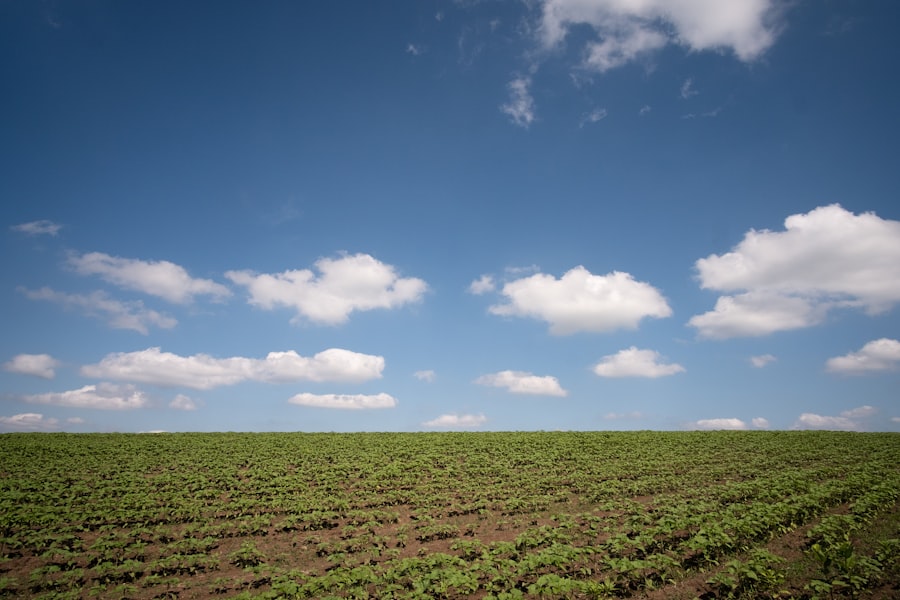
Soil degradation is another critical consequence of industrial agriculture. Intensive farming practices, including the overuse of chemical fertilizers and heavy machinery, can lead to the depletion of essential nutrients in the soil. This degradation diminishes soil fertility over time, making it increasingly difficult for crops to thrive without additional chemical inputs.
As a result, farmers may find themselves trapped in a cycle of dependency on synthetic fertilizers, further exacerbating the problem.
The removal of natural vegetation and the cultivation of monocultures leave soil exposed to wind and water erosion.
This not only results in the loss of topsoil but also contributes to sedimentation in waterways, which can harm aquatic ecosystems. The long-term effects of soil degradation and erosion threaten food security, as diminished soil health directly impacts crop yields.
Greenhouse Gas Emissions
Industrial agriculture is a substantial contributor to greenhouse gas emissions, which are a primary driver of climate change. The production processes involved in large-scale farming—such as land clearing, fertilizer application, and livestock rearing—release significant amounts of carbon dioxide, methane, and nitrous oxide into the atmosphere. Livestock farming, in particular, is responsible for a considerable portion of methane emissions due to enteric fermentation in ruminants.
The impact of these emissions extends beyond agriculture itself; they contribute to global warming and its associated effects on weather patterns, sea levels, and biodiversity. As climate change intensifies, the agricultural sector faces increasing pressure to adapt while simultaneously reducing its carbon footprint.
Loss of Biodiversity
| Metric | Value | Unit | Description |
|---|---|---|---|
| Greenhouse Gas Emissions | 24 | % of global emissions | Percentage of global greenhouse gases attributed to industrial agriculture |
| Water Usage | 70 | % of freshwater withdrawals | Proportion of global freshwater used by agriculture |
| Deforestation Rate | 80 | % of deforestation linked to agriculture | Percentage of global deforestation caused by agricultural expansion |
| Soil Degradation | 33 | % of global soils | Proportion of soils degraded due to intensive farming practices |
| Pesticide Use | 2.8 | million tons/year | Global annual pesticide consumption in industrial agriculture |
| Nitrogen Runoff | 50 | % increase since 1960 | Increase in nitrogen runoff causing water pollution from fertilizers |
| Biodiversity Loss | 75 | % of species decline | Estimated decline in species populations due to habitat loss from agriculture |
The industrial agricultural model has led to a significant loss of biodiversity, both in terms of crop varieties and wildlife habitats. Monoculture practices reduce genetic diversity among crops, making them more susceptible to pests and diseases. This reliance on a limited number of crop species not only threatens food security but also undermines the resilience of agricultural systems in the face of changing environmental conditions.
Additionally, the expansion of agricultural land often comes at the expense of natural habitats. Forests, wetlands, and grasslands are frequently cleared to make way for large-scale farming operations, resulting in habitat destruction for countless species. The decline in biodiversity has far-reaching implications for ecosystem services, such as pollination and pest control, which are essential for maintaining healthy agricultural systems.
Pesticide and Fertilizer Use
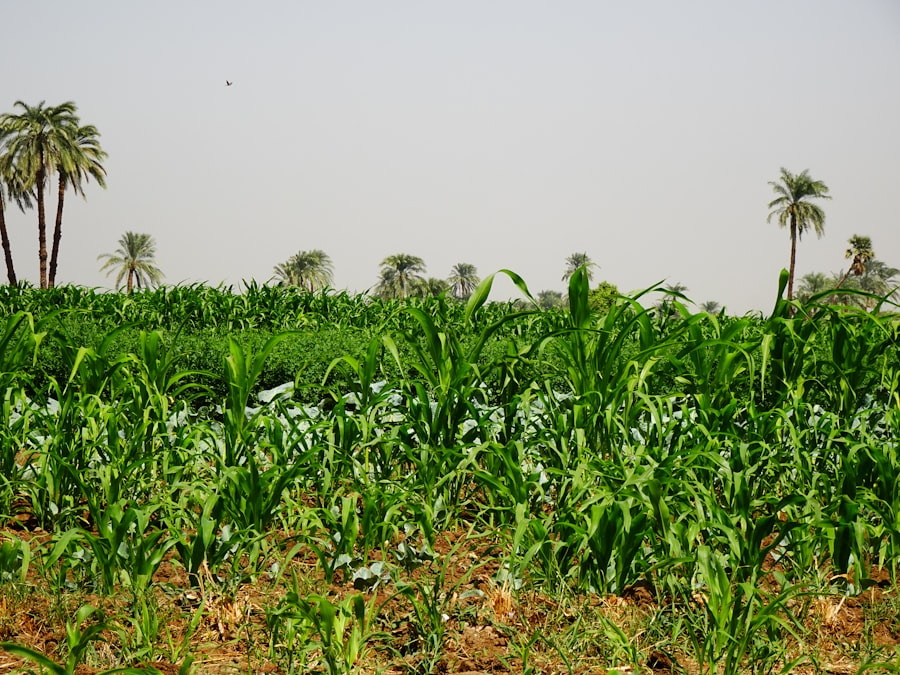
The use of pesticides and fertilizers is a defining feature of industrial agriculture, aimed at maximizing crop yields and minimizing losses from pests and diseases. However, this reliance on chemical inputs raises significant concerns regarding environmental health and safety. Pesticides can have detrimental effects on non-target species, including beneficial insects like bees and butterflies, which play crucial roles in pollination.
Moreover, the overapplication of fertilizers can lead to nutrient runoff that contaminates water bodies, contributing to algal blooms and dead zones. The long-term effects of pesticide exposure on human health are also a growing concern, with studies linking certain chemicals to various health issues, including cancer and neurological disorders. As awareness of these risks increases, there is a pressing need for alternative pest management strategies that prioritize ecological balance.
Deforestation and Habitat Destruction
Deforestation is one of the most visible consequences of industrial agriculture, particularly in regions where land is cleared for crop production or livestock grazing. The Amazon rainforest, often referred to as the “lungs of the Earth,” has seen significant deforestation driven by agricultural expansion. This loss not only contributes to climate change through increased carbon emissions but also threatens countless species that depend on these ecosystems for survival.
Habitat destruction extends beyond forests; wetlands and grasslands are also at risk as agricultural practices expand. The loss of these critical habitats disrupts local ecosystems and diminishes biodiversity. Furthermore, deforestation can lead to soil erosion and decreased water quality, creating a cycle of environmental degradation that poses challenges for both agriculture and conservation efforts.
Impact on Human Health
The impacts of industrial agriculture extend beyond environmental concerns; they also have profound implications for human health. The use of chemical fertilizers and pesticides raises questions about food safety and potential health risks associated with exposure to these substances. Residues from these chemicals can remain on produce, posing risks to consumers who may unknowingly ingest harmful substances.
Additionally, the industrial livestock sector raises ethical concerns regarding animal welfare and public health risks associated with antibiotic use. The overuse of antibiotics in livestock farming can contribute to antibiotic resistance—a growing public health crisis that threatens the effectiveness of medical treatments for humans. As consumers become more aware of these issues, there is an increasing demand for transparency in food production practices.
Food Waste and Packaging
Food waste is a significant issue within the context of industrial agriculture, with vast quantities of food produced never reaching consumers’ plates. Inefficiencies in the supply chain, from production to distribution, contribute to this waste problem. Additionally, the emphasis on aesthetic standards often leads to perfectly edible produce being discarded simply because it does not meet market expectations.
Packaging also plays a role in food waste; excessive packaging contributes to environmental pollution while failing to effectively preserve food quality. As consumers become more conscious of their environmental footprint, there is a growing movement towards reducing food waste through better practices at all levels—from farm to table—and advocating for sustainable packaging solutions that minimize waste.
Industrial Livestock Farming and Animal Welfare
Industrial livestock farming raises significant concerns regarding animal welfare practices. In pursuit of efficiency and profit maximization, many operations prioritize production over the well-being of animals. Practices such as confinement in cramped spaces and routine use of antibiotics raise ethical questions about how animals are treated within this system.
The conditions under which animals are raised can lead to stress-related health issues and diminish their quality of life. As awareness grows regarding these practices, consumers are increasingly seeking alternatives that prioritize humane treatment and sustainable farming methods. This shift reflects a broader societal movement towards ethical consumption that values animal welfare alongside environmental sustainability.
Sustainable Alternatives to Industrial Agriculture
In light of the numerous challenges posed by industrial agriculture, there is an urgent need for sustainable alternatives that prioritize ecological balance and social responsibility. Agroecology offers one such approach, emphasizing biodiversity, crop rotation, and organic practices that enhance soil health while reducing reliance on chemical inputs. This method not only supports local ecosystems but also fosters resilience against climate change.
Community-supported agriculture (CSA) initiatives represent another promising alternative by connecting consumers directly with local farmers. This model encourages sustainable practices while promoting local economies and reducing food miles associated with transportation. By embracing these alternatives, society can work towards a more sustainable food system that prioritizes environmental health, social equity, and animal welfare.
In conclusion, while industrial agriculture has played a crucial role in feeding the global population, its environmental and social impacts cannot be overlooked. Addressing issues such as water pollution, soil degradation, greenhouse gas emissions, loss of biodiversity, pesticide use, deforestation, human health impacts, food waste, animal welfare concerns, and exploring sustainable alternatives is essential for creating a resilient food system that meets present needs without compromising future generations’ ability to thrive.
Industrial agriculture has significant environmental impacts, including soil degradation, water pollution, and loss of biodiversity. For a deeper understanding of these issues, you can read the article on the environmental consequences of industrial farming practices at this link. This article provides insights into how large-scale agricultural operations contribute to ecological imbalances and what can be done to mitigate these effects.
FAQs
What is industrial agriculture?
Industrial agriculture is a large-scale farming system that relies on mechanization, chemical fertilizers, pesticides, and monoculture practices to maximize crop yields and livestock production.
How does industrial agriculture impact the environment?
Industrial agriculture impacts the environment through soil degradation, water pollution, loss of biodiversity, greenhouse gas emissions, and increased use of non-renewable resources.
What are the main sources of pollution from industrial agriculture?
The main sources of pollution include runoff of fertilizers and pesticides into water bodies, methane emissions from livestock, and the release of nitrous oxide from fertilized soils.
How does industrial agriculture affect soil health?
Industrial agriculture often leads to soil erosion, nutrient depletion, and reduced organic matter, which can degrade soil structure and fertility over time.
What is the effect of industrial agriculture on water resources?
It can cause water contamination through chemical runoff, excessive water withdrawal for irrigation, and contribute to the depletion of aquifers.
Does industrial agriculture contribute to climate change?
Yes, it contributes significantly to greenhouse gas emissions, including carbon dioxide from machinery, methane from livestock, and nitrous oxide from fertilizers.
How does industrial agriculture influence biodiversity?
The practice often reduces biodiversity by promoting monocultures, destroying natural habitats, and using pesticides that harm non-target species.
Are there sustainable alternatives to industrial agriculture?
Yes, alternatives include organic farming, agroecology, crop diversification, integrated pest management, and conservation tillage, which aim to reduce environmental impacts.
What role do pesticides play in the environmental impact of industrial agriculture?
Pesticides can contaminate soil and water, harm beneficial insects and wildlife, and contribute to the development of resistant pest species.
Can industrial agriculture be made more environmentally friendly?
Improvements can be made by adopting precision agriculture, reducing chemical inputs, improving waste management, and implementing conservation practices.