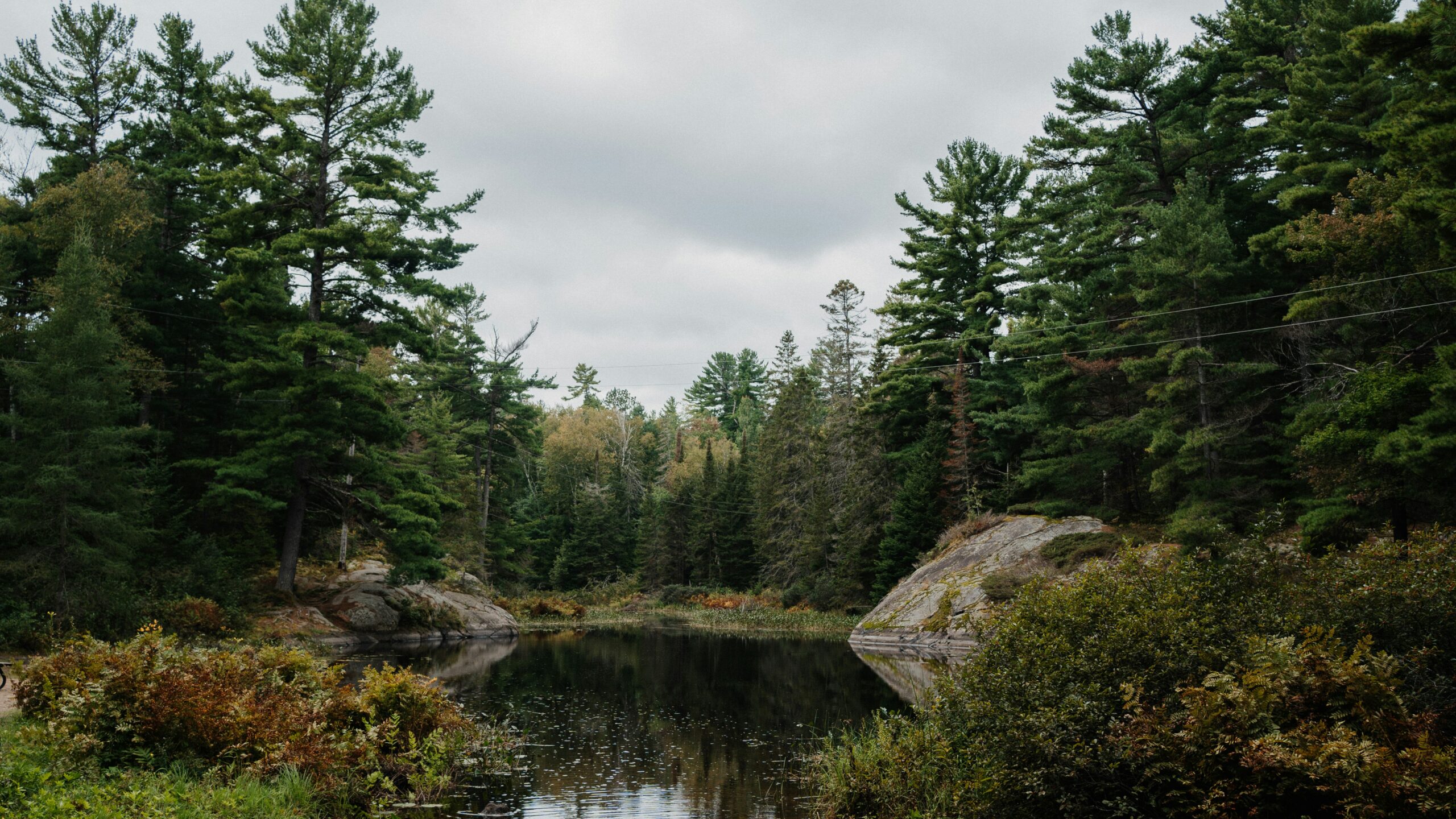
Northern Canada, a region synonymous with immense landscapes, rugged beauty, and an almost mythical remoteness, stands as a stark contrast to the densely populated southern corridors of the nation. Covering a staggering expanse of territory, the North comprises Yukon, Northwest Territories, and Nunavut, alongside the northern reaches of the provinces. Yet, within this colossal geographical footprint, the human presence is remarkably thin. This article delves into the multifaceted reasons behind this demographic sparsity, exploring the interwoven challenges of environment, economy, infrastructure, and historical context that shape the population distribution across this vast and often unforgiving territory.
The perception of Northern Canada as an empty expanse is not an exaggeration; it is a statistical reality. These regions collectively represent approximately 40% of Canada’s landmass but are home to less than 1% of its population. This imbalance prompts a critical examination of the inherent factors that contribute to this demographic phenomenon, moving beyond simplistic explanations to understand the complex interplay of forces at play.
The Harsh Hand of Geography and Climate
The most immediate and undeniable influence on Northern Canada’s low population density is its extreme geography and climate. The sheer scale of the North is breathtaking, encompassing tundra, boreal forests, glaciers, and an intricate network of lakes and rivers. This environment imposes significant limitations on human settlement and activity.
Permafrost’s Pervasive Grip
Permafrost, the ground that remains frozen for two or more consecutive years, is a defining characteristic of much of Northern Canada. While it plays a crucial role in the Arctic ecosystem, it presents substantial engineering and construction challenges. Building infrastructure – roads, buildings, pipelines – on permafrost requires specialized techniques and considerable investment to mitigate thawing and subsequent ground instability. This difficulty in establishing and maintaining essential infrastructure naturally limits the scope and scale of development that can support a larger population. The costs associated with overcoming permafrost’s challenges deter large-scale industrial projects or widespread residential development.
The Long, Cold Winters and Short Growing Seasons
The defining feature of the Northern climate is its extreme cold. Winters are long, dark, and profoundly frigid, with temperatures commonly plummeting far below freezing for extended periods. This intense cold directly impacts daily life, limiting outdoor activities and demanding significant resources for heating and shelter. Beyond the immediate discomfort, these extreme temperatures present a formidable barrier to traditional agriculture. The short, cool summers offer a very narrow window for plant growth, making large-scale food production economically unviable and largely impractical. Relying on imported food supplies becomes a necessity, adding to the cost of living for residents.
Limited Arable Land and Water Accessibility
While the North boasts abundant fresh water in its numerous lakes and rivers, much of this water is frozen for a significant portion of the year. Furthermore, the land suitable for agriculture is exceptionally scarce. The tundra, while beautiful, is not conducive to the cultivation of staple crops. The combination of frozen ground, thin soil layers, and harsh climatic conditions restricts the potential for land-based industries that have historically supported population growth in other regions.
Northern Canada is known for its vast, uninhabited landscapes, which raises the question of why this region remains so sparsely populated. Factors such as harsh climate conditions, limited infrastructure, and the remote nature of many communities contribute to the low population density. For a deeper understanding of this phenomenon, you can explore the article titled “Why is Northern Canada So Empty?” available at this link. This resource provides insights into the geographical and socio-economic aspects that influence settlement patterns in this unique part of the country.
Economic Realities: Opportunities and Obstacles
The economic landscape of Northern Canada is shaped by a unique set of opportunities and severe limitations, both of which contribute to its sparse population. Resource extraction has historically been the dominant economic driver, but its localized impact and cyclical nature offer limited potential for widespread population growth.
Resource Extraction: Boom and Bust Cycles
Mining, oil, and gas exploration have been the primary engines of economic activity in many parts of the North. These industries can create jobs and attract temporary or transient populations to specific work sites. However, they are often characterized by boom-and-bust cycles, dependent on global commodity prices and the discovery of new reserves. Once a mine closes or an oil field is depleted, the economic base for the surrounding community can evaporate, leading to population decline. Furthermore, the labor requirements of these industries often favor skilled workers from outside the region, limiting opportunities for local Indigenous populations.
Limited Diversification and Small-Scale Industries
Beyond resource extraction, the economic diversification of Northern Canada is constrained. The challenges of transportation, the high cost of goods and services, and the limited domestic market make it difficult to establish and sustain a wide range of businesses. Small-scale tourism, artisanal crafts, and limited agricultural ventures exist, but they are generally not of a scale to support significant population increases. The inherent difficulties in reaching markets and the increased operational costs create a disincentive for broader economic development.
High Cost of Living and Its Impact on Attraction and Retention
The cost of living in Northern Canada is significantly higher than in the South. This is largely due to the expense of transporting goods, particularly food, fuel, and manufactured items, over vast distances. High housing costs, related to construction challenges and limited supply, further exacerbate this issue. This elevated cost of living acts as a substantial deterrent for individuals and families considering moving to the North and can also lead to out-migration as residents seek more affordable living conditions elsewhere. The economic equation for many simply does not balance.
Infrastructure Deficiencies: The Severed Lifelines
The lack of comprehensive and integrated infrastructure is a fundamental impediment to population growth in Northern Canada. The sheer distances involved and the environmental challenges make developing and maintaining infrastructure a costly and complex undertaking.
Transportation Networks: The Missing Connectors
Road networks in the North are often incomplete, unpaved, or only accessible seasonally. Many communities are fly-in or boat-in only, making travel and the movement of goods exceptionally expensive and time-consuming. The absence of a robust, year-round transportation system limits economic opportunities, impedes access to essential services, and isolates communities. Without reliable and affordable ways to connect, attracting new residents and supporting existing ones becomes a considerable hurdle. The economic viability of many businesses is directly tied to transportation costs and accessibility.
Housing and Essential Services: A Constant Challenge
The availability of adequate and affordable housing is a significant concern. Construction costs are inflated by transportation challenges and the need for specialized methods to build on permafrost. This scarcity and expense mean that many residents live in overcrowded conditions or face long waiting lists for suitable accommodation. Similarly, the provision of essential services such as healthcare, education, and reliable internet connectivity can be challenging and expensive to deliver to remote communities. The quality and accessibility of these services are crucial factors for individuals and families considering migration.
Limited Utilities and Communication Infrastructure
Reliable access to utilities like electricity and clean water can be a challenge in many remote Northern communities. The cost of generating power, often through diesel generators, is high, and the distribution systems can be limited. While internet access is improving, it can still be slow, expensive, and unavailable in some areas. These limitations affect the quality of life and can hinder the development of industries that rely on digital connectivity. For residents and potential newcomers, the presence and reliability of these services are paramount.
Historical and Sociopolitical Factors: The Enduring Legacy
Beyond the immediate environmental and economic challenges, historical and sociopolitical factors have also played a significant role in shaping the demographic landscape of Northern Canada. The legacy of colonization, government policies, and the unique relationship with Indigenous peoples continue to influence population dynamics.
Indigenous Presence and Traditional Lifestyles
Indigenous peoples, primarily Inuit, First Nations, and Métis, have inhabited Northern Canada for millennia, adapting to and thriving within these challenging environments. Their traditional lifestyles, deeply connected to the land and its resources, have shaped their demographic patterns. However, historical policies of residential schools, relocation, and forced assimilation have had profound and lasting impacts on Indigenous communities, including population displacement, cultural disruption, and socioeconomic challenges. While Indigenous populations are integral to the North, their demographic trends are often distinct from those of non-Indigenous residents.
Government Policies and Settlement Programs
Historically, government policies have sometimes aimed to encourage settlement in the North, often with mixed results. Programs designed to attract newcomers or to establish new communities have faced hurdles related to the fundamental challenges of the region. More recently, government focus has shifted towards supporting existing communities and promoting self-determination for Indigenous peoples. The effectiveness and impact of these policies on population growth are ongoing subjects of discussion.
The Myth of the “Empty North” and Resource Development
The perception of the North as an “empty” or underutilized territory has historically fueled resource development agendas. This perspective often overlooks the deep historical and ongoing presence of Indigenous peoples and their right to self-determination. The drive for resource extraction, while providing some economic activity, has not historically translated into widespread, sustainable population growth that benefits all residents. Instead, it has often led to transient populations and environmental impacts.
Northern Canada remains one of the least populated regions in the world, largely due to its harsh climate, remote geography, and limited economic opportunities. The extreme weather conditions, characterized by long, frigid winters and short summers, make it challenging for people to settle and thrive in these areas. Additionally, the vast expanses of wilderness and the scarcity of infrastructure contribute to the low population density. For a deeper understanding of the factors influencing the demographics of this region, you can explore a related article on this topic at My Geo Quest.
The Future of Northern Population: Challenges and Possibilities
The sparse population of Northern Canada is not an immutable fact; it is a dynamic situation shaped by ongoing challenges and emerging possibilities. Understanding the current demographic trends requires looking forward and considering the factors that might influence population shifts in the future.
Climate Change and Its Amplifying Effects
Climate change presents a complex and multifaceted challenge to the North, impacting both the environment and the livelihoods of its residents. While some opportunities may arise, such as increased accessibility due to melting ice, the overall impact is likely to be disruptive. Thawing permafrost will exacerbate infrastructure challenges. Changes in Arctic ecosystems could impact traditional hunting and fishing practices, vital for many communities. The long-term effects of climate change on resource availability and human settlement remain a significant uncertainty.
Potential for Targeted Economic Development and Diversification
While broad-scale economic diversification is difficult, there is potential for targeted development in sectors that leverage the North’s unique strengths. Sustainable tourism, focusing on ecotourism and cultural experiences, could offer new economic avenues. Advancements in renewable energy technologies might offer more sustainable and cost-effective power solutions for remote communities. Research and development in Arctic-specific industries, such as specialized cold-weather technologies, could also create opportunities.
The Role of Indigenous Self-Determination and Community-Led Initiatives
Strengthening Indigenous self-determination and supporting community-led initiatives are crucial pathways for sustainable development in the North. Empowering Indigenous governments and organizations to manage their own resources and economic development can lead to outcomes that are more aligned with local needs and aspirations. This approach can foster greater community resilience and create opportunities for local residents. Investments in education and training programs within these communities are fundamental.
Technological Advancements and Remote Work Opportunities
The ongoing advancements in communication technology and the rise of remote work present new possibilities for Northern populations. Improved internet connectivity could allow some individuals to maintain employment in southern-based companies while residing in the North, potentially bolstering smaller communities. However, the accessibility and affordability of these technologies remain a critical factor.
The demographic landscape of Northern Canada is a testament to the powerful influence of geography, climate, economic realities, and historical context. The vastness of the territory, coupled with its inherent challenges, will likely continue to shape its population density. Yet, as the world grapples with climate change and technological advancements, and as Indigenous communities assert their inherent rights, the future of Northern Canada’s population remains an evolving narrative. Understanding the complexities of this “empty North” is essential for appreciating the resilience of its inhabitants and for charting a course for its sustainable future.
FAQs
1. What is the population density of Northern Canada?
Northern Canada has a very low population density, with an average of less than 1 person per square kilometer.
2. What are the main reasons for the low population in Northern Canada?
The harsh climate, limited infrastructure, and lack of economic opportunities are the main reasons for the low population in Northern Canada.
3. How does the climate affect the population in Northern Canada?
The extreme cold temperatures, long winters, and short growing seasons make it difficult for people to live and work in Northern Canada, leading to a sparse population.
4. What economic opportunities are available in Northern Canada?
Northern Canada has limited economic opportunities, with industries such as mining, forestry, and tourism being the main sources of employment. However, these industries are often seasonal and require specialized skills.
5. What challenges do people face living in Northern Canada?
People living in Northern Canada face challenges such as limited access to healthcare, education, and other essential services, as well as high living costs and isolation from major urban centers.