The Northern Sea Route (NSR), a shipping lane extending along the Russian Arctic coast from Novaya Zemlya to the Bering Strait, presents a compelling case study in the intersection of climate change, geopolitics, and global economics. As Arctic ice recedes, the NSR’s viability as a commercial shipping artery increases, offering a potentially shorter and more cost-effective alternative to traditional maritime routes such as the Suez Canal. This article will explore the multifaceted economic impact of the NSR on Asia, analyzing both the opportunities and challenges it presents for the continent’s diverse economies.
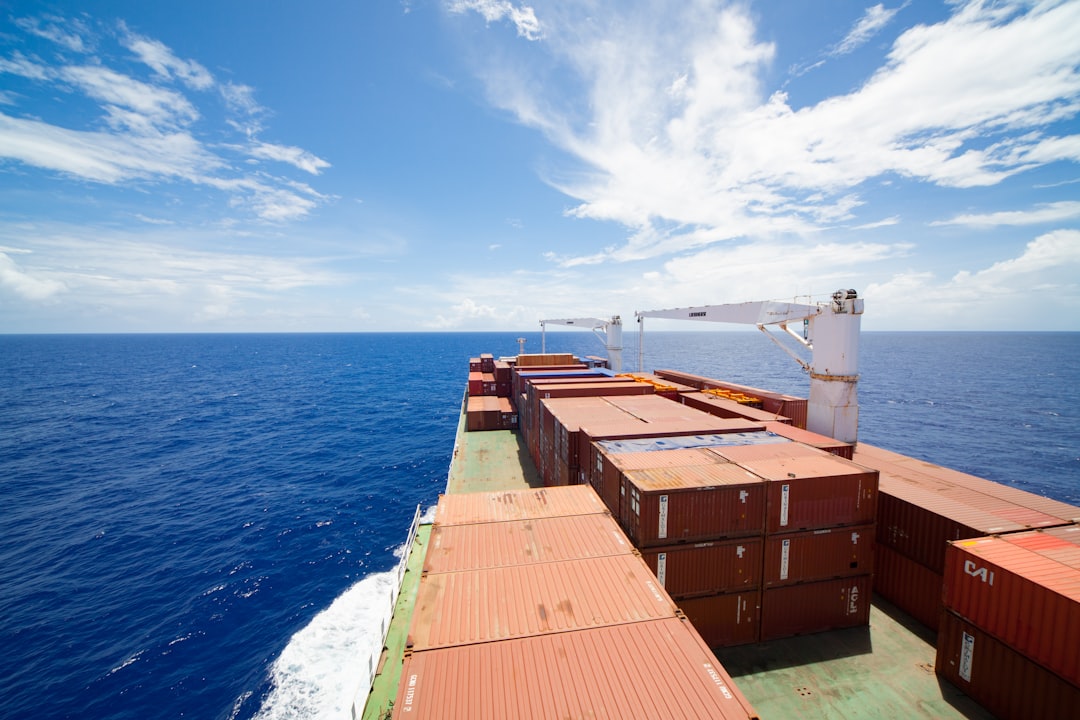
The primary appeal of the NSR lies in its significant reduction in transit distances and, consequently, voyage times between European and Asian ports. This geographical advantage has direct implications for freight costs, fuel consumption, and supply chain dynamics.
Reduced Transit Times and Distances
For voyages between Northwestern Europe and Northeast Asia, the NSR can shorten distances by up to 40% compared to the Suez Canal route. For example, a journey from Rotterdam to Yokohama via the Suez Canal covers approximately 11,200 nautical miles, while the NSR alternative is closer to 6,900 nautical miles. This substantial reduction in distance translates into fewer days at sea, which directly impacts operational costs.
- Fuel Savings: Shorter voyages necessitate less fuel consumption, offering significant cost savings for shipping companies, particularly in an environment of fluctuating bunker fuel prices.
- Faster Delivery to Market: Reduced transit times enable faster delivery of goods, which is particularly beneficial for time-sensitive cargo and perishable commodities. This improved efficiency can also support “just-in-time” inventory practices, reducing warehousing costs.
- Lower Insurance Premiums: While historically subject to higher ice navigation premiums, the overall reduction in time at sea can, in some scenarios, contribute to lower associated insurance costs for cargo and vessels, provided ice-related risks are adequately mitigated.
Operational Challenges and Mitigating Factors
Despite the inherent geographical advantages, the NSR’s operational environment presents unique challenges that influence its economic viability. Understanding these factors is crucial for assessing its true impact.
- Ice Navigation Requirements: Even with receding ice, certain sections of the NSR require ice-strengthened vessels and, at times, icebreaker escort. This necessitates specialized vessel construction or chartering, which can increase capital expenditure and operational costs. The availability and cost of icebreaker services, primarily provided by Russia, form a critical component of the route’s overall economic equation.
- Limited Navigation Window: While extending, the navigable season without heavy icebreaker assistance remains limited, typically from July to October. This seasonality restricts its year-round appeal for some types of cargo and supply chain strategies.
- Infrastructure Deficiencies: The NSR currently lacks extensive port infrastructure, search and rescue capabilities, and refueling stations comparable to established global shipping lanes. Development of these supporting services is ongoing but remains a significant investment requirement.
The Northern Sea Route (NSR) has garnered significant attention due to its potential economic impact on Asia, particularly in terms of trade efficiency and shipping costs. A related article that delves deeper into this topic can be found at MyGeoQuest, where it discusses how the NSR could reshape trade dynamics between Asia and Europe, potentially leading to shorter transit times and reduced fuel consumption for shipping companies. This transformation could have far-reaching implications for global supply chains and economic relationships in the region.
Economic Implications for Asian Trade and Supply Chains
The potential for a more efficient shipping route directly impacts Asia’s economic landscape, particularly for its export-oriented economies and energy-intensive industries. The NSR acts as a new artery, potentially re-routing the flow of global trade.
Diversification of Supply Chains
Reliance on a single primary shipping route, such as the Suez Canal, exposes global supply chains to various risks, including geopolitical instability, piracy, and accidental blockages (as demonstrated by the Ever Given incident). The NSR offers a strategic alternative, enhancing the resilience of Asian import and export networks.
- Reduced Geopolitical Risk: By bypassing traditional chokepoints, the NSR offers a degree of insulation from political instability in regions like the Middle East and the Horn of Africa. This diversification can lower the perceived risk profile for certain trade flows.
- Enhanced Energy Security: For North Asian nations heavily reliant on energy imports, the NSR could provide a more direct and potentially secure pathway for oil and gas from the Arctic, including Russia’s vast reserves. This reduces reliance on long-distance tanker routes through potentially contested waters.
Impact on Commodity Markets
The NSR’s economic contribution extends beyond general cargo to specific commodity markets, particularly those originating from the Arctic.
- Arctic Energy Exports: Russia, as the primary Arctic riparian state, views the NSR as integral to its strategy for exporting liquefied natural gas (LNG), crude oil, and other resources from its Arctic territories to Asian markets. Projects like Yamal LNG and Arctic LNG 2 are specifically designed to leverage the NSR. This offers Asian buyers access to new sources of energy, potentially influencing global energy prices and security.
- Mineral Resources: The Arctic holds significant reserves of various minerals. As extraction becomes more feasible with receding ice and technological advancements, the NSR will serve as the primary conduit for transporting these resources to global, and particularly Asian, manufacturing hubs. This could include rare earth elements, nickel, and other strategic commodities.
The Northern Sea Route has been gaining attention for its potential economic impact on Asia, particularly in terms of trade and shipping efficiency. As global warming continues to open up these Arctic waters, countries in Asia are looking to capitalize on shorter shipping times and reduced transportation costs. For a deeper understanding of how this route could reshape trade dynamics in the region, you can read more in this insightful article on the topic. Explore the details in this related article to see how the Northern Sea Route may influence economic strategies across Asia.
Opportunities for Northeast Asian Economies
Countries in Northeast Asia, due to their geographical proximity to the eastern end of the NSR, are particularly well-positioned to benefit from its development.
- South Korea and Japan: These nations, major maritime powers with advanced shipbuilding industries, are keen on developing ice-strengthened vessels and related maritime technologies. Their ports could become crucial transhipment hubs for cargo coming to or from the NSR.
- China: As the world’s largest trading nation, China views the NSR as a strategic “Polar Silk Road” initiative, complementing its Belt and Road Initiative. The NSR offers China a shorter route for trade with Europe, reducing its dependence on Southern sea lines and potentially strengthening its economic influence in the Arctic region. China has been actively involved in Arctic research, resource development, and infrastructure investments to facilitate its use of the route.
Environmental and Regulatory Considerations
The economic promise of the NSR is intertwined with complex environmental and regulatory frameworks. Neglecting these aspects would be akin to navigating a ship without charts – potentially disastrous.
Environmental Sensitivities of the Arctic
The Arctic is a fragile ecosystem highly susceptible to environmental degradation. Increased shipping activity carries inherent risks that must be carefully managed.
- Pollution Risks: The potential for oil spills, discharge of greywater, and introduction of invasive species poses significant threats to the Arctic’s pristine environment and biodiversity. Any major incident could have catastrophic and long-lasting ecological and economic consequences.
- Black Carbon Emissions: Shipping in the Arctic contributes to black carbon emissions, which accelerate ice melt when deposited on snow and ice surfaces. This creates a feedback loop, further exacerbating climate change and, ironically, potentially making the NSR more accessible while simultaneously damaging the environment that enables its operation. Stricter emissions regulations and the adoption of cleaner fuels are crucial.
Regulatory Framework and Governance
The governance of the NSR is primarily under the jurisdiction of Russia, which has sovereign rights over the shipping lane as established under international law, particularly the United Nations Convention on the Law of the Sea (UNCLOS).
- Russian Sovereignty and Regulations: Russia mandates permits for transit, icebreaker escorts, and adherence to specific navigation rules within the NSR. These regulations are designed to ensure safety and environmental protection but also represent a potential point of leverage for Russia. The costs associated with these permits and services are direct economic considerations for shippers.
- International Cooperation and Standards: While Russia exercises primary control, international cooperation and the development of unified standards, such as the IMO Polar Code, are essential for safe and responsible shipping in the region. Asian nations, as key users, have a vested interest in contributing to and adhering to these international norms.
Long-Term Economic Outlook and Challenges
The long-term economic impact of the NSR on Asia remains a subject of ongoing analysis and depends on a confluence of technological, environmental, and geopolitical factors.
Viability and Predictability
For the NSR to become a truly transformative force in Asian trade, it must offer a high degree of predictability and consistency in its operations, comparable to routes like the Suez Canal.
- Technological Advancements: Continued advancements in ice-strengthening technologies, autonomous navigation systems suitable for Arctic conditions, and real-time ice forecasting will be crucial in improving safety, reducing operational costs, and extending the navigable season.
- Climate Change Trajectory: The rate of Arctic ice melt will directly influence the NSR’s accessibility and predictability. While receding ice presents opportunities, extreme weather events and erratic ice conditions, which are also consequences of climate change, could introduce new challenges and uncertainties.
Geopolitical Dynamics and Competition
The Arctic is not merely a shipping lane; it is a region of increasing geopolitical interest and competition. Asian nations navigating the NSR are, in a sense, stepping onto this complex geopolitical chessboard.
- Great Power Competition: Competition among global powers, particularly between Russia, China, and Western nations, for influence and resource access in the Arctic could impact the stability and openness of the NSR. This geopolitical backdrop adds a layer of complexity to its long-term economic viability for all users.
- Alternative Routes and Infrastructure: The NSR will always be evaluated against existing and potentially new alternative routes. The Suez Canal and the Panama Canal are not static competitors; they are also adapting and expanding. Furthermore, investment in alternative land-based infrastructure (e.g., rail networks) connecting Asia and Europe could offer competitive options.
Economic Opportunity Cost
While the NSR offers clear advantages, its economic viability must be weighed against the opportunity costs of investing in its development and utilization compared to alternative shipping strategies or infrastructure projects. Decisions to heavily utilize the NSR require long-term planning and significant capital allocation from Asian companies and governments.
In conclusion, the Northern Sea Route represents a significant economic opportunity for Asia, primarily through reduced transit times, diversified supply chains, and access to new Arctic resources. However, realizing this potential requires navigating a complex environment characterized by operational challenges, environmental sensitivities, and evolving geopolitical dynamics. For Asian nations, the NSR is not merely a shorter path to Europe; it is a strategic maritime corridor demanding careful consideration, strategic investment, and a nuanced understanding of its inherent risks and rewards. Those who approach its development with foresight, technological prowess, and a commitment to responsible stewardship will be best positioned to harness its transformative economic power.
WATCH NOW ▶️ SHOCKING: Malacca: The $10 Trillion Lie Revealed
FAQs
What is the Northern Sea Route?
The Northern Sea Route (NSR) is a shipping lane that runs along the Russian Arctic coast, connecting the Atlantic and Pacific Oceans. It offers a shorter maritime path between Europe and Asia compared to traditional routes like the Suez Canal.
How does the Northern Sea Route impact Asia’s economy?
The NSR can significantly reduce shipping times and costs for Asian countries by providing a shorter route for trade with Europe and North America. This can enhance trade efficiency, lower fuel consumption, and boost economic activities in Asian ports.
What are the main challenges of using the Northern Sea Route?
Challenges include harsh Arctic weather conditions, ice coverage for much of the year, limited infrastructure, and environmental concerns. These factors can affect the reliability and safety of shipping along the NSR.
Which Asian countries benefit most from the Northern Sea Route?
Countries like China, Japan, South Korea, and Russia benefit the most due to their significant trade volumes with Europe and North America. The NSR offers these countries faster access to markets and potential cost savings.
What is the future outlook for the Northern Sea Route in Asia?
With climate change reducing Arctic ice, the NSR is expected to become more accessible, potentially increasing its use for commercial shipping. Investments in infrastructure and international cooperation will be key to maximizing its economic benefits for Asia.