
Farmland prices and productivity are interconnected factors that significantly influence the agricultural sector. Farmland value reflects not only its physical characteristics and geographic location, but also its capacity to generate agricultural output. With global population growth driving increased food demand, agricultural systems face pressure to improve productivity while controlling expenses.
For farmers, investors, and policymakers, comprehending the relationship between farmland prices and productivity is critical, as these elements directly affect food security and economic stability. The connection between farmland prices and productivity involves multiple variables. Increased productivity typically generates higher land demand, which elevates prices, whereas reduced productivity generally decreases demand and lowers prices.
However, this relationship operates inconsistently across different contexts. Economic conditions, technological innovations, and regulatory frameworks all affect both farmland valuations and productivity outcomes. Consequently, stakeholders in agriculture require a thorough understanding of these interconnected elements to make informed decisions.
Key Takeaways
- Farmland prices are influenced by multiple factors including government policies, global markets, and environmental concerns.
- Technological advancements play a significant role in enhancing farmland productivity.
- There is a complex relationship between rising farmland prices and the ability of farmers to increase productivity.
- Farmers face challenges such as environmental issues and market volatility that impact productivity gains.
- Strategic approaches are needed to balance farmland prices with productivity for sustainable agricultural growth.
Factors Influencing Farmland Prices
Several factors contribute to the fluctuations in farmland prices, each playing a unique role in shaping the agricultural landscape. One of the primary influences is location. Farmland situated near urban centers or regions with robust infrastructure tends to command higher prices due to its accessibility and potential for development.
Additionally, soil quality and climate conditions are critical determinants of land value. Fertile soil with favorable weather patterns can significantly enhance productivity, making such land more desirable to farmers and investors. Economic conditions also play a pivotal role in determining farmland prices.
Interest rates, inflation, and overall economic growth can affect farmers’ purchasing power and investment decisions. For instance, lower interest rates may encourage more borrowing for land purchases, driving up demand and consequently prices. Conversely, during economic downturns, potential buyers may hesitate to invest in farmland, leading to a decrease in prices.
Furthermore, market demand for agricultural products can influence land values; as demand for certain crops rises, so too does the value of the land used to cultivate them.
Trends in Farmland Prices
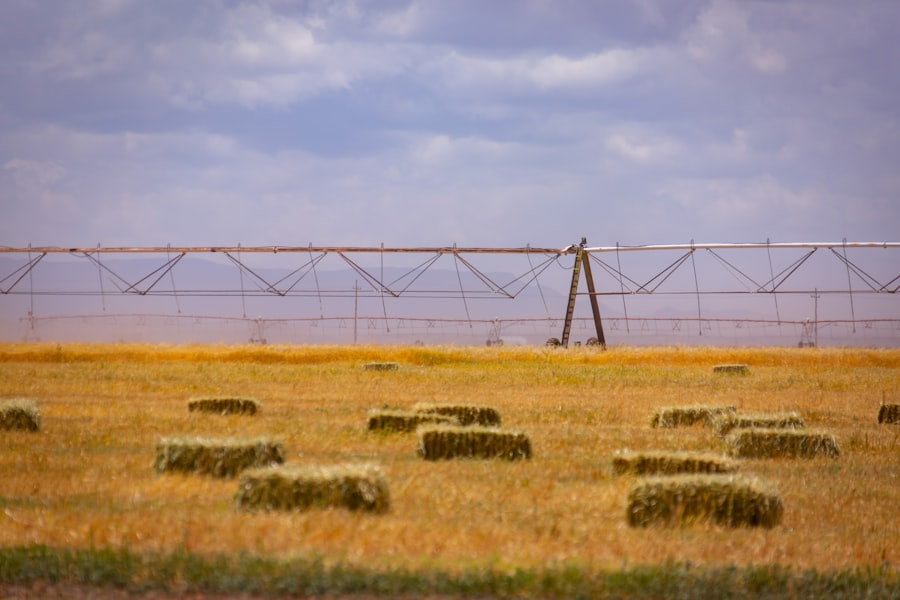
In recent years, farmland prices have exhibited notable trends that reflect broader economic and social changes. In many regions, there has been a steady increase in farmland values, driven by factors such as rising commodity prices and increased global demand for food. This trend has been particularly pronounced in areas where agricultural production is highly profitable.
However, this increase has not been uniform across all regions; some areas have experienced stagnation or even declines in farmland prices due to various local factors. Another significant trend is the growing interest from institutional investors in farmland as an asset class. These investors are often drawn by the potential for stable returns and diversification benefits that agricultural land can provide.
This influx of capital can further drive up prices, making it more challenging for individual farmers to acquire land. Additionally, the rise of sustainable farming practices and organic agriculture has created new market opportunities, influencing land values as farmers seek to adapt to changing consumer preferences.
Impact of Technology on Farmland Productivity
Technology has revolutionized agriculture, significantly enhancing farmland productivity over the past few decades. Innovations such as precision agriculture, biotechnology, and advanced irrigation systems have enabled farmers to optimize their operations and increase yields. Precision agriculture, for instance, utilizes data analytics and GPS technology to monitor crop health and soil conditions, allowing farmers to make informed decisions about resource allocation.
This targeted approach not only boosts productivity but also minimizes waste and environmental impact. Moreover, advancements in biotechnology have led to the development of genetically modified organisms (GMOs) that are resistant to pests and diseases or that require less water. These innovations have the potential to increase crop yields substantially while reducing the need for chemical inputs.
As technology continues to evolve, it is expected that further breakthroughs will emerge, providing farmers with new tools to enhance productivity and sustainability on their farms.
Government Policies and Farmland Prices
| Year | Region | Average Farmland Price (per acre) | Average Crop Yield (bushels per acre) | Price to Productivity Ratio | Notes |
|---|---|---|---|---|---|
| 2018 | Midwest USA | 3500 | 180 | 19.4 | Prices rising faster than yield improvements |
| 2019 | Midwest USA | 3700 | 185 | 20.0 | Price increase outpaces productivity growth |
| 2020 | Midwest USA | 4000 | 190 | 21.1 | Market speculation influences prices |
| 2021 | Midwest USA | 4200 | 192 | 21.9 | Prices continue to rise despite stable yields |
| 2022 | Midwest USA | 4300 | 193 | 22.3 | Farmland prices increasingly detached from productivity |
Government policies play a significant role in shaping farmland prices and agricultural productivity. Subsidies, tax incentives, and land-use regulations can all influence how land is valued and utilized. For example, government programs that support sustainable farming practices or provide financial assistance for land conservation can enhance the attractiveness of certain parcels of land, thereby increasing their value.
Conversely, restrictive zoning laws or environmental regulations may limit land use options, potentially leading to lower prices. Additionally, trade policies can have a profound impact on farmland prices by affecting market access for agricultural products. Tariffs or trade agreements can either bolster or hinder farmers’ ability to sell their goods internationally, influencing demand for farmland accordingly.
Policymakers must carefully consider these dynamics when crafting legislation that impacts the agricultural sector, as their decisions can have far-reaching consequences for both land values and productivity levels.
Environmental Concerns and Farmland Productivity

Environmental concerns are increasingly at the forefront of discussions surrounding farmland productivity. Issues such as soil degradation, water scarcity, and climate change pose significant challenges for farmers striving to maintain high levels of productivity.
As awareness of these issues grows, there is a pressing need for farmers to adopt more sustainable practices that protect the environment while ensuring productivity. Moreover, climate change is altering weather patterns and increasing the frequency of extreme weather events, which can disrupt agricultural production. Farmers must adapt to these changes by implementing strategies such as crop rotation, cover cropping, and improved water management techniques.
By prioritizing environmental sustainability alongside productivity goals, farmers can help mitigate the adverse effects of climate change while maintaining their livelihoods.
Global Market Influences on Farmland Prices
The global market exerts a significant influence on farmland prices through various channels. International trade dynamics play a crucial role in determining demand for agricultural products, which in turn affects land values.
When global demand for certain crops surges, it often results in increased competition for farmland dedicated to those crops. Additionally, geopolitical events can impact global agricultural markets and subsequently influence farmland prices. Trade disputes or sanctions may disrupt supply chains or alter market access for specific products, leading to uncertainty among farmers and investors alike.
As a result, understanding global market trends is essential for stakeholders looking to navigate the complexities of farmland pricing effectively.
Challenges Faced by Farmers in Increasing Productivity
Despite advancements in technology and increased investment in agriculture, farmers face numerous challenges when it comes to enhancing productivity. One significant hurdle is access to capital; many small-scale farmers struggle to secure financing for necessary investments in equipment or technology that could improve their operations. Without adequate funding, these farmers may find it difficult to adopt modern practices that could boost yields.
Additionally, labor shortages present another challenge for farmers aiming to increase productivity. The agricultural sector often relies on seasonal laborers for planting and harvesting crops; however, demographic shifts and immigration policies have led to a decline in available labor in some regions. This shortage can hinder farmers’ ability to manage their operations effectively during critical periods of production.
Strategies for Balancing Farmland Prices and Productivity
To address the disconnect between farmland prices and productivity levels, stakeholders must explore strategies that promote balance within the agricultural sector. One approach involves fostering collaboration between farmers and investors to create mutually beneficial partnerships that prioritize sustainable practices while ensuring profitability. By aligning interests through shared goals—such as improving soil health or increasing crop resilience—both parties can work together toward enhancing productivity without driving up land prices excessively.
Another strategy involves investing in education and training programs that equip farmers with the knowledge and skills needed to adopt innovative practices effectively. By providing resources on sustainable farming techniques or financial management strategies, stakeholders can empower farmers to make informed decisions that enhance both productivity and land value over time.
Future Outlook for Farmland Prices and Productivity
The future outlook for farmland prices and productivity remains uncertain but promising as various factors continue to evolve. As global population growth persists alongside rising food demand, there will likely be ongoing pressure on agricultural systems to adapt and innovate. This environment presents opportunities for technological advancements that could further enhance productivity while addressing environmental concerns.
However, challenges such as climate change impacts and shifting market dynamics will require proactive measures from all stakeholders involved in agriculture. Policymakers must prioritize sustainable practices while ensuring that farmers have access to resources necessary for success in an increasingly competitive landscape.
Conclusion and Recommendations for Addressing the Disconnect
In conclusion, the interplay between farmland prices and productivity is complex yet critical for ensuring food security and economic stability within the agricultural sector. As various factors influence these dynamics—from government policies to technological advancements—stakeholders must remain vigilant in addressing challenges while seizing opportunities for growth. To bridge the gap between farmland prices and productivity levels effectively, it is essential to foster collaboration among farmers, investors, policymakers, and researchers alike.
By prioritizing sustainable practices alongside profitability goals through education initiatives or innovative partnerships—stakeholders can work together toward a more resilient agricultural future that benefits all parties involved while safeguarding vital resources for generations to come.
The rising prices of farmland have increasingly become a topic of discussion, particularly as they seem to be detached from actual productivity levels. This phenomenon raises questions about the sustainability of such investments and their implications for future agricultural practices. For a deeper understanding of this issue, you can read the related article on farmland prices at this link.
FAQs
What does it mean when farmland prices are detached from productivity?
It means that the market value of farmland is increasing or decreasing independently of the land’s actual agricultural output or productivity. In other words, farmland prices are not directly reflecting the land’s ability to generate crop yields or income.
What factors can cause farmland prices to become detached from productivity?
Several factors can contribute, including speculative investment, changes in land use policies, demand for non-agricultural development, low interest rates, and external economic conditions that influence land value beyond its farming potential.
How is farmland productivity typically measured?
Farmland productivity is usually measured by the yield per acre of crops, soil quality, climate conditions, and the land’s capacity to support sustainable agricultural practices.
Why is it important for farmland prices to reflect productivity?
When prices align with productivity, it ensures that land is allocated efficiently to farming activities, supports fair income for farmers, and helps maintain food security. Detachment can lead to misallocation of resources and financial risks for farmers.
What are the potential risks of farmland prices being detached from productivity?
Risks include inflated land prices making it difficult for farmers to purchase or lease land, increased financial vulnerability if prices correct suddenly, and potential shifts away from productive agricultural use toward speculative or non-farming purposes.
Can farmland prices detached from productivity affect food supply?
Yes, if farmland becomes too expensive or is repurposed for non-agricultural uses, it can reduce the amount of land available for food production, potentially impacting food supply and prices.
How do policymakers respond to farmland prices detached from productivity?
Policymakers may implement regulations, taxes, or incentives to stabilize land prices, promote sustainable land use, support farmers, and prevent speculative bubbles in the farmland market.
Is farmland price detachment from productivity a global issue?
While the extent varies by region, many countries experience some level of farmland price detachment due to global investment trends, urban expansion, and changing economic conditions affecting land values.