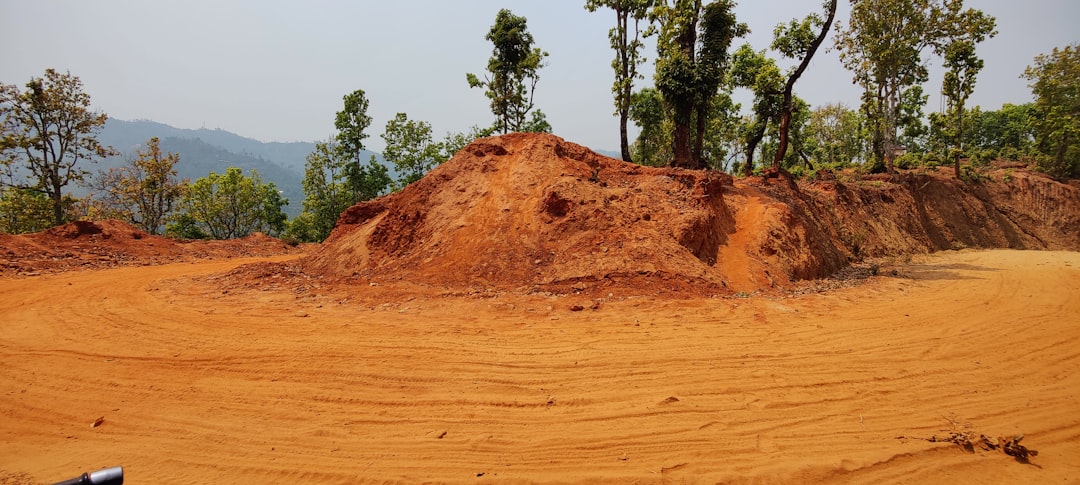
Sand, a seemingly ubiquitous and unassuming element, forms the bedrock of our built environment. It is the silent architect of skyscrapers, the foundation of our roads, and the abrasive grit in concrete that holds our modern world together. Yet, this abundant resource is being extracted at an alarming rate, far exceeding its natural replenishment. This voracious appetite for sand has cast a long shadow, particularly over indigenous communities, whose lives, livelihoods, and cultural heritage are inextricably linked to the rivers and coastlines that are being systematically plundered. The devastating impact of sand mining on these communities is a complex tapestry woven with threads of environmental degradation, economic exploitation, social disruption, and the slow erosion of identity.
The extraction of sand, often through dredging and suction operations, is not a surgical procedure; it is a blunt force against delicate ecosystems. The consequences ripple outward, transforming vibrant natural landscapes into barren wastelands and disrupting the intricate web of life.
Riverbeds as Wounded Arteries
Rivers, vital arteries of life for countless species and human communities, are often the primary sites for sand extraction. The removal of sand from riverbeds fundamentally alters their morphology. Imagine a living organism with its internal structure being ripped out; the river loses its capacity to regulate water flow, its ability to recharge groundwater, and its natural capacity to sustain life.
Altered Water Flow and Increased Flooding
The removal of sand deepens river channels, creating vacuums that can disrupt natural water flow patterns. This can lead to increased sedimentation downstream, which chokes fish spawning grounds and habitats. Conversely, in other areas, the excavation can destabilize riverbanks, making them more vulnerable to erosion, and in times of heavy rainfall, exacerbating flood risks for communities living along the river. The river, once a gentle nourisher, can transform into a capricious bully, unleashing its fury on those it once sustained.
Groundwater Depletion and Saline Intrusion
Sand formations act as natural sponges, playing a crucial role in filtering and storing groundwater. The indiscriminate removal of sand disrupts this vital function, leading to a depletion of groundwater reserves. This is particularly critical for indigenous communities that rely heavily on nearby rivers and aquifers for drinking water and irrigation. In coastal areas, this groundwater depletion can create a void that allows saltwater to intrude into freshwater aquifers, rendering them unusable for drinking and agriculture. The subtle infiltration of saltwater is akin to a slow poison, silently rendering a life-sustaining resource toxic.
Coastal Erosion and Habitat Destruction
Coastal sand dunes and beaches are not just scenic vistas; they are crucial buffers against storms and provide essential habitats for a diverse range of flora and fauna. Sand mining operations along coastlines strip away these natural defenses.
Loss of Coastal Protection
The removal of sand thins beaches and erodes dunes, leaving coastal communities more vulnerable to storm surges, tsunamis, and rising sea levels. These natural barriers, painstakingly sculpted by wind and water over millennia, are reduced to rubble in a matter of months, leaving communities exposed to the untamed wrath of the ocean. The sea, once a benevolent provider, can become a destructive adversary.
Devastation of Marine and Avian Habitats
Many species, including sea turtles, shorebirds, and various invertebrates, rely on sandy beaches and coastal environments for nesting, foraging, and breeding. The destruction of these habitats through sand mining leads to a decline in biodiversity, disrupting food chains and contributing to the endangerment of species. The delicate dance of life that unfolds on these shores, from the hatching of turtles to the nesting of migratory birds, is brutally interrupted.
The impact of sand mining on indigenous communities has become a pressing issue, as highlighted in a recent article that discusses the environmental and social consequences faced by these groups. The article delves into how sand extraction disrupts local ecosystems, threatens traditional livelihoods, and leads to conflicts over land rights. For more insights on this critical topic, you can read the full article at MyGeoQuest.
The Economic Iron Grip: Exploitation and Dispossession
While indigenous communities bear the brunt of the environmental devastation, they rarely reap the economic benefits of sand mining. Instead, they often find themselves on the losing end of a rigged game, their ancestral lands exploited for the profit of external actors.
The Myth of Local Benefit
Sand mining operations are typically driven by external companies, often with significant financial backing, who exploit sand deposits with little regard for the long-term consequences for local populations. The promise of jobs and economic development often rings hollow, as the majority of profits are repatriated, leaving behind only environmental scars and a sense of dispossession.
Low-Wage Labor and Exploitative Contracts
When employment is offered, it is often in the form of low-wage, precarious labor. Indigenous individuals may be hired for the most dangerous and physically demanding tasks, with little training and inadequate safety measures. Furthermore, contracts may be signed with misleading terms, leaving communities with little leverage to negotiate fair compensation or to ensure responsible mining practices. This is akin to a wolf offering a meal to a vulnerable sheep, with the understanding that the sheep will be consumed.
Land Grabs and Displacement
In some instances, sand mining operations become a pretext for land grabs. Indigenous lands, rich in sand deposits, are acquired through dubious legal means, or communities are coerced into selling their ancestral territories. This displacement severs the deep connection indigenous peoples have with their land, a connection that is integral to their cultural identity and spiritual well-being. The land is not merely a commodity; it is a living entity, a repository of ancestral memory.
The Black Market and Corruption
The lucrative nature of the sand trade has also given rise to a thriving black market and rampant corruption in many regions. Illegal sand mining operations, often operating with impunity, further exacerbate environmental damage and deprive governments and local communities of potential revenue. This shadow economy thrives in areas where governance is weak and enforcement is lax, creating a breeding ground for illicit activities that prey on vulnerable communities.
The Unraveling Social Fabric: Community Disruption and Cultural Erosion
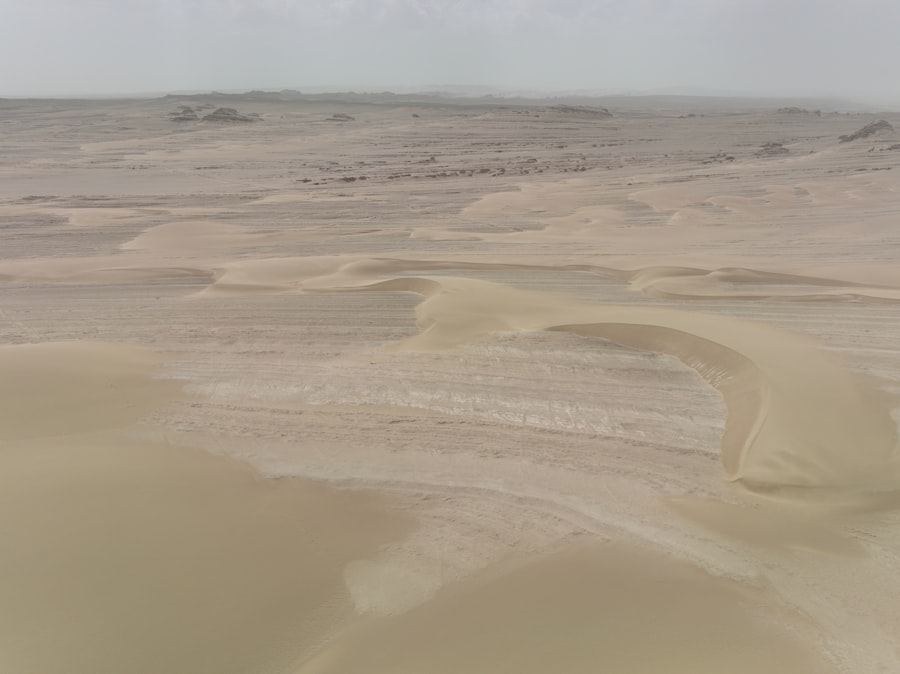
The impact of sand mining extends beyond the physical landscape and the economic realm, penetrating the very heart of indigenous communities and unraveling their social fabric.
Erosion of Traditional Livelihoods
Many indigenous communities have historically depended on rivers and coastlines for their sustenance. Fishing, agriculture, and other resource-based livelihoods are directly impacted by sand mining. The degradation of aquatic ecosystems and the salinization of farmlands render traditional practices unsustainable, forcing communities to abandon their ancestral ways of life. The familiar rhythm of life, dictated by the seasons and the bounty of the land and water, is replaced by the jarring percussion of destruction.
Loss of Food Security
The decline in fish stocks and the inability to cultivate traditional crops due to environmental damage leads to food insecurity. Communities that once relied on their own resources for sustenance are forced to depend on external food sources, often of lower nutritional value and higher cost, leading to a decline in health and well-being. The tables that once groaned with the bounty of the earth are left bare.
Diminished Opportunities for Traditional Skills Transmission
The interruption of traditional livelihoods also means a loss of opportunities for the intergenerational transmission of vital knowledge and skills. The intimate understanding of the natural world, honed over centuries of observation and practice, risks being lost as younger generations are forced to seek alternative, often disconnected, forms of employment. The wisdom of generations, whispered by the rustling leaves and flowing waters, fades into silence.
Social Disruption and Increased Tensions
The influx of outsiders associated with large-scale sand mining operations can disrupt the social cohesion of indigenous communities. Competition for resources, increased substance abuse, and the introduction of alien cultural practices can lead to social tensions and conflict. The arrival of external actors can create fault lines within a community, fracturing the bonds of kinship and shared experience.
Increased Crime and Social Ills
The economic disparities and social disruptions often associated with sand mining can contribute to an increase in crime rates and other social ills within and around affected communities. The desperation born of poverty and displacement can push individuals towards activities that further erode the well-being of the community.
Intergenerational Trauma and Cultural Disconnection
The cumulative impact of environmental destruction, economic exploitation, and social disruption can lead to profound intergenerational trauma and a deep sense of cultural disconnection. The loss of ancestral lands, the erosion of traditional practices, and the constant struggle for survival can leave entire generations feeling adrift, disconnected from their heritage and their sense of belonging. This is a wound that festers, passed down from parent to child.
The Silencing of Voices: Marginalization and Loss of Self-Determination
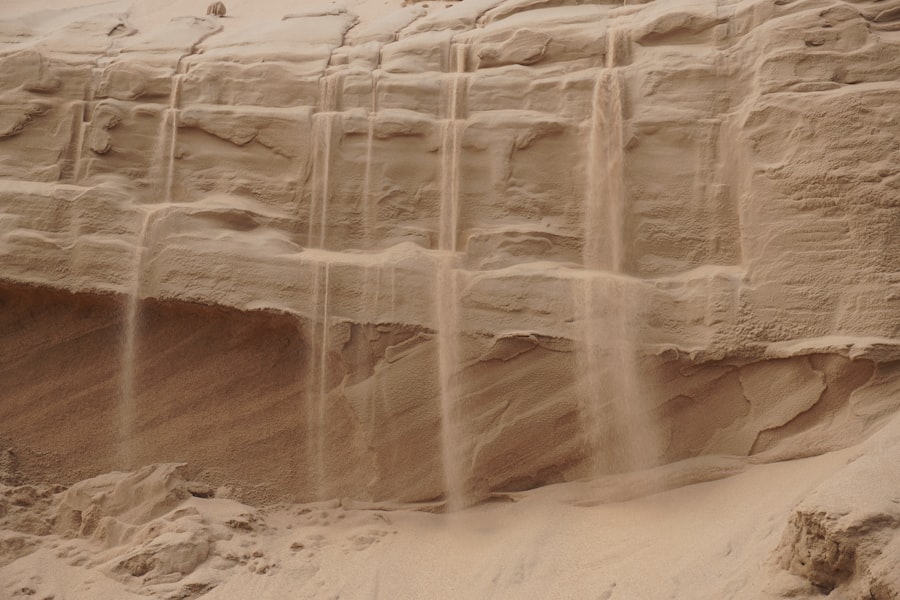
Indigenous communities, often already marginalized, find their voices further silenced and their rights eroded in the face of powerful sand mining interests.
Lack of Free, Prior, and Informed Consent (FPIC)
In many cases, sand mining projects are initiated and implemented without the genuine engagement or consent of the affected indigenous communities. The principle of Free, Prior, and Informed Consent (FPIC), a cornerstone of indigenous rights, is frequently disregarded, leaving communities powerless to resist destructive development. This is akin to having decisions about one’s home made by strangers, without being consulted.
Imposed Development and Disregard for Indigenous Rights
Development projects are often imposed upon indigenous territories without adequate consultation or consideration for their unique cultural values, customary laws, and traditional governance structures. The legal and political frameworks in many countries often fail to adequately protect indigenous rights, leaving them vulnerable to exploitation.
Weak Legal Recourse and Lack of Enforcement
Even when legal protections exist, indigenous communities often face significant challenges in accessing justice and seeking redress for the damages caused by sand mining. Weak legal recourse, coupled with a lack of effective enforcement of environmental and human rights regulations, means that perpetrators of environmental destruction often act with impunity. The scales of justice are often tipped against the powerless.
The Erosion of Cultural Identity
The connection between indigenous peoples and their ancestral lands is deeply spiritual and cultural. The destruction of these lands through sand mining is not merely an environmental or economic loss; it is an attack on their very identity, their cultural heritage, and their worldview. The land is a library of their history, a sacred text that is being defaced.
Loss of Sacred Sites and Traditional Knowledge
Many indigenous cultures hold sacred sites and natural features that are intrinsically linked to their spiritual beliefs and traditions. Sand mining can lead to the destruction or desecration of these sites, erasing centuries of cultural and spiritual significance. The erosion of these connections leads to a loss of traditional knowledge, including medicinal plants, agricultural techniques, and spiritual practices, which are essential to their cultural survival.
The effects of sand mining on indigenous communities have been a growing concern, as these practices often disrupt local ecosystems and traditional ways of life. A related article discusses the various challenges faced by these communities and highlights the importance of sustainable practices. For more insights on this topic, you can read the full article here. Understanding the implications of sand mining is crucial for advocating for the rights and preservation of indigenous cultures.
The Global Sand Crisis and the Path Forward
| Metric | Description | Impact on Indigenous Communities | Example/Region |
|---|---|---|---|
| Land Displacement | Area of indigenous land lost due to sand mining activities | Loss of ancestral lands leading to cultural disintegration and loss of livelihood | India (Northeast regions) |
| Water Quality Degradation | Increase in sedimentation and pollution in water bodies near mining sites | Contamination of drinking water sources, affecting health and traditional fishing practices | Amazon Basin, Brazil |
| Biodiversity Loss | Reduction in flora and fauna diversity due to habitat destruction | Disruption of ecosystems that indigenous communities depend on for food and medicine | Kenya (Coastal regions) |
| Economic Impact | Change in income levels due to loss of natural resources | Reduced access to natural resources leads to increased poverty and unemployment | Indonesia (Papua) |
| Health Issues | Incidence of respiratory and waterborne diseases linked to mining pollution | Increased health problems due to dust and contaminated water | Philippines (Mindanao) |
| Social Conflict | Number of reported conflicts between mining companies and indigenous groups | Heightened tensions and violence over land rights and resource control | Canada (First Nations territories) |
The devastating impact of sand mining on indigenous communities is not an isolated phenomenon; it is a stark symptom of a global sand crisis. The insatiable demand for sand, fueled by rapid urbanization and infrastructure development worldwide, has led to unsustainable extraction practices. Addressing this crisis requires a multi-faceted approach that prioritizes the rights and well-being of indigenous peoples.
Sustainable Sand Management and Policy Reform
Governments and international bodies must implement and enforce robust policies for sustainable sand management. This includes stringent regulations on extraction, the promotion of alternative materials, and the establishment of clear land use planning that respects indigenous territories. The creation of a global framework for responsible sand extraction, akin to regulations governing other finite resources, needs to be prioritized.
Diversifying Building Materials
Investing in and promoting the use of alternative and recycled building materials can significantly reduce the demand for virgin sand. Innovations in the construction industry, such as the use of recycled concrete aggregate, fly ash, and other industrial byproducts, offer promising solutions. This is about retraining the construction industry to build with intelligence, not just with brute force.
Strengthening Indigenous Rights and Governance
Empowering indigenous communities with genuine control over their lands and resources is paramount. This includes upholding the principle of Free, Prior, and Informed Consent (FPIC) in all development projects affecting their territories and strengthening their customary governance structures. Respecting their right to self-determination is the first step towards ensuring their survival and well-being.
International Cooperation and Accountability
Global cooperation is essential to address the transboundary nature of the sand trade and its impacts. International pressure, robust monitoring mechanisms, and mechanisms for accountability for companies engaged in irresponsible sand mining practices are crucial. The global community must acknowledge its shared responsibility in this crisis.
The silent plundering of sand is not just an environmental issue; it is a profound human rights issue with devastating consequences for indigenous communities. Their ancestral lands, their cultural heritage, and their very existence are at stake. It is imperative that the world recognizes the true value of sand – not just as a commodity, but as a vital component of healthy ecosystems and the foundation of resilient, culturally rich communities. The time for responsible stewardship, for listening to the voices of those most affected, and for implementing meaningful change is long overdue. The future of these communities, and indeed the health of our planet, depends on it.
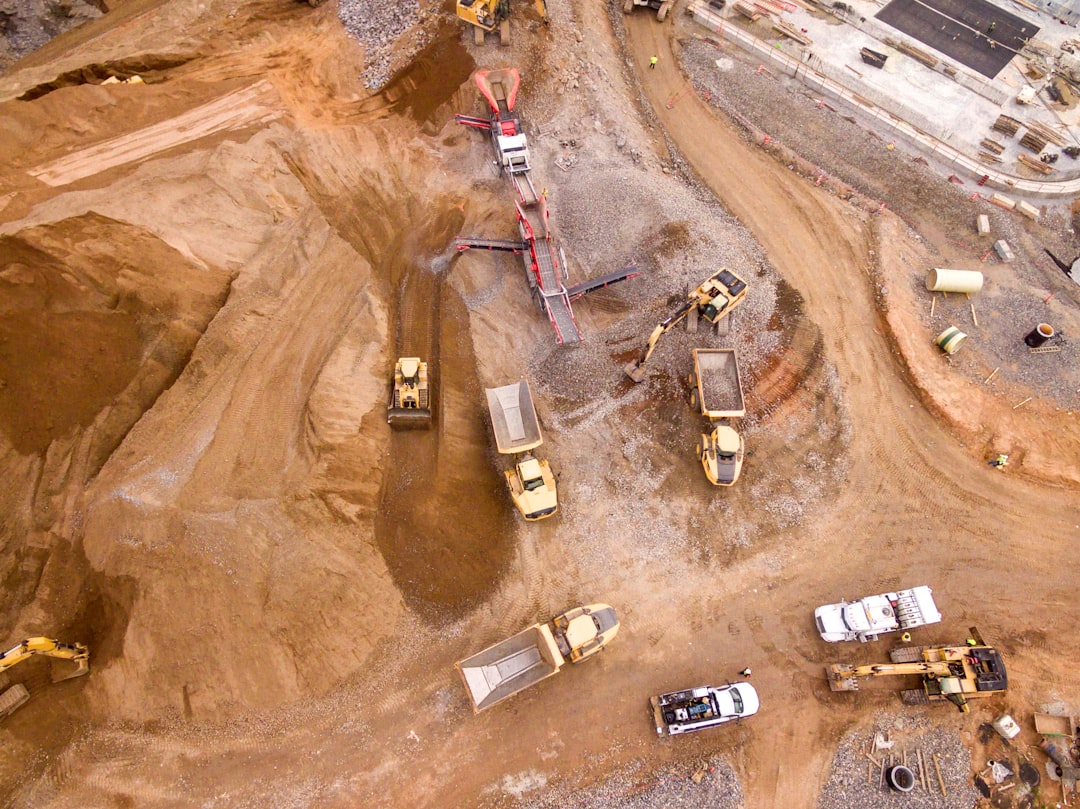
WATCH NOW ▶️ WARNING: Why the World is Running Out of Sand (And You Never Noticed)
FAQs
What is sand mining and why is it important?
Sand mining is the extraction of sand from natural environments such as riverbeds, beaches, and dunes. It is important because sand is a key raw material used in construction, manufacturing, and land reclamation projects.
How does sand mining affect indigenous communities?
Sand mining can disrupt the livelihoods, culture, and environment of indigenous communities by damaging sacred sites, polluting water sources, reducing fish populations, and causing land degradation that affects agriculture and traditional practices.
What environmental impacts result from sand mining near indigenous lands?
Environmental impacts include erosion, loss of biodiversity, alteration of river flows, groundwater depletion, and increased vulnerability to floods, all of which can negatively affect the ecosystems that indigenous communities depend on.
Are there any legal protections for indigenous communities against harmful sand mining?
Many countries have laws and international agreements recognizing indigenous rights and requiring consultation before mining activities. However, enforcement varies, and indigenous communities often face challenges in protecting their lands from unauthorized or harmful sand mining.
What measures can be taken to mitigate the impact of sand mining on indigenous communities?
Mitigation measures include implementing sustainable mining practices, ensuring free, prior, and informed consent from indigenous peoples, conducting environmental impact assessments, promoting alternative materials, and supporting community-led monitoring and management of natural resources.