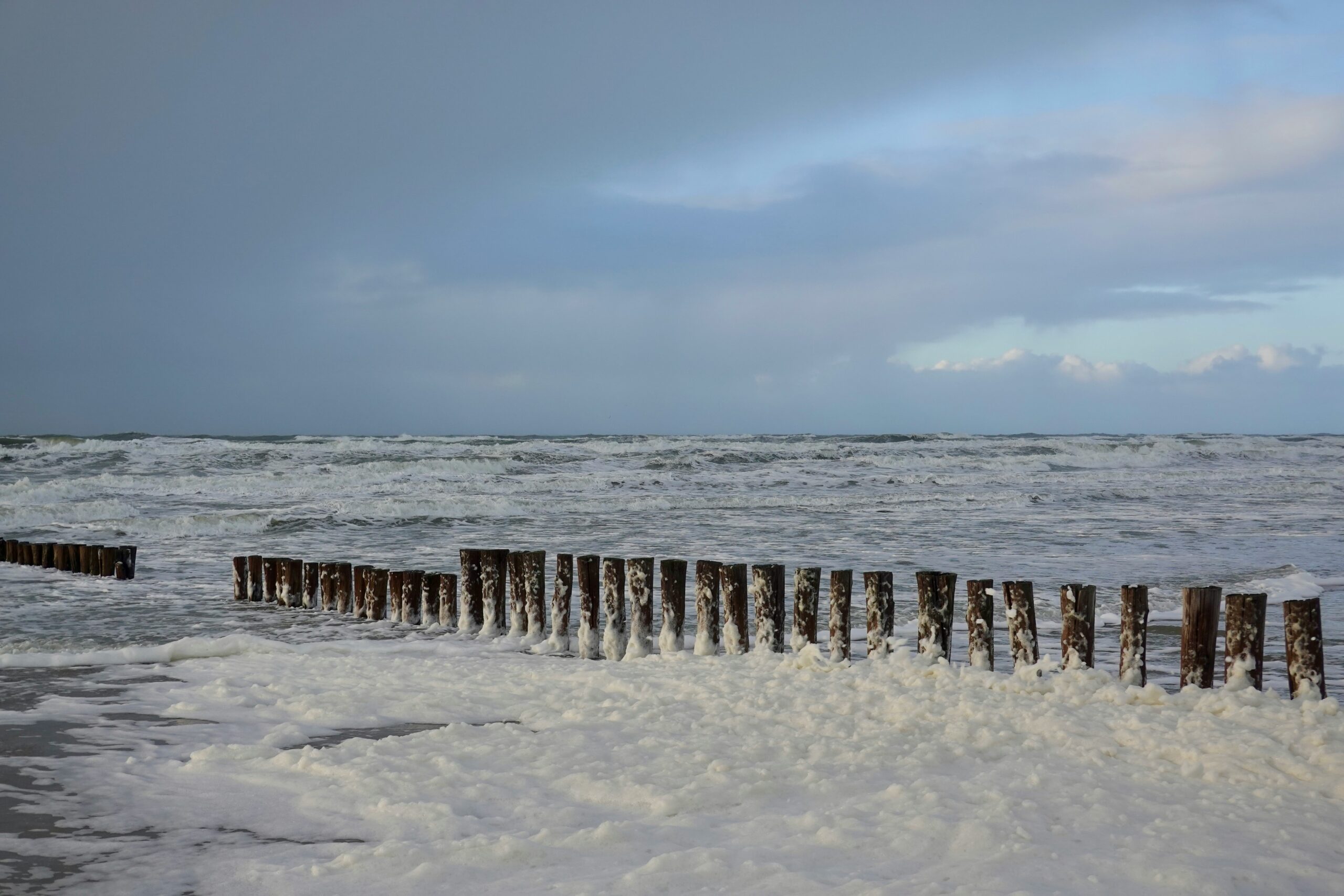
The year 1953 etched itself into the collective memory of the United Kingdom and the Netherlands with a night of unimaginable terror. The North Sea, usually a source of livelihood and a majestic natural wonder, transformed into a monstrous force, unleashing its fury upon low-lying coastal communities. The devastating 1953 North Sea Flood, a catastrophic event born from a perfect storm of meteorological conditions, left a trail of destruction, loss of life, and a profound reevaluation of flood defenses. This article delves into the harrowing events of that night, exploring its causes, its devastating impact, the immediate aftermath, and the enduring legacy that continues to shape coastal resilience today.
The genesis of the 1953 North Sea Flood was a confluence of highly unusual and potent meteorological factors. It wasn’t a single, isolated event, but rather a compounding of circumstances that created a recipe for disaster. The sheer scale of the tidal surge was unprecedented, pushing the sea to elevations never before recorded in many coastal areas. Understanding these contributing factors is crucial to grasping the immense power unleashed that fateful night.
The Force of the Atlantic Low-Pressure System
At the heart of the meteorological drama was a powerful low-pressure system that had developed over the North Atlantic. These systems are characterized by their rapid intensification and the strong winds they generate. As this particular low-pressure system tracked eastward, it began to pull in exceptionally cold air from the Arctic, further intensifying its strength. The associated winds, blowing from the northeast, were critical in driving large volumes of water towards the shallow and enclosed basin of the North Sea. These winds, sustained and gale-force, acted like a giant broom, pushing the sea surface before them.
The Role of the Spring Tide
Compounding the impact of the storm surge was the fact that the flood occurred during a spring tide. Spring tides are the highest tides of the month and occur when the sun, Earth, and moon are aligned. This alignment exerts a stronger gravitational pull, drawing the oceans into more pronounced bulges. In January 1953, this natural celestial alignment provided a higher baseline for the sea level, meaning that even a moderate storm surge would have a more significant effect. When combined with the storm surge, the spring tide pushed the water to extraordinary heights, overwhelming defenses that might have held under normal tidal conditions.
The Narrowing and Shallowing of the North Sea
The geographical configuration of the North Sea itself played a significant role in amplifying the disaster. The sea narrows considerably towards its southern end, where the brunt of the storm surge hit. This narrowing effect acts to concentrate the incoming water, increasing its depth and power. Furthermore, the shallow nature of much of the North Sea seabed means that waves and surge can build up more rapidly and reach greater heights than in deeper oceanic waters. The northeast winds, pushing against this constrained and shallow body of water, created a relentless buildup of pressure.
The Exceptionally Strong North-Easterly Winds
The defining characteristic of the storm’s impact was the sustained and exceptionally strong north-easterly wind. These winds blew directly onshore across the Dutch and British coasts for an extended period. The sustained force of these gales, reaching speeds of up to 100 miles per hour in some areas, pushed vast quantities of water ahead of them. This phenomenon, known as a storm surge, effectively piled up the sea against the coastline, creating a wall of water that breached defenses. The duration of these high winds was as critical as their intensity, preventing the sea from receding and allowing the surge to build to catastrophic levels.
The 1953 North Sea flood was a catastrophic event that highlighted the vulnerabilities of coastal regions to natural disasters. For those interested in exploring the broader implications of such events on climate change and coastal management, a related article can be found at this link. This article delves into the lessons learned from the flood and how they continue to influence modern approaches to flood prevention and disaster preparedness.
The Night of the Deluge: Unfolding Catastrophe
As the wind howled and the rain lashed down, the night of January 31st, 1953, began its grim descent into history. For many coastal dwellers, the first signs of impending disaster were the sounds of water, louder and more insistent than they had ever heard. The sea, a familiar and often comforting presence, began to encroach with terrifying speed, overwhelming defenses that had stood for generations. The stories from that night are a testament to human resilience in the face of overwhelming natural power, but they are also stained with the tragedy of countless lives lost.
The devastating North Sea flood of 1953 not only reshaped the landscape of coastal England but also led to significant changes in flood management policies across Europe. For those interested in exploring the broader implications of this disaster, a related article can be found at My Geo Quest, which discusses the historical context and the long-term effects of such natural calamities on communities and infrastructure. Understanding these events helps us appreciate the importance of preparedness in the face of climate change and rising sea levels.
The Breaching of the Sea Defenses
The primary line of defense for coastal communities were the sea walls, dikes, and dunes that had been constructed over centuries to protect against the sea. However, the sheer force of the storm surge in 1953 overwhelmed these defenses. In many locations, the water simply rose over the top of the walls, while in others, the relentless pounding of the waves caused them to collapse. The older, less robust defenses were particularly vulnerable, but even some of the more modern structures succumbed to the immense pressure. The breaches were not isolated incidents; they occurred at numerous points along the coast, allowing the sea to surge inland with devastating speed.
The Inundation of Low-Lying Areas
Once the defenses failed, the vast quantities of water that had been pushed against the coast surged inland, inundating vast swathes of low-lying land. In the Netherlands, much of the country lies below sea level, making it particularly susceptible to flooding. Villages, towns, and agricultural land were submerged within hours. In the UK, the East Anglian coast, with its extensive salt marshes and flat terrain, suffered immensely. The water advanced rapidly, engulfing homes, farms, and infrastructure. The initial inrush of water was often accompanied by debris, adding to the destructive force.
The Human Toll: Lives Lost in the Darkness
The most poignant and devastating aspect of the 1953 flood was the loss of human life. Many people were caught unawares, asleep in their beds or unable to escape the rapidly rising waters. The darkness of the night, combined with the roar of the wind and water, created a terrifying and disorienting environment. Families were separated, and many perished in their homes or while attempting to flee. The elderly, the very young, and those in isolated properties were particularly vulnerable. The sheer speed and scale of the inundation meant that there was little time for evacuation, and for many, escape was simply impossible. The final death toll was a stark and tragic testament to the ferocity of the event, with over 2,500 people losing their lives in total.
The Destruction of Homes and Livelihoods
Beyond the loss of life, the flood inflicted widespread destruction on homes, businesses, and agricultural land. Houses were swept away by the torrent, or filled with water and mud, rendering them uninhabitable. Farms were inundated, with livestock drowned and crops ruined. Fishing fleets, crucial to the economies of many coastal communities, were smashed against harbor walls or swept out to sea. The economic impact was immense, leaving many with nothing. The loss of homes and livelihoods created a profound sense of displacement and desperation in the immediate aftermath.
The Immediate Aftermath: Rescue, Recovery, and Relief

As dawn broke on February 1st, 1953, the full extent of the devastation became tragically apparent. The landscape was transformed, a scene of widespread destruction and loss. The immediate priority was rescue, followed by the arduous tasks of recovery and providing relief to those who had lost everything. The spirit of community and national solidarity, however, shone through the darkness.
The Heroism of Rescue Operations
In the face of overwhelming odds, rescue efforts were launched with remarkable speed and determination. Coastguards, lifeboat crews, the military, and ordinary civilians risked their lives to reach those trapped by the floodwaters. Boats, helicopters, and any available craft were pressed into service to ferry people to safety. Many harrowing tales of individual bravery and selflessness emerged from this period, as rescuers battled treacherous conditions to save lives. The efforts were hampered by the widespread destruction of infrastructure, including roads and communication lines, making access to affected areas incredibly difficult.
The Scale of the Humanitarian Crisis
The flood created a massive humanitarian crisis. Thousands of people were left homeless, with no food, shelter, or clean water. Temporary shelters were established in schools, churches, and any available buildings. Food and essential supplies were airlifted and transported to the affected areas, often through immense logistical challenges. The Red Cross and other charitable organizations played a vital role in coordinating relief efforts and providing much-needed assistance. The scale of the need was immense, stretching resources to their limits.
The Long Road to Reconstruction
The physical reconstruction of the devastated areas was a monumental undertaking. Homes needed to be rebuilt, businesses re-established, and agricultural land reclaimed. The process was long and arduous, requiring significant financial investment and a sustained commitment from government and local authorities. The emotional scars of the flood also took a long time to heal, with many survivors grappling with trauma and loss. The rebuilding process became a symbol of resilience and determination.
International Response and Support
The catastrophic nature of the 1953 flood elicited a strong international response. Many countries offered financial aid, supplies, and expertise to assist with the relief and reconstruction efforts. This global solidarity underscored the shared vulnerability of coastal communities and the importance of international cooperation in the face of natural disasters. The support received was invaluable in helping the affected nations begin the long process of recovery.
The Legacy of the Flood: Redefining Coastal Defense
The 1953 North Sea Flood served as a stark and brutal wake-up call. The existing flood defenses, which had been considered adequate, were demonstrably insufficient. The disaster triggered a fundamental reevaluation of coastal engineering and a commitment to building more robust and resilient defenses. The lessons learned from that night continue to shape coastal management and disaster preparedness strategies to this day.
The “Delta Works” and the Dutch Response
In the Netherlands, the flood had a particularly profound impact due to the country’s low-lying geography. The disaster galvanized the nation into undertaking one of the most ambitious engineering projects in history: the Delta Works. This series of dams, sluices, and storm surge barriers was designed to protect the southwestern part of the Netherlands from future floods. The Delta Works, a testament to human ingenuity and a direct response to the 1953 disaster, significantly reduced the vulnerability of the Dutch coast. The project involved the construction of massive barriers that could be closed during storm surges, effectively disconnecting the vulnerable delta from the sea.
Investment in Improved Sea Defenses in the UK
In the United Kingdom, the flood also prompted significant investment in improving sea defenses. Existing sea walls were strengthened, and new, more advanced structures were built. The focus shifted towards a more integrated approach to coastal management, incorporating the natural landscape and considering the long-term impacts of sea-level rise. The development of more sophisticated forecasting and warning systems also became a priority. The lessons from 1953 emphasized the need for continuous monitoring and adaptation of coastal infrastructure.
The Evolution of Flood Warning Systems
The lack of effective flood warning systems was a major contributing factor to the high death toll in 1953. In the years that followed, significant advancements were made in meteorological forecasting and the development of early warning systems. The ability to accurately predict storm surges and communicate these warnings to the public became a critical component of disaster preparedness. The development of sophisticated computer models and real-time monitoring of weather and tidal conditions has dramatically improved the lead time for evacuations and other protective measures.
A Continued Threat: Climate Change and Sea Level Rise
While the defenses built in the wake of the 1953 flood have undoubtedly saved countless lives and prevented further widespread devastation, the threat of coastal flooding remains. Climate change and the associated rise in sea levels mean that coastal communities are facing an increasingly challenging future. The lessons of 1953 serve as a constant reminder of the power of the sea and the importance of ongoing investment in coastal resilience, adaptation, and preparedness. The legacy of the devastating 1953 North Sea Flood is not just one of past tragedy, but a crucial reminder of the ongoing need for vigilance and innovation in protecting our coastlines for generations to come. The event stands as a stark monument to the forces of nature and a testament to humanity’s capacity to learn, adapt, and strive for a more secure future in the face of its power.

The Dangerous Sea Europe Can’t Live Without
FAQs
What was the 1953 North Sea flood?
The 1953 North Sea flood was a major natural disaster that occurred on the night of January 31st and February 1st, 1953. A combination of a high spring tide and a severe European windstorm led to a storm surge that overwhelmed sea defenses and flooded coastal areas in the Netherlands, Belgium, England, and Scotland.
What were the impacts of the 1953 North Sea flood?
The 1953 North Sea flood resulted in the deaths of approximately 2,551 people in the Netherlands, 307 in the United Kingdom, and 28 in Belgium. It also caused widespread destruction of property, infrastructure, and agricultural land. The disaster prompted significant changes in coastal defense and flood management strategies in the affected countries.
What measures were taken in response to the 1953 North Sea flood?
In response to the 1953 North Sea flood, the affected countries implemented various measures to improve coastal defenses and flood management. These included the construction of the Delta Works in the Netherlands, the Thames Barrier in the United Kingdom, and the strengthening of sea walls and dikes.
How did the 1953 North Sea flood impact flood management strategies?
The 1953 North Sea flood led to a reevaluation of flood management strategies in the affected countries. It prompted the development of more robust and integrated approaches to coastal defense, including the use of advanced engineering techniques, early warning systems, and improved coordination between government agencies.
What lessons were learned from the 1953 North Sea flood?
The 1953 North Sea flood highlighted the importance of proactive and comprehensive flood management strategies, as well as the need for international cooperation in addressing coastal and riverine flood risks. It also underscored the potential impact of climate change on sea levels and storm surges, leading to ongoing efforts to adapt to future flood risks.