You’ve seen the news headlines, the dire warnings, the abstract concepts of global trade. But have you ever truly considered the hidden costs, the invisible threads that weave together the products you rely on every single day? What if behind that gleaming smartphone or that perfectly ripe avocado lies a story steeped in danger, exploitation, and even death? This isn’t a fictional thriller; this is the reality of the world’s most dangerous supply chains. You are an unwitting participant, a consumer whose demand fuels a system that, in too many cases, prioritizes profit over people.
This is the journey of the deadly supply chain, a labyrinth where risks are amplified, ethics are compromised, and lives are tragically cut short. You might think you’re simply buying a product, but often, you’re unknowingly contributing to a grim, ongoing saga.
The very first steps in many supply chains are fraught with peril. Before any product can be assembled, before any service can be rendered, raw materials must be extracted from the earth. This is where the danger truly begins, often in places far removed from your daily concerns, where oversight is minimal and profit margins are paramount.
Mining the Unseen: The Perils of Earth’s Bounty
Consider the extraction of minerals like cobalt, essential for your phone’s battery, or rare earth elements, crucial for electronics. These aren’t dug up in sterile, well-lit factories. Instead, much of this vital extraction happens in artisanal and small-scale mines, often in countries with weak governance and limited worker protections.
Artisanal Mining: A Race Against Riches and Ruin
You might picture a lone prospector panning for gold. The reality is often far more grim. Artisanal cobalt mines in the Democratic Republic of Congo, for example, are notoriously dangerous. Children, some as young as seven, are put to work for pennies a day, crawling into unstable tunnels that can collapse without warning. They breathe in toxic dust that leads to long-term respiratory illnesses, their small bodies ill-equipped to handle the physical toll. The absence of proper safety equipment is a given. Without helmets, ventilation systems, or even basic protective clothing, miners face constant threats of cave-ins, deadly gas inhalation, and physical injuries from falling rocks.
The Human Cost of Your Gadget: Imagine the sheer desperation that drives a parent to send their child into such a life-threatening environment. You hold a device that connects you to the world, a device that, in part, is powered by the sweat and sometimes the blood of these children. The lack of transparency in these upstream supply chains makes it incredibly difficult for you, the consumer, to trace the origins of these minerals and, consequently, to ensure they were mined ethically.
Industrial Mining: Scale Doesn’t Mean Safety
Even large-scale industrial mining operations can harbor immense dangers. Think about the collapse of a dam at a Vale mining complex in Brazil, releasing a torrent of toxic mud that buried entire communities. While these are often headline-grabbing disasters, daily operational risks are also significant. Explosions, machinery malfunctions, and exposure to hazardous chemicals are constant threats to workers in mines across the globe. The pursuit of ever-cheaper extraction methods can lead to compromised safety protocols, even in seemingly regulated environments.
Agriculture’s Dark Side: From Field to Fork, with Fear
The food on your plate, the coffee in your mug, the cotton in your clothes – these all begin their journey in farms. And these farms, particularly in developing nations, can be incredibly dangerous places.
Pesticides and Poisons: The Invisible Assault
The extensive use of pesticides, herbicides, and insecticides is a cornerstone of modern, high-yield agriculture. While these chemicals are designed to protect crops, they pose severe health risks to the farmworkers who apply them, often with little to no protective gear. You might enjoy the flawless appearance of your produce, unaware of the toxic cocktails sprayed onto it, the fine mist settling on the skin and lungs of those who cultivate it.
Long-Term Health Impacts: Workers are exposed to a cocktail of chemicals that can lead to chronic respiratory problems, neurological damage, reproductive issues, and even cancer. In many regions, there is a lack of proper training on safe handling and application, coupled with the pressure to work quickly to maximize harvests. The very food that nourishes you might be tainted with the lingering effects of these dangerous chemicals, impacting both the workers and, potentially, you through residues.
Hazardous Labor: Backbreaking Work in Unforgiving Conditions
Beyond chemical exposure, agricultural labor is often physically grueling and dangerous. Harvesting crops in extreme heat, operating heavy machinery without proper training, and working with sharp tools all contribute to a high incidence of injuries. Imagine fruit pickers, their hands raw and bleeding, working long hours under the scorching sun, their bodies pushed to their limits for a wage that barely sustains them.
The Exploitation of Vulnerable Populations: In many agricultural supply chains, migrant workers and undocumented immigrants are particularly vulnerable to exploitation. They are often hesitant to report unsafe conditions for fear of deportation or retaliation, making them prime targets for unscrupulous employers who cut corners on safety and fair wages.
In exploring the complexities of global trade, one cannot overlook the challenges posed by the world’s most dangerous supply chain, as detailed in a related article on MyGeoQuest. This insightful piece delves into the vulnerabilities and risks associated with transporting goods through conflict zones and unstable regions, highlighting the critical need for robust logistics strategies. For more information, you can read the full article here: World’s Most Dangerous Supply Chain.
The Unseen Hands: Labor Abuses in Manufacturing Hubs
Once raw materials are processed, they move to manufacturing facilities. And here, the dangerous narrative often continues, shifting from the perils of extraction to the grim realities of labor exploitation.
Sweatshops and Slavelike Conditions: Where Human Rights Are Negotiated Away
You might be surprised to learn how many of your everyday items are produced in what are essentially modern-day sweatshops. These are factories, often in South and Southeast Asia, where workers toil for impossibly long hours, in unsafe and unsanitary conditions, for wages that are far below a living wage.
The Rana Plaza Disaster: A Stark Warning Ignored
The collapse of the Rana Plaza garment factory in Bangladesh in 2013, which killed over 1,100 people and injured thousands more, stands as a chilling testament to the dangers lurking in these manufacturing hubs. The building was structurally unsound, yet workers were forced to report for duty on the day of the disaster. The cracks in the building were visible, but the demand for fast fashion continued, prioritizing speed and cost over the lives of the people making the clothes.
Your Role in the Cycle: This disaster should have been a wake-up call. Yet, reports of similar dangerous conditions persist. You might be wearing a t-shirt that was made in a factory where fire exits are blocked, where ventilation is poor, and where workers are subjected to verbal and physical abuse. The pressure for prices to remain low means that companies often outsource production to countries with the weakest labor laws and enforcement, creating a race to the bottom in terms of worker safety and fair treatment.
Forced Labor and Child Exploitation: The Darkest Corners
Beyond unsafe working conditions, some supply chains are tainted by outright forced labor and child exploitation. In some regions, workers are trapped in debt bondage, their passports confiscated, and their freedom nonexistent. Children are robbed of their education and their childhood, forced to work in factories or on farms to contribute to meager family incomes.
The Difficulty of Detection: The complexity of global supply chains makes it incredibly difficult to detect and eradicate such abuses. Subcontractors and opaque ownership structures allow for layers of deniability, making it challenging to hold brands accountable for the conditions in their entire production network. Your purchasing decisions, while seemingly insignificant, collectively fuel this demand.
Hazardous Manufacturing Processes: When Production Itself is a Threat
Even in factories that are not outright sweatshops, the manufacturing process itself can pose significant risks.
Chemical Exposure in Electronics and Textiles: A Chronic Danger
The production of electronics involves numerous hazardous chemicals. Workers in battery factories, for instance, can be exposed to lead, mercury, and cadmium, all of which have severe health consequences. Similarly, textile dyeing and finishing processes often utilize toxic dyes and chemicals that can harm workers and pollute the environment. You may not see the process, but the impact is real.
Mechanical Dangers: Unguarded Machinery and Repetitive Strain
In many factories, machinery is old, poorly maintained, and lacks adequate safety guards. Workers are at risk of amputations, crushing injuries, and other severe accidents. Furthermore, repetitive tasks performed for long hours can lead to debilitating musculoskeletal disorders, impacting workers’ long-term health and ability to earn a living.
The Perilous Passage: Transportation and Logistics Gone Wrong
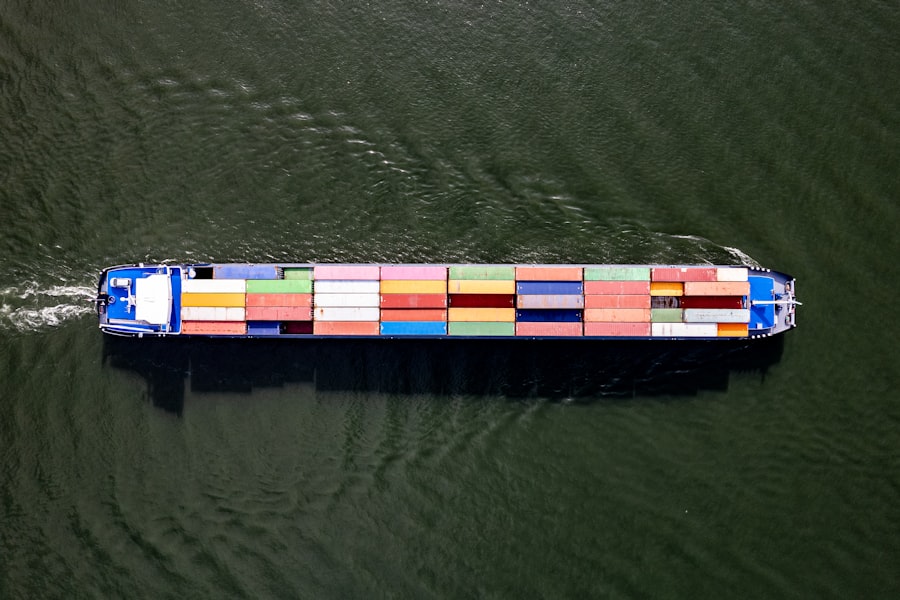
Once products are manufactured, they embark on a global journey. This transportation and logistics phase, often invisible to you, is also a source of danger.
Maritime Mayhem: The Dangers of the High Seas
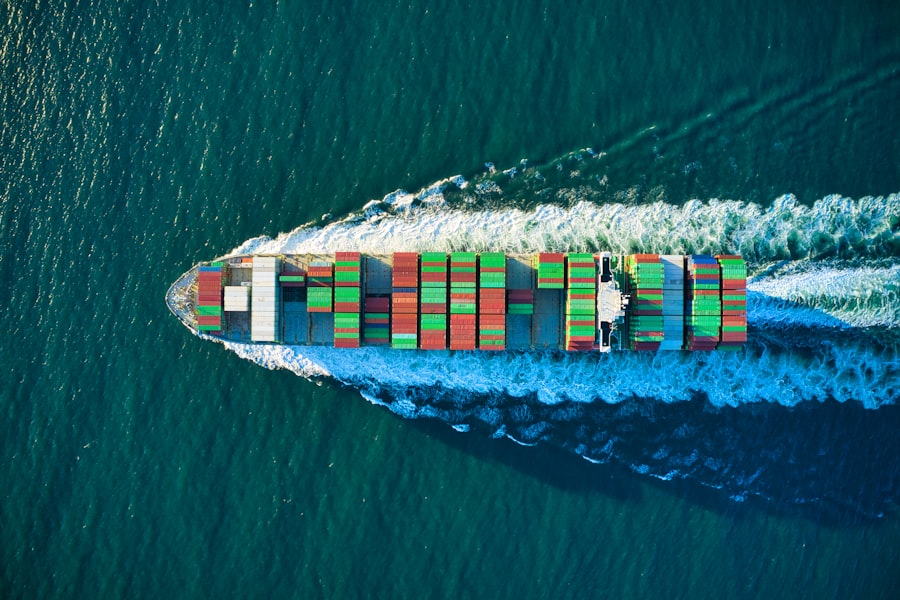
The vast majority of goods are transported by sea. While generally safer than air travel, the maritime industry is not without its risks.
Shipwrecks and Piracy: The Unseen Threats
Shipwrecks, often caused by severe weather, navigational errors, or structural failures, can mean the loss of entire crews. The crews themselves, working in isolation for months at a time, face unique physical and psychological challenges. Piracy, though less prevalent than in the past, still poses a threat in certain regions, endangering the lives of sailors and leading to significant economic losses.
Working Conditions at Sea: A Life of Isolation and Risk
The life of a seafarer is demanding and often dangerous. Long hours, cramped living quarters, and the constant threat of accidents contribute to a high-stress environment. While regulations exist, their enforcement can be inconsistent, leaving some sailors vulnerable to exploitation and unsafe working conditions.
Road and Rail Risks: The Human Element of Freight
While air and sea transport carry large volumes, road and rail remain crucial for last-mile delivery and shorter routes.
Truck Driver Fatigue and Accidents: The Tyranny of the Clock
Truck drivers, particularly in industries with tight delivery schedules, often face immense pressure to drive for long hours, leading to driver fatigue. This is a significant contributor to road accidents, endangering not only the drivers themselves but also other road users. The constant pursuit of efficiency can push drivers to their limits, making the highway a dangerous place.
Irregular Loads and Infrastructure Failures: Unforeseen Catastrophes
The transportation of hazardous materials by road and rail requires stringent safety protocols. However, accidents can still occur due to improper loading, vehicle malfunctions, or poor infrastructure, leading to spills, explosions, and environmental disasters. You might experience a small delay due to an accident, unaware of the magnitude of the danger that unfolded.
The End of the Line? Waste and Disposal Hazards
Even after the product has reached you, its journey isn’t necessarily over. The way we dispose of products creates another layer of danger within the supply chain.
Electronic Waste: A Toxic Legacy
Your old smartphones, laptops, and other electronic devices are not inert when they’re discarded. They contain a cocktail of hazardous materials like lead, mercury, and cadmium.
Informal Recycling and Dumping Grounds: The Global Dumping Crisis
Instead of being properly recycled, vast quantities of e-waste are shipped to developing countries, where informal workers, often children, dismantle them in crude conditions. They burn wires to extract copper, breathe in toxic fumes from melting plastic, and come into direct contact with hazardous substances, leading to severe health problems and environmental contamination. Your eagerness for the latest gadget contributes to this growing global crisis.
The Environmental Cost: Poisoned Land and Water
The toxic leached from e-waste contaminates soil and groundwater, impacting the health of communities and ecosystems for generations. This is the final, toxic act of a supply chain that prioritizes convenience over responsibility.
Plastic Pollution: A Persistent and Deadly Threat
The sheer volume of plastic produced for packaging and single-use products creates a massive waste problem. This plastic, when it enters the environment, breaks down into microplastics, polluting our oceans, our food chains, and even our bodies.
Microplastics in Our Food and Water: An Insidious Contamination
The pervasive nature of plastic pollution means that microplastics are now found in virtually everything we consume. The long-term health effects of microplastic ingestion are still being researched, but the immediate impact on marine life is devastating, and the implications for human health are a growing concern.
In exploring the complexities of global logistics, one cannot overlook the implications of the world’s most dangerous supply chain. This intricate web of transportation and distribution is fraught with challenges that can disrupt economies and impact everyday life. For a deeper understanding of these issues, you might find the article on supply chain vulnerabilities insightful, as it delves into the risks associated with various industries. To read more about this topic, visit this article which highlights the critical factors influencing supply chain stability.
Breaking the Chain: Your Role in Demanding Ethical Sourcing
| Rank | Country | Supply Chain Risk Score | Reason |
|---|---|---|---|
| 1 | Afghanistan | 8.9 | High risk of terrorism and political instability |
| 2 | Syria | 8.5 | Conflict and civil unrest |
| 3 | Yemen | 8.3 | Political instability and terrorism |
| 4 | South Sudan | 8.1 | Armed conflict and food insecurity |
| 5 | Somalia | 7.9 | Piracy and political instability |
You are not powerless in the face of these deadly supply chains. Your demand, your choices, and your voice can create change.
The Power of Consumer Awareness: Knowledge is Your First Weapon
The first step is to be aware. Understand that every product has a story, and behind that story can lie immense hardship and danger. Seek out information about the brands you support. Look for companies that are transparent about their sourcing and manufacturing practices.
Researching Brands and Certifications: Decoding the Labels
Many organizations work to certify ethically sourced products. Look for labels like Fair Trade, which indicates that workers were paid a fair wage and worked in safe conditions. Companies that are transparent about their supply chains, publishing lists of their suppliers and factory audits, are more likely to be taking their responsibilities seriously.
Supporting Ethical Businesses: Voting with Your Wallet
When you choose to buy from companies that prioritize ethical sourcing, fair labor, and environmental sustainability, you are sending a powerful message. You are supporting businesses that are doing the right thing and, in turn, encouraging others to follow suit. This can be challenging, as ethical products may sometimes be more expensive, but the long-term societal and environmental benefits far outweigh the immediate cost.
Advocating for Change: Your Voice Matters
Don’t underestimate the power of your voice. Write to brands and ask them about their supply chain practices. Support organizations that are campaigning for stronger labor laws and environmental regulations. Share information with your friends and family, raising awareness about the hidden dangers in our everyday products.
The deadly supply chain is a complex and multifaceted problem, but it is not insurmountable. By understanding the risks, demanding transparency, and making conscious choices, you can play a vital role in dismantling these dangerous systems and building a more ethical and sustainable future, one purchase at a time. The products you use should not come at the cost of human lives or environmental devastation. It is time to face the grim reality behind the convenience and demand a better way forward.

The Taiwan Strait: The Most Dangerous Place in the Global Economy
FAQs
What is the world’s most dangerous supply chain?
The world’s most dangerous supply chain refers to the transportation and delivery of goods in conflict zones, war-torn areas, or regions with high levels of political instability and violence.
What are the risks associated with the world’s most dangerous supply chain?
The risks associated with the world’s most dangerous supply chain include physical danger to workers, theft of goods, damage to infrastructure, and disruption of supply routes due to conflict or political instability.
Which industries are most affected by the world’s most dangerous supply chain?
Industries most affected by the world’s most dangerous supply chain include oil and gas, mining, and humanitarian aid organizations delivering essential supplies to conflict-affected areas.
How do companies mitigate the risks of the world’s most dangerous supply chain?
Companies mitigate the risks of the world’s most dangerous supply chain by implementing security measures such as hiring local security forces, using armored vehicles, and conducting thorough risk assessments before transporting goods.
What are the ethical considerations of operating in the world’s most dangerous supply chain?
The ethical considerations of operating in the world’s most dangerous supply chain include ensuring the safety and fair treatment of workers, avoiding contributing to conflict or instability, and adhering to international humanitarian laws and regulations.