The air in the small village of Subum, nestled near the Cameroonian slopes of Mount Cameroon, was usually thick with the scent of woodsmoke and damp earth. For Halima Suley, a young woman on the cusp of adulthood, it was the scent of home, of familiar routines, of a life unfolding as it always had. She helped her mother tend their small patch of maize, her laughter echoing with her siblings as they played by the river. Their world was largely confined to the immediate vicinity of their village, the shimmering, tranquil surface of Lake Nyos a constant, almost comforting, presence on the horizon. Few in Subum, or the surrounding villages, paid much mind to the lake’s deep, dark waters. It was simply there, a part of the landscape, a potential source of water, a place where the men sometimes fished. Its serene facade, however, held a terrifying, deadly secret, a secret that would irrevocably alter Halima’s life and the lives of countless others on that fateful night of August 21, 1986.
The Prelude to Catastrophe
The days leading up to August 21st were marked by unusual signs, subtle shifts in the natural world that, in hindsight, screamed of impending doom. Halima, like many of the villagers, noticed the strange behaviour of the animals. Birds flew erratically, seemingly agitated, and cattle seemed unusually restless, lowing and pacing in their enclosures. There was a peculiar smell, a faint, acrid odour that some attributed to decaying matter in the lake, others to some unknown atmospheric disturbance. The sky, too, took on an unusual hue, a hazy, yellowish tint that clung to the horizon for days. Halima remembered her grandmother, a woman steeped in the traditions and superstitions of their people, muttering about ill omens and disturbed spirits. But in the pragmatic rhythm of village life, these whispers were easily dismissed, lost amidst the daily chores and the comforting predictability of their existence. The lake itself, the object of so much unease, appeared as placid as ever, its surface reflecting the sky like a vast, unblemished mirror. No one could have fathomed the invisible killer brewing within its depths, a lethal cocktail of gases slowly accumulating, poised to unleash its devastating fury. The earth beneath them, a seemingly stable foundation, was the very vessel for this impending disaster.
Whispers of Unease
The days preceding the disaster were not outwardly dramatic in a way that would trigger widespread panic. Instead, a pervasive sense of unease settled over the region. Halima recalled conversations among the women, hushed discussions about the strange behaviour of their domestic animals. Dogs barked incessantly at night, their howls piercing the usual quiet. Chickens refused to roost, fluttering nervously even as dusk deepened. The cattle, usually placid, were seen stamping their feet and mooing incessantly, their distress palpable. This collective animal anxiety, a primal intuition for impending danger, went largely unheeded by the human inhabitants, who were more preoccupied with their immediate survival needs. The natural world, however, was sending a clear, albeit cryptic, message.
Anomalies in the Atmosphere
Beyond the animal behaviour, there were subtle but noticeable shifts in the environment. A faint, sulphurous smell, like rotten eggs, began to permeate the air in the vicinity of the lake. This odour, while unpleasant, was not entirely unfamiliar to those living near volcanic areas, and it was readily dismissed by many as a natural phenomenon. However, the persistence and increasing intensity of the smell were unsettling. The skies also seemed to change. The usual clear blue of the Cameroonian sky was often obscured by a peculiar haze, a yellowish tint that cast a pall over the landscape. Halima remembered squinting at the sun through this diffused light, an unusual visual experience that left a lingering sense of disquiet. These atmospheric anomalies, combined with the animal unrest, created a subtle, undercurrent of foreboding that permeated the region in the days leading up to the disaster.
The story of Halima Suley and her experiences surrounding Lake Nyos is a poignant reminder of the dangers posed by natural disasters and the importance of community resilience. For further insights into the geological phenomena that led to the catastrophic events at Lake Nyos, you can read a related article that delves into the science behind the lake’s volcanic activity and the subsequent gas release. This article provides a comprehensive overview of the incident and its impact on local communities. To learn more, visit this link.
The Night of the Outbreak
The evening of August 21, 1986, began like any other for Halima and her family. They shared a simple meal, the day’s work behind them, the promise of a peaceful night ahead. The air was warm and still, the stars beginning to prick the darkening sky. Halima drifted off to sleep, lulled by the familiar sounds of the night – the chirping of crickets, the distant bleating of goats. Then, without warning, a strange, guttural sound ripped through the night, a sound unlike anything she had ever heard before. It was a deep, rumbling hiss, followed by a deafening roar that seemed to emanate from the very earth beneath her. She sat bolt upright, her heart pounding in her chest. A thick, suffocating cloud, black and noxious, was billowing from the direction of Lake Nyos, rolling down the hillsides like an unstoppable tidal wave. The air became heavy, suffocating, burning her throat and eyes. Panic seized her as she realized the terrifying truth – something catastrophic was happening.
The Gas’s Lethal Descent
The phenomenon that erupted from Lake Nyos was not an eruption of water, but an eruption of gas. The lake, known as a limnic volcano, had accumulated a massive reservoir of carbon dioxide (CO2) over centuries. This gas, denser than air, had been held in solution under pressure in the deep, cold waters of the lake. On that fateful night, a sudden disturbance – the exact cause remains debated, possibly seismic activity or a landslide – caused the lake to overturn, releasing this vast quantity of CO2. The gas, heavier than the surrounding air, cascaded down the slopes of the volcano, blanketing the villages in its path. It moved silently, insidiously, a deadly, invisible wave that left no room for escape. For the sleeping villagers, unaware of the invisible threat, the gas was a silent assassin, stealing their breath as they slept.
A Silent Killer’s Advance
Halima’s account, pieced together from fragmented memories and the harrowing testimonies of other survivors, paints a chilling picture of the gas’s relentless advance. She remembers the suffocating sensation, the burning in her lungs, the immediate difficulty in breathing. Some villagers woke up to the smell of the gas, a pungent, suffocating odour, and attempted to flee, only to be overcome by its potency. Others, like Halima’s family, were caught completely unaware, their bodies succumbing to the lack of oxygen in their sleep. The gas, colourless and odourless at lower concentrations, became increasingly potent as it concentrated, displacing the oxygen in the air. This gradual, insidious takeover of breathable air meant that many victims never even realized they were in danger, simply falling into a deeper sleep from which they would never awaken. The eerie silence that followed the initial roar was perhaps the most terrifying aspect, a testament to the gas’s swift and deadly efficacy.
Halima’s Struggle for Survival
In the chaos and darkness, Halima’s instinct for survival kicked in. She gasped for air, her lungs burning. She could hear her mother’s labored breathing, her father’s cough. The oppressive gas made movement difficult, each breath a struggle. She remembered her father, his voice raspy, urging them to get out, to reach higher ground. But the thick cloud seemed to cling to them, making every step a monumental effort. Halima stumbled, falling to her knees, the blackness of the gas seeming to swallow her whole. She felt a searing pain in her chest, a desperate yearning for clean air. In the disorienting darkness, she lost contact with her parents, their desperate pleas fading into the suffocating embrace of the deadly gas. Her survival was a testament to sheer will, a primal fight against an invisible enemy.
The Desperate Escape
Halima’s memory of the escape is a blur of terror and desperation. She remembers crawling, her hands and knees scraping against the ground, her body propelled by an overwhelming need to escape the suffocating atmosphere. The gas was thick, like a physical barrier, making it impossible to see more than a few feet. She recalls the muffled cries of her neighbours, the chilling silence where laughter and conversation once filled the night. She doesn’t know how long she crawled, how far she went. It felt like an eternity, a desperate, lung-burning crawl through an alien landscape. She remembers reaching a slight incline, a subtle shift in the air that offered a faint glimmer of hope. It was the instinctual drive for higher ground, a desperate gamble for breathable air.
A Glimpse of Devastation
When Halima finally broke free from the densest part of the gas cloud, the scene that greeted her was one of unimaginable devastation. The village, once vibrant and alive, was eerily still. Bodies lay sprawled in doorways, on pathways, in the very fields where they had worked just hours before. Her neighbours, friends, and family members were among the silent casualties. The air, though less suffocating, still carried the acrid taint of the gas. The silence was profound, broken only by the occasional sob of a survivor or the mournful cry of an animal. Halima, still gasping for breath, staggered through the tableau of death, her heart a raw, bleeding wound of grief and disbelief. She was alive, but the world she knew had been irrevocably destroyed.
The Aftermath and Lingering Scars
The dawn of August 22, 1986, brought not the usual warmth of the sun, but a stark, chilling reality. The scale of the disaster was overwhelming. Hundreds of people, an estimated 1,700, had perished in the night, their lives extinguished by the invisible gas. Halima, along with the few other survivors, was left to confront a landscape of unimaginable loss. The silence of the villages was deafening, punctuated only by the wails of the bereaved and the slow, deliberate work of identifying the dead. The immediate aftermath was a scramble for survival, for sustenance, for any semblance of order in the face of utter chaos. The physical scars would heal, but the psychological wounds ran deep, etched into the collective memory of the region.
The Silent Counting of the Dead
The days following the disaster were a harrowing ordeal. Survivors, still reeling from the shock and grief, began the grim task of searching for loved ones. The sheer number of bodies made identification difficult. Many were found still in their beds, as if they had simply fallen asleep and never woken. The characteristic signs of asphyxiation, the swollen tongues and discolored skin, were a horrifying testament to the gas’s lethal power. The sheer magnitude of the loss was staggering. Entire families were wiped out, leaving behind a void that would never be filled. Halima, her own family having been spared the worst, helped in the arduous process, her heart heavy with the shared sorrow of her community. The silence of the villages was a constant reminder of the lives that had been extinguished.
Rebuilding and Remembrance
In the weeks and months that followed, the focus shifted from immediate survival to the long, arduous process of rebuilding. The government, along with international aid organizations, provided assistance, but the scars of the disaster ran too deep to be easily erased. New homes were built, often on higher ground, further away from the lake. The community, though shattered, found strength in its shared trauma, banding together to support one another. But the memory of that night remained a persistent shadow. Lake Nyos, once a serene part of their landscape, became a symbol of nature’s unpredictable power and the fragility of human life. Memorials were erected, not just to honor the dead, but as a stark reminder of the deadly disaster and the importance of understanding and respecting the forces of nature. Halima, now a woman shaped by unimaginable loss, dedicated herself to helping her community heal, sharing her story as a testament to resilience and the enduring power of the human spirit.
The tragic events surrounding Halima Suley and Lake Nyos highlight the dangers posed by volcanic lakes, which can release deadly gases without warning. For those interested in learning more about the geological phenomena that contribute to such disasters, a related article can provide further insights into the science behind these occurrences. You can explore this topic in detail by visiting this informative article, which delves into the mechanisms of gas emissions and their potential impact on surrounding communities.
Lessons from the Depths
| Metric | Data | Description |
|---|---|---|
| Event | Lake Nyos Disaster | Sudden release of carbon dioxide gas from Lake Nyos in Cameroon |
| Date | August 21, 1986 | Date of the Lake Nyos gas eruption |
| Location | Lake Nyos, Cameroon | Site of the disaster |
| Casualties | Approximately 1,746 people | Number of people who died due to the gas release |
| Halima Suley | Survivor and witness | Individual who recounted the story of the disaster |
| Gas Released | Carbon dioxide (CO2) | Type of gas that caused asphyxiation |
| Impact Radius | 25 km | Approximate radius affected by the gas cloud |
| Aftermath | Evacuation and resettlement | Measures taken to protect local populations |
The Lake Nyos disaster was a stark and tragic awakening to the potentially devastating power hidden within seemingly tranquil natural environments. It brought to the forefront the importance of scientific understanding and monitoring of geological and hydrological phenomena, particularly in regions with volcanic activity. Scientists flocked to Lake Nyos, eager to understand the complex processes that led to the deadly limnic eruption. This tragedy underscored the need for robust early warning systems and the development of strategies to mitigate such risks in the future. For Halima, and for the survivors, the lesson was one of profound respect for nature, a recognition that even the most beautiful landscapes can harbor hidden dangers, and that vigilance and understanding are paramount in coexisting with the powerful forces that shape our world.
Scientific Inquiry and Monitoring
The immediate aftermath of the Lake Nyos disaster saw an unprecedented surge in scientific interest. Geologists, chemists, and limnologists descended upon the region, meticulously studying the lake and its surroundings. They analyzed water samples, mapped the lakebed, and investigated the geological history of the area. The scientific consensus quickly emerged: the disaster was a rare type of limnic eruption, caused by the sudden release of dissolved carbon dioxide from the lake’s deep waters. This understanding paved the way for crucial scientific advancements. Researchers developed methods to monitor gas concentrations in lakes and to potentially degas the water, a process that involves carefully releasing the accumulated carbon dioxide to prevent future catastrophic events. Lake Nyos itself became a living laboratory, its depths yielding secrets that would help protect other communities around the world.
Mitigating Future Risks
The knowledge gained from Lake Nyos has had a tangible impact on disaster preparedness. The development of sophisticated monitoring systems, including sensors that can detect changes in gas levels and water temperature, has become a priority in similar volcanic lake environments globally. Furthermore, innovative engineering solutions have been explored and, in some cases, implemented to mitigate the risk of future eruptions. These include the installation of pipes to gradually release accumulated carbon dioxide from the lake’s depths, a process that significantly reduces the pressure build-up. Halima, though she may not have delved into the technicalities of these solutions, understood their profound importance. The disaster had taught her that knowledge, coupled with preventative action, was the most potent weapon against the unpredictable forces of nature, offering a glimmer of hope that such a tragedy might be averted for future generations.
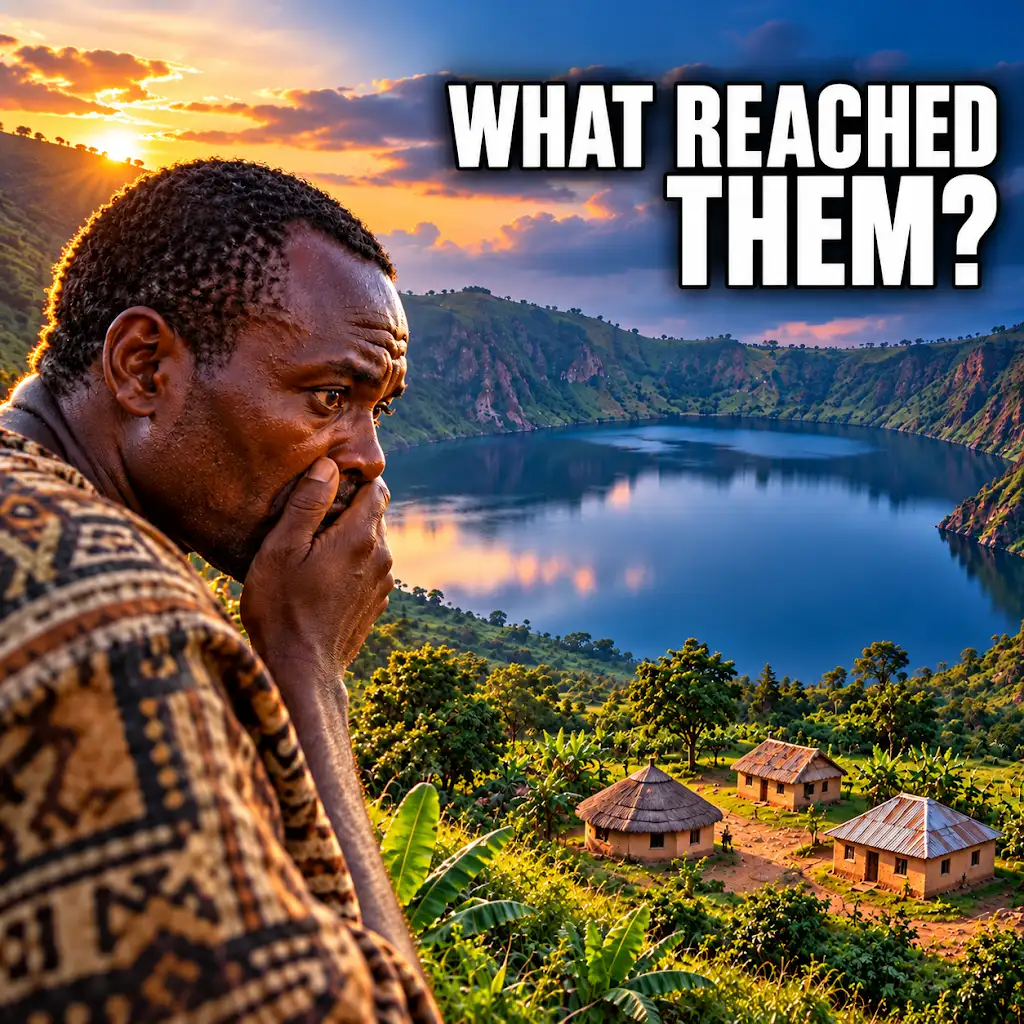
The Lake That Killed 1,700 People While Their Homes Stood Still.
FAQs
What is the story of Halima Suley and Lake Nyos?
The story of Halima Suley and Lake Nyos revolves around the tragic event that occurred on August 21, 1986, when a limnic eruption at Lake Nyos in Cameroon released a large amount of carbon dioxide, causing the deaths of over 1,700 people in nearby villages.
Who is Halima Suley?
Halima Suley was a survivor of the Lake Nyos disaster. She lost her entire family in the tragedy and became known for sharing her story to raise awareness about the dangers of limnic eruptions and the importance of early warning systems.
What is a limnic eruption?
A limnic eruption, also known as a lake overturn, occurs when a large amount of dissolved carbon dioxide is suddenly released from deep lake waters, leading to the formation of a gas cloud that can be deadly to nearby communities and wildlife.
How did the Lake Nyos disaster impact the surrounding area?
The Lake Nyos disaster had devastating effects on the surrounding area, with over 1,700 people losing their lives due to the carbon dioxide gas cloud. The event also led to the displacement of many survivors and caused long-term psychological trauma in the affected communities.
What measures have been taken to prevent similar disasters in the future?
Since the Lake Nyos disaster, measures such as degassing systems have been implemented in some lakes to prevent the buildup of carbon dioxide. Additionally, early warning systems have been put in place to alert communities in case of a potential limnic eruption, helping to mitigate the risk of similar tragedies.