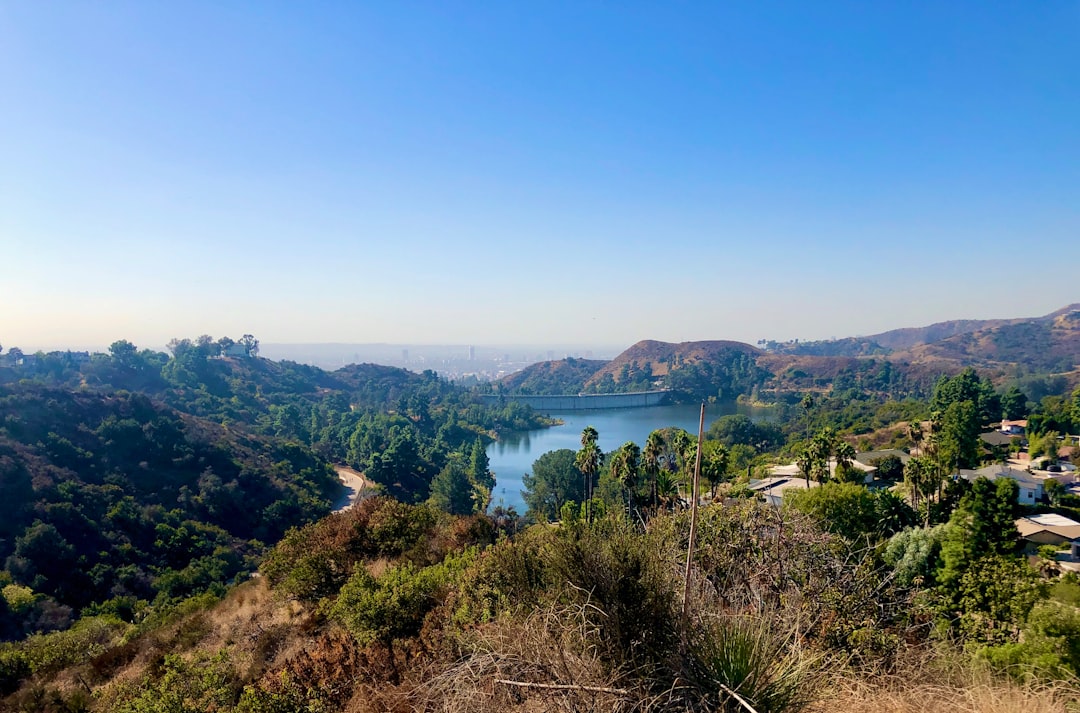
The sun beat down relentlessly on the parched earth, a familiar and increasingly stark reality for Californians. The golden state, renowned for its verdant landscapes and agricultural bounty, is locked in a perpetual struggle with its most precious resource: water. The California water crisis is not a singular event, but a complex and multifaceted challenge born from a confluence of natural climatic patterns, human demand, and intricate infrastructure. Understanding this scarcity is paramount to navigating the future of a state that feeds a nation and sustains a vibrant economy.
California’s relationship with water has always been one of negotiation. The state’s climate is inherently characterized by wet winters and dry summers, a natural cycle that has historically been managed through a combination of natural storage in snowpack and sophisticated human-engineered systems. However, this delicate balance is increasingly being disrupted, pushing the state towards an unsustainable deficit.
The Role of Sierra Nevada Snowpack
The Sierra Nevada mountain range acts as a colossal natural reservoir for California. Each winter, snow accumulates, forming a vast white blanket that slowly melts throughout the spring and summer, providing a crucial and predictable source of freshwater. This snowmelt is the lifeblood for much of the state, replenishing rivers, lakes, and groundwater basins that supply agriculture, urban populations, and delicate ecosystems.
Declining Snowfall and Earlier Melt
For decades, scientists have observed a concerning trend: a decrease in snowfall and an earlier, faster melt. Warmer temperatures, a direct consequence of climate change, mean that precipitation is more likely to fall as rain rather than snow, and the snow that does fall melts sooner in the year. This reduces the amount of water available during the crucial dry summer months when demand is at its peak. The natural reservoir is shrinking, and its release is becoming less synchronized with the state’s needs.
Impacts on Water Storage
The dwindling snowpack directly impacts the state’s ability to store water. Natural reservoirs like Lake Tahoe are replenished by snowmelt, and the reduced inflow means less water is available for downstream use. Furthermore, the timing of the melt means that much of the water rushes downstream too quickly, overwhelming reservoir capacity and leading to significant losses that cannot be captured for later use. This creates a paradoxical situation where the state experiences both floods and droughts within relatively short periods, highlighting the unpredictable nature of the new climate reality.
The El Niño-Southern Oscillation (ENSO) and its Fluctuations
Beyond the general warming trend, California’s climate is also influenced by the El Niño-Southern Oscillation (ENSO), a natural climate pattern involving fluctuations in sea surface temperatures in the tropical Pacific Ocean. ENSO has two phases: El Niño and La Niña, each with distinct impacts on California’s weather.
El Niño: A Blessing and a Curse
Historically, El Niño events have often brought much-needed rain and snow to California, offering a temporary reprieve from drought. However, even these beneficial events are becoming less reliable and more extreme. Some El Niño years have brought torrential downpours that overwhelm the landscape, leading to devastating floods and mudslides, while others have delivered less than expected precipitation, leaving the state still thirsty. This unpredictability makes long-term water planning exceptionally challenging.
La Niña: The Intensifier of Dry Spells
Conversely, La Niña conditions typically bring drier weather to California. When coupled with a warming climate, these La Niña years can exacerbate drought conditions, pushing the state into prolonged periods of severe water scarcity. The interplay between ENSO fluctuations and the broader warming trend creates a volatile environment where drought conditions can become more severe and prolonged.
California’s ongoing water scarcity crisis has prompted numerous discussions and analyses, shedding light on the complexities of water management in the state. For a deeper understanding of the factors contributing to this issue, you can explore a related article that delves into the historical context and future implications of water scarcity in California. This informative piece can be found at My Geo Quest, where it provides valuable insights into the challenges and potential solutions facing the region.
The Thirst of a Growing Population and Economy
While nature dictates the supply of water, human activity profoundly influences its demand. California, the most populous state in the United States, is also an economic powerhouse, and both population growth and economic activity place immense pressure on its finite water resources.
Urban Demand: A Thirst That Never Quenches
California’s urban centers are magnets for people and businesses, and this growth translates into ever-increasing demands for water. From drinking water and sanitation to landscaping and industrial processes, every aspect of urban life relies on a steady supply of fresh water.
Population Growth and Urban Sprawl
The state’s population has grown exponentially over the past century, and this trend shows no sign of abating. As cities expand, so does the footprint of water demand. Urban sprawl often means more homes, more businesses, and more infrastructure, all of which require water. This relentless expansion strains existing water systems and necessitates the exploration of new, often more costly and environmentally impactful, water sources.
Lifestyle and Consumption Patterns
Beyond sheer numbers, urban lifestyles contribute significantly to water consumption. Landscaping, particularly the watering of large lawns and gardens, is a major contributor to residential water use. Shower lengths, appliance efficiency, and personal habits all play a role. While awareness of water conservation is growing, the sheer scale of the urban population means that even small individual savings can accumulate to make a significant difference.
Agricultural Demand: The Breadbasket’s Thirst
California’s agricultural sector is a cornerstone of the state’s economy and a vital contributor to the nation’s food supply. However, it is also the single largest consumer of developed water resources. The immense scale of irrigation required to grow a diverse array of crops in an arid climate presents a significant challenge.
The Importance of California Agriculture
From almonds and grapes to lettuce and tomatoes, California produces an astounding variety of fruits, vegetables, and nuts. The state is a national leader in the production of numerous crops, and its agricultural output is critical for food security and economic stability. This agricultural prowess, however, comes at a substantial water cost.
Irrigation’s Heavy Footprint
The vast majority of water used in California is for irrigation. While farmers employ various water-saving techniques, the sheer volume of land under cultivation, coupled with the often water-intensive nature of certain crops, means that agriculture will always be a major water user. During droughts, the allocation of water between urban and agricultural users often becomes a contentious issue, highlighting the competing needs for this scarce resource.
Crop Choices and Water Intensity
The types of crops grown in California also influence water demand. Some crops, like almonds, are known for their high water requirements, especially during their growth cycle. While these crops can be economically lucrative, their water intensity comes under increased scrutiny during periods of scarcity. The debate over incentivizing or mandating shifts to less water-intensive crops is a recurring theme in water management discussions.
The Invisible Crisis: Groundwater Depletion
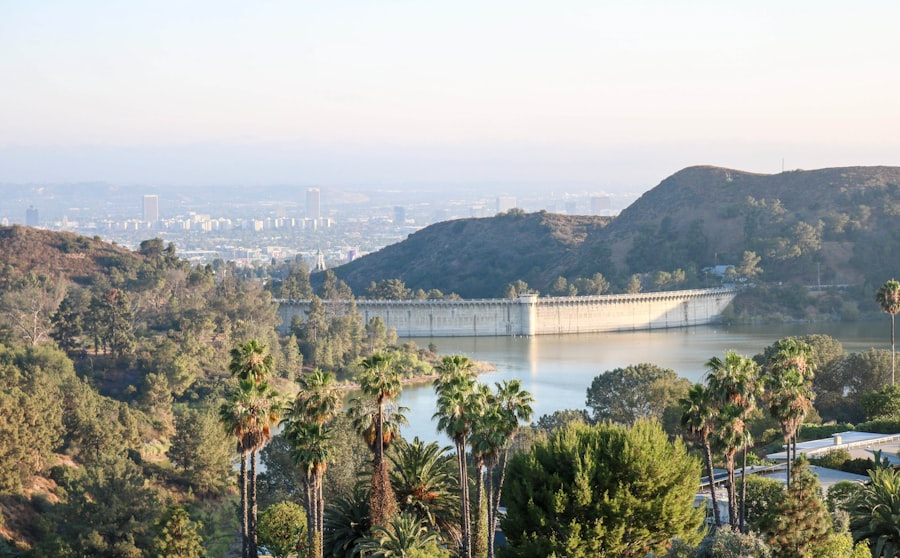
While surface water – rivers, lakes, and reservoirs – captures much of the public’s attention, the silent and often irreversible crisis of groundwater depletion is a critical component of California’s water scarcity. For decades, Californians have pumped groundwater at rates far exceeding its natural replenishment, leading to a cascade of environmental and societal consequences.
The Over-Reliance on Groundwater
When surface water supplies dwindle, particularly during droughts, communities and agricultural operations turn to groundwater as a reliable fallback. This reliance has become increasingly entrenched over time, leading to unsustainable pumping practices.
A Necessary Supplement During Droughts
Groundwater has historically served as a crucial buffer during dry periods, providing water when rivers run low and reservoirs are depleted. This “insurance policy” has allowed California to maintain its agricultural output and urban lifestyles even during prolonged droughts. However, this reliance has come at a significant cost.
The Long-Term Consequences of Over-Pumping
The relentless extraction of groundwater has led to several alarming consequences. In many areas, the water table has dropped dramatically, making it more expensive and energy-intensive to pump water from deeper wells. In coastal areas, over-pumping can lead to saltwater intrusion, contaminating freshwater aquifers with seawater.
Land Subsidence: The Ground Sinks Beneath Our Feet
One of the most visually striking and damaging consequences of groundwater depletion is land subsidence. As water is pumped out from beneath the ground, the soil and rock layers compact, causing the land surface to sink. This sinking can have devastating effects on infrastructure.
Damaging Infrastructure
Subsidence can cause roads, bridges, canals, buildings, and pipelines to buckle, crack, and collapse. This can lead to costly repairs, disruptions to transportation and utility services, and even necessitate the abandonment of homes and businesses in severely affected areas. The San Joaquin Valley, a major agricultural region, has experienced some of the most severe subsidence in the United States.
Altering the Landscape
The sinking of land can also permanently alter the landscape, impacting drainage patterns and making areas more susceptible to flooding. In some cases, subsidence can be irreversible, leaving behind a permanently altered and damaged environment.
Impacts on Ecosystems and Water Quality
Groundwater is not just a source of human water supply; it is also a vital component of many ecosystems. The depletion of groundwater can have profound impacts on rivers, wetlands, and the species that depend on them.
Affecting Surface Water Flows
Groundwater and surface water are often interconnected. When groundwater levels drop, it can reduce the flow of water into rivers and streams, impacting aquatic habitats and the health of riparian ecosystems. This can lead to the loss of valuable biodiversity.
Salinity and Contamination Issues
As mentioned, saltwater intrusion is a major concern in coastal aquifers. However, even in inland areas, the depletion of freshwater aquifers can concentrate naturally occurring minerals and contaminants, leading to poorer water quality and increasing the cost of treatment for human consumption.
The Imperative for Innovation: Solutions and Strategies
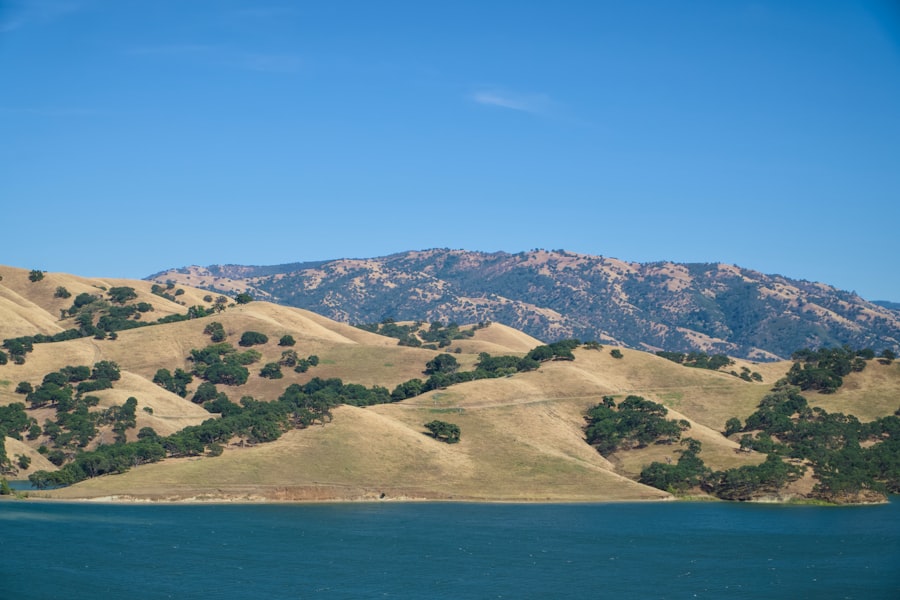
The California water crisis demands a multi-pronged approach, integrating traditional water management with innovative solutions and policy changes. Simply relying on the same strategies that have been employed for decades is no longer sufficient.
Investing in Infrastructure and Technology
Modernizing and expanding water infrastructure is crucial, but it must be coupled with investments in cutting-edge technologies that can optimize water use and develop new sources.
Water Recycling and Reuse
Treating wastewater to a high standard for reuse in irrigation, industrial processes, and even for potable purposes is a promising avenue. Technologies for advanced water purification are constantly improving, making recycled water a more viable and sustainable option for augmenting supply. This approach reduces the strain on freshwater sources and can provide a consistent supply regardless of weather conditions.
Desalination: A Potential, But Costly, Solution
Desalination, the process of removing salt from seawater, offers another potential source of freshwater, particularly for coastal communities. However, desalination plants are energy-intensive and can be costly to build and operate, raising concerns about economic viability and environmental impacts. Ongoing research aims to reduce these costs and environmental footprints.
Rethinking Water Management Policies
Effective water management requires not only technological solutions but also robust policies that incentivize conservation, promote efficient use, and ensure equitable distribution.
Water Pricing and Incentives
Implementing water pricing structures that reflect the true cost of water and incentivize conservation can be a powerful tool. Tiered pricing, where the cost per unit of water increases with higher consumption, can encourage residents and businesses to reduce their usage. Rebates and incentives for water-efficient appliances and landscaping also play a vital role.
Water Rights and Allocations
California’s complex system of water rights, often referred to as the “law of the river,” is a legacy of historical development. Reforming these policies to better reflect current conditions, environmental needs, and drought resilience is a significant challenge. Ensuring equitable access to water while also protecting instream flows for ecosystems is a delicate balancing act.
Promoting Conservation and Efficiency
Ultimately, the most sustainable approach to water scarcity involves reducing demand. This requires a cultural shift towards valuing water and adopting conservation practices at all levels.
Public Awareness and Education Campaigns
Educating the public about the severity of the water crisis and the importance of conservation is paramount. Comprehensive awareness campaigns can foster a sense of shared responsibility and empower individuals to make informed choices about their water usage.
Smart Technologies and Behavior Change
The adoption of smart water meters, which provide real-time data on water consumption, can help individuals identify leaks and track their usage. Encouraging behavioral changes, such as taking shorter showers, watering lawns only when necessary, and fixing leaks promptly, can lead to significant water savings.
California’s ongoing struggle with water scarcity has been a pressing issue, impacting agriculture, urban areas, and the environment alike. For a deeper understanding of the factors contributing to this crisis, you can explore a related article that delves into the complexities of water management in the state. This insightful piece highlights the challenges posed by climate change and population growth, making it essential reading for anyone interested in the future of California’s water resources. To learn more, check out this informative article on water scarcity in California at mygeoquest.com.
The Future of Water in California: A Call for Resilience
| Metrics | Data |
|---|---|
| Total Water Withdrawals | 38 billion gallons per day |
| Population Affected | Over 40 million people |
| Groundwater Depletion | 1-2 million acre-feet per year |
| Water Stress Level | Extremely high |
The California water crisis is not a problem with a simple fix. It is a dynamic and evolving challenge that demands ongoing adaptation, innovation, and collaboration. The state must embrace a future where water is managed with greater foresight, efficiency, and respect for its natural limits.
Building Resilience in the Face of Climate Change
As climate change continues to alter precipitation patterns and increase temperatures, California’s water systems must become more resilient. This means diversifying water sources, investing in infrastructure that can withstand extreme weather events, and developing flexible management strategies.
Diversifying Water Sources
Reducing reliance on a single source, such as the Sierra Nevada snowpack, is crucial. This includes expanding water recycling, exploring sustainable groundwater management, and, where feasible and environmentally sound, considering options like desalination.
Adapting Infrastructure to Extreme Weather
Water infrastructure must be designed and maintained to handle both extreme droughts and intense floods. This may involve building new reservoirs, upgrading existing ones, and implementing strategies to manage stormwater more effectively.
The Importance of Collaboration and Integrated Management
Addressing the California water crisis requires a united front. Local, state, and federal agencies, as well as agricultural, industrial, and environmental stakeholders, must work together to develop and implement comprehensive water management plans.
Inter-agency Cooperation
Effective water management transcends jurisdictional boundaries. Improved coordination and data sharing among different water agencies are essential for making informed decisions and implementing cohesive strategies.
Stakeholder Engagement
Engaging all stakeholders in the water management process ensures that diverse perspectives are considered and that solutions are practical and equitable. This includes involving farmers, urban water districts, environmental groups, and community representatives.
A Commitment to Sustainable Water Futures
The California water crisis serves as a stark reminder of the interconnectedness between human society and the natural environment. By understanding the complexities of water scarcity, embracing innovation, and fostering a collective commitment to conservation and sustainable practices, California can build a more water-secure future for generations to come. The path forward requires a fundamental shift in how water is perceived and managed – not as an endless commodity, but as a precious and finite resource that underpins the very existence of the Golden State.

Wall Street Is Betting on the Water America Depends On
FAQs
What is the current water scarcity situation in California?
California is currently experiencing a severe water scarcity situation due to a combination of factors including drought, overuse of water resources, and climate change. This has led to depleted reservoirs, reduced snowpack, and increased competition for limited water supplies.
How does water scarcity impact California’s agriculture?
Water scarcity has a significant impact on California’s agriculture, which is a major contributor to the state’s economy. Farmers are facing challenges in irrigating their crops, leading to reduced yields and increased costs. This can ultimately result in higher food prices for consumers.
What measures are being taken to address water scarcity in California?
To address water scarcity, California has implemented various measures including water conservation programs, groundwater management regulations, and investments in water recycling and desalination projects. Additionally, the state has imposed restrictions on water usage and implemented drought response plans.
How does water scarcity affect California’s ecosystems and wildlife?
Water scarcity has a detrimental impact on California’s ecosystems and wildlife. Reduced water availability can lead to habitat loss, diminished water quality, and increased competition for resources among different species. This can result in declines in biodiversity and disruptions to the natural balance of ecosystems.
What can individuals do to help alleviate water scarcity in California?
Individuals can contribute to alleviating water scarcity in California by practicing water conservation in their daily lives. This can include reducing water usage, fixing leaks, using water-efficient appliances, and landscaping with drought-resistant plants. Additionally, supporting policies and initiatives aimed at sustainable water management can help address the issue at a larger scale.