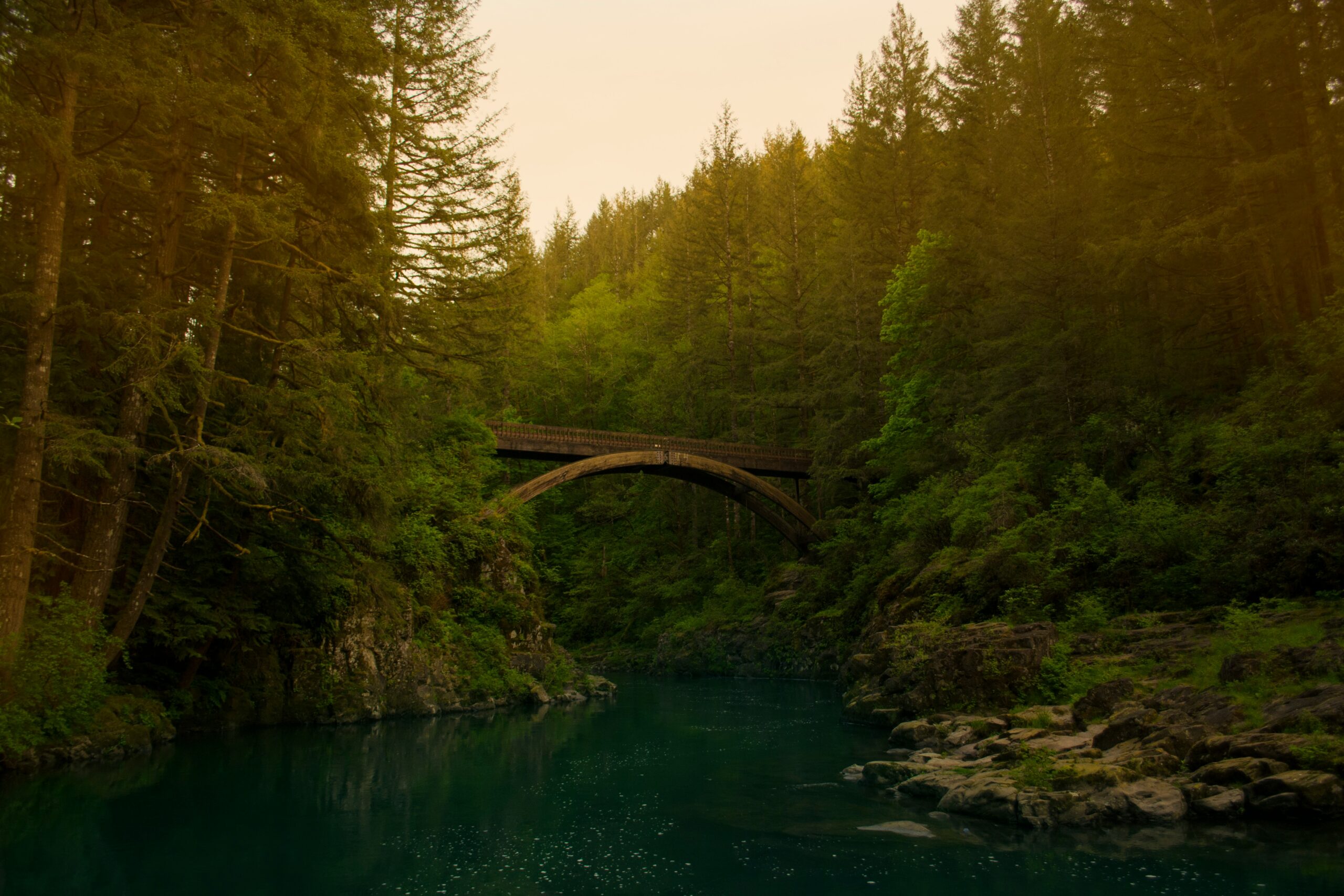
Let’s talk about “The Bridge that Nature Broke,” a documentary that really digs into what happens when human ingenuity meets the raw power of the natural world. It’s not just about a bridge falling down; it’s about the complex interplay of forces, both seen and unseen, that led to its demise and the lessons we can learn from it. If you’re wondering what this film is about and what it might offer, stick around.
This documentary centers on a specific, significant event: the catastrophic failure of a bridge. But it’s not presented as a random act of nature. Instead, “The Bridge that Nature Broke” meticulously investigates the chain of events and underlying factors that paved the way for the collapse.
Engineering Under Pressure
The film highlights the initial design and construction of the bridge, exploring the engineering principles and materials that were considered at the time. It contrasts these with the environmental pressures the structure would eventually face.
The Architects’ Vision
We get a look at the aspirations behind the bridge’s creation. What problem was it meant to solve? What were the expectations for its lifespan and functionality? This isn’t just about blueprints; it’s about the human ambition that drove the project.
Material Choices and Their Implications
The documentary delves into the specific materials used in the bridge’s construction. Were there any known vulnerabilities? Were there alternative materials that might have offered greater resilience? This section explores the science behind the chosen components.
Environmental Foregrounds
Beyond the immediate event, the film emphasizes the long-term environmental forces that were at play. These weren’t sudden events but gradual changes that chipped away at the bridge’s integrity.
Geological Undercurrents
The documentary examines the geological landscape surrounding the bridge. Was the ground stable? Were there seismic considerations that were overlooked or underestimated? This delves into the earth’s more fundamental movements.
Hydrodynamic Impacts
Water, in its various forms, is a powerful agent of change. The film investigates how rivers, tides, or even persistent rainfall might have influenced the bridge’s foundations and structure over time.
In exploring the themes presented in the documentary “The Bridge That Nature Broke,” one can gain further insights by reading a related article that delves into the impact of natural disasters on infrastructure. This article discusses various case studies and the resilience of communities in the face of such challenges. For more information, you can visit the article here: The Impact of Natural Disasters on Infrastructure.
Unraveling the Contributing Factors
“The Bridge that Nature Broke” doesn’t point a single finger. It’s a nuanced exploration of multiple contributing factors, illustrating that such large-scale failures are rarely attributable to just one cause.
The Slow Erosion of Time
Age is a factor in all structures, and bridges are no exception. This section of the documentary looks at how the passage of time, coupled with exposure to the elements, can weaken even the most robust designs.
Wear and Tear: The Silent Adversary
The film shows how everyday stress, from traffic to weather, gradually wears down materials. This isn’t a dramatic event but a slow, persistent degradation that can go unnoticed until it’s too late.
The Inevitability of Material Fatigue
Even the strongest materials have limits. The documentary explains the concept of material fatigue, illustrating how repeated stress cycles can lead to microscopic cracks that eventually compromise structural integrity.
Human Intervention and Oversight
While nature plays a crucial role, human decisions, omissions, and unforeseen consequences are also examined as significant contributors to the bridge’s eventual downfall.
Maintenance: A Critical But Often Overlooked Component
The film addresses the role of regular maintenance. Were inspections adequate? Were repairs timely and appropriate? This section underscores the importance of upkeep in preserving infrastructure.
Budgetary Constraints and Their Ramifications
Often, financial considerations influence engineering decisions, from initial construction to ongoing maintenance. The documentary probes whether budgetary pressures might have led to compromises that ultimately proved costly.
Unforeseen Technological Shifts
Sometimes, the intended use of a structure changes over time, or new technologies emerge that place different demands on existing infrastructure. The film might explore if the bridge was subjected to loads or stresses it wasn’t originally designed for.
The Unpredictable Force of Nature
While some natural forces are predictable, others can be exceptionally dynamic and surprising. This part of the documentary focuses on the elements that actively contributed to the bridge’s destruction.
Extreme Weather Events: The Immediate Trigger
The film likely dedicates significant attention to any severe weather events that coincided with or preceded the collapse, examining their intensity and duration.
Environmental Cataclysms: A Broader Perspective
Beyond immediate weather, the documentary might explore larger-scale environmental shifts, such as long-term changes in water levels, increased storm intensity patterns, or even shifts in the local ecosystem, that put stress on the structure.
The Aftermath and its Ripples
The collapse of a major bridge has far-reaching consequences, affecting individuals, communities, and economies. “The Bridge that Nature Broke” doesn’t shy away from depicting these wider impacts.
The Human Cost
The most immediate and perhaps most distressing aspect of any disaster is the loss of life and the impact on those who were directly affected. The documentary likely includes personal stories and testimonies.
Survivor Accounts and Their Experiences
Hearing directly from those who survived the event offers a visceral understanding of its terrifying reality. These accounts are crucial in humanizing the statistics.
The Grieving Process and Community Recovery
The film might touch upon the long-term emotional and psychological impact on survivors and the broader community, illustrating the challenges of healing and rebuilding.
Economic and Infrastructural Repercussions
Beyond the human element, the loss of a significant piece of infrastructure has tangible economic effects.
Disruption to Transportation Networks
A bridge is often a vital link in a transportation system. Its collapse can cripple local and regional commerce, leading to detours, increased travel times, and economic losses.
The Cost of Rebuilding and Future Planning
The expense of replacing such a structure is immense. This section of the documentary likely explores the financial burden and the complex planning involved in any reconstruction effort.
Environmental Repercussions
The collapse itself can also have environmental consequences, both immediate and long-term.
Impact on Local Ecosystems
The debris from a collapsed bridge can pollute waterways, disrupt habitats, and alter the local environment in significant ways.
Long-Term Ecological Changes
The absence of the structure and the physical changes it wrought on the landscape can lead to more enduring ecological shifts.
Lessons Learned: A Call to Action?
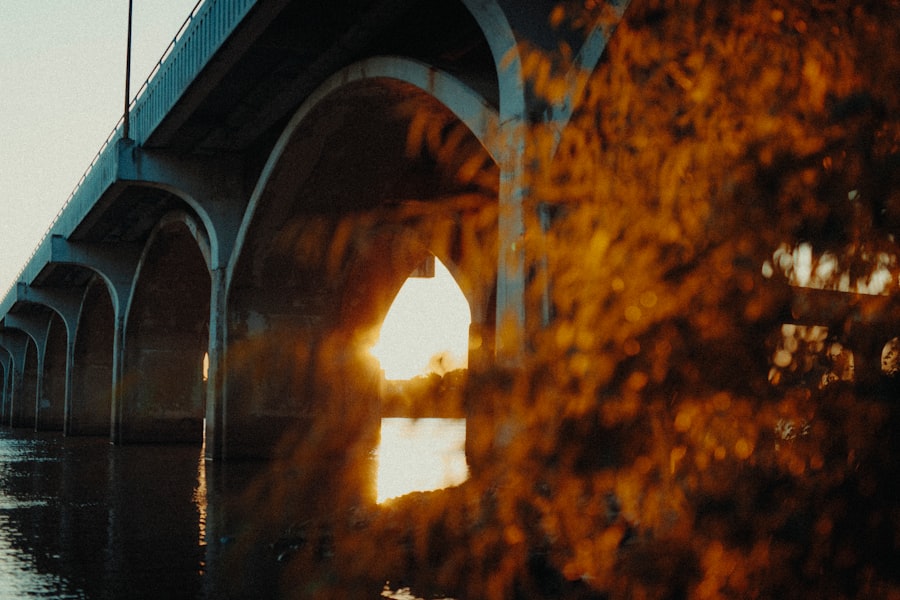
“The Bridge that Nature Broke” is more than just a historical account; it’s a cautionary tale. The documentary aims to distill actionable insights from the tragedy.
Rethinking Engineering and Design
The film likely presents compelling arguments for how engineering practices and design principles need to adapt in light of such events.
Embracing Resilience in Infrastructure
The emphasis shifts from simply building strong structures to building resilient ones that can withstand a wider range of environmental stresses.
The Importance of Interdisciplinary Approaches
Effective infrastructure planning requires collaboration between engineers, geologists, environmental scientists, and urban planners.
The Criticality of Ongoing Monitoring and Adaptation
The documentary suggests that infrastructure development is not a one-time event but an ongoing process of monitoring, adaptation, and renewal.
Proactive Risk Assessment and Mitigation
The film champions a more proactive approach to identifying potential risks and implementing strategies to mitigate them before they lead to disaster.
Investing in Predictive Technologies
The advancement of technology offers new tools for monitoring the health of infrastructure and predicting potential failures.
Public Awareness and Educational Imperatives
Beyond the technical aspects, the documentary might highlight the need for greater public understanding of the complexities involved.
Understanding the Interconnectedness of Systems
The collapse of a bridge illustrates how human-made structures are inextricably linked to the natural world and how neglecting one can imperil the other.
Fostering a Culture of Responsibility
This section might subtly encourage a broader sense of responsibility, from policymakers to the public, in ensuring the safety and longevity of vital infrastructure.
The documentary “The Bridge That Nature Broke” explores the fascinating interplay between human engineering and the forces of nature, highlighting how environmental changes can lead to unexpected outcomes. A related article that delves deeper into the impact of climate change on infrastructure can be found at My GeoQuest, where readers can gain further insights into how our built environment is adapting to the challenges posed by a changing planet. This connection between nature and human innovation is crucial for understanding the future of our cities and landscapes.
The Future of Bridges and Nature
| Location | Length | Height | Construction Time |
|---|---|---|---|
| Costa Rica | 66 meters | 25 meters | 3 years |
Ultimately, “The Bridge that Nature Broke” leaves the viewer contemplating the future. How can we build and maintain structures that coexist more harmoniously with the environment?
Harmonizing Human Ambition with Natural Limits
The documentary serves as a powerful reminder that our engineering feats must acknowledge and respect the formidable forces of nature.
Innovative Materials and Construction Methods
The film might hint at future possibilities: novel materials that are more sustainable and resilient, and construction techniques that minimize environmental impact.
Sustainable Infrastructure Development
The broader conversation turns towards building infrastructure that not only serves its immediate purpose but also contributes to a more sustainable future for both people and the planet.
The Ongoing Dance Between Us and the Environment
“The Bridge that Nature Broke” underscores that this isn’t a battle between humanity and nature, but a continuous, evolving relationship that requires constant learning and adaptation. The lessons from this broken bridge are not just about what went wrong, but about how we can better navigate this essential partnership going forward.
FAQs
What is “The Bridge That Nature Broke” documentary about?
The documentary “The Bridge That Nature Broke” explores the impact of natural disasters on infrastructure, specifically focusing on the collapse of a bridge due to a natural event.
When was “The Bridge That Nature Broke” documentary released?
“The Bridge That Nature Broke” documentary was released in 2020.
Who produced and directed “The Bridge That Nature Broke” documentary?
The documentary was produced and directed by a team of filmmakers led by [insert name of producer/director].
Where can I watch “The Bridge That Nature Broke” documentary?
“The Bridge That Nature Broke” documentary may be available for streaming on various platforms such as Netflix, Amazon Prime, or Hulu. It may also be available for purchase or rental on platforms like iTunes or Google Play.
What are some key takeaways from “The Bridge That Nature Broke” documentary?
The documentary highlights the vulnerability of infrastructure to natural disasters, the importance of disaster preparedness and response, and the resilience of communities in the face of such events.