
The bridge problem in the United States has emerged as a pressing issue that affects millions of lives daily. Bridges serve as vital arteries in the nation’s transportation network, facilitating the movement of people and goods across rivers, valleys, and urban landscapes. However, many of these structures are aging and in dire need of repair or replacement.
The implications of neglecting this critical infrastructure extend beyond mere inconvenience; they pose significant risks to public safety and economic stability. As the nation grapples with the realities of its deteriorating bridges, it becomes increasingly clear that a comprehensive understanding of the problem is essential for fostering effective solutions. The urgency of addressing the bridge problem is underscored by alarming statistics.
According to the American Society of Civil Engineers (ASCE), nearly 40% of the nation’s bridges are over 50 years old, and a significant portion of these structures are classified as structurally deficient or functionally obsolete. This situation not only highlights the need for immediate action but also raises questions about the long-term sustainability of the nation’s infrastructure. As communities continue to grow and evolve, the demand for safe and reliable transportation networks becomes ever more critical, making it imperative to confront the challenges posed by aging bridges head-on.
Key Takeaways
- The bridge problem in the US is a critical issue that affects infrastructure, communities, and the economy.
- The history of US infrastructure reveals a pattern of neglect and underinvestment in bridge maintenance and repair.
- The state of US bridges is concerning, with a significant number of bridges in need of repair or replacement.
- The impact on communities is significant, as deteriorating bridges can disrupt transportation and access to essential services.
- The economic consequences of failing bridges are substantial, affecting productivity, transportation costs, and overall economic growth.
History of US Infrastructure
The history of infrastructure in the United States is a tale of ambition, innovation, and gradual decline. From the early days of the nation, when wooden bridges were constructed to connect burgeoning towns, to the grand steel structures of the 20th century, American infrastructure has always been a reflection of societal progress. The construction of iconic bridges like the Golden Gate and Brooklyn Bridge symbolized not only engineering prowess but also the spirit of connectivity that defined an era.
However, as time marched on, maintenance and investment in these critical structures began to lag behind. The post-World War II era marked a significant turning point in U.S. infrastructure development.
The Federal-Aid Highway Act of 1956 catalyzed an unprecedented expansion of the nation’s roadways and bridges, facilitating economic growth and suburbanization. Yet, as new projects were prioritized, many existing bridges were left without adequate funding for upkeep. Over the decades, this neglect has compounded, leading to a growing backlog of repairs and replacements that now threatens public safety and economic vitality.
The historical context of U.S. infrastructure reveals a pattern of initial investment followed by a troubling trend of deferred maintenance that has culminated in the current bridge crisis.
The State of US Bridges

The current state of U.S. bridges is a cause for concern among engineers, policymakers, and citizens alike. A significant number of bridges across the country are classified as structurally deficient, meaning they require immediate attention to ensure their safety and functionality.
According to recent assessments, approximately 7% of all bridges in the United States fall into this category, with many others facing issues related to age and design inadequacies. This situation is particularly alarming given that these structures are integral to daily commutes, emergency services, and freight transportation. Moreover, the disparity in bridge conditions varies widely across different regions.
Urban areas often contend with higher traffic volumes and greater wear on their infrastructure, while rural communities may struggle with limited resources for maintenance and repair. This uneven distribution exacerbates existing inequalities, as some areas face more significant risks due to their reliance on aging bridges. The state of U.S.
bridges is not merely a technical issue; it reflects broader societal challenges related to equity, access, and investment in public goods.
The Impact on Communities
| Community | Impact |
|---|---|
| Employment | Job creation, income generation |
| Education | Access to learning opportunities, skill development |
| Healthcare | Improved access to medical services, better health outcomes |
| Infrastructure | Improved transportation, communication, and utilities |
| Environment | Conservation, sustainable practices |
The impact of deteriorating bridges on communities is profound and multifaceted. For many residents, daily life is directly affected by the condition of local bridges. Long detours due to closures or weight restrictions can lead to increased travel times, affecting everything from school commutes to emergency response times.
In some cases, entire neighborhoods may become isolated if key crossings are deemed unsafe or impassable. This isolation can hinder economic opportunities and diminish quality of life for residents who rely on these connections for work, education, and social interaction. Furthermore, the psychological toll on communities cannot be overlooked.
The knowledge that one’s daily routes are fraught with risk can create anxiety among residents, particularly parents concerned about their children’s safety. In areas where bridge failures have occurred, the aftermath can be devastating—both emotionally and economically—as communities grapple with loss and disruption. The impact on communities extends beyond immediate inconveniences; it shapes perceptions of safety and trust in public institutions tasked with maintaining infrastructure.
Economic Consequences
The economic consequences of neglecting bridge infrastructure are significant and far-reaching. Bridges play a crucial role in facilitating commerce by enabling the efficient movement of goods across regions. When bridges are closed for repairs or deemed unsafe for heavy loads, businesses face delays that can lead to increased costs and lost revenue.
This disruption can ripple through supply chains, affecting not only local economies but also national markets that depend on timely deliveries. Moreover, the economic burden extends to taxpayers who ultimately bear the costs associated with bridge failures and repairs. Increased insurance premiums, emergency response expenses, and potential litigation can strain public resources.
Additionally, communities with deteriorating infrastructure may struggle to attract new businesses or retain existing ones, leading to stagnation or decline in local economies. The economic consequences of failing to address bridge issues underscore the urgent need for investment in infrastructure as a means of fostering growth and stability.
Environmental Concerns
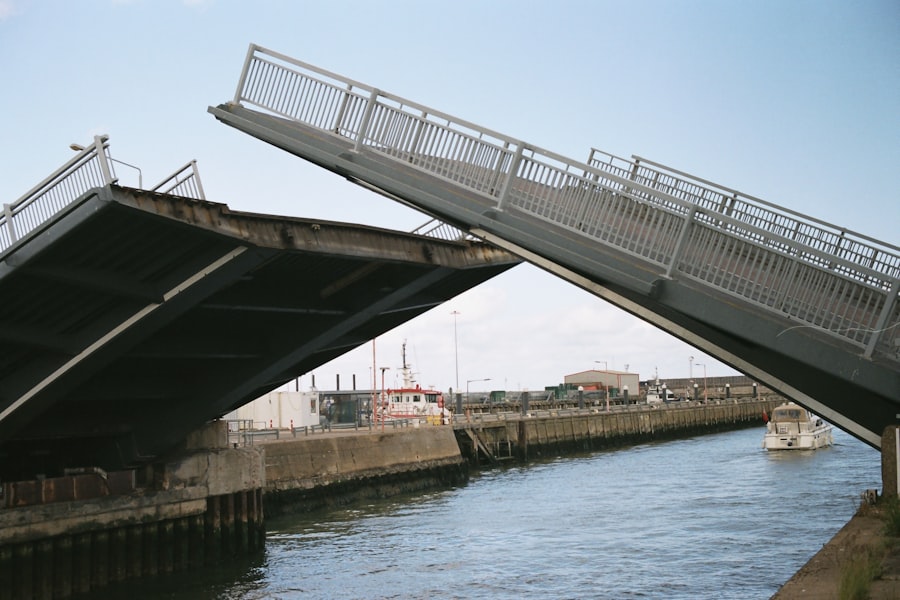
Environmental concerns related to bridge infrastructure are often overlooked but are increasingly relevant in discussions about sustainability and public health. Aging bridges can contribute to environmental degradation through runoff that pollutes nearby waterways or through structural failures that release debris into natural habitats. Furthermore, inefficient transportation networks resulting from inadequate bridge conditions can lead to increased vehicle emissions as drivers navigate longer routes or experience delays.
The construction and repair of bridges also present environmental challenges that must be addressed thoughtfully. The materials used in bridge construction can have significant ecological footprints, while construction activities can disrupt local ecosystems if not managed properly.
This includes considering alternative materials, implementing erosion control measures, and ensuring that projects align with broader sustainability goals.
Government Response
In response to the growing bridge crisis, government entities at various levels have begun to take action. Federal initiatives such as the Infrastructure Investment and Jobs Act aim to allocate substantial funding for repairing and replacing aging infrastructure across the country. This legislation represents a recognition of the urgent need for investment in public goods that support economic growth and community well-being.
However, challenges remain in translating funding into effective action on the ground. Bureaucratic hurdles, competing priorities, and local governance issues can impede progress in addressing bridge deficiencies. Moreover, there is often a lack of coordination between federal, state, and local agencies responsible for infrastructure maintenance.
To maximize the impact of government responses, it is crucial for stakeholders to collaborate effectively and prioritize transparency in decision-making processes.
Proposed Solutions
Proposed solutions to the bridge problem encompass a range of strategies aimed at improving safety and sustainability while addressing funding challenges. One approach involves prioritizing preventive maintenance over reactive repairs; investing in regular inspections and upkeep can extend the lifespan of existing structures and reduce long-term costs. Additionally, leveraging technology such as sensors and data analytics can enhance monitoring efforts, allowing for timely interventions before issues escalate.
Another promising solution lies in fostering public-private partnerships (PPPs) that can mobilize additional resources for infrastructure projects. By engaging private entities in financing and managing bridge repairs or replacements, governments can alleviate some financial burdens while benefiting from innovative approaches to project delivery. Furthermore, community engagement is essential; involving local residents in discussions about infrastructure needs can ensure that solutions align with community priorities and foster a sense of ownership over public assets.
Public Safety
Public safety remains at the forefront of discussions surrounding bridge infrastructure. The potential consequences of bridge failures are dire; catastrophic incidents can result in loss of life and significant property damage. Ensuring that bridges meet safety standards is paramount not only for protecting individuals but also for maintaining public trust in government institutions responsible for infrastructure management.
To enhance public safety, it is essential to adopt a proactive approach to inspections and maintenance schedules. Regular assessments can identify vulnerabilities before they lead to structural failures, allowing for timely repairs that mitigate risks. Additionally, educating the public about safe practices when using bridges—such as adhering to weight limits—can further contribute to overall safety efforts.
Future Outlook
The future outlook for U.
bridges hinges on collective action from government entities, private stakeholders, and communities alike. As awareness grows regarding the importance of infrastructure investment, there is potential for meaningful change on both local and national levels.
However, this requires sustained commitment from policymakers to prioritize funding for repairs and replacements while fostering innovative solutions that address both current needs and future challenges. Moreover, as technology continues to evolve, there are opportunities to integrate smart infrastructure solutions into bridge design and maintenance practices. Innovations such as self-healing materials or advanced monitoring systems could revolutionize how bridges are constructed and maintained, enhancing their resilience against environmental stresses and reducing long-term costs.
Conclusion and Call to Action
In conclusion, the bridge problem in the United States represents a complex challenge that demands urgent attention from all sectors of society. The implications extend far beyond mere inconvenience; they touch upon public safety, economic vitality, environmental sustainability, and community well-being. As stakeholders grapple with these issues, it is imperative that they come together to advocate for comprehensive solutions that prioritize investment in infrastructure.
A call to action is necessary—citizens must engage with their local representatives to emphasize the importance of addressing bridge deficiencies while supporting initiatives aimed at sustainable development. By fostering collaboration between government agencies, private entities, and communities, there is potential not only to repair aging bridges but also to build a more resilient transportation network that serves future generations effectively. The time for action is now; ensuring safe passage across America’s bridges is not just an engineering challenge—it is a moral imperative that reflects society’s commitment to its citizens’ well-being.
In recent years, the issue of infrastructure decay in the United States has become increasingly pressing, with the bridge problem being a significant concern. A related article that delves into the broader implications of infrastructure challenges can be found on MyGeoQuest. This article provides insights into how geographical factors and urban planning contribute to the current state of infrastructure. For more detailed information, you can read the full article by visiting MyGeoQuest.
WATCH THIS! 👀 📹America’s Hidden Collapse Is Already Here
FAQs
What is the bridge problem in the US?
The bridge problem in the US refers to the deteriorating condition of many bridges across the country. This includes issues such as structural deficiencies, lack of maintenance, and the need for repairs or replacements.
How many bridges in the US are in need of repair or replacement?
According to the American Road and Transportation Builders Association (ARTBA), there are over 45,000 bridges in the US that are classified as structurally deficient and in need of repair or replacement.
What are the potential consequences of the bridge problem in the US?
The potential consequences of the bridge problem in the US include safety hazards for drivers and pedestrians, increased traffic congestion due to bridge closures or weight restrictions, and economic impacts from the cost of repairs and lost productivity.
What is being done to address the bridge problem in the US?
Efforts to address the bridge problem in the US include increased funding for infrastructure projects, prioritizing bridge maintenance and repairs, and implementing new technologies and materials to improve bridge durability and longevity.