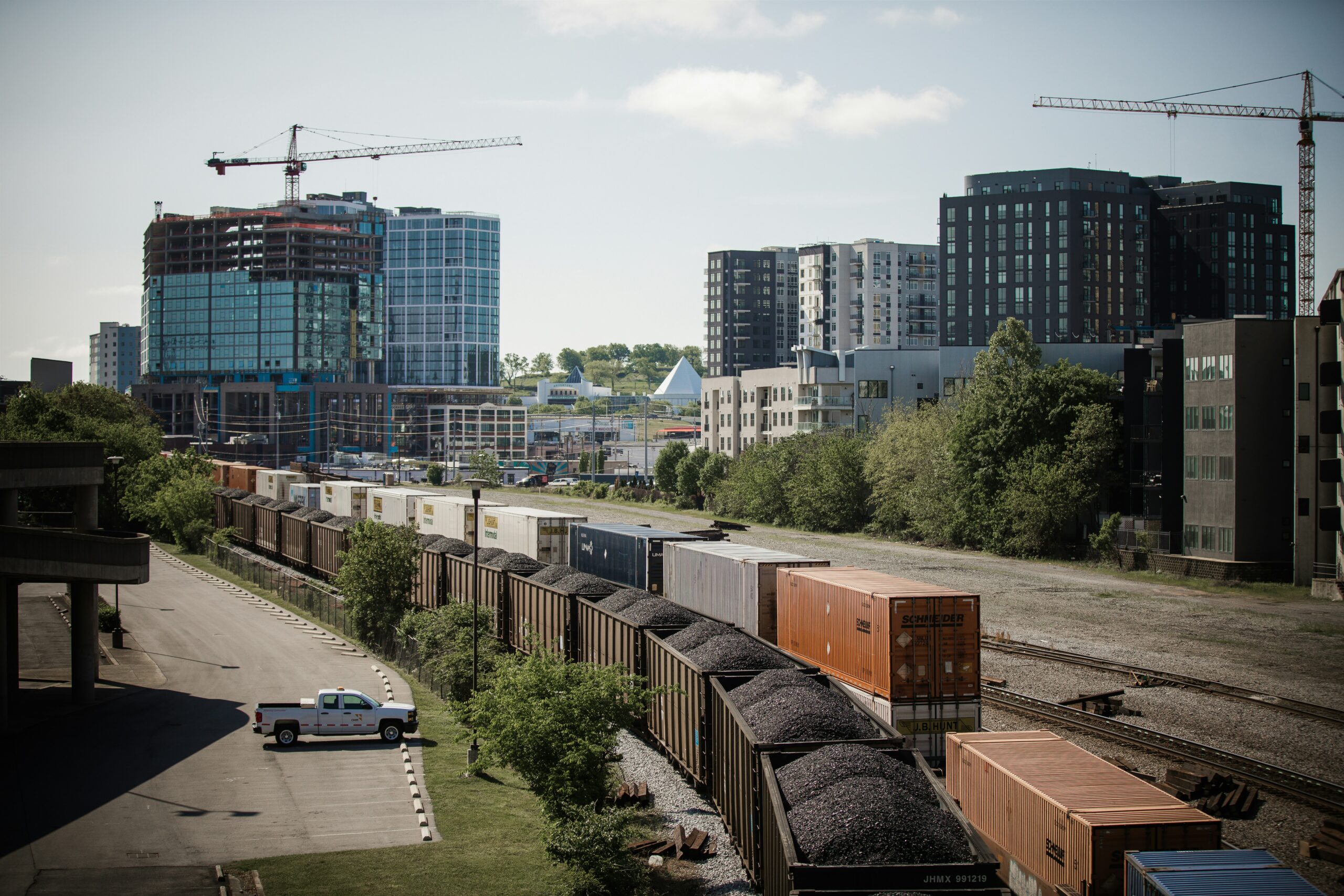
The ceaseless churn of industry demands a constant flow of energy. For decades, the primary vectors for delivering this energy have been the sprawling pipeline networks and the ubiquitous fuel trucks that crisscross landscapes. While seemingly straightforward, the choice between these two modes of transportation is a complex and often contentious issue, a veritable battleground where economic viability, environmental stewardship, and societal needs collide. This article will delve into the intricacies of this ongoing struggle, examining the strengths, weaknesses, and the evolving landscape of pipeline versus truck fuel transport.
Pipelines represent massive, often subterranean, arteries that are specifically designed to move large volumes of liquid or gaseous commodities, including crude oil, refined fuels like gasoline and diesel, and natural gas. They are engineering marvels, capable of transporting millions of barrels of product daily over vast distances with a remarkable degree of efficiency. Their creation is a monumental undertaking, involving extensive planning, environmental impact assessments, land acquisition, and intricate construction processes.
The Unseen Advantage: Efficiency and Scale
The most compelling argument for pipeline transport lies in its unparalleled efficiency when dealing with substantial volumes. Once constructed, the operational costs per unit of fuel transported are significantly lower than any other method. This is due to:
Minimal Labor Requirements
While requiring initial skilled labor for construction and ongoing maintenance, operational pipelines are largely automated. A comparatively small crew can monitor and manage hundreds of miles of pipeline, a stark contrast to the numerous drivers and support staff needed for truck fleets. This reduction in personnel translates directly into lower operating expenses.
Consistent and Reliable Flow
Pipelines offer a continuous, unbroken flow of fuel. Unlike trucks, which are subject to traffic delays, refueling stops, and driver rest periods, pipelines operate 24/7, ensuring a steady supply. This reliability is crucial for industries with continuous energy demands, such as power generation and large-scale manufacturing.
Reduced Environmental Footprint Per Unit
While pipeline construction itself can have significant environmental impacts, once operational, the environmental footprint per unit of fuel transported is remarkably low. There are no tailpipe emissions, and the energy required to pump the fuel is relatively minor compared to the energy consumed by trucks.
The Immense Undertaking: The Cost and Complexity of Construction
The sheer scale of pipeline construction is its most significant hurdle. These projects are not for the faint of heart or the light of wallet.
Astronomical Upfront Investment
The cost of planning, surveying, acquiring rights-of-way, and physically laying thousands of miles of pipe can run into billions of dollars. This capital expenditure requires large investors, often consortiums of energy companies, and carries inherent financial risks.
Navigating Regulatory and Permitting Labyrinths
Securing the necessary permits and approvals is a protracted and arduous process. Environmental impact studies, public hearings, and negotiations with landowners and various governmental agencies can take years, often leading to project delays and increased costs.
Land Acquisition and Eminent Domain Disputes
Pipelines often traverse private property, necessitating the acquisition of land or easements. This can lead to protracted legal battles and public opposition, particularly when the principle of eminent domain – the government’s right to take private property for public use – is invoked.
The Environmental Considerations: Construction vs. Operation
The environmental debate surrounding pipelines is multifaceted, often pitting the impacts of construction against the operational benefits.
Construction’s Scar on the Land
The initial digging, trenching, and laying of pipelines can disrupt ecosystems, alter drainage patterns, and lead to soil erosion. The impact on wildlife habitats, particularly in sensitive areas, is a significant concern.
The Peril of Leaks and Spills
Despite advanced safety measures and monitoring, the risk of leaks and spills, however small, remains a persistent concern. The environmental consequences of a major pipeline rupture can be catastrophic, contaminating soil and water and harming ecosystems for extended periods.
Fewer Emissions in Operation
As previously mentioned, once operational, pipelines contribute negligibly to air pollution from transport itself. This is a significant advantage over the combustion engines of fuel trucks.
In exploring the ongoing debate between pipeline and truck fuel transport, a related article that provides valuable insights is available at MyGeoQuest. This article delves into the environmental impacts, cost-effectiveness, and safety considerations associated with each method, offering a comprehensive overview that can help stakeholders make informed decisions in the energy sector.
The Road Warriors: The Role of Truck Fuel Transport
Fuel trucks, the unsung heroes of last-mile delivery, are indispensable for ensuring that fuel reaches its final destination. They are the flexible, adaptable arm of fuel distribution, capable of reaching virtually any location with a road.
The Agility of Access: Reaching Unserved Areas
The primary advantage of fuel trucks lies in their ability to access locations that pipelines cannot or will not reach.
The Convenience of the Last Mile
Pipelines deliver fuel in bulk to distribution hubs. From these hubs, trucks are essential for delivering gasoline and diesel to individual gas stations, construction sites, farms, and remote communities. Without trucks, many areas would be functionally dry.
Adaptability to Infrastructure Limitations
Regions with limited or no pipeline infrastructure rely entirely on truck transport. This includes many rural areas, islands, and developing nations where the economic feasibility of constructing pipelines is prohibitive.
Meeting Demand Fluctuations with Ease
Trucks offer a level of flexibility that pipelines cannot match. During periods of increased demand, such as summer driving seasons or in the aftermath of natural disasters, the number of trucks can be increased to meet the surge. Conversely, during periods of lower demand, the fleet size can be scaled back, avoiding the operational costs of underutilized infrastructure.
The Economic Realities: The Cost of Trucking
While offering flexibility, truck transport comes with a higher per-unit cost compared to pipelines.
Significant Operating Expenses
The cost of operating a fleet of fuel trucks is substantial. This includes the purchase and maintenance of vehicles, fuel for the trucks themselves, driver wages and benefits, insurance, and compliance with regulations related to hazardous material transport.
Vulnerability to External Factors
Fuel truck operations are highly susceptible to external factors that can disrupt delivery schedules and increase costs. These include:
Traffic Congestion
Gridlock on roadways can significantly delay deliveries, impacting fuel availability and increasing operational hours.
Fuel Price Volatility
The cost of fuel for the trucks is a direct operating expense, making the trucking industry vulnerable to fluctuations in global fuel prices.
Driver Shortages
A persistent challenge in the trucking industry is the shortage of qualified drivers, which can lead to higher wages and further operational complexities.
The Environmental Impact: Tailpipe Emissions and Road Wear
The environmental footprint of fuel trucks is a significant point of contention.
Direct Emissions at the Point of Consumption
The combustion engines of fuel trucks release greenhouse gases, particulate matter, and other pollutants into the atmosphere. While individual trucks might have relatively low per-mile emissions compared to older vehicles, the sheer number of trucks in operation contributes to overall air pollution.
Contribution to Road Degradation
Heavy fuel trucks exert significant wear and tear on road infrastructure. This necessitates ongoing maintenance and repair of roads, which itself has an environmental cost.
The Risk of Roadside Spills
While less catastrophic than major pipeline spills, road accidents involving fuel trucks can result in fuel spills, posing immediate environmental hazards to roadside ecosystems and drainage systems.
The Cost-Benefit Analysis: A Quantitative Comparison

When laying bare the numbers, the distinction between pipeline and truck fuel transport becomes more quantifiable, though the “best” option often depends on the specific context.
Breaking Down the Expenses: Per-Unit Transportation Costs
The core of the economic battle lies in the cost to move a gallon or barrel of fuel from point A to point B.
Pipeline: The Economy of Scale
As previously detailed, the upfront investment in pipelines is immense. However, once operational, the marginal cost of moving an additional unit of fuel is remarkably low. This makes them ideal for high-volume, long-distance transport from production sites to major consumption centers or refining hubs.
Trucks: The Premium for Flexibility
Trucks, on the other hand, have lower initial capital costs (per vehicle), but their per-unit transportation cost is significantly higher due to ongoing operational expenses like driver wages, fuel, maintenance, and the inherent inefficiencies of stop-and-go transport.
Balancing Initial Outlay with Long-Term Savings
The decision to invest in a pipeline versus relying on a robust trucking network involves a careful balancing act between upfront capital and long-term operational savings.
Long-Term Economic Viability
For large-scale, consistent fuel movements, pipelines often prove more economically viable over their lifespan, despite the initial financial hurdle. The savings generated by their efficiency can outweigh the construction costs over decades.
The Role of Demand and Distance
The distance of transport and the volume of fuel to be moved are crucial factors. Short-haul, lower-volume transport often favors trucks, while long-haul, high-volume movements are the domain of pipelines.
The Environmental Calculus: A Complex Equation
Quantifying the environmental impact is far more challenging, often requiring life-cycle assessments.
Lifecycle Emissions: From Construction to Operation
A comprehensive environmental analysis must consider emissions from initial resource extraction for materials, manufacturing of components, construction activities, ongoing operations (including energy for pumping), and eventual decommissioning.
The Shadow of Catastrophic Events
While operational emissions per unit are lower for pipelines, the potential severity of a major leak or spill can tip the environmental scales dramatically, even if such events are rare.
The Regulatory and Political Arena: A Battleground for Infrastructure
The decision to build or expand pipeline infrastructure is rarely a purely economic one; it is deeply intertwined with regulatory frameworks and political considerations.
Navigating the Approval Process: A Hurdle for Pipelines
The pathways to approving and constructing new pipelines are often fraught with challenges.
Environmental Impact Assessments (EIAs)
Thorough EIAs are mandated by law to assess the potential environmental consequences of a pipeline project. These can be lengthy, costly, and often lead to modifications or rejections of proposed routes.
Public Opposition and Advocacy Groups
Pipeline projects frequently face strong opposition from environmental advocacy groups, Indigenous communities, and local residents concerned about land use, water contamination, and climate change impacts.
Permitting and Interagency Coordination
Securing permits from multiple federal, state, and local agencies can be a complex and time-consuming undertaking, requiring significant coordination and negotiation.
The Role of Government Subsidies and Incentives
Governments can play a significant role in either facilitating or hindering pipeline development through various forms of support.
Incentivizing Infrastructure Development
In some cases, governments may offer tax breaks, loan guarantees, or other incentives to encourage the development of critical energy infrastructure.
Stricter Environmental Regulations
Conversely, governments can impose stricter environmental regulations, raising the bar for pipeline approval and ultimately increasing project costs or leading to their cancellation.
The Influence of Geopolitics and National Security
Pipelines can also be influenced by geopolitical considerations and national security concerns.
Energy Independence and Security
Countries may pursue pipeline projects to reduce reliance on foreign energy imports, enhancing their energy independence and national security.
Transboundary Agreements and International Relations
Pipelines that cross international borders require complex agreements between nations, often impacting diplomatic relations and trade dynamics.
When considering the advantages and disadvantages of pipeline versus truck fuel transport, it’s important to explore various perspectives on the topic. A related article that delves deeper into this discussion can be found here. This resource provides insights into the efficiency, safety, and environmental impacts of both methods, helping to inform decisions in the fuel transportation industry.
The Future Landscape: Evolution and Integration
| Aspect | Pipeline Transport | Truck Transport |
|---|---|---|
| Cost | Lower initial cost, higher operating cost | Higher initial cost, lower operating cost |
| Capacity | Higher capacity for long-distance transport | Lower capacity for short-distance transport |
| Environmental Impact | Lower carbon emissions, potential for leaks | Higher carbon emissions, potential for accidents |
| Flexibility | Less flexible in terms of routes and destinations | More flexible in terms of routes and destinations |
The ongoing battle between pipeline and truck fuel transport is not a static one. Technological advancements, changing energy demands, and evolving societal priorities are shaping its future.
The Rise of Alternative Energy Sources and Their Impact
The increasing emphasis on renewable energy sources is casting a long shadow over traditional hydrocarbon transport.
The Declining Demand for Fossil Fuels
As the world transitions towards cleaner energy, the demand for gasoline, diesel, and natural gas is expected to decline in the long term, potentially reducing the need for extensive new pipeline infrastructure.
Shifting Transportation Needs
The electrification of vehicles and the development of alternative fuels will fundamentally alter the landscape of fuel transport, impacting both pipeline and truck operations.
Technological Innovations: Enhancing Efficiency and Safety
New technologies are constantly being developed to improve the safety and efficiency of both pipeline and truck transport.
Advanced Leak Detection and Monitoring for Pipelines
Real-time sensors, drone surveillance, and artificial intelligence are being employed to detect and alert operators to potential leaks more rapidly and accurately.
Smarter Logistics and Autonomous Vehicles for Trucks
Optimized routing software, real-time traffic data, and the eventual introduction of autonomous trucks have the potential to significantly improve the efficiency and reduce the costs of truck fuel delivery.
The Greening of Truck Fleets
The development of electric and hydrogen-powered fuel trucks offers a pathway to significantly reduce the tailpipe emissions associated with this mode of transport.
The Need for an Integrated Approach: Synergy, Not Conflict
Rather than a purely adversarial relationship, the future likely holds a greater degree of integration between pipeline and truck fuel transport.
Pipelines as Backbone, Trucks as Connectors
Pipelines will likely continue to serve as the primary arteries for bulk transport of fossil fuels from production to distribution hubs. Trucks will remain essential for the final delivery to consumers and for reaching areas not served by pipelines.
Adapting to a Changing Energy Mix
As the energy landscape diversifies, both pipelines and trucks may need to adapt to transport alternative fuels, such as hydrogen or biofuels, requiring new infrastructure and modifications to existing systems.
A Collaborative Future for Energy Distribution
Ultimately, the most effective and sustainable approach to fuel transport will likely involve a synergistic relationship between pipelines and trucks, each playing a vital role in meeting the nation’s energy needs while striving for greater efficiency and environmental responsibility. The battle, therefore, is less about outright victory for one mode over the other, and more about finding the optimal balance and integration for a constantly evolving world.

What Happens If America’s Biggest Fuel Pipeline Stops?
FAQs
What is the difference between pipeline and truck fuel transport?
Pipeline fuel transport involves the use of underground pipes to transport fuel from one location to another, while truck fuel transport involves the use of tanker trucks to transport fuel on roads and highways.
Which method is more cost-effective for fuel transport, pipeline or truck?
Pipeline transport is generally more cost-effective than truck transport for long-distance fuel transport. This is because pipelines have lower operating and maintenance costs and can transport larger volumes of fuel at a time.
What are the environmental impacts of pipeline vs truck fuel transport?
Pipeline transport is generally considered to have lower environmental impacts compared to truck transport. Pipelines have a smaller carbon footprint and are less prone to accidents and spills compared to tanker trucks.
What are the advantages of truck fuel transport over pipeline transport?
Truck fuel transport offers more flexibility and can access remote or hard-to-reach locations that may not be served by pipelines. Additionally, truck transport can be more easily scaled up or down based on demand.
What are the disadvantages of pipeline fuel transport compared to truck transport?
One of the main disadvantages of pipeline transport is the high initial cost of construction and the time it takes to build and permit a new pipeline. Additionally, pipelines are not as flexible as trucks and cannot easily change routes or destinations.