
The Aral Sea, once the fourth largest lake in the world, is a stark testament to humanity’s capacity for environmental self-destruction. For millennia, its vast, saline waters teemed with life, supporting thriving fishing communities and a unique ecosystem. However, in the mid-20th century, a series of misguided agricultural policies initiated by the Soviet Union set in motion a catastrophic chain of events that would lead to the Aral Sea’s dramatic shrinking and eventual division into disparate, smaller bodies of water. This environmental disaster, the Aral Sea Split, stands as a chilling reminder of the interconnectedness of ecosystems and the profound consequences of unsustainable resource management.
The genesis of the Aral Sea’s demise lies in the ambitious agricultural expansion projects of the Soviet Union. Under the leadership of Nikita Khrushchev and later Leonid Brezhnev, a grand vision emerged to transform the arid Central Asian republics into a major cotton-producing region. The logic was simple: cotton was a valuable commodity, and the vast, sparsely populated lands of Kazakhstan and Uzbekistan, with their abundant sunshine, seemed ideal for cultivation.
The Amu Darya and Syr Darya: Lifelines Diverted
The lifeblood of the Aral Sea were two mighty rivers, the Amu Darya flowing from the south and the Syr Darya from the east. These rivers, fed by snowmelt from the distant Pamir and Tien Shan mountains, were the sole sources of freshwater for the Aral. To fuel the burgeoning cotton industry, the Soviet government embarked on a colossal undertaking: the construction of an extensive network of irrigation canals designed to divert the waters of these two rivers away from their natural course and onto the thirsty cotton fields.
The Karakum Canal: A Monument to Miscalculation
One of the most significant of these diversions was the Karakum Canal, a massive project that drew heavily from the Amu Darya. While initially lauded as an engineering marvel that brought life to the desert, it was in reality a voracious drain on the Aral Sea’s water supply. The canals were often poorly constructed, leading to significant water loss through seepage and evaporation. Furthermore, the intensive irrigation practices employed, particularly the flood irrigation method, were incredibly inefficient, requiring vast quantities of water to sustain the cotton monoculture.
The Syr Darya’s Diminishing Flow
Similarly, the Syr Darya’s waters were increasingly rerouted to irrigate cotton and rice paddies in the Fergana Valley. The demand for water grew exponentially as agricultural output was prioritized above all else. The economic incentives to maximize cotton production, coupled with a lack of environmental foresight, meant that the ecological needs of the Aral Sea were systematically ignored. The Soviet command economy, driven by ambitious production quotas, created a system where environmental consequences were a secondary, if not entirely absent, consideration.
The Illusion of Progress: Short-Term Gains, Long-Term Catastrophe
The initial years of this massive irrigation scheme were hailed as a success. The cotton harvest boomed, contributing significantly to the Soviet Union’s export revenues. The transformation of barren landscapes into fertile farmland seemed to symbolize the triumph of human ingenuity over nature. However, this perceived progress was built on a foundation of ecological unsustainability. The diversion of water continued unabated, with the Aral Sea’s water levels steadily declining.
The dramatic splitting of the Aral Sea into two distinct bodies of water is a result of extensive irrigation projects initiated during the Soviet era, which diverted rivers that fed the sea. This environmental catastrophe has been documented in various articles, including one that provides an in-depth analysis of the socio-economic impacts and the ecological consequences of this phenomenon. For more information, you can read the related article here: Aral Sea Split: Causes and Consequences.
The Aral Sea Shrinks: A Visible Tragedy Unfolds
The consequences of the diverted river flows were not immediate, but as the decades progressed, the Aral Sea began to shrink at an alarming rate. What was once a vast inland sea became a starkly receding waterline, revealing barren expanses of dried lakebed. This visible shrinkage was the most dramatic indicator of the unfolding environmental disaster.
A Rapid Decline: From Fourth Largest to Fraction of its Former Self
By the 1980s, the Aral Sea had lost over 75% of its original volume and 90% of its surface area. The once-prominent islands that dotted its expanse became connected to the mainland, and the shrinking sea began to split into smaller, disconnected bodies of water. The northern section, fed by the less-diverted Syr Darya, initially held out longer, while the southern section, heavily reliant on the Amu Darya, suffered the most drastic decline.
The Once-Thriving Ports: Ghosts of a Maritime Past
The most poignant symbols of the Aral Sea’s decline were its once-bustling port cities, such as Moynaq and Aralsk. These towns, which owed their existence to the sea’s bounty, were left stranded miles inland. Fishing fleets rusted in the dust, and the once vibrant quays became desolate landmarks, a haunting reminder of a lost maritime heritage. The economic collapse of these communities was a direct consequence of the sea’s disappearance.
The Splitting of the Sea: A New, Devastating Reality
The continuous shrinking and evaporation of the Aral Sea led to its fragmentation. By the early 21st century, the Aral Sea had effectively split into two primary bodies: the North Aral Sea (Syr Darya Basin) and the South Aral Sea (Amu Darya Basin). The South Aral Sea, in turn, further deteriorated, dividing into smaller eastern and western basins. This splitting was not a natural phenomenon but a direct result of the dramatic reduction in water volume and the geographical contours of the drying lakebed.
The East and West Aral Seas: A Lingering Shadow
The eastern basin of the South Aral Sea, particularly the area around the former Uzbek city of Muynak, became almost entirely desiccated. The western basin, while retaining some water, was also significantly diminished. The North Aral Sea, though also drastically reduced, fared slightly better due to the continued, albeit diminished, flow from the Syr Darya. This division created distinct ecological zones, each facing unique environmental challenges.
The Toxic Legacy: Salt, Sand, and Disease
The disappearance of the Aral Sea unleashed a cascade of environmental problems, none more severe than the creation of a vast toxic wasteland. The exposed lakebed, once submerged under water, became a breeding ground for a host of ecological and human health crises.
The Salt and Dust Storms: A Poisoned Wind
As the Aral Sea dried, it left behind millions of tons of salt and accumulated agricultural chemicals, including pesticides and fertilizers. This exposed sediment was then susceptible to wind erosion, leading to frequent and devastating salt and dust storms. These storms, carrying toxic particles for hundreds of kilometers, blanketed surrounding communities, contaminating soil, water sources, and air.
Respiratory and Other Health Issues: The Invisible Enemy
The inhalation of these toxic particles had severe consequences for the health of the local populations. Respiratory illnesses, such as asthma and bronchitis, became rampant. Cardiovascular diseases, cancers, and birth defects also saw a significant increase in affected areas. The lack of clean drinking water, contaminated by salt and agricultural runoff, further exacerbated these health problems. The long-term effects of this exposure continue to plague communities today.
Desertification: A Dying Landscape
The absence of the Aral Sea’s moderating influence, coupled with the salinization of the soil, led to widespread desertification. The surrounding agricultural lands, once fertile, became increasingly unproductive. The natural vegetation withered, and the delicate desert ecosystem, already stressed by intensive agriculture, struggled to survive. The loss of biodiversity was profound, impacting both flora and fauna.
The Impact on Local Wildlife: A Vanishing Ecosystem
The Aral Sea was a vital habitat for numerous bird species, fish, and other wildlife. The desiccation of the sea and the salinization of its remaining waters led to the extinction of many endemic species and the displacement of countless others. The once-rich fishing industry collapsed entirely, rendering obsolete the traditional livelihoods of thousands of people. The ecological web, so intricately woven around the Aral Sea, was irrevocably broken.
A Lingering Hope: Restoration Efforts and Their Limitations
Despite the overwhelming scale of the disaster, efforts have been made to mitigate the damage and, in some limited areas, to restore the Aral Sea. These endeavors, while commendable, highlight the immense challenges and the long road to any meaningful recovery.
The North Aral Sea Project: A Beacon of Success (Relatively)
The most significant restoration success story has been the Kok-Aral Dam project, initiated in 2005 with the support of the World Bank. This dam was constructed to separate the North Aral Sea from the more severely degraded South Aral Sea, allowing for the collection of the remaining Syr Darya waters. The results have been remarkable in this smaller, northern basin.
Rising Water Levels and Returning Fish: A Glimmer of Life
Since the dam’s construction, the water level of the North Aral Sea has risen significantly. The salinity has decreased, making it more hospitable for fish. Several fish species, including carp and perch, have returned, and there are even nascent signs of a rekindled, albeit small-scale, fishing industry. The port of Aralsk, which was once miles inland, has seen its shoreline recede closer, offering a tangible symbol of progress.
The South Aral Sea: A More Dire Prognosis
The situation in the South Aral Sea remains far more dire. The Amu Darya’s waters are still heavily diverted for agriculture, and the sheer scale of the desiccation makes large-scale restoration incredibly challenging and prohibitively expensive. While some localized efforts focus on improving irrigation efficiency and managing the remaining water resources, the South Aral Sea, in its former glory, is unlikely to ever be resurrected.
The Struggle for Water Rights: A Complex Geopolitical Issue
The Aral Sea disaster is intrinsically linked to complex geopolitical issues surrounding water rights and resource management in the region. The countries that rely on the Amu Darya and Syr Darya for their agricultural and industrial needs often prioritize their own economic development over the ecological needs of the Aral Sea. Finding equitable solutions for water sharing remains a persistent challenge.
The dramatic split of the Aral Sea into two distinct bodies of water can be attributed to a combination of factors, primarily the diversion of rivers for irrigation purposes during the Soviet era. This environmental catastrophe has been extensively documented, and for those interested in exploring the broader implications of such ecological changes, a related article can be found at My Geo Quest, which delves into the historical context and the ongoing efforts to restore the region. Understanding these dynamics is crucial for grasping the full impact of human intervention on natural landscapes.
Lessons Learned: A Global Warning
| Reasons for the Split of the Aral Sea | Impact |
|---|---|
| Diversion of Rivers | Significant decrease in water inflow, leading to shrinking of the sea |
| Climate Change | Increased evaporation and decreased precipitation contributing to water loss |
| Over-irrigation | Excessive water usage for agriculture, further reducing water levels |
| Environmental Degradation | Loss of biodiversity and adverse effects on local ecosystems |
The Aral Sea Split serves as a stark and tragic lesson for the world. It underscores the critical importance of sustainable water management, the devastating consequences of prioritizing short-term economic gains over long-term environmental health, and the interconnectedness of ecosystems.
The Fragility of Ecosystems: A Lesson in Interdependence
The Aral Sea’s fate demonstrates how a single, misguided intervention can trigger a cascade of ecological collapse. The diversion of water not only impacted the lake itself but also the climate, the soil, the biodiversity, and the health of human populations in the surrounding region. It is a powerful reminder that human activities have far-reaching and often unforeseen consequences.
The Ethical Imperative: Stewardship of the Planet
The Aral Sea disaster carries a profound ethical imperative. It calls for a fundamental shift in our relationship with the natural world, urging us to move from a mindset of exploitation to one of stewardship. Recognizing the inherent value of ecosystems and the responsibility we have to protect them for future generations is paramount.
The Need for Sustainable Development: A Global Imperative
The lessons of the Aral Sea must inform global development strategies. Sustainable agricultural practices, efficient water use, and robust environmental impact assessments are not optional extras but essential components of responsible progress. Investing in research, technology, and international cooperation is crucial to prevent similar disasters from occurring elsewhere.
The Future of Water: A Critical Resource in a Changing World
As the world grapples with increasing water scarcity due to climate change and growing populations, the Aral Sea serves as a grim preview of potential futures. Understanding the mistakes made in Central Asia is vital for navigating the challenges of water security and ensuring the long-term sustainability of our planet. The Aral Sea, in its desolate beauty, stands as a monument to what we stand to lose if we fail to learn.
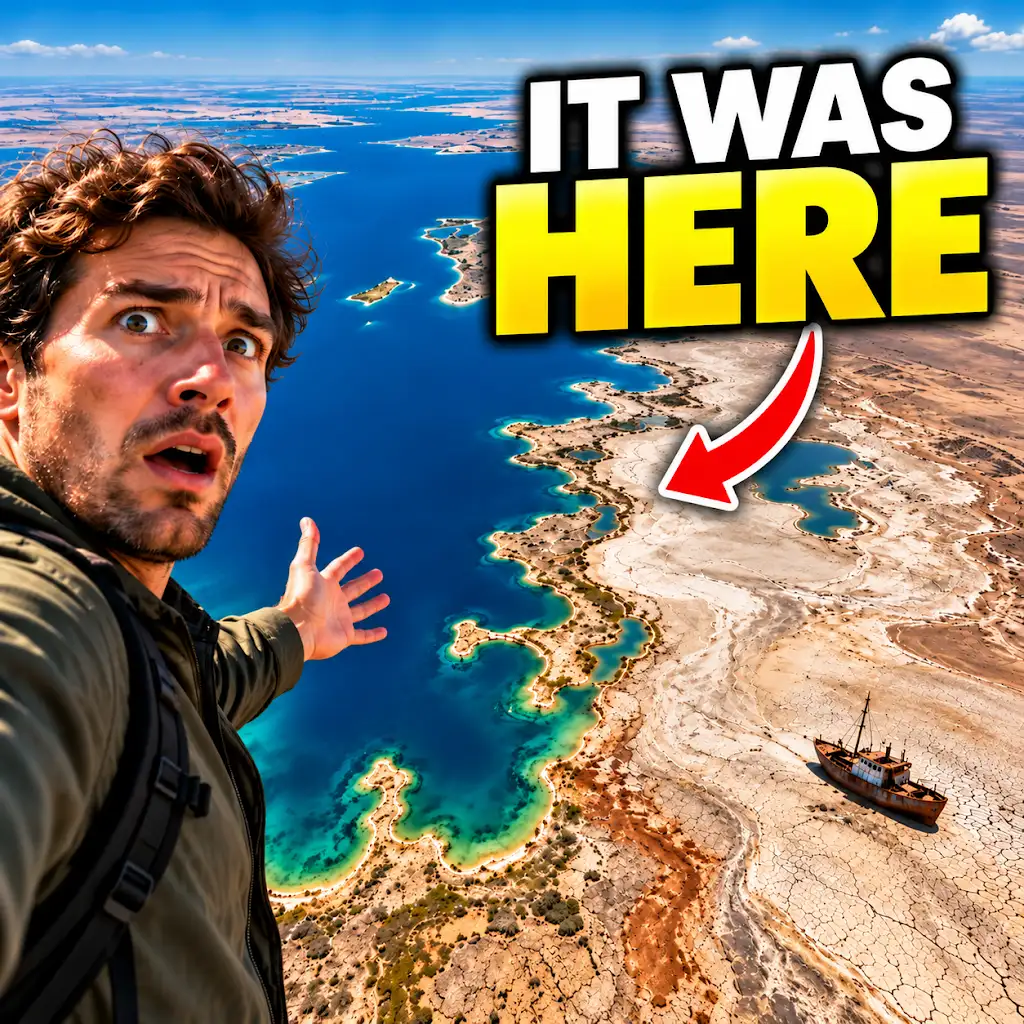
The Sea the Soviet Union Erased From the Map
FAQs
1. What caused the Aral Sea to split in two?
The Aral Sea split in two primarily due to the diversion of water from the two rivers that fed it, the Amu Darya and the Syr Darya, for irrigation purposes. This led to a significant decrease in the water levels of the sea, causing it to split into smaller bodies of water.
2. What are the environmental consequences of the Aral Sea splitting in two?
The splitting of the Aral Sea has resulted in severe environmental consequences, including the loss of biodiversity, increased salinity levels in the remaining bodies of water, and the exposure of toxic chemicals and pesticides previously contained in the seabed. This has led to negative impacts on the surrounding ecosystems and human health.
3. How has the splitting of the Aral Sea affected the local communities and economy?
The splitting of the Aral Sea has had detrimental effects on the local communities and economy. The loss of the sea has led to the decline of the fishing industry, loss of livelihoods for those dependent on the sea, and increased desertification in the surrounding areas. This has resulted in economic hardship for the communities in the region.
4. What efforts have been made to address the issue of the Aral Sea splitting in two?
Efforts to address the issue of the Aral Sea splitting in two have included the construction of dams and reservoirs to help restore water levels, as well as international initiatives to improve water management and conservation in the region. Additionally, there have been projects to plant trees and vegetation to mitigate desertification.
5. Is there hope for the restoration of the Aral Sea?
While the situation remains challenging, there is hope for the restoration of the Aral Sea. Efforts to improve water management, conservation, and sustainable agricultural practices are ongoing, and there have been some positive developments in restoring water levels and addressing environmental issues. However, the restoration process is complex and will require continued commitment and collaboration from all stakeholders involved.