
The Mississippi River, a titan of American commerce and a vital artery for global trade, relies on a sophisticated network of locks and dams to maintain navigable depths and control its mighty flow. However, this critical infrastructure, largely built in the mid-20th century, is showing its age. The continuous strain of time, weather, and relentless use has begun to take its toll, raising concerns about the future of river transportation and its economic ramifications.
The Mississippi River system, stretching over 2,300 miles and supporting over 10,000 miles of navigable waterways, is a cornerstone of the United States’ transportation network. Barges, capable of carrying the equivalent of hundreds of trucks or dozens of railcars, traverse this watery highway, transporting commodities like grain, coal, petroleum products, and chemicals. Without the precisely engineered system of locks and dams, especially along the Upper Mississippi River, much of this cargo would be economically unviable to transport.
A Brief History of Inland Waterway Development
The concept of taming the Mississippi for navigation is as old as the nation itself. Early efforts focused on removing natural obstructions. However, it was the advent of large-scale lock and dam construction, primarily initiated during the Great Depression under the Rivers and Harbors Act, that transformed the river into a reliable commercial waterway. The Mississippi River Commission and the U.S. Army Corps of Engineers were instrumental in this undertaking.
The Lock and Dam System: A Symphony of Engineering
The locks and dams function as an intricate dance floor for vessels. Dams raise the water level upstream, creating a deep pool that allows barges to navigate easily. When a barge needs to move to a different elevation, it enters a lock chamber, a concrete box with gates at either end. Water is then pumped into or drained from the chamber, raising or lowering the barge to the desired river level. This process, repeated at over 290 locks nationwide, is the engine that keeps a significant portion of American commerce flowing.
The Economic Significance of the Mississippi River
The economic impact of the Mississippi River system is staggering. It is estimated that over 500 million tons of cargo move annually along this vital corridor, contributing billions of dollars to the nation’s Gross Domestic Product. Industries reliant on low-cost bulk transportation, such as agriculture and manufacturing, depend heavily on the efficiency and reliability of this waterway. Disruptions to this system have ripple effects, impacting everything from farm gate prices to the cost of consumer goods.
The Mississippi River locks and dams system, which plays a crucial role in facilitating navigation and commerce, is facing challenges due to its aging infrastructure. For a deeper understanding of the historical context and current issues surrounding these vital structures, you can read a related article on this topic at My Geo Quest. This resource provides insights into the maintenance and modernization efforts needed to ensure the continued functionality of the locks and dams along the river.
Signs of Wear and Tear: The Cracks in the Foundation
The Lock and Dam system, while a marvel of engineering for its time, is now facing the inevitable challenges of aging infrastructure. Decades of operation have led to a gradual deterioration of critical components, demanding constant vigilance and increasing repair costs. These are not cosmetic issues; they represent fundamental stresses on the system’s ability to function as intended.
Deterioration of Concrete and Steel Structures
The concrete and steel that form the backbone of the locks and dams are susceptible to corrosion and erosion. Freeze-thaw cycles, the abrasive action of waterborne debris, and the sheer weight of water exert a constant pressure. This can lead to spalling of concrete, rusting of steel reinforcements, and weakening of structural integrity. Imagine a vital bridge constantly bearing heavy loads for decades without significant reinforcement; the Mississippi locks and dams are experiencing a similar, albeit more complex, form of structural fatigue.
Aging Mechanical and Electrical Systems
Beyond the concrete and steel, the mechanical and electrical components that operate the lock gates, valves, and power systems are also reaching or have surpassed their design life. These systems are intricate and require specialized parts, many of which are no longer readily available or are prohibitively expensive to produce. Malfunctions in these systems can lead to significant delays, forcing barges to wait for repairs, disrupting shipping schedules, and incurring substantial economic losses.
The Impact of Increased Traffic and Vessel Size
The volume of traffic on the Mississippi River has not only continued but, in some sectors, has increased since the initial development of the lock and dam system. Furthermore, modern barges are often larger and carry heavier loads, placing greater stress on lock infrastructure. The system was designed for a different era of river transport, and the increased demands are akin to continuing to use a sturdy but older car for demanding off-road expeditions without upgrades.
The Consequences of Neglect: A Cascade of Problems

The aging of the Mississippi River’s locks and dams is not merely an academic concern; it presents tangible and significant risks to national commerce and the economy. The longer these issues are left unaddressed, the more profound and far-reaching the consequences will become.
Increased Risk of System Failures and Lock Closures
As components degrade, the probability of breakdown increases. A significant failure in a lock or dam could lead to extended closures, stranding vessels for days, weeks, or even months. Such events are not hypothetical; there have been numerous instances of partial closures and significant delays due to mechanical failures. A prolonged closure of a major lock could be akin to a major artery in a city being completely blocked, causing widespread disruption.
Economic Losses Due to Delays and Inefficiencies
Every hour a barge is delayed translates into economic losses. Shipping companies incur demurrage charges, industries face disruptions in their supply chains, and producers may lose markets. The cumulative effect of these delays, particularly if they become more frequent or severe, can significantly impact the competitiveness of American exports and the cost of domestic goods.
Environmental Concerns Related to Malfunctions
While the locks and dams are critical for navigation, they also play a role in water management and habitat control. Mechanical failures or unintended releases of water could have adverse environmental consequences, impacting aquatic ecosystems and water quality downstream.
National Security Implications
The Mississippi River system is designated as a critical national infrastructure. Disruptions to its operation can have implications for national security, particularly in the case of the transport of essential goods, military equipment, or energy resources.
The Path Forward: Investment and Modernization
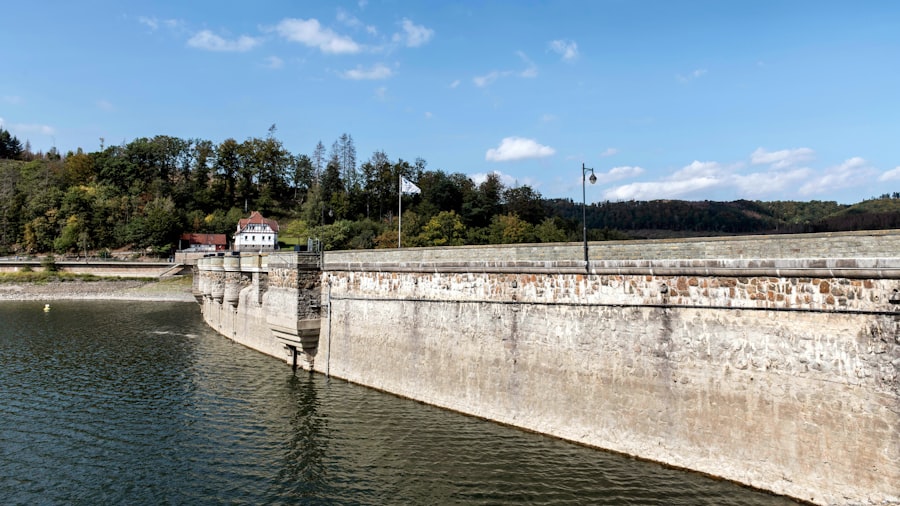
Addressing the aging infrastructure of the Mississippi River locks and dams requires a concerted and sustained effort. This is not a problem that can be solved with quick fixes; it necessitates a long-term vision and significant investment.
The Urgency of Federal Investment
The U.S. Army Corps of Engineers, responsible for maintaining and operating the inland waterway system, operates with a budget that has historically struggled to keep pace with the growing needs of the infrastructure. Significant and consistent federal investment is crucial to fund the necessary repairs, upgrades, and replacements. This is an undertaking that requires a national commitment, akin to rebuilding a vital national highway system.
Prioritizing Critical Repairs and Replacements
A strategic approach to reinvestment is necessary. This involves identifying the most critical components and locks that are most at risk of failure and prioritizing their rehabilitation or replacement. This might mean undertaking major upgrades at some facilities while implementing more routine maintenance at others.
Exploring Innovative Technologies and Designs
As repairs and upgrades are undertaken, there is an opportunity to incorporate modern engineering solutions and technologies. This can include more durable materials, improved automation, and designs that are more resilient to the stresses of increased traffic and larger vessels. The goal is not simply to patch up the old but to build for the future.
The Role of Public-Private Partnerships
While federal funding remains paramount, exploring avenues for public-private partnerships could also be beneficial. These collaborations might involve private entities contributing to specific projects or sharing in the development of new technologies that enhance the efficiency and longevity of the system.
The Mississippi River locks and dams play a crucial role in facilitating navigation and commerce along one of America’s most significant waterways. As these structures age, concerns about their maintenance and modernization have become increasingly important. For a deeper understanding of the challenges and solutions related to these aging infrastructures, you can explore a related article that discusses the implications of their condition and the future of river transportation. To read more about this topic, visit this insightful article.
The Mississippi: A Lifeline in Need of Renewal
| Lock and Dam | Location (Mile Marker) | Year Completed | Age (Years) | Type |
|---|---|---|---|---|
| Lock and Dam No. 1 | River Mile 836.2 | 1937 | 87 | Concrete Gravity Dam |
| Lock and Dam No. 2 | River Mile 841.5 | 1938 | 86 | Concrete Gravity Dam |
| Lock and Dam No. 3 | River Mile 857.0 | 1938 | 86 | Concrete Gravity Dam |
| Lock and Dam No. 4 | River Mile 863.0 | 1939 | 85 | Concrete Gravity Dam |
| Lock and Dam No. 5 | River Mile 865.3 | 1939 | 85 | Concrete Gravity Dam |
| Lock and Dam No. 6 | River Mile 874.0 | 1939 | 85 | Concrete Gravity Dam |
| Lock and Dam No. 7 | River Mile 886.0 | 1940 | 84 | Concrete Gravity Dam |
| Lock and Dam No. 8 | River Mile 904.0 | 1937 | 87 | Concrete Gravity Dam |
| Lock and Dam No. 9 | River Mile 919.0 | 1937 | 87 | Concrete Gravity Dam |
| Lock and Dam No. 10 | River Mile 935.0 | 1937 | 87 | Concrete Gravity Dam |
The Mississippi River, with its intricate network of locks and dams, is a silent workhorse of the American economy. Its continued efficiency and reliability are not guaranteed; they are contingent upon proactive and substantial investment. The signs of aging are undeniable, and the potential consequences of neglect are severe.
The Cost of Inaction: A Debt to Future Generations
Ignoring the deteriorating state of this vital infrastructure is akin to deferring essential maintenance on one’s own home. The problems will only worsen, and the eventual cost of repair will be exponentially higher. We are currently borrowing against the future reliability of this critical system.
The Economic Imperative of Modernization
Investing in the renewal of the lock and dam system is not simply an expenditure; it is a strategic investment in the nation’s economic competitiveness and security. A modern, efficient inland waterway system will continue to provide low-cost transportation for American goods, bolster agricultural exports, and support manufacturing industries.
A Call for Sustained Commitment
The task of revitalizing the Mississippi River’s locks and dams is a marathon, not a sprint. It requires a sustained commitment from policymakers, industry stakeholders, and the public to ensure that this essential artery of American commerce continues to flow, a testament to our nation’s engineering prowess and our dedication to maintaining the foundations of our economic prosperity. The river has served us faithfully for generations; it is now our responsibility to ensure its continued vitality for generations to come.

WATCH NOW ▶️ SHOCKING: Mississippi: The $12 Trillion Lie Revealed
FAQs
How old are the locks and dams on the Mississippi River?
Most of the locks and dams on the Mississippi River were constructed between the 1930s and 1950s, making many of them around 70 to 90 years old.
Why were the locks and dams on the Mississippi River built?
They were built to improve navigation by controlling water levels, allowing for safer and more efficient transportation of goods along the river.
How does the age of the locks and dams affect their operation?
Older locks and dams may require more maintenance and upgrades to meet modern safety and operational standards, as aging infrastructure can lead to increased risk of failures or inefficiencies.
Are there any plans to modernize or replace the aging locks and dams?
Yes, the U.S. Army Corps of Engineers and other agencies have ongoing programs to repair, upgrade, or replace aging locks and dams to ensure continued safe navigation and flood control.
What materials were used in the construction of the Mississippi River locks and dams?
The locks and dams were primarily constructed using concrete and steel, materials typical for large-scale infrastructure projects of their time.