Centralia, Pennsylvania, a once-thriving coal-mining town nestled in Columbia County, now exists as a ghost in the American landscape. Its story is one of sudden and devastating transformation, a cautionary tale born from the earth itself. What began as a promising chapter in the industrial history of the United States gradually devolved into an inescapable nightmare, ultimately forcing the government to orchestrate the abandonment of its entire population. The town’s fate was sealed not by economic decline or natural disaster in the conventional sense, but by a slow-burning, subterranean inferno – a mine fire that has raged for over six decades, rendering the very ground beneath its streets unstable and toxic. The abandonment of Centralia is a profound and poignant testament to the unpredictable and often destructive power of industry when coupled with unforeseen geological circumstances.
The seeds of Centralia’s demise were sown in the rich veins of anthracite coal that lay beneath its soil. For decades, mining was the lifeblood of this community, providing livelihoods for generations of families and fueling the industrial engine of the nation. The coal veins were extensive, and the town’s economy was intrinsically linked to their extraction.
A Flourishing Mining Community
From the late 19th century through the mid-20th century, Centralia was a bustling hub. The rhythmic clang of pickaxes, the rumble of coal carts, and the camaraderie of miners defined its soundscape. The town boasted schools, churches, businesses, and a strong sense of community forged in the shared experience of arduous labor. Families moved to Centralia seeking opportunity, and the promise of prosperity seemed as inexhaustible as the coal reserves. The town’s population swelled, and its infrastructure grew to support its burgeoning citizenry. It was a place where people put down roots, believing their future was as solid as the anthracite beneath their feet.
The Igniting Spark: The 1962 Mine Fire
The precise moment the fire began is debated, but the most widely accepted narrative points to May 27, 1962. On that fateful day, workers at the Centralia Mine, then operated by the Anthracite Mine Corporation, were engaged in a routine cleanup operation in an open pit mine. They were attempting to clear debris and excess coal from an abandoned mine shaft, a common practice to prepare it for abandonment and sealing. The plan was to burn off the combustible materials. However, an improperly extinguished fire, or perhaps a spark from welding equipment, ignited a pocket of coal dust that quickly spread into the labyrinthine network of abandoned mine tunnels beneath the town.
The Unseen Enemy: An Abandoned Mine Network
The problem was not merely the surface fire. The extensive network of underground mines, a legacy of over a century of relentless extraction, provided a perfect conduit for the flames to spread. These tunnels, often interconnected and poorly mapped, created a vast, subterranean combustion chamber. The coal seams themselves, once the source of wealth, now became the fuel for an inferno that would defy all attempts at containment. The very infrastructure that had supported the town’s prosperity was now poised to become its undoing.
Centralia, Pennsylvania, once a bustling coal mining town, became infamous for its underground mine fire that has been burning since 1962, leading to its eventual abandonment. The town’s story is a poignant reminder of the consequences of industrial negligence and environmental disaster. For a deeper understanding of Centralia’s history and the factors that contributed to its decline, you can read a related article at My Geo Quest. This resource provides insights into the town’s past and the ongoing impact of the mine fire on the community and environment.
The Slow and Insidious Spread of the Flames
What began as a localized fire, perhaps initially dismissed as a manageable incident, soon revealed its terrifying potential. The underground nature of the blaze made it incredibly difficult to detect, let alone extinguish. The flames gnawed at the coal seams, slowly but relentlessly consuming the earth from below.
Early Signs and Growing Concerns
In the initial months and years, the signs were subtle, perhaps even dismissed as an anomaly. Strange pockets of heat appearing in basements, unexplained fires in yards, and a persistent, acrid smell of sulfur began to permeate the town. These were the first whispers of the impending disaster. However, the townspeople, accustomed to the industrial realities of mining, may have initially downplayed these occurrences. The idea that their town could be consumed by fire from beneath was too fantastical to readily accept.
The Invisible Threat: Gases and Vents
As the fire grew, so did the emission of toxic gases. Carbon monoxide and other noxious fumes began to seep through cracks and fissures in the ground, posing an invisible but deadly threat to the residents. The pervasive smell became a constant reminder of the danger lurking beneath their feet. The ground temperature in certain areas began to rise, making outdoor activities hazardous.
Escalating Dangers: Sinkholes and Surface Instability
The relentless burning of coal caused the earth above to weaken and collapse. This manifested in the appearance of sinkholes, some small and insidious, others large and terrifying. These sinkholes not only posed a physical danger to residents and their property but also served as stark visual evidence of the town’s structural integrity being compromised. The ground beneath their homes, their streets, and their playgrounds was literally disappearing.
A Community Under Threat: Property Damage and Evacuations
As the sinkholes grew and the ground became increasingly unstable, homes began to be affected. Basements cracked, foundations shifted, and some structures even collapsed into the burning earth. These events led to the first forced evacuations of individual homes and eventually prompted broader concerns for public safety. The very fabric of the community was beginning to fray under the pressure of this unseen enemy.
The Futile Fight for Containment
For years, various attempts were made to extinguish the Centralia mine fire. These efforts were often costly, complex, and ultimately unsuccessful. The sheer scale and accessibility of the underground fire proved to be an insurmountable challenge.
Engineering Nightmares: Excavation and Backfilling
Engineers and mining experts devised numerous strategies to combat the blaze. One common approach involved excavating large sections of the burning coal seam and backfilling them with inert material like sand or rock. However, the vastness of the underground mine network meant that even colossal excavation efforts often failed to reach the heart of the fire, or the fire would simply find new pathways around the barriers.
The Sisyphean Task: Endless Efforts and Mounting Costs
Each attempt at containment was a monumental undertaking, requiring significant financial investment and specialized equipment. Yet, the fire always seemed to rebound, a tenacious enemy that refused to be vanquished. The cost of these efforts became astronomical, dwarfing the economic contributions the town had once made.
The Role of Water and its Limitations
Water, often the go-to solution for fires, proved to be of limited use. Pumping water into the mine shafts was a dangerous and often ineffective strategy. The intense heat could vaporize the water before it reached the flames, and in some cases, the introduction of water could create steam explosions, further exacerbating the problem. The underground environment was simply too hostile for conventional firefighting techniques.
Unforeseen Consequences: Steam and Toxic Runoff
The attempts to use water also created new problems. The resulting steam could be incredibly dangerous, and the runoff from the burning mines carried toxic contaminants into local waterways, impacting the environment beyond the town itself.
The Unavoidable Decision: Evacuation and Abandonment
As the years wore on and the mine fire showed no signs of abating, the situation in Centralia became increasingly untenable. The cost of fighting the fire, the persistent dangers to public health and safety, and the undeniable deterioration of the town’s infrastructure made the prospect of continued habitation impossible. The government, after years of debate and deliberation, made the agonizing decision to orchestrate the permanent abandonment of Centralia.
Federal Intervention and the Relocation Program
The federal government, through the Mine Safety and Health Administration (MSHA), eventually took the lead in the relocation efforts. The passage of the Surface Mining Control and Reclamation Act of 1977 provided the legal framework and funding for the permanent closure and reclamation of the mine. A voluntary relocation program was established, offering residents fair market value for their homes and assistance in finding new places to live.
The Heartbreak of Leaving: A Community Divided
For the residents of Centralia, this was a profound and deeply emotional ordeal. Decades of history, memories, and community ties were being severed. While some welcomed the opportunity for a fresh start, many were devastated by the prospect of leaving the only home they had ever known. The relocation process, while designed to be fair, could not erase the emotional toll of being displaced from a cherished community.
The Disappearing Town: Homes Demolished, Streets Vanish
As residents moved out, the town began to empty. Homes were systematically demolished to prevent their collapse into the burning earth and to discourage squatters. Streets were dug up and covered with earth, erasing the physical landscape of the once-vibrant community. The process was a methodical undoing, a deliberate erasure of what once was.
The Ghosts of Centralia: A Town Left to the Flames
With each demolished house and each sealed street, Centralia faded further from existence. The vibrant hum of daily life was replaced by an eerie silence, broken only by the whispers of the wind and the unseen roar of the subterranean fire. The town became a monument to its own demise, a phantom inhabited by the memories of its former residents.
Before the abandonment of Centralia, Pennsylvania, the town was known for its coal mining industry and vibrant community life. However, the underground coal fire that began in 1962 led to a gradual decline in the population as residents faced health risks and property damage. For a deeper understanding of the events that transpired in Centralia, you can read a related article that explores the town’s history and the impact of the fire on its residents. This article provides valuable insights into the challenges faced by the community and the decisions that ultimately led to its abandonment. To learn more, visit this link.
The Enduring Legacy of Centralia
| Year | Population | Mine Fire Start | Impact |
|---|---|---|---|
| 1890 | 2,761 | 1962 | Forced Abandonment |
| 1940 | 1,986 | ||
| 1980 | 1,250 |
Centralia’s story is far from over, even with its physical abandonment. The mine fire continues to burn, a persistent reminder of the environmental and human costs of unchecked industrial practices and the unforgiving power of nature. The town, though empty, serves as a potent symbol and a valuable lesson.
A National Historic Site of Caution
Centralia has become a stark symbol of the environmental hazards associated with abandoned mining operations. Its story has been documented in books, documentaries, and academic studies, serving as a crucial case study for environmental policy and land reclamation efforts. It stands as a warning of what can happen when the pursuit of resources overlooks long-term consequences.
The Persistent Threat: The Unending Fire
The mine fire is estimated to continue burning for centuries, a slow-motion catastrophe that has irrevocably altered the landscape. The surface remains unstable, with constant emissions of gases and occasional steam vents appearing. It is a testament to the enduring power of the underground inferno, a force that continues to shape the land long after its human inhabitants have departed.
The Memory of a Community: Preserving the Past
Despite its physical erasure, the spirit of Centralia lives on in the memories of its former residents and their descendants. Organizations and individuals work to preserve the history of the town, collecting photographs, stories, and artifacts to ensure that the memory of this once-thriving community is not lost to the flames.
A Human Tragedy: The Cost of Progress
The abandonment of Centralia is ultimately a human tragedy. It is the story of a community uprooted, of lives irrevocably altered by forces beyond their control. It serves as a poignant reminder that progress, when pursued without careful consideration of its environmental and social impacts, can come at a devastating cost. The silent streets and the smoldering earth of Centralia stand as a powerful and enduring testament to the complex and often unpredictable relationship between humanity and the natural world. The town’s ghost remains, a somber sentinel for generations to come, urging a deeper respect for the earth and a more responsible approach to harnessing its resources.
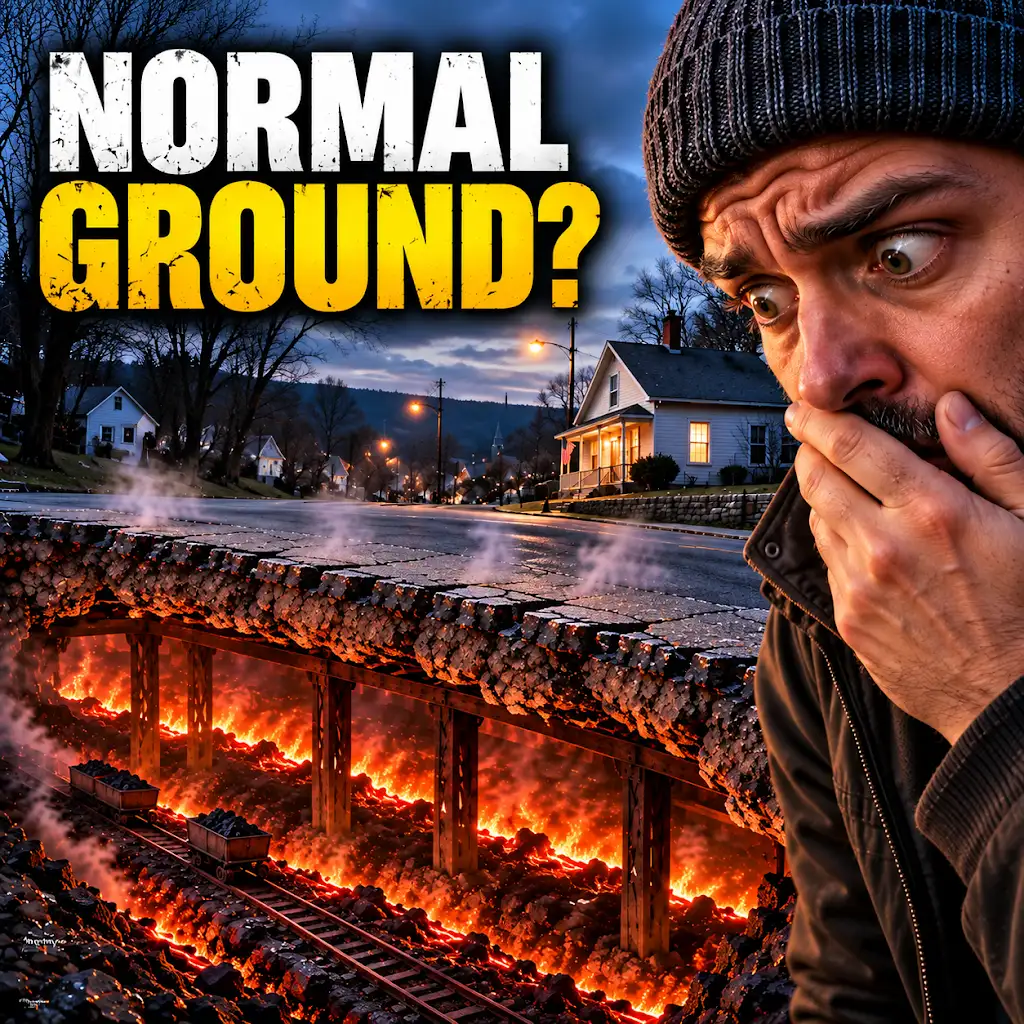
Why Was Moving Centralia Easier Than Putting Out Its Fire?
FAQs
What is the history of Centralia, Pennsylvania?
Centralia, Pennsylvania was a small coal mining town that was incorporated in 1866. It was once a bustling community with a peak population of around 2,700 residents.
What led to the abandonment of Centralia, Pennsylvania?
In 1962, a fire in the town’s coal mines ignited and continued to burn underground. Efforts to extinguish the fire were unsuccessful, leading to dangerous levels of carbon monoxide and subsidence. As a result, the town was condemned and most residents were relocated.
Is Centralia, Pennsylvania completely abandoned?
While most of the town’s buildings have been demolished, a few residents have remained despite the town’s official abandonment. The population has dwindled to just a handful of people.
What is the current state of the underground fire in Centralia, Pennsylvania?
The underground fire in Centralia, Pennsylvania continues to burn to this day. It is estimated that the fire could continue for several more centuries.
Is it safe to visit Centralia, Pennsylvania?
Due to the ongoing underground fire and the associated risks of subsidence and toxic gases, it is not safe to visit Centralia, Pennsylvania. The area has been closed off to the public and is considered a hazardous site.