
The world stands at a precipice, gazing upon a landscape where interconnectedness is no longer a luxury but a fundamental necessity. From the bustling metropolises to the remote outposts, the arteries and veins of our global society – its infrastructure – are showing signs of severe strain. This is the essence of the “100 Trillion Dollar Infrastructure Bottleneck,” a looming challenge that threatens to hobble progress, dampen economic growth, and exacerbate societal inequalities. Understanding this complex problem requires a deep dive into its origins, manifestations, and potential solutions.
The infrastructure that underpins our modern lives – bridges, roads, power grids, water systems, telecommunications networks, and public transit – is, for the most part, a product of mid to late 20th-century investment. While these foundational elements have served us remarkably well for decades, the relentless march of time and constant usage have taken their toll. Many of these critical systems are now operating on borrowed time, exhibiting the signs of wear and tear that come with age.
Bridges to Nowhere: The Structural Deficit
Across continents, bridges are a stark visual representation of this decay. Decades of exposure to the elements, coupled with increasing traffic loads, have led to structural fatigue. Rust gnaws at steel, concrete crumbles, and the very integrity of these vital connectors is compromised. The American Society of Civil Engineers’ reports, which consistently highlight a significant infrastructure “grade,” serve as a clarion call. This is not merely about aesthetics; it’s about safety. A bridge failing is not an abstract statistic; it’s a tangible catastrophe with devastating human and economic consequences.
Roads to Ruin: The Pavement Predicament
Similarly, the road networks that facilitate the movement of goods and people are in a state of disrepair. Potholes the size of craters, crumbling asphalt, and inadequate drainage systems are not just inconveniences; they are enablers of inefficiency and productivity loss. The constant need for costly patchwork repairs diverts resources that could be invested in modernization and expansion. Driving on poorly maintained roads is akin to navigating a minefield for vehicle suspension systems and tires, leading to increased maintenance costs for individuals and businesses alike.
The Silent Grid: Powering Down Potential
The electrical grid, the unseen force that powers our homes, businesses, and technological advancements, is another critical area facing significant challenges. Aging transmission lines are prone to failure, leading to blackouts that disrupt economic activity and daily life. Furthermore, the existing grid was not designed for the demands of the 21st century, particularly the integration of renewable energy sources and the burgeoning need for electric vehicle charging infrastructure. This is the digital nervous system of our civilization, and when it sputters, the entire organism falters.
The ongoing discussion surrounding the 100 trillion dollar infrastructure bottleneck highlights the urgent need for innovative solutions and strategic investments. A related article that delves deeper into this pressing issue can be found at this link, where experts analyze the implications of delayed infrastructure projects and propose actionable strategies to overcome these challenges.
The Expanding Chasm: The Funding Famine
The sheer magnitude of the required investment – an estimated $100 trillion globally over the next two decades – reveals the gaping chasm between what is needed and what is being allocated. This funding famine is a multifaceted problem, rooted in political realities, economic priorities, and competing demands on public and private capital.
The Political Tug-of-War: Prioritizing Pork Over Progress
In many democracies, infrastructure investment often becomes a political football. Short-term electoral cycles can incentivize politicians to focus on visible, immediate projects that garner public approval, rather than the long-term, often unglamorous, investments in foundational infrastructure. The complex web of jurisdictional responsibilities – federal, state, and local – can also lead to fragmentation and a lack of coordinated, strategic planning. Allocating the necessary capital requires a political will that transcends partisan divides, a rare commodity in today’s political climate.
The Private Purse: Risk, Reward, and Regulatory Hurdles
While private investment is crucial for bridging the funding gap, it is not a panacea. Private capital is driven by the prospect of a return on investment, and infrastructure projects, especially those with long payback periods and significant upfront costs, can be perceived as risky. Regulatory uncertainty, bureaucratic delays, and the potential for political interference can further deter private sector participation. The environment needs to be conducive, offering clear rules of engagement and a predictable investment landscape for private entities to confidently commit their funds.
The Debt Dilemma: Borrowing from the Future
Governments often turn to debt financing to fund large-scale infrastructure projects. While this can be a necessary tool, an overreliance on borrowing can lead to unsustainable debt burdens, diverting future tax revenues and limiting fiscal flexibility for other essential public services and future investments. The weight of accumulated debt can become a crushing burden, restricting future economic mobility.
The Global Disparity: A World Divided by Infrastructure

The infrastructure bottleneck is not a uniform global problem; its severity and manifestations vary dramatically across different regions and economic scales. This disparity exacerbates existing inequalities and creates new challenges.
Bridging the Divide: Developed vs. Developing Nations
Developed nations, despite their aging infrastructure, generally possess a more robust foundation than their developing counterparts. However, even in these nations, significant underinvestment has led to the aforementioned decay. Developing nations, on the other hand, often face a double burden: they need to build entirely new infrastructure to support their burgeoning populations and economies, while simultaneously grappling with insufficient capital, technical expertise, and institutional capacity. For these nations, the lack of basic infrastructure – clean water, reliable electricity, and functional transportation – is not just an inconvenience; it’s a barrier to basic human development and economic opportunity. Imagine trying to build a modern economy with a horse-drawn cart and rudimentary communication.
Urban Congestion: The Metropolis’s Malady
Even within developed countries, the infrastructure strain is often most acutely felt in densely populated urban areas. Rapid urbanization has outpaced the development and maintenance of public transit, road networks, and water and sewer systems. The result is crippling traffic congestion, which translates into lost productivity, increased pollution, and a diminished quality of life for millions. The daily commute for many has become a test of endurance, a significant drain on personal time and energy.
Rural Isolation: The Periphery’s Problem
Conversely, rural areas often suffer from a lack of investment, leading to poor road access, limited broadband connectivity, and inadequate access to essential services. This can contribute to economic stagnation, depopulation, and a widening divide between urban and rural communities. For those living in these areas, the absence of functional infrastructure can be a literal wall separating them from opportunities.
The Ripple Effect: Consequences of Neglect

The consequences of failing to address the infrastructure bottleneck are far-reaching and impact virtually every facet of society and the economy.
Economic Stagnation: The Engine Running on Empty
A robust infrastructure is the engine of economic growth. When this engine sputters due to neglect, productivity suffers. Businesses face higher transportation costs, longer delivery times, and the risk of disruptions to their supply chains. Reduced business investment, job creation, and overall economic dynamism are direct consequences of a deteriorating infrastructure. The economy, like a finely tuned machine, relies on smooth, efficient operations, and any breakdown in its fundamental components will inevitably slow its output.
Social Inequality: Widening the Gaps
The infrastructure deficit disproportionately affects low-income communities and marginalized populations. These groups are often the last to benefit from infrastructure upgrades and the first to suffer from service disruptions. Lack of access to reliable transportation, clean water, and broadband internet can limit educational and employment opportunities, perpetuating cycles of poverty and inequality. The infrastructure divide becomes a literal manifestation of the social divide.
Environmental Degradation: A Costly Legacy
Aging and inefficient infrastructure can also contribute to environmental problems. Leaky water pipes waste a precious resource, outdated power plants pollute the air, and inadequate waste management systems can contaminate water sources. Investing in modern, sustainable infrastructure, such as renewable energy grids and efficient public transit, is crucial for mitigating climate change and protecting the environment for future generations. This is not just about building; it’s about building sustainably.
The ongoing discussion about the staggering 100 trillion dollar infrastructure bottleneck highlights the urgent need for innovative solutions to modernize our aging systems. A related article explores the potential of smart city technologies to alleviate some of these pressures, showcasing how cities can leverage data and connectivity to improve efficiency and sustainability. For more insights on this topic, you can read the article here. As we navigate these challenges, it becomes increasingly clear that investment in infrastructure is not just a necessity but a critical opportunity for growth and development.
Charting the Course: Pathways to Progress
| Metric | Value | Description |
|---|---|---|
| Estimated Global Infrastructure Need | 100 trillion | Projected investment required worldwide over the next 30 years |
| Annual Infrastructure Investment Gap | 2.5 trillion | Annual shortfall between required and actual infrastructure spending |
| Current Annual Infrastructure Spending | 3.5 trillion | Global annual expenditure on infrastructure projects |
| Projected Infrastructure Demand Growth | 3-4% per year | Expected annual increase in infrastructure needs due to urbanization and population growth |
| Infrastructure Bottleneck Causes | Labor shortages, regulatory delays, funding gaps | Key factors contributing to delays and inefficiencies in infrastructure development |
| Impact on Global GDP | Up to 3% reduction | Estimated economic loss due to inadequate infrastructure investment |
Addressing the $100 trillion infrastructure bottleneck requires a comprehensive, multi-pronged approach that transcends the limitations of short-term thinking and siloed decision-making. It demands a paradigm shift in how infrastructure is viewed, funded, and implemented.
The Blueprint for Investment: Strategic Planning and Prioritization
The first step is to develop and implement comprehensive, long-term infrastructure plans that prioritize projects based on their economic, social, and environmental impact. This requires robust data collection, rigorous analysis, and a commitment to investing in projects that will deliver the greatest public benefit. Think of it as creating a detailed roadmap before embarking on a journey, ensuring every mile is strategically planned.
Funding Innovations: Diversifying the Financial Pool
Governments need to explore innovative financing mechanisms that go beyond traditional debt. This includes leveraging public-private partnerships effectively, creating dedicated infrastructure funds, and exploring new revenue streams such as user fees and dedicated infrastructure taxes. Encouraging private sector investment through predictable regulatory frameworks and risk-sharing mechanisms is also crucial. Attracting private capital is like enticing skilled artisans to build a magnificent cathedral; they need to see the potential for a lasting legacy and fair compensation.
Technological Advancement: Building Smarter, Not Just Bigger
The integration of new technologies can significantly enhance the efficiency and effectiveness of infrastructure projects. This includes utilizing digital twins for maintenance and planning, employing smart grids for energy management, and investing in advanced materials for more durable and sustainable construction. Embracing technological innovation is akin to equipping our builders with cutting-edge tools, enabling them to construct with greater precision and resilience.
Workforce Development: The Human Capital Component
Addressing the infrastructure deficit also necessitates a focus on developing a skilled workforce. This involves investing in education and training programs to equip individuals with the technical expertise required for modern infrastructure development and maintenance. Without a capable workforce, even the most ambitious plans will remain dormant on paper. We need the skilled hands and sharp minds to turn blueprints into reality.
The $100 trillion infrastructure bottleneck is a formidable challenge, but it is not insurmountable. By acknowledging its gravity, understanding its complex causes, and embracing innovative, collaborative solutions, the world can begin to mend its aging arteries and build a more resilient, prosperous, and equitable future for all. The investment is not an expense; it is the foundation upon which future generations will build their dreams.
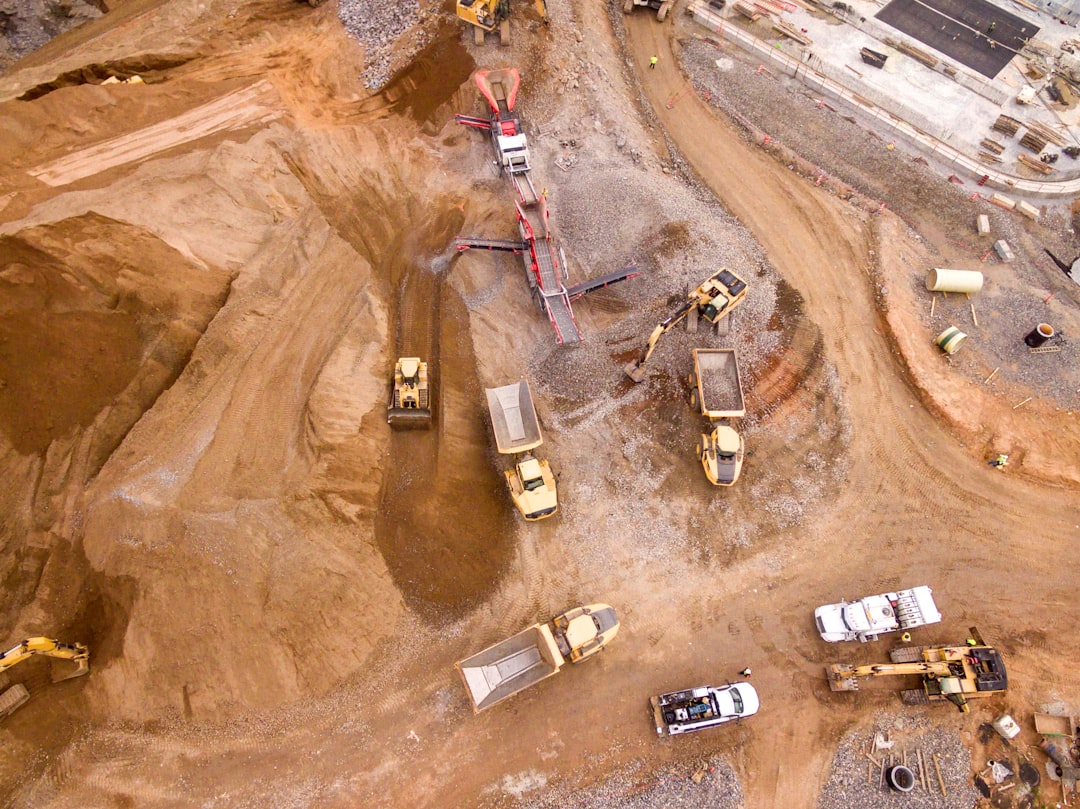
WATCH NOW ▶️ WARNING: Why the World is Running Out of Sand (And You Never Noticed)
FAQs
What is the 100 trillion dollar infrastructure bottleneck?
The 100 trillion dollar infrastructure bottleneck refers to the global challenge of insufficient infrastructure investment and development, which is estimated to require around 100 trillion dollars over the coming decades to meet growing demands and support economic growth.
Why is there a need for such a large investment in infrastructure?
Rapid urbanization, population growth, technological advancements, and climate change are driving the need for massive infrastructure investments to improve transportation, energy, water systems, and digital networks worldwide.
What are the main consequences of the infrastructure bottleneck?
The bottleneck can lead to slowed economic growth, reduced productivity, increased costs, and diminished quality of life due to inadequate transportation, energy shortages, poor water management, and limited access to digital services.
Which sectors are most affected by the infrastructure bottleneck?
Key sectors affected include transportation (roads, railways, airports), energy (power generation and grids), water and sanitation, telecommunications, and urban development.
What solutions are proposed to address the infrastructure bottleneck?
Solutions include increased public and private investment, innovative financing models, adoption of new technologies, improved project management, and international cooperation to prioritize and efficiently implement infrastructure projects.