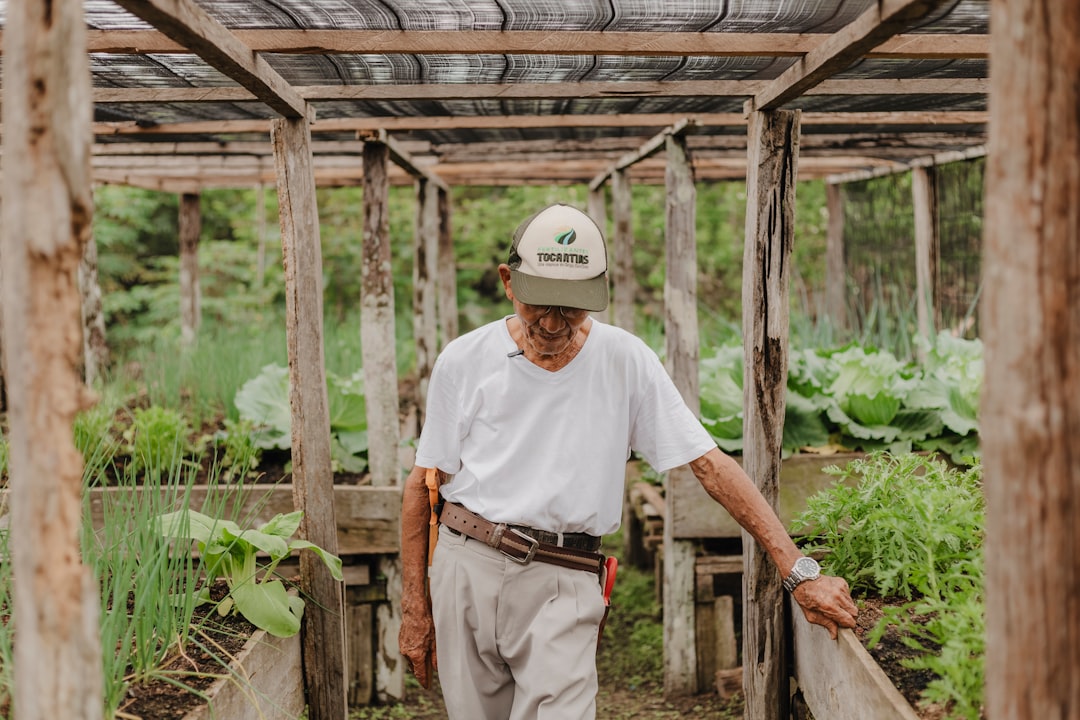
Tenant farming, a system where individuals cultivate land owned by others, involves several significant challenges that affect the economic stability of farmers. A primary difficulty is the lack of security in farming arrangements. Tenant farmers typically operate under short-term leases, creating uncertainty about their future tenure.
This instability discourages investment in long-term improvements or sustainable agricultural practices, as farmers cannot guarantee they will benefit from such investments. Additionally, fluctuating crop prices complicate financial planning and stability. Limited access to resources presents another substantial challenge.
Tenant farmers frequently encounter difficulties obtaining financing for equipment, seeds, and other necessary inputs because they lack land ownership. Financial institutions often classify them as higher-risk borrowers, resulting in elevated interest rates or loan denials. This financial constraint restricts their ability to adopt new technologies or improved farming methods, forcing reliance on conventional or less efficient practices.
Furthermore, dependence on landowners for resources and support creates power imbalances that can expose tenant farmers to unfair treatment and exploitation.
Key Takeaways
- Tenant farmers face unique challenges that require strategic approaches to overcome.
- Diversifying income and adopting sustainable practices enhance farm resilience.
- Building strong relationships with landowners and advocating for fair agreements are crucial.
- Accessing government resources and leveraging technology improve efficiency and support.
- Collaboration, education, and managing well-being contribute to long-term success.
Diversifying Income Streams
To mitigate the risks associated with tenant farming, diversifying income streams has become a crucial strategy for many farmers. By exploring various avenues for revenue generation, tenant farmers can create a more stable financial foundation. This might involve branching out into different types of crops or livestock, engaging in agritourism, or even developing value-added products such as jams or cheeses.
Such diversification not only helps to buffer against market fluctuations but also allows farmers to tap into new customer bases and expand their reach. Moreover, diversifying income streams can enhance resilience against environmental challenges. For instance, incorporating crop rotation or intercropping can improve soil health and reduce pest pressures, leading to better yields over time.
Additionally, tenant farmers might consider participating in community-supported agriculture (CSA) programs or farmers’ markets, which can provide direct access to consumers and foster a sense of community engagement. By embracing a multifaceted approach to income generation, tenant farmers can better navigate the complexities of their situation while building a more sustainable future.
Building Strong Relationships with Landowners

Establishing and maintaining strong relationships with landowners is essential for tenant farmers seeking to thrive in their endeavors. Open communication and mutual respect can foster a collaborative environment where both parties feel valued and understood. By engaging in regular discussions about expectations, goals, and challenges, tenant farmers can create a partnership that benefits both sides.
This relationship-building process can lead to more favorable lease terms, access to additional resources, and even opportunities for shared investments in land improvements. Furthermore, tenant farmers who actively demonstrate their commitment to responsible land stewardship can earn the trust and support of landowners. By implementing sustainable practices and showing a genuine interest in the long-term health of the land, tenant farmers can position themselves as valuable partners rather than mere renters.
This shift in perception can lead to more stable agreements and potentially longer lease terms, providing tenant farmers with the security they need to invest in their operations confidently.
Accessing Government Support and Resources
Government support plays a vital role in helping tenant farmers overcome the challenges they face. Various programs and resources are available at local, state, and federal levels designed to assist farmers in accessing funding, training, and technical assistance. For instance, grants and low-interest loans can provide much-needed capital for purchasing equipment or implementing sustainable practices.
Additionally, government-sponsored training programs can equip tenant farmers with essential skills and knowledge to enhance their operations. Moreover, tenant farmers should actively seek out information about agricultural policies that may benefit them.
By staying informed about available government support and actively engaging with these resources, tenant farmers can better position themselves for success in an increasingly competitive agricultural landscape.
Implementing Sustainable Farming Practices
| Survival Strategy | Description | Average Margin (%) | Effectiveness | Common Challenges |
|---|---|---|---|---|
| Crop Diversification | Growing multiple types of crops to reduce risk | 15 | High | Requires knowledge and labor |
| Sharecropping | Sharing a portion of the harvest with the landowner | 10 | Moderate | Lower profit margins |
| Off-farm Employment | Supplementing income through non-farming jobs | 20 | High | Time constraints |
| Use of Improved Seeds | Planting high-yield or drought-resistant seeds | 18 | High | Access and cost of seeds |
| Access to Credit | Borrowing funds to invest in inputs and equipment | 12 | Moderate | Debt risk and interest rates |
| Collective Bargaining | Forming groups to negotiate better prices | 14 | Moderate | Coordination difficulties |
Sustainable farming practices are not only beneficial for the environment but also serve as a strategic approach for tenant farmers looking to enhance their operations. By adopting methods that prioritize soil health, water conservation, and biodiversity, tenant farmers can improve their yields while minimizing their ecological footprint. Practices such as cover cropping, reduced tillage, and integrated pest management can lead to healthier soils and more resilient crops.
Additionally, implementing sustainable practices can open doors to new markets and consumer segments that prioritize environmentally friendly products. Many consumers today are willing to pay a premium for sustainably produced goods, providing tenant farmers with an opportunity to increase their profitability while contributing positively to the planet. By embracing sustainability as a core principle of their operations, tenant farmers can not only secure their livelihoods but also play a crucial role in promoting a more sustainable agricultural system.
Investing in Education and Skill Development

Education and skill development are paramount for tenant farmers aiming to navigate the complexities of modern agriculture successfully. Continuous learning allows them to stay abreast of industry trends, technological advancements, and best practices that can enhance their productivity and efficiency. Participating in workshops, online courses, or agricultural extension programs can provide valuable insights into crop management, marketing strategies, and financial planning.
Moreover, investing in education fosters innovation among tenant farmers. By acquiring new skills and knowledge, they become better equipped to experiment with novel techniques or technologies that could improve their operations. This commitment to lifelong learning not only enhances their individual capabilities but also contributes to the overall advancement of the agricultural community.
As tenant farmers become more knowledgeable and skilled, they are better positioned to adapt to changing market conditions and seize new opportunities.
Leveraging Technology for Efficiency
In an era where technology plays an increasingly significant role in agriculture, tenant farmers must leverage these advancements to enhance efficiency and productivity. Precision agriculture tools such as GPS-guided equipment, soil sensors, and drones can provide valuable data that informs decision-making processes. By utilizing technology effectively, tenant farmers can optimize resource use, reduce waste, and improve crop yields.
Additionally, digital platforms offer opportunities for marketing and sales that were previously unavailable to many small-scale farmers.
By embracing technology not only as a tool for farming but also as a means of connecting with customers, tenant farmers can create more sustainable business models that align with modern consumer preferences.
Collaborating with Other Farmers and Organizations
Collaboration among tenant farmers and local organizations can yield significant benefits in terms of knowledge sharing, resource pooling, and collective bargaining power. By forming cooperatives or joining agricultural associations, tenant farmers can access shared resources such as equipment or marketing platforms that may otherwise be out of reach individually. This collaborative approach fosters a sense of community while enhancing overall productivity.
Furthermore, partnerships with local organizations or non-profits focused on agricultural development can provide additional support through training programs or funding opportunities. These collaborations often lead to innovative solutions tailored to the specific needs of tenant farmers within a region. By working together with others who share similar challenges and goals, tenant farmers can amplify their voices and advocate for policies that support their interests.
Managing Risk and Uncertainty
The inherent risks associated with farming—such as unpredictable weather patterns, pest infestations, or market volatility—can pose significant challenges for tenant farmers. Effective risk management strategies are essential for navigating these uncertainties successfully. Diversification of crops and income sources is one approach that helps mitigate risk by spreading exposure across different markets.
Additionally, developing contingency plans is crucial for addressing potential setbacks. Tenant farmers should assess their vulnerabilities and create strategies for responding to adverse events—whether through insurance options or emergency funds. By proactively managing risk rather than reacting after challenges arise, tenant farmers can maintain stability in their operations even amidst uncertainty.
Advocating for Fair and Transparent Land Tenure Agreements
Advocacy for fair and transparent land tenure agreements is vital for ensuring that tenant farmers have secure access to land resources. Many tenant farmers face exploitative lease terms that limit their ability to invest in improvements or make long-term plans for their operations. By advocating for policies that promote equitable agreements—such as longer lease terms or protections against arbitrary eviction—tenant farmers can work towards greater stability in their livelihoods.
Moreover, fostering awareness about the importance of fair land tenure among policymakers and the public is essential for driving change. Tenant farmers should engage in dialogue with stakeholders at all levels to highlight the challenges they face and propose solutions that benefit both tenants and landowners alike. Through collective advocacy efforts, tenant farmers can create a more just agricultural system that recognizes their contributions while ensuring their rights are protected.
Balancing Personal and Professional Well-being
The demands of farming often blur the lines between personal life and professional responsibilities for tenant farmers. Striking a balance between these two aspects is crucial for maintaining overall well-being. Long hours spent tending to crops or managing business operations can lead to burnout if not managed effectively.
Tenant farmers should prioritize self-care by setting boundaries around work hours and making time for family or leisure activities. Additionally, fostering a supportive network of peers can provide emotional resilience during challenging times. Sharing experiences with fellow tenant farmers allows individuals to feel less isolated in their struggles while also offering opportunities for collaboration and mutual support.
By recognizing the importance of personal well-being alongside professional success, tenant farmers can cultivate a more fulfilling life both on and off the farm. In conclusion, navigating the complexities of tenant farming requires a multifaceted approach that addresses various challenges while leveraging opportunities for growth and sustainability. By understanding the unique difficulties they face and actively seeking solutions—such as diversifying income streams, building strong relationships with landowners, accessing government support, implementing sustainable practices, investing in education, leveraging technology, collaborating with others, managing risk effectively, advocating for fair agreements, and prioritizing personal well-being—tenant farmers can create resilient operations capable of thriving in an ever-evolving agricultural landscape.
Tenant farmers often face significant challenges in maintaining their livelihoods, particularly in terms of survival strategies and managing tight profit margins. A related article that delves into these issues can be found at this link. It explores various tactics employed by tenant farmers to navigate economic pressures and sustain their operations in a competitive agricultural landscape.
FAQs
What is a tenant farmer?
A tenant farmer is an individual who farms land owned by another person and pays rent or a share of the crops as compensation for using the land.
What are common survival strategies used by tenant farmers?
Tenant farmers often use strategies such as diversifying crops, adopting cost-saving farming techniques, negotiating flexible lease terms, and supplementing income with off-farm work to improve their economic resilience.
How do tenant farmers manage financial margins?
Tenant farmers manage financial margins by carefully controlling input costs, maximizing crop yields, selecting high-value crops, and sometimes sharing resources or equipment to reduce expenses.
What challenges do tenant farmers face in maintaining profitability?
Challenges include fluctuating market prices, limited access to credit, dependency on landowners’ lease terms, unpredictable weather conditions, and rising input costs.
How does the relationship between tenant farmers and landowners affect survival strategies?
The relationship can impact lease stability, rent levels, and investment incentives. Positive relationships may lead to longer leases and shared risk, while adversarial relationships can increase uncertainty and financial pressure.
Are there government programs that support tenant farmers?
Yes, many governments offer programs such as subsidies, crop insurance, technical assistance, and grants aimed at supporting tenant farmers and improving their economic viability.
Why is diversification important for tenant farmers?
Diversification helps reduce risk by spreading income sources across different crops or livestock, which can protect tenant farmers from market volatility and crop failure.
Can tenant farmers invest in land improvements?
Tenant farmers may invest in land improvements if lease agreements allow it or if they have long-term leases. Otherwise, uncertainty about land tenure can discourage such investments.
What role does technology play in tenant farmer survival?
Technology can improve efficiency, reduce costs, and increase yields, helping tenant farmers to better manage resources and improve profit margins.
How do tenant farmers adapt to changing market conditions?
Tenant farmers adapt by monitoring market trends, adjusting crop choices, seeking new markets, and sometimes forming cooperatives to increase bargaining power.