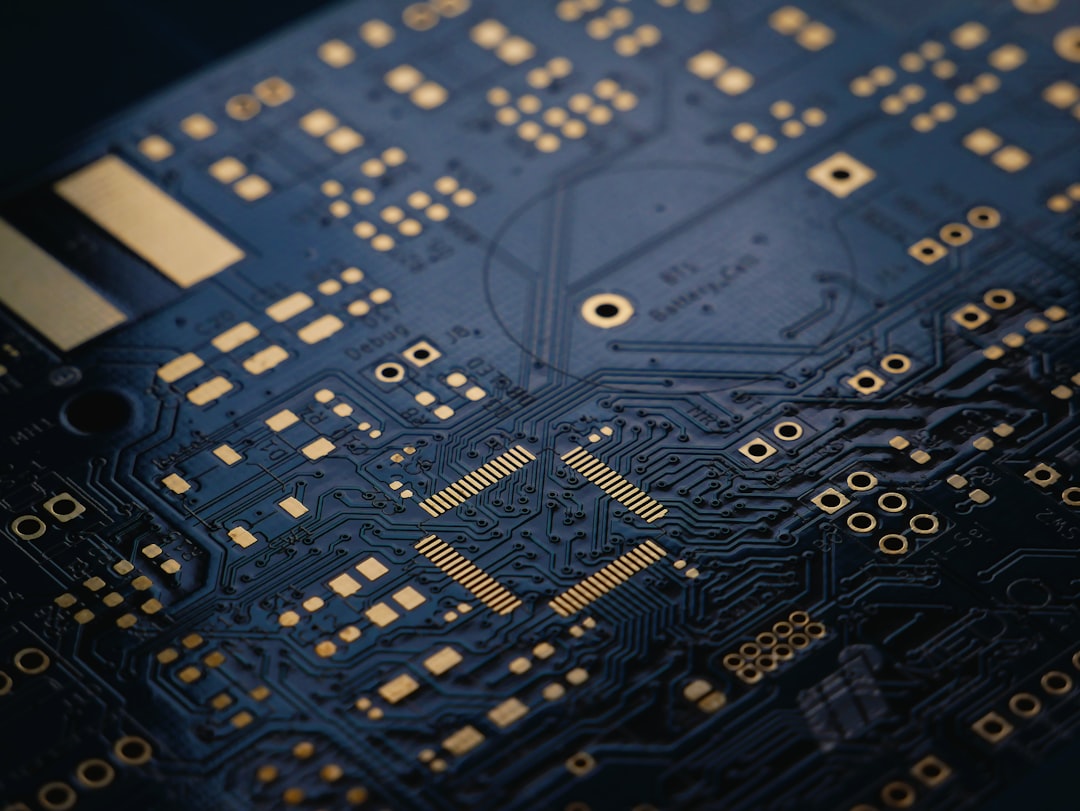
You’re standing at the heart of innovation, a place where tiny circuits hold immense power, shaping the very fabric of the modern world. You’re in Taiwan, the undisputed titan of the semiconductor industry. This isn’t just about making chips; it’s about a relentless pursuit of precision, an ecosystem of unparalleled collaboration, and a strategic vision that has cemented its dominance. As you delve into Taiwan’s burgeoning semiconductor landscape, you’ll discover the intricate dance of technology, talent, and geopolitical influence that keeps this island nation at the cutting edge.
Taiwan’s ascent to the pinnacle of semiconductor manufacturing wasn’t an overnight phenomenon. It’s a story built on foundational pillars, meticulously laid over decades. You’ll find that a combination of visionary government policies, a deeply ingrained culture of precision engineering, and a commitment to fostering a robust supply chain have created an environment where semiconductor innovation not only thrives but dictates global trends.
Visionary Government Support and Industrial Policy
You can trace the roots of Taiwan’s semiconductor success back to the foresight of its government. Decades ago, recognizing the limitations of its traditional industries, Taiwan’s leaders actively sought to cultivate high-tech sectors. This wasn’t just about passive encouragement; it involved strategic investments, the establishment of dedicated research institutions, and the creation of incentives to attract and retain talent.
The Industrial Technology Research Institute (ITRI)
One cannot discuss Taiwan’s semiconductor journey without acknowledging the pivotal role of the Industrial Technology Research Institute (ITRI). Founded in 1973, ITRI was instrumental in acquiring and then disseminating crucial semiconductor technology. Imagine ITRI as the initial catalyst, the one that brought advanced knowledge to the island, fostering critical research and development that laid the groundwork for future domestic champions. Your understanding of their early efforts to license technology and then develop indigenous capabilities is key to grasping the foundational stages.
Tax Incentives and Financial Support
You’ll also observe how the Taiwanese government consistently provided attractive tax incentives and financial support to emerging semiconductor companies. This included R&D tax credits, subsidies for capital expenditures, and favorable loan conditions. These measures created a more welcoming financial climate, reducing the risk for companies venturing into the capital-intensive world of chip fabrication. Think of it as planting seeds and nurturing them with the right resources, ensuring they could grow strong and resilient.
A Culture of Precision and Engineering Excellence
Beyond policy, there’s a deeply ingrained cultural emphasis on precision and engineering excellence in Taiwan. This translates directly to the meticulous processes required in semiconductor manufacturing, where even the smallest deviation can lead to costly failures. You’ll notice a societal appreciation for detail, a dedication to craftsmanship, and a pragmatic approach to problem-solving that resonates deeply within the industry.
The Emphasis on Quality Control
This cultural trait manifests in an unwavering commitment to quality control at every stage of production. From the raw materials to the final product, there’s a scrupulous attention to detail that ensures the highest standards are met. You can envision this as a national ethos, where pride in producing a flawless product is paramount, driving a continuous cycle of improvement.
A Highly Skilled Workforce
The result of this cultural emphasis and educational focus is a highly skilled and dedicated workforce. You’ll find generations of engineers and technicians who have honed their expertise in the intricate art of semiconductor manufacturing. This deep pool of talent, coupled with a strong work ethic, provides the human capital that underpins Taiwan’s continued success. It’s not just about the machines; it’s about the people who operate them with unparalleled mastery.
The Taiwan semiconductor industry continues to play a pivotal role in the global technology landscape, with recent developments highlighting its significance. For a deeper understanding of the challenges and opportunities facing this sector, you can read a related article that explores the impact of geopolitical tensions on semiconductor supply chains. Check it out here: Taiwan Semiconductor Industry Insights.
The Dominance of Foundry Services: TSMC’s Unrivaled Reign
When you speak of Taiwan’s semiconductor industry, one name inevitably rises above all others: Taiwan Semiconductor Manufacturing Company (TSMC). TSMC is not just a dominant player; it is the very embodiment of Taiwan’s foundry prowess, a company whose technological leadership and sheer scale have made it indispensable to the global tech ecosystem.
The Pure-Play Foundry Model: A Strategic Masterstroke
You can understand TSMC’s success by first appreciating the “pure-play” foundry model. Unlike integrated device manufacturers (IDMs) that design, manufacture, and sell their own chips, TSMC solely focuses on manufacturing chips for other companies. This specialization allowed them to concentrate their resources and expertise on achieving manufacturing excellence, unburdened by the complexities of product design and marketing.
Unbiased Manufacturing for All
This pure-play approach fosters trust. You’ll see that fabless semiconductor companies, those that design chips but outsource their production, can confidently turn to TSMC. They know their intellectual property is secure and that TSMC will manufacture their designs with the utmost precision, regardless of whether those designs compete with TSMC’s other clients. It’s a relationship built on neutrality and unparalleled manufacturing capability.
Dedication to Leading-Edge Process Technologies
TSMC’s relentless pursuit of leading-edge process technologies is another key differentiator. You’ll observe their consistent investment in research and development, pushing the boundaries of miniaturization and performance with each new node. From 7nm to 5nm and now 3nm, TSMC has consistently been the first, or among the first, to bring these advanced manufacturing processes to mass production, giving their clients a significant competitive advantage. Imagine this as a constant race to build smaller, faster, and more efficient pathways for electrons.
The Scale and Sophistication of TSMC’s Operations
The sheer scale and sophistication of TSMC’s manufacturing operations are awe-inspiring. You’re looking at a network of advanced fabrication plants, or “fabs,” employing millions of highly specialized individuals and utilizing incredibly complex machinery.
Advanced Fabrication Plants (Fabs)
Each of TSMC’s fabs is a marvel of engineering, a sterile environment where intricate lithography, etching, and deposition processes occur with sub-nanometer precision. You can picture these as high-tech cathedrals of silicon, where raw silicon wafers are transformed into the brains of our digital devices. The capital investment required for these facilities is astronomical, a testament to TSMC’s commitment to staying at the forefront.
Supply Chain Integration and Management
Beyond the fabs themselves, TSMC excels in its ability to manage an incredibly complex global supply chain. You’ll see the intricate coordination required to source raw materials, specialized equipment, and chemicals from around the world, all while ensuring timely delivery and maintaining stringent quality standards. This logistical mastery is as crucial to their success as their manufacturing prowess.
The Supporting Ecosystem: An Interconnected Network

Taiwan’s semiconductor dominance isn’t solely built on TSMC; it’s supported by a vast and interconnected ecosystem of companies, research institutions, and skilled professionals. You’ll discover a collaborative environment where innovation is fostered, and every player contributes to the overall strength of the industry.
Research and Development Institutions
You’ve already touched on ITRI, but Taiwan boasts a wider network of research and development institutions actively contributing to semiconductor advancements. These institutions often collaborate with universities and industry partners, driving fundamental research and translating it into practical applications.
University-Industry Collaborations
You’ll find numerous examples of universities partnering with semiconductor companies on specific research projects. This ensures that the academic research is aligned with industry needs, creating a pipeline of innovation and talent. Picture a synergistic relationship where academic curiosity fuels industrial progress, and industrial challenges guide academic exploration.
Specialized Research Centers
Taiwan also hosts specialized research centers focused on areas like advanced materials, packaging technologies, and chip design automation. These centers act as hubs for specialized knowledge, attracting top researchers and fostering breakthroughs in niche areas critical to the semiconductor value chain.
Equipment and Material Suppliers
The success of Taiwan’s semiconductor manufacturing is heavily reliant on a robust network of equipment and material suppliers, both domestic and international. You can’t make chips without the right tools and chemicals, and Taiwan has cultivated strong relationships and often fostered domestic capabilities in these supporting sectors.
Domestic Manufacturing of Equipment Components
While some highly specialized equipment is sourced globally, you’ll notice a growing domestic capability in manufacturing certain components and providing specialized services for semiconductor equipment. This reduces reliance on foreign suppliers and creates a more resilient domestic supply chain.
The Crucial Role of Chemical and Gas Suppliers
The purity and reliability of chemicals and specialty gases are paramount in semiconductor fabrication. Taiwan has developed a strong ecosystem of suppliers that provide these critical inputs, ensuring the high yields and quality required for advanced manufacturing. Imagine these suppliers as the unsung heroes, providing the essential ingredients that make advanced chip production possible.
Packaging and Testing Services (OSATs)
Another vital component of Taiwan’s semiconductor ecosystem are the Outsourced Semiconductor Assembly and Test (OSAT) companies. These companies take the finished wafers from foundries like TSMC and perform the intricate processes of dicing, packaging, and testing the individual chips.
Enhancing Chip Performance and Reliability
The advancements in packaging technology are increasingly crucial for enhancing chip performance, power efficiency, and reliability. Taiwan’s OSATs are at the forefront of developing and implementing these advanced packaging techniques, adding significant value to the semiconductor manufacturing process. You can think of them as the final polishers, making sure the chips are not only functional but optimized for their intended applications.
The Importance of Testing and Quality Assurance
Testing is the final gatekeeper, ensuring that every chip meets its specifications before it reaches the end-user. Taiwan’s OSATs play a critical role in rigorous testing and quality assurance, contributing to the high reliability standards that global tech companies expect. It’s the final seal of approval, guaranteeing the integrity of the silicon heart of your devices.
Geopolitical Significance and Global Influence

You’re now looking at Taiwan’s semiconductor industry through the lens of its immense geopolitical significance. In an increasingly interconnected world, the island’s dominance in a critical technology sector has elevated its strategic importance to an unprecedented level.
The “Silicon Shield” Concept
You’ll often hear about Taiwan’s “Silicon Shield.” This refers to the idea that Taiwan’s indispensable role in the global semiconductor supply chain acts as a deterrent against potential aggression. The disruption or destruction of Taiwan’s semiconductor manufacturing would have catastrophic economic consequences worldwide, making any military action against the island far more costly and complex.
Global Reliance on Taiwanese Chips
The sheer volume and sophistication of chips manufactured in Taiwan mean that virtually every major technology company, from smartphone giants to automotive manufacturers and cloud computing providers, relies on Taiwanese semiconductor production. You can envision this as a critical artery, and any blockage would have far-reaching and devastating effects on the global economy.
The Strategic Importance of Self-Sufficiency
This reliance also highlights the ongoing global push for diversification and self-sufficiency in semiconductor manufacturing. While Taiwan’s dominance remains, the awareness of its strategic vulnerability has spurred efforts by other nations to build their own domestic semiconductor capabilities, though the path to matching Taiwan’s expertise is long and arduous.
The Impact of US-China Trade Tensions
You cannot discuss Taiwan’s semiconductor industry without acknowledging the profound impact of US-China trade tensions. These tensions have placed Taiwan squarely in the middle of a technological rivalry, with the US seeking to limit China’s access to advanced semiconductor technology and manufacturing capabilities.
Restrictions on Technology Transfer
You’ll see how US sanctions have targeted Chinese semiconductor companies, restricting their ability to acquire advanced chipmaking equipment and designs. This has, in turn, boosted demand for TSMC’s services from companies outside of China and intensified global efforts to secure semiconductor supply chains.
The Balancing Act for Taiwanese Companies
Taiwanese semiconductor companies, particularly TSMC, are caught in a delicate balancing act. They must navigate the demands of both the US and China, two of their largest markets and crucial partners. You can imagine this as walking a tightrope, where any misstep could have significant repercussions. Their commitment to neutrality and adherence to international regulations are paramount.
The Taiwan semiconductor industry continues to play a crucial role in the global technology landscape, with its advancements significantly impacting various sectors. For a deeper understanding of the challenges and opportunities faced by this vital industry, you can explore a related article that discusses the future of semiconductor manufacturing in Taiwan. This insightful piece highlights the strategic importance of Taiwan’s semiconductor firms in the context of global supply chains and technological innovation. To read more about this topic, visit this article.
The Future Trajectory: Challenges and Opportunities
| Metrics | Data |
|---|---|
| Revenue | 115.6 billion in 2020 |
| Market Share | 21% of global semiconductor market |
| Employment | Over 270,000 people employed |
| Export | Over 70% of semiconductor products are exported |
As you look ahead, Taiwan’s semiconductor industry is poised for continued growth, but it also faces a unique set of challenges and exciting opportunities. The industry’s ability to adapt and innovate will determine its trajectory in the coming years.
The Drive for Global Diversification
You’ll witness the growing trend of semiconductor manufacturing diversification. As countries recognize the strategic importance of semiconductors, they are actively encouraging the establishment of advanced fabrication facilities on their own soil. This presents both a challenge and an opportunity for Taiwanese companies.
Expansion of Overseas Manufacturing
TSMC and other Taiwanese semiconductor companies are already expanding their manufacturing presence overseas. This includes building new fabs in the United States and Japan, diversifying their production capabilities and reducing reliance on a single geographic location. You can see this as a strategic extension, reinforcing their global reach while also responding to geopolitical pressures.
Competition from New Entrants
While Taiwan maintains a significant lead, the investment and ambition of other nations in building their own semiconductor industries mean that competition is increasing. Taiwan will need to continue its relentless pursuit of innovation and efficiency to maintain its edge.
The Evolution of Chip Technology and Applications
The future of the semiconductor industry is intrinsically linked to the evolution of chip technology and the emergence of new applications. You are at the cusp of breakthroughs that will redefine computing, artificial intelligence, and countless other fields.
The Rise of AI and High-Performance Computing (HPC)
The insatiable demand for AI and high-performance computing (HPC) is a major driver of innovation in semiconductor technology. You’ll see how the development of increasingly powerful and specialized chips is crucial for training large AI models, enabling sophisticated simulations, and powering the next generation of supercomputers. Taiwan’s foundries are central to realizing this future.
Advanced Packaging and Heterogeneous Integration
You’ll also observe the increasing importance of advanced packaging and heterogeneous integration. Instead of solely relying on shrinking transistors, the industry is finding new ways to combine different types of chips and functionalities into a single package, creating more powerful and efficient systems. This is an area where Taiwan’s OSATs are particularly well-positioned to lead.
Talent Development and Environmental Sustainability
As the industry continues to evolve, two critical areas that demand attention are talent development and environmental sustainability. You’ll see that ensuring a continuous pipeline of skilled professionals and operating in an environmentally responsible manner are crucial for long-term success.
Nurturing the Next Generation of Innovators
You’ll recognize the ongoing need to attract and retain top engineering talent. This involves investing in STEM education, fostering a nurturing work environment, and offering competitive rewards. The future of Taiwan’s semiconductor industry depends on its ability to cultivate and inspire the next generation of innovators.
Embracing Green Manufacturing Practices
The semiconductor industry is an energy-intensive one. You’ll find a growing emphasis on embracing green manufacturing practices, reducing water consumption, and minimizing waste. This commitment to environmental sustainability is not only a regulatory requirement but also a crucial aspect of responsible corporate citizenship in the 21st century.
In conclusion, your journey through Taiwan’s growing semiconductor industry reveals a story of strategic foresight, unyielding dedication to excellence, and a dynamic interplay of technology, talent, and geopolitics. You’ve witnessed the foundational pillars, the reign of TSMC, the strength of its supporting ecosystem, and its profound global influence. As you look to the future, you see a landscape of both significant challenges and remarkable opportunities, one that Taiwan is uniquely positioned to shape. You are, in essence, observing the engine that powers your digital world, and it’s located on this remarkable island.

The Taiwan Strait: The Most Dangerous Place in the Global Economy
FAQs
What is the current state of the semiconductor industry in Taiwan?
Taiwan is a major player in the global semiconductor industry, with companies like TSMC and UMC leading the way in chip manufacturing. The industry is known for its advanced technology and high-quality products.
What are the key factors driving the growth of the semiconductor industry in Taiwan?
The growth of the semiconductor industry in Taiwan is driven by factors such as increasing demand for electronic devices, the development of new technologies, and strong government support for the industry.
How does the semiconductor industry in Taiwan contribute to the global market?
Taiwan’s semiconductor industry is a key contributor to the global market, supplying chips for a wide range of electronic devices, including smartphones, computers, and automotive systems. The industry’s advanced technology and high production capacity make it a crucial player in the global supply chain.
What are the challenges facing the semiconductor industry in Taiwan?
Challenges facing the semiconductor industry in Taiwan include increasing competition from other countries, the need to continuously invest in research and development, and the impact of geopolitical tensions on the supply chain.
What are the future prospects for the semiconductor industry in Taiwan?
The future prospects for the semiconductor industry in Taiwan are promising, with continued growth expected due to increasing demand for electronic devices and ongoing technological advancements. The industry is also likely to benefit from government initiatives aimed at promoting innovation and sustainability.