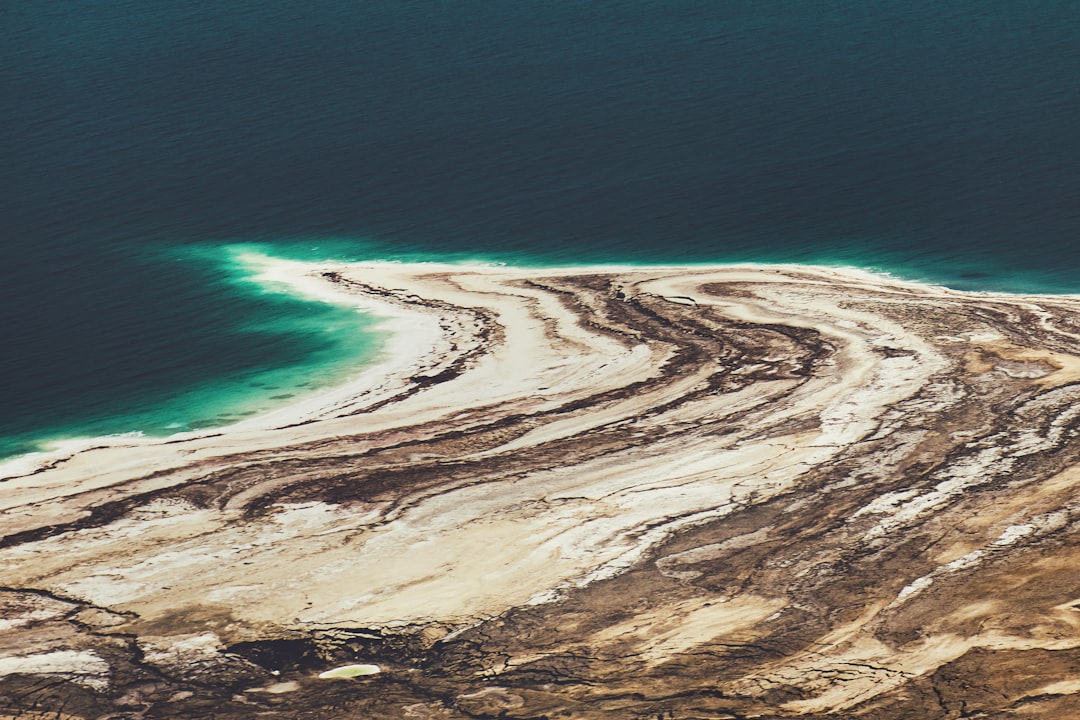
The Dead Sea, a hypersaline lake renowned for its unique mineral composition and therapeutic properties, has long been a source of valuable salts. For decades, industrial-scale extraction of these salts has occurred primarily through a network of evaporation ponds, particularly in the southern basin. While this method has been economically significant, concerns regarding its environmental impact and the long-term sustainability of the Dead Sea itself have grown. This article explores the principles and practices of sustainable salt production within the southern Dead Sea evaporation ponds, examining the technological advancements, environmental considerations, and future strategies aimed at balancing economic needs with ecological preservation.
The Unique Environment of the Dead Sea and Salt Formation
The Dead Sea’s extraordinary salinity, approximately ten times that of the ocean, is a direct consequence of its geological setting and hydrological balance. Situated at the lowest point on Earth’s surface, it receives inflow from the Jordan River and other tributaries, but lacks any natural outlet. Evaporation, driven by the intense desert sun and arid climate, concentrates the dissolved minerals, leading to the formation of various salts. The southern basin, with its expansive shallow areas, has been particularly conducive to the development of extensive evaporation pond systems.
Geographical and Geological Factors
The Dead Sea lies within the Jordan Rift Valley, a tectonically active region formed by the separation of the African and Arabian plates. This geological context has resulted in a deep depression, where water accumulates and is trapped. The surrounding rock formations are rich in mineral deposits, which are leached into the incoming river water, contributing to the Dead Sea’s distinctive chemical profile. The arid climate, characterized by high temperatures and low rainfall, further accelerates evaporation rates, making it an ideal location for solar evaporation-based salt production.
Mineral Composition and Salt Harvesting
The water of the Dead Sea is a complex brine, with a high concentration of sodium chloride (table salt), potassium chloride, magnesium chloride, and calcium chloride, among other minerals. As water evaporates in the meticulously engineered ponds, the dissolved salts precipitate out in distinct layers based on their solubility. The process typically begins with the precipitation of halite (sodium chloride), followed by carnallite (potassium magnesium chloride hydrate) and other less soluble minerals. The concentration and stratification of these salts are crucial for the efficient and selective harvesting of desired mineral products.
The southern Dead Sea evaporation ponds are a fascinating subject, particularly in the context of their ecological and economic significance. For a deeper understanding of the processes involved in the evaporation and mineral extraction in this unique region, you can explore a related article that provides insights into the geological and environmental aspects of the Dead Sea. To read more about this topic, visit My Geo Quest.
Traditional Evaporation Pond Systems
For many years, the salt production in the southern Dead Sea has relied on a system of interconnected evaporation ponds. These ponds are designed to maximize the surface area exposed to solar radiation, thereby enhancing the rate of evaporation. The process is largely passive, driven by natural environmental conditions, with minimal energy input required for the evaporation itself.
Pond Design and Management
The evaporation ponds are typically large, shallow basins, often lined with impermeable materials to prevent leakage into the surrounding environment. Water from the Dead Sea is pumped into the initial ponds, where the highest salinity brine is formed through evaporation. As the brine becomes more concentrated, it is progressively moved to subsequent ponds, where different salts precipitate out. The sequence of ponds is carefully managed to control the concentration of the brine and the purity of the precipitated salts.
Salt Harvesting Techniques
Traditional harvesting methods involve mechanical scraping or suction of the precipitated salt from the pond beds. This salt is then collected, washed, and processed for various industrial and commercial applications. The precipitated salts, particularly those rich in potassium and magnesium, are highly valued for their use in agriculture, pharmaceuticals, and industrial processes. The efficiency and effectiveness of these harvesting techniques are critical to the economic viability of the salt production operations.
Environmental Considerations and Challenges
While the evaporation pond system for salt production is inherently energy-efficient, it is not without its environmental implications. The most significant concern relates to the continuous decline in the Dead Sea’s water level, a phenomenon exacerbated by upstream water diversions and the intensive evaporation process.
Water Level Decline and Ecological Impact
The reduction in the Dead Sea’s water level has far-reaching ecological consequences. The shrinking shoreline leads to the formation of sinkholes along the coast, posing a threat to infrastructure and natural habitats. The increased salinity and changes in water chemistry can also impact the unique microbial ecosystems that thrive in the Dead Sea. Furthermore, the evaporation ponds themselves occupy significant land areas, altering the landscape and potentially affecting local biodiversity.
Brine Management and Pollution Concerns
The management of concentrated brines and the disposal of residual waste are also critical environmental considerations. Inadequate management can lead to the contamination of surrounding freshwater sources or the alteration of soil salinity in adjacent agricultural lands. While efforts are made to minimize pollution, the sheer volume of brine processed necessitates careful planning and advanced treatment methods.
Impact on Coastal Ecosystems
The drying up of the Dead Sea shoreline affects the delicate coastal ecosystems, including halophytic vegetation and the invertebrates that depend on them. The dramatic changes in water levels and salinity disrupt the natural habitats, leading to a decline in biodiversity and a loss of ecological resilience.
Towards Sustainable Salt Production: Innovations and Strategies
Recognizing the environmental challenges, significant efforts are being made to enhance the sustainability of salt production in the southern Dead Sea. These initiatives focus on optimizing existing processes, adopting new technologies, and implementing comprehensive environmental management practices.
Advanced Evaporation Technologies
While solar evaporation is the foundation, advancements are being explored to improve its efficiency and reduce its footprint. This includes the development of more efficient pond designs, such as those with optimized surface area to volume ratios, and the potential integration of renewable energy sources to power pumps and other operational needs. Research into innovative evaporation techniques that require less land area or reduce brine discharge is also underway.
Improved Brine Management and Waste Minimization
Sustainable practices emphasize the efficient utilization of brine and the minimization of waste. This involves exploring methods for extracting additional valuable minerals from the brine before it is discharged or recycled. Advanced wastewater treatment technologies are being implemented to ensure that any discharged brine meets strict environmental standards, preventing pollution of surrounding water bodies and soils. Circular economy principles are increasingly being applied, aiming to recover and reuse byproducts from the salt extraction process.
Water Conservation and Diversion Management
Addressing the Dead Sea’s water level decline requires a multi-faceted approach. Sustainable salt production must be integrated with broader efforts to manage water resources in the region. This includes advocating for more efficient water use upstream, exploring options for regional water cooperation, and potentially investigating desalination projects that could provide a source of freshwater for both industrial use and environmental needs, while also managing brine discharge responsibly.
Environmental Monitoring and Research
Robust environmental monitoring programs are essential to track the impacts of salt production and the overall health of the Dead Sea ecosystem. This includes regular monitoring of water levels, salinity, chemical composition, and biodiversity. Continued research into the complex interactions within the Dead Sea ecosystem will inform the development of more effective sustainable practices and conservation strategies. Understanding the long-term effects of salt production and water management is crucial for informed decision-making.
The southern Dead Sea evaporation ponds are a fascinating subject, especially when considering their impact on the local ecosystem and economy. For those interested in learning more about this unique phenomenon, a related article can provide valuable insights into the processes involved and the challenges faced in the region. You can explore this further in the article available here, which delves into the environmental implications and the future of the Dead Sea area.
Economic and Social Implications of Sustainable Production
The transition to sustainable salt production in the southern Dead Sea is not solely an environmental imperative; it also holds significant economic and social implications. Maintaining and enhancing the economic benefits derived from the Dead Sea’s mineral resources while ensuring their long-term availability requires a balanced approach.
Economic Diversification and Value Addition
Sustainable production can foster economic diversification by focusing on the extraction of a wider range of valuable minerals beyond basic sodium chloride. This includes the recovery of high-demand minerals like magnesium, potassium, and lithium, which are crucial for various advanced industries. Value-added processing and the development of specialized mineral products can create new economic opportunities and enhance the profitability of the salt extraction industry.
Job Creation and Community Development
Implementing sustainable practices often requires investment in new technologies and more sophisticated operational processes. This can lead to the creation of new, higher-skilled jobs within the industry. Furthermore, engaging local communities in sustainable development initiatives and ensuring that they benefit from the economic activities can foster social cohesion and support long-term environmental stewardship. Empowering local populations and involving them in decision-making processes is key to equitable development.
International Cooperation and Policy Frameworks
The Dead Sea is a shared resource, and its sustainable management requires international cooperation. Collaboration between the countries bordering the Dead Sea, along with international organizations and scientific institutions, is crucial for developing and implementing effective policies and strategies. Establishing clear regulatory frameworks, promoting best practices, and fostering knowledge exchange are vital for ensuring the long-term health of the Dead Sea and the sustainability of its mineral resources.
The Future of Salt Production in the Southern Dead Sea
The future of salt production in the southern Dead Sea hinges on the successful integration of technological innovation, robust environmental management, and collaborative governance. The inherent challenges are significant, but so too are the opportunities for creating a model of sustainable resource utilization.
Technological Advancements and Automation
Continued investment in research and development will drive further advancements in evaporation pond design, brine processing, and mineral extraction technologies. Automation and digital solutions can improve operational efficiency, reduce human error, and enhance safety. The integration of artificial intelligence and data analytics can enable more precise control over the evaporation and precipitation processes, leading to higher yields and purer products.
Circular Economy Models and Resource Recovery
The adoption of comprehensive circular economy models will be paramount. This means moving beyond linear “take-make-dispose” approaches to resource recovery and reuse. Innovative methods for extracting and utilizing byproducts, such as the development of construction materials from precipitated salts or the extraction of rare earth elements, can significantly enhance the sustainability and economic viability of the industry.
Ecosystem Restoration and Rehabilitation
As efforts to stabilize the Dead Sea’s water level and mitigate its environmental impacts continue, the focus will also extend to ecosystem restoration and rehabilitation. This may involve projects aimed at reintroducing native flora and fauna to coastal areas or implementing measures to stabilize shorelines and prevent further erosion. Sustainable salt production must be viewed as part of a broader conservation strategy for the entire Dead Sea basin.
Education and Public Awareness
Raising public awareness about the importance of the Dead Sea and the challenges it faces is crucial for garnering support for sustainable practices. Educational initiatives and public outreach programs can foster a sense of shared responsibility and encourage responsible consumption of products derived from the Dead Sea. Empowering citizens with knowledge is a vital step towards collective action and long-term environmental protection.
In conclusion, sustainable salt production in the southern Dead Sea evaporation ponds represents a complex but achievable goal. By embracing technological innovation, prioritizing environmental stewardship, and fostering collaboration, it is possible to harness the unique mineral wealth of the Dead Sea while safeguarding its ecological integrity for future generations. The journey towards true sustainability is ongoing, demanding continuous adaptation, innovation, and a deep commitment to balancing economic prosperity with environmental preservation. The lessons learned in this unique and fragile environment can offer valuable insights for sustainable resource management globally.
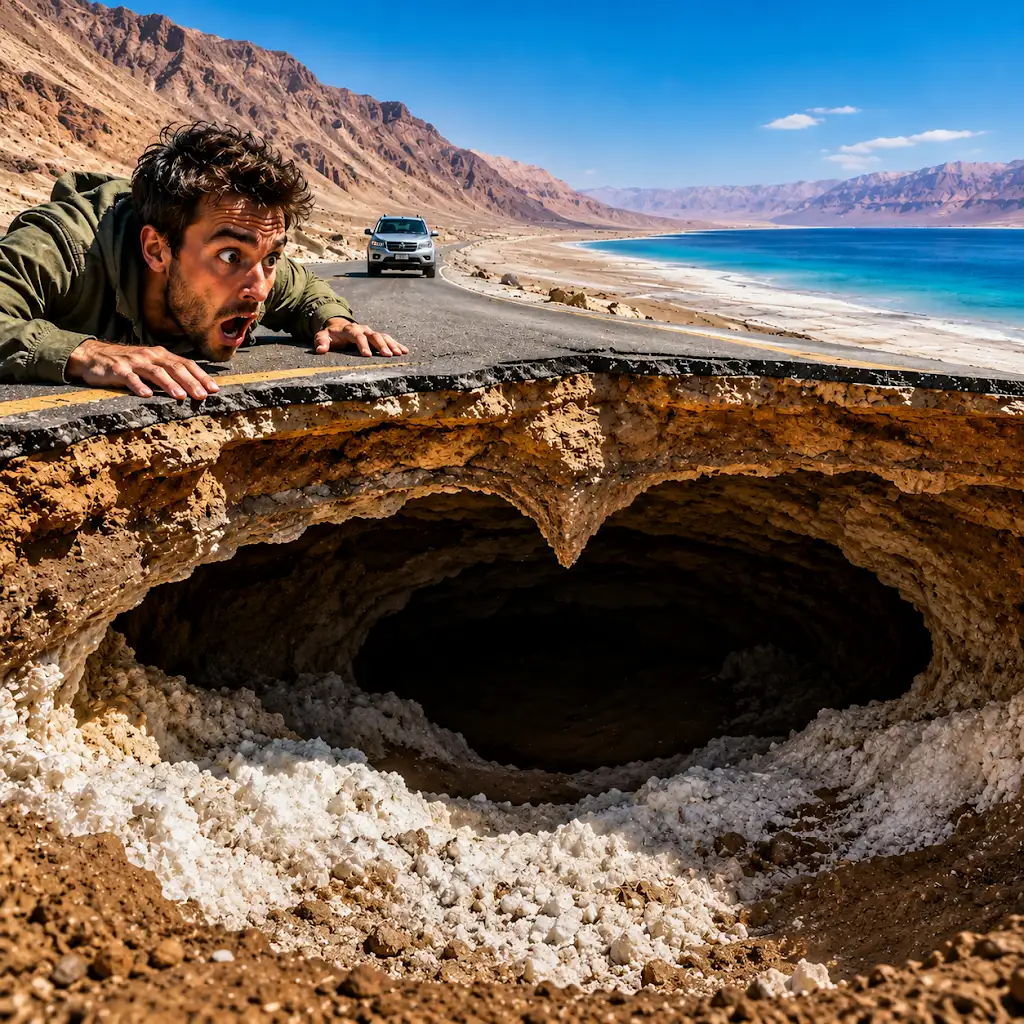
The Dead Sea Is Vanishing — And Leaving Giant Holes Behind
FAQs
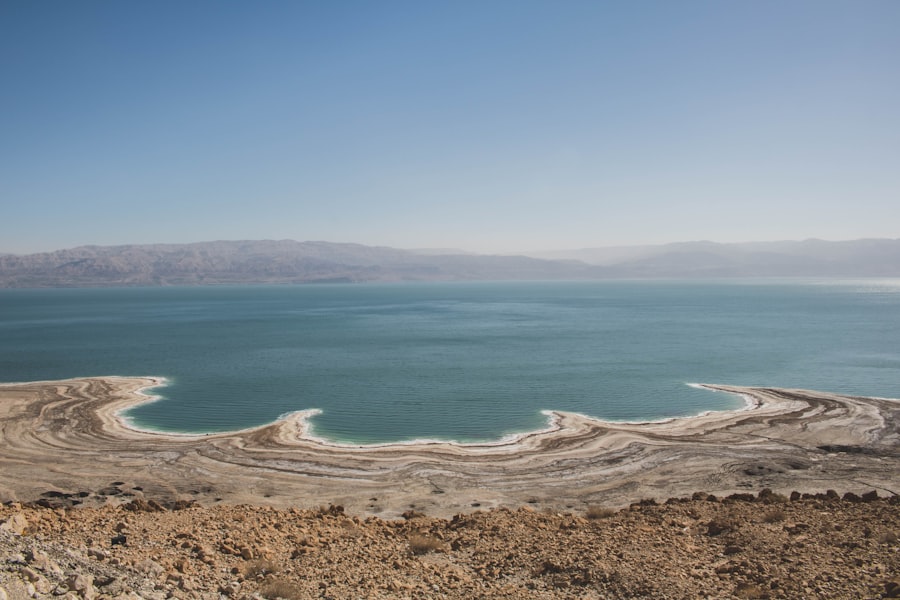
What are the Southern Dead Sea evaporation ponds?
The Southern Dead Sea evaporation ponds are large man-made pools used to extract minerals from the Dead Sea water through natural evaporation process.
How are the Southern Dead Sea evaporation ponds used?
The evaporation ponds are used to extract minerals such as salt, potassium, and magnesium from the Dead Sea water. The water is pumped into the ponds and left to evaporate, leaving behind the mineral deposits.
What is the significance of the Southern Dead Sea evaporation ponds?
The evaporation ponds play a crucial role in the extraction of valuable minerals from the Dead Sea, which are used in various industries such as agriculture, cosmetics, and pharmaceuticals.
How do the Southern Dead Sea evaporation ponds impact the environment?
The evaporation ponds can have environmental impacts such as altering the natural landscape and affecting the local ecosystem. Efforts are made to minimize these impacts through sustainable practices and environmental monitoring.
Are the Southern Dead Sea evaporation ponds open to the public?
The evaporation ponds are typically not open to the public due to safety and operational reasons. However, there are guided tours and visitor centers in the area that provide information about the evaporation process and its significance.