
Whispers from the Crater: Youssouf Mussa’s Harrowing Night at Lake Nyos
The stillness of the Cameroonian highlands was a deceptive prelude to the horror that unfolded on August 21, 1986. For Youssouf Mussa, a young man living in the village of Kumbo, nestled in the shadow of the majestic but volatile Lake Nyos, the day began like any other. The air was crisp, the fields ripe for harvest, and the rhythm of village life flowed with a comforting predictability. Little did he know, the earth beneath his feet held a dormant threat, a breath of deadly gas that would soon transform his world into a nightmare. This is the story of his survival, a testament to resilience in the face of an unimaginable natural disaster.
Youssouf Mussa’s harrowing account as a survivor of the Lake Nyos disaster provides a chilling insight into the catastrophic events that unfolded in 1986. For those interested in exploring more about the geological phenomena that led to this tragedy, a related article can be found at this link, which delves into the science behind lake overturns and their potential dangers.
The Unseen Predator: The Eerie Calm Before the Storm
Youssouf Mussa, a vibrant young man with a future stretching before him, had grown up in the shadow of Lake Nyos. The lake, a beautiful, deep crater lake, was a source of both sustenance and wonder for the local communities. Fishing was a common livelihood, and the lake’s scenic beauty attracted occasional visitors. For Youssouf, it was simply part of the landscape, a familiar presence. He recalled the day vividly, a day that would forever be etched in his memory. The morning had been clear, the sun warming the fertile soil. He had gone about his daily chores, perhaps helping his family with farm work or engaging in the usual social interactions that defined village life. There were no overt signs of impending danger, no seismic tremors, no unusual animal behavior that might have served as a warning. The lake, with its placid surface, held its secrets tightly, its deadly capacity masked by an almost serene beauty. The geological conditions that would lead to the catastrophic release of carbon dioxide were entirely invisible to the naked eye, a slow-burning fuse ticking away beneath the tranquil waters.
The Subtle Shifts: Anomalies Unnoticed
Looking back, Youssouf admits that there might have been subtle shifts in the environment, however insignificant they seemed at the time. Perhaps the water levels of the lake had been slightly different, or the usual abundance of birds might have been diminished. These are the kinds of observations that often gain significance only in retrospect, when the unimaginable has already occurred. In the absence of any prior knowledge of the lake’s peculiar geological makeup – its volcanic origins and the potential for gas accumulation within its depths – these minor fluctuations would have passed without concern. The villagers, like Youssouf, lived in harmony with their surroundings, attributing any variations to the natural ebb and flow of the seasons. The idea that their beautiful lake could harbor such a potent and deadly force was beyond their comprehension.
The Daily Grind: A Life Unburdened by Fear
Youssouf’s life, like that of most young men in Kumbo, was characterized by hard work and community spirit. His days were likely filled with agricultural tasks, tending to crops like maize and yams, or perhaps assisting with the upkeep of the family home. Socializing with friends, sharing stories, and participating in village gatherings were integral parts of his existence. The challenges he faced were the typical ones of rural life – the unpredictable weather, the demands of farming, and the occasional minor illness. The notion of a silent, invisible killer lurking in the nearby lake was not a part of his reality. The safety and security of his home and community were taken for granted, a fundamental aspect of his world that he never questioned. This lack of apprehension, while understandable, would make the sudden onset of the disaster all the more shocking and disorienting.
The Night of the Unbreathable Air: A Descent into Chaos
As dusk settled on August 21st, a change began to creep into the atmosphere, an insidious alteration that Youssouf would soon experience firsthand. The air, which had been clear and crisp throughout the day, started to thicken, carrying with it an unusual odor, a metallic, acrid scent that pricked at the senses. It was a subtle shift at first, easily dismissed as the lingering smell of woodsmoke or the dampness of the evening. But as the night deepened, the air grew heavy, oppressive, and with it, a strange lethargy began to descend upon the village. Youssouf, like his neighbors, found himself struggling to breathe, a desperate, gasping need for air that felt increasingly futile.
The Onset of Suffocation: A Silent Killer’s Embrace
The first signs were disorienting. Youssouf recalled a growing feeling of weakness, a pervasive fatigue that made even simple movements an effort. He felt a tightness in his chest, a sensation akin to being squeezed. The usual sounds of the night – the chirping of insects, the distant calls of animals – seemed to fade, replaced by a suffocating silence. He tried to call out, but his voice was weak, choked by the thickening air. Panic began to set in, a cold, creeping dread as he realized that something was terribly wrong. The air itself, the very element essential for life, had become an enemy. He saw others in his village experiencing similar distress, their movements slow and uncoordinated, their faces contorted in silent agony.
The Poisonous Breath: The Invisible Cloud Descends
The scientific explanation, though unknown to Youssouf at the time, would later reveal the terrifying truth: a massive release of carbon dioxide from the depths of Lake Nyos had occurred. The gas, heavier than air, had flowed downhill, engulfing the surrounding villages in a dense, invisible cloud. For Youssouf and the inhabitants of Kumbo, it was a direct confrontation with this deadly exhalation. He described the suffocating sensation, the burning in his lungs, and the overwhelming urge to collapse. There was no fire, no explosion, no visible force – just an invisible agent that stole the very breath from their bodies. The darkness of the night amplified the terror, rendering the source of their suffering unseen, making it an even more primal and terrifying experience.
The Falling Victims: A Scene of Unimaginable Loss
As the carbon dioxide cloud intensified, Youssouf witnessed a scene of unimaginable tragedy. People, overcome by the suffocating gas, simply collapsed where they stood or lay. He saw his neighbors, friends, and even family members succumb to the invisible killer. The pleas for help, the cries of distress, were muffled and short-lived, quickly silenced by the overwhelming pressure of the gas. The once familiar and comforting sounds of the village were replaced by a horrifying stillness, punctuated only by the labored gasps of those who, like Youssouf, were still fighting for their lives. The scale of the devastation was immense, a swift and brutal extermination that left Youssouf reeling in shock and disbelief.
The Struggle for Survival: Youssouf’s Fight for Air
In the midst of the unfolding disaster, Youssouf’s instinct for survival kicked in. Despite the debilitating effects of the carbon dioxide, he fought against the encroaching darkness, driven by an primal urge to live. He understood, perhaps instinctively, that remaining in the thick of the gas was a death sentence. His memory of this period is a fragmented tapestry of desperate actions, fueled by adrenaline and the sheer will to escape.
The Instinct to Ascend: Seeking Higher Ground
Youssouf’s most crucial realization was the need to move to higher ground. He understood that the heavier-than-air carbon dioxide would settle in the lower-lying areas. With immense effort, he began to move, stumbling and falling, his lungs burning with every shallow breath. He was not alone in this desperate attempt; others, similarly driven by instinct, were also struggling to ascend. The visual of these weakened figures, struggling against the invisible force, is a stark reminder of the raw power of the natural world and the tenacity of the human spirit. He remembers seeing the faint outlines of others making their way uphill, their movements slow and jerky, a silent testament to their shared struggle.
The Slow Ascent: A Perilous Journey
The journey upwards was agonizingly slow. Every step was a monumental effort, his legs heavy, his vision blurred. The air, while slightly less concentrated at higher elevations, was still thick and difficult to breathe. He recalled the sensation of his heart pounding in his chest, a desperate drumbeat against the silence of the dying village. The sounds of suffering, though now distant, were still a haunting reminder of the devastation below. He pushed on, driven by an unseen force, the desire to find clear air, to simply breathe again. He remembers the fear of falling, of succumbing to exhaustion before reaching safety, a constant companion throughout his arduous climb.
The Glimmer of Hope: Reaching Less Toxic Air
Eventually, through sheer perseverance, Youssouf reached a point where the air began to feel slightly less oppressive. The burning in his lungs eased, and he could draw slightly deeper breaths, though they were still ragged and uncertain. He collapsed, gasping for air, his body wracked with exhaustion and the lingering effects of the gas. He looked back towards the village, now shrouded in an eerie silence and a hazy mist that he now understood was the deadly cloud. The sight was both horrifying and a confirmation of his desperate gamble. He had survived, but the cost was immense, the landscape of his life forever altered by the horrors he had witnessed.
Youssouf Mussa’s harrowing account as a survivor of the Lake Nyos disaster highlights the profound impact of natural catastrophes on human lives. For those interested in exploring more about the geological phenomena that can lead to such tragedies, a related article can be found at My Geo Quest, which delves into the science behind volcanic lakes and the dangers they pose. This resource provides valuable insights into the environmental factors that contribute to events like the one experienced by Mussa, further emphasizing the importance of understanding our planet’s dynamics.
The Devastated Landscape: Witnessing the Aftermath
| Metric | Details |
|---|---|
| Name | Youssouf Mussa |
| Event | Lake Nyos Disaster Survivor Account |
| Date of Incident | August 21, 1986 |
| Location | Lake Nyos, Cameroon |
| Type of Disaster | Limnic Eruption (CO2 gas release) |
| Survivor’s Experience | Escaped immediate area, witnessed mass casualties, described suffocating gas cloud |
| Number of People Affected | Approximately 1,746 fatalities in nearby villages |
| Survivor’s Role | Eyewitness account contributing to scientific understanding and disaster awareness |
| Impact on Community | Displacement, loss of life, long-term health effects |
Emerging from the immediate danger, Youssouf was confronted with a scene of unimaginable devastation. The morning after the disaster revealed the full extent of Lake Nyos’s deadly embrace. The silence that had settled over the village was not one of peace, but of death.
The Silent Village: A Grim Discovery
As the sun rose, illuminating the horror, Youssouf and the other survivors began to explore the extent of the tragedy. The village of Kumbo, and others in the vicinity, were eerily still. The familiar sights and sounds of daily life were gone, replaced by a somber stillness. People lay where they had fallen, their bodies undisturbed, testament to the suddenness and finality of their demise. Youssouf recounted the heartbreaking task of finding loved ones, the crushing realization of loss that accompanied each discovery. The air, though clearer, carried the heavy weight of grief and sorrow.
The Bodies of the Fallen: A Stark Reality
The sight of the deceased was a stark and brutal reality. Youssouf described the unnerving stillness of the bodies, a chilling testament to the swiftness of the carbon dioxide poisoning. There were no signs of struggle, no outward wounds, just a peaceful, yet tragic, stillness. He remembered the pervasive smell, a faint but distinct odor that lingered in the air. The sheer number of victims was overwhelming, a stark reminder of the destructive power of the natural phenomenon. The realization that so many lives had been extinguished in a single night was a burden he would carry forever.
The Questions and the Grief: Seeking Understanding
In the days that followed, as the initial shock began to recede, a profound sense of bewilderment and grief settled upon the survivors. The questions were endless: Why had this happened? How could the beautiful lake, their source of life, turn into a harbinger of death? The scientific explanations would eventually emerge, but in the immediate aftermath, it was a world turned upside down, a natural order shattered. Youssouf, like the others, grappled with the unimaginable loss and the deep emotional scars left by the ordeal. The communal grief was palpable, a shared experience of trauma that bound the survivors together in their sorrow.
A Changed World: The Lingering Echoes of Nyos
The Lake Nyos disaster left an indelible mark on Youssouf Mussa and the surrounding communities. While the immediate threat subsided, the psychological and societal impacts continued to resonate for years to come.
The Scars of Trauma: A Nightmares’ Remnant
The physical recovery was only one part of the healing process. The psychological trauma of witnessing such widespread death and destruction lingered for Youssouf and the other survivors. Nightmares, flashbacks, and a persistent sense of anxiety became common. The beautiful lake, once a symbol of nature’s bounty, was now a source of fear and apprehension. Trust in the perceived safety of their surroundings was shattered, replaced by a constant undercurrent of vulnerability. The memory of that night, the suffocating air, and the silent falling of loved ones, was a shadow that would follow them.
Rebuilding Lives and Communities: A Renewed Spirit
Despite the devastation, the spirit of the communities began to reassert itself. Survivors, bound by their shared experience, helped each other to rebuild their lives and their villages. There was a profound sense of solidarity and mutual support. New farming methods were explored, and efforts were made to understand and mitigate future risks. The lake remained, a constant reminder, but the people learned to live with it, albeit with a heightened awareness and a deep respect for its potential power. The resilience of the human spirit was evident in their determination to not let the disaster define their future.
The Legacy of Lake Nyos: A Cautionary Tale
Youssouf Mussa’s account is more than just a personal story of survival; it is a vital piece of the broader legacy of Lake Nyos. His firsthand experience provides a human face to the scientific data and the historical records. His story serves as a potent reminder of the immense power of natural forces and the importance of understanding and respecting the delicate balance of our planet. The disaster brought to light the phenomenon of limnic eruptions, prompting further scientific research and the development of early warning systems for similar lakes around the world. Youssouf’s survival, and his willingness to share his harrowing experience, ensures that the lessons learned from that terrifying night at Lake Nyos will not be forgotten, serving as a crucial cautionary tale for generations to come.
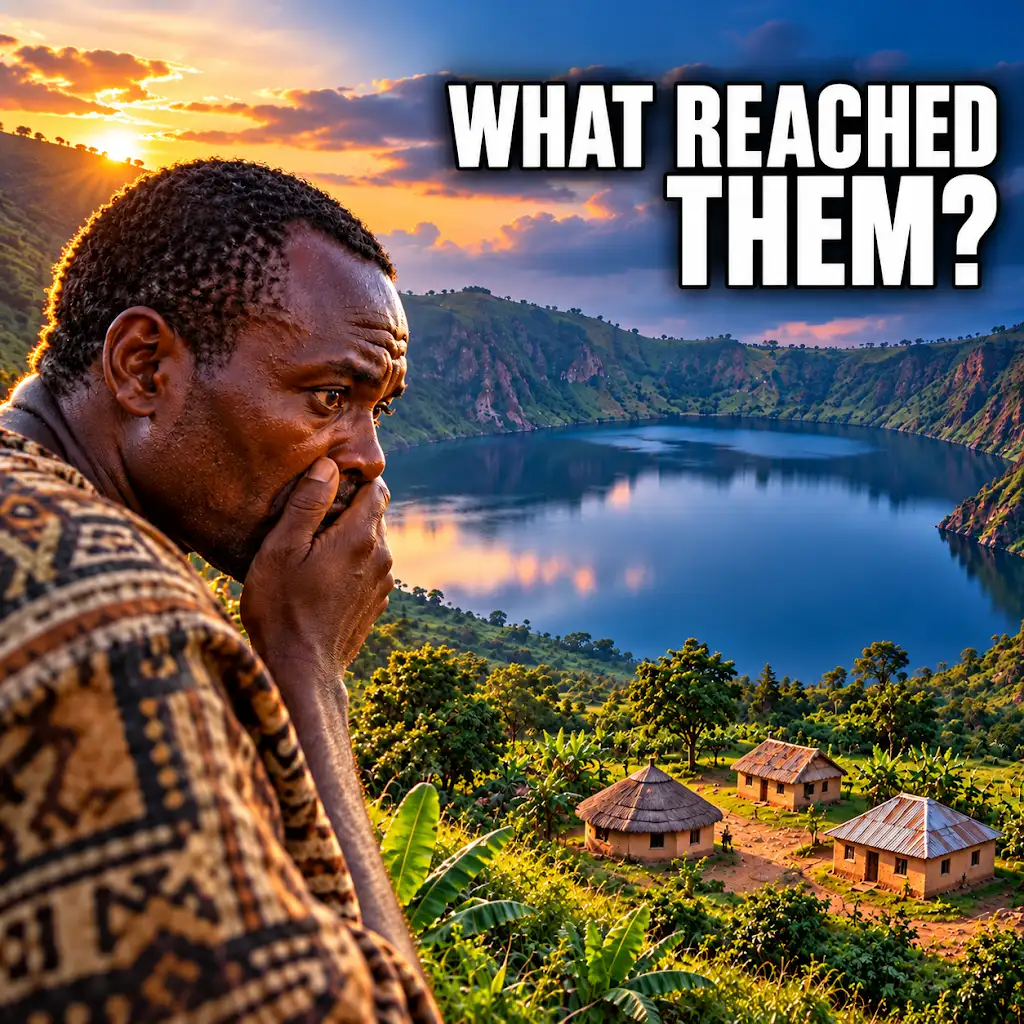
The Lake That Killed 1,700 People While Their Homes Stood Still.
FAQs
What is the article “Youssouf Mussa Lake Nyos survivor account” about?
The article provides an account from Youssouf Mussa, a survivor of the Lake Nyos disaster in Cameroon in 1986, detailing his experience and the aftermath of the deadly event.
Who is Youssouf Mussa?
Youssouf Mussa is a survivor of the Lake Nyos disaster in Cameroon. He was one of the individuals who experienced the catastrophic release of carbon dioxide gas from Lake Nyos on August 21, 1986.
What happened at Lake Nyos in 1986?
On August 21, 1986, a limnic eruption occurred at Lake Nyos in Cameroon, releasing a large cloud of carbon dioxide gas that suffocated over 1,700 people and thousands of livestock in nearby villages.
How did Youssouf Mussa survive the Lake Nyos disaster?
Youssouf Mussa survived the Lake Nyos disaster by being at a higher elevation than the lake when the carbon dioxide gas was released. This allowed him to avoid the deadly effects of the gas cloud that descended into the surrounding valleys.
What were the long-term effects of the Lake Nyos disaster?
The Lake Nyos disaster had long-term effects on the surrounding communities, including displacement of residents, psychological trauma, and changes in the local ecosystem. Efforts have since been made to prevent similar disasters from occurring in the future.