The Unyielding Spirit of the Char Dwellers
Bangladesh, a nation sculpted by a labyrinth of rivers, is home to millions whose lives are inextricably linked to the ebb and flow of these mighty waterways. Among them are the inhabitants of the chars – fertile yet perilous river islands that are constantly reshaped by the powerful currents. For these communities, survival is not a passive act but a daily, often heroic, endeavor. Their stories are a testament to human resilience, adaptability, and an unwavering determination to thrive against formidable odds. The chars, often described as ephemeral landscapes, are born from alluvial deposits brought by the rivers, creating patches of land that can disappear or expand with startling speed. These islands are both a blessing and a curse, offering fertile soil for agriculture but simultaneously exposing their inhabitants to the constant threat of erosion, flooding, and cyclones. Yet, it is here, on these dynamic shores, that a unique culture of survival has been forged, producing individuals whose lives are etched with courage and ingenuity.
The farmers of these river islands, despite their precarious existence, are the backbone of their communities. They are the ones who coax life from the soil, who brave the elements to tend their crops and livestock, and who pass down generations of knowledge about navigating the treacherous riverine environment. Their connection to the land is profound, born not just of necessity but of a deep-seated love for their ancestral homes, however transient they may be. These farmers understand the rhythm of the rivers, the subtle signs that herald an approaching storm, and the best times to plant and harvest. This intimate knowledge, honed through centuries of experience, is their most valuable asset. It is a knowledge that cannot be found in textbooks, but is learned through observation, practice, and the shared wisdom of elders.
The narrative of char dwellers is often one of constant displacement and rebuilding. Families may lose their homes and livelihoods overnight to the relentless march of the river. Yet, instead of succumbing to despair, they demonstrate an extraordinary capacity to adapt. They dismantle their houses, salvage what they can, and move to higher ground, often with a stoic resolve. This ability to uproot and replant, both literally and figuratively, is a defining characteristic of their spirit. It is a cycle of loss and regeneration that mirrors the very nature of the islands they inhabit. Their lives are a continuous negotiation with nature, a delicate balance between exploiting the bounty of the land and respecting its raw power. The very definition of “home” for a char dweller is fluid, constantly being redefined by the shifting sands and the rising waters.
In exploring the resilience of farmers in Bangladesh’s river islands, one can gain deeper insights by reading the article on My Geo Quest, which highlights various survival stories and innovative farming techniques employed by these communities. The challenges they face, from flooding to soil erosion, are met with remarkable adaptability and resourcefulness. To learn more about these inspiring narratives, visit the article at My Geo Quest.
The Dance with the Water: Navigating Floods and Erosion
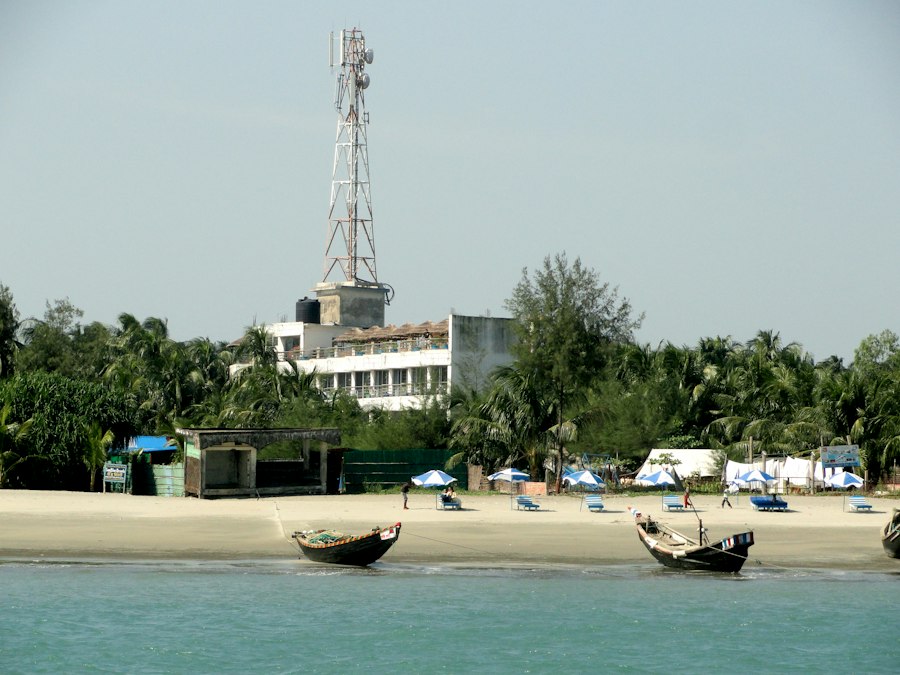
The omnipresent threat of water defines life on the river islands. Floods are not an occasional inconvenience but a recurring, often devastating, reality. The monsoon season brings torrential rains, swelling the rivers and inundating vast swathes of land. For the char farmers, this means not only the loss of crops and livestock but also the potential destruction of their homes and the erosion of the very land they depend on. The rivers, particularly the mighty Padma and Jamuna, are powerful forces of nature that can transform landscapes in a matter of hours. The island communities have developed a sophisticated understanding of these flood patterns, relying on traditional knowledge, local weather indicators, and sometimes sheer intuition to anticipate and respond to rising waters.
Early Warning Systems and Traditional Wisdom
While modern meteorological services exist, the char dwellers often rely on a complex web of informal early warning systems. The behavior of birds and animals, the changes in the color and smell of the river water, and the subtle shifts in wind patterns are all carefully observed and interpreted. Elders, with their lifetimes of experience, are often the repositories of this invaluable knowledge. They can predict the onset of floods with remarkable accuracy, allowing communities to prepare for the worst. Children are taught from a young age to recognize the signs of impending danger, ensuring that this knowledge is passed down through generations. This deep connection to their environment allows them to live in a state of constant preparedness, a necessary adaptation to their volatile surroundings.
The Art of Moving Homes and Rebuilding Lives
When floods inevitably arrive, the char farmers must act quickly. Their homes are often built on stilts or are designed to be easily dismantled. This allows them to salvage their possessions and relocate to higher ground, often temporarily abandoning their submerged fields. The process of moving is a communal effort, with neighbors helping each other to transport belongings and rebuild shelters. The resilience of these communities is evident in their ability to bounce back from such setbacks. As soon as the floodwaters recede, they return to their land, assess the damage, and begin the arduous process of rebuilding their lives. The fertile silt left behind by floods, while destructive in the short term, often replenishes the soil, making it even more productive for the next planting season. This cyclical process of destruction and renewal is a constant feature of their existence.
Innovative Flood-Resistant Techniques
Over time, char farmers have developed ingenious methods to mitigate the impact of floods. Many have adopted the practice of raising their homesteads on earthen mounds, creating elevated islands within the larger island to protect their homes and livestock. They also cultivate flood-tolerant crops and employ techniques that allow for rapid replanting after inundation. The construction of bamboo barriers and dykes, though often rudimentary, provides a degree of protection against the initial surge of floodwaters. These innovations are not born of formal engineering but of practical necessity and a deep understanding of the forces they are working with. They are a testament to the adaptive ingenuity of people living in harmony with, rather than in opposition to, nature.
Cultivating Hope: Farming in a Precarious Landscape

The fertility of the char lands is a double-edged sword. While the alluvial soil is rich and capable of yielding bountiful harvests, the inherent instability of the islands poses significant challenges for agriculture. Farmers must contend with the constant threat of erosion, unpredictable water levels, and the salinity that can creep in from the sea during dry spells. Yet, it is in this challenging environment that the char farmers demonstrate their remarkable skill and perseverance, transforming seemingly inhospitable land into sources of sustenance and livelihood. Their farming practices are a testament to their deep understanding of the land and their unwavering commitment to nurturing life.
Diversification as a Strategy for Survival
Recognizing the risks associated with monoculture, char farmers have increasingly adopted diversified farming strategies. They cultivate a variety of crops, including rice, jute, vegetables, and pulses, ensuring that a loss in one area does not mean complete ruin. Many also raise livestock, such as cattle, goats, and poultry, which can be more easily moved to safety during floods. This diversification not only enhances food security but also provides multiple income streams, making the communities more resilient to economic shocks. The knowledge of which crops are best suited to particular soil conditions and water levels is crucial, and this knowledge is passed down from generation to generation.
The Role of Community and Cooperation
Farming on the chars is rarely a solitary pursuit. Community cooperation is essential for survival. Farmers often share labor and resources, particularly during planting and harvesting seasons. They work together to build and maintain protective structures, such as embankments and drainage channels, and to manage common grazing lands. This sense of collective responsibility is vital for overcoming the challenges of their environment. When one farmer faces hardship, the community rallies to offer support, demonstrating a profound spirit of solidarity. This interdependence is the bedrock upon which their survival is built.
Innovative Agricultural Practices and Technologies
Despite their limited resources, char farmers are not averse to adopting new techniques and technologies that can improve their yields and resilience. They have embraced improved seed varieties that are more resistant to disease and salinity. Many are experimenting with integrated farming systems, where the waste from one enterprise is used as input for another, creating a more sustainable and efficient model. The introduction of small-scale irrigation systems and solar-powered pumps has also allowed them to expand their cultivation possibilities and mitigate the impact of dry spells. These innovations, often adapted to their specific needs and context, are critical for their continued success.
Beyond Subsistence: Entrepreneurship and Economic Resilience
While survival and sustenance are paramount, the inhabitants of the river islands are not solely focused on subsistence living. Many char farmers have demonstrated remarkable entrepreneurial spirit, finding innovative ways to generate income and improve their economic standing. Their resourcefulness and adaptability have led to the development of small-scale enterprises that contribute to both their individual livelihoods and the broader community economy. These endeavors often stem from the utilization of local resources and the addressing of specific needs within the community.
Harnessing Local Resources: Fishing and Aquaculture
The abundant river systems surrounding the chars provide a vital source of livelihood for many. Fishing is a traditional occupation, and char dwellers have developed specialized techniques and knowledge for navigating the rivers and understanding fish behavior. In recent years, there has been a growing interest in aquaculture, with some farmers successfully raising fish and shrimp in ponds and enclosures. This not only provides a supplementary income but also contributes to food security. The careful management of these aquatic resources is crucial for ensuring their long-term sustainability.
Small-Scale Trading and Handicrafts
The isolation of the river islands, while a challenge, has also fostered local markets and trading networks. Char farmers often sell their surplus produce in nearby towns and villages, creating an informal economy that supports their families. Many women are skilled in producing handicrafts, such as weaving and pottery, which they sell to generate additional income. These small-scale entrepreneurial activities, while humble, are vital for the economic resilience of the communities, providing essential cash flow and opportunities for growth. The development of these skills often begins in childhood, nurtured within the family unit.
Microfinance and Savings Groups: Building Financial Stability
Access to formal financial services can be limited for char dwellers. However, many communities have organized themselves into informal savings and credit groups, known as samitis. These groups allow members to save small amounts of money regularly and to access loans for agricultural inputs, emergencies, or small business ventures. This collective financial management not only fosters financial discipline but also empowers individuals to invest in their future and withstand unexpected shocks. The trust and mutual support within these groups are crucial for their success.
In exploring the resilience of farmers living on river islands in Bangladesh, one can find inspiring survival stories that highlight their unique challenges and innovative solutions. These farmers have adapted to the ever-changing landscape and climate conditions, showcasing their determination to sustain their livelihoods. For a deeper understanding of their experiences and the broader implications of their struggles, you can read a related article on this topic at My Geo Quest, which delves into the intricate relationship between these communities and their environment.
Inspiring Futures: Education, Empowerment, and a Legacy of Resilience
| Metric | Value | Description |
|---|---|---|
| Number of River Island Farmers | Approximately 15,000 | Estimated farmers living and cultivating on river islands (chars) in Bangladesh |
| Average Farm Size | 1.2 acres | Typical landholding size per farmer on river islands |
| Primary Crops | Rice, Vegetables, Pulses | Main crops cultivated by river island farmers |
| Annual Crop Yield | 2.5 tons per acre | Average annual production of rice per acre on river islands |
| Flood Impact Frequency | 2-3 times per year | Number of times river islands face flooding annually affecting crops and homes |
| Survival Rate After Floods | 85% | Percentage of farmers able to recover and continue farming after flood events |
| Access to Microfinance | 60% | Proportion of farmers with access to small loans for farming inputs |
| Use of Climate-Resilient Seeds | 40% | Percentage of farmers adopting flood and drought resistant seed varieties |
| Average Annual Income | 1,200 | Average income per farmer from agriculture and related activities |
| Community Support Programs | 5 major initiatives | Number of NGO and government programs supporting river island farmers |
The stories of the char farmers are not just about overcoming adversity; they are also about inspiring hope and building a brighter future. Education is increasingly recognized as a key to breaking the cycle of poverty and empowering future generations. Efforts are being made to ensure that children on the river islands have access to quality education, equipping them with the knowledge and skills to navigate an ever-changing world. The empowerment of women is also a crucial aspect of this evolving narrative, as their contributions are vital to the resilience and progress of the communities.
The Growing Importance of Education
Recognizing that education is a powerful tool for social and economic mobility, many char communities are prioritizing schooling for their children. Building and maintaining schools in remote and vulnerable areas presents significant challenges, but dedicated teachers and motivated parents are overcoming these obstacles. The curriculum often incorporates practical skills relevant to life on the chars, alongside foundational academic subjects. The aspiration for children to have a better future, one less defined by the constant struggle for survival, is a powerful motivator.
Empowering Women: Agents of Change
Women play a pivotal role in the resilience and sustainability of char communities. They are often the primary caregivers, responsible for food production, household management, and the nurturing of the next generation. Increasingly, women are also becoming involved in income-generating activities, taking on leadership roles in savings groups and small businesses. Their participation is crucial for the holistic development of the community, and efforts are underway to further enhance their access to education, healthcare, and economic opportunities. Their voices are becoming more prominent in decision-making processes, shaping the future of their islands.
A Legacy of Resilience and Hope
The stories of the river island farmers are a profound testament to the indomitable human spirit. They have learned to live in harmony with a capricious environment, to find strength in community, and to cultivate hope even in the face of immense challenges. Their resilience is not a passive acceptance of fate but an active, ongoing process of adaptation, innovation, and unwavering determination. As these communities continue to evolve, their legacy of resilience, their deep connection to the land, and their inspiring stories will continue to resonate, offering valuable lessons for us all on the true meaning of survival and the enduring power of hope. They are not just survivors; they are architects of their own destiny, building lives of dignity and purpose on the ever-shifting sands of the river islands.
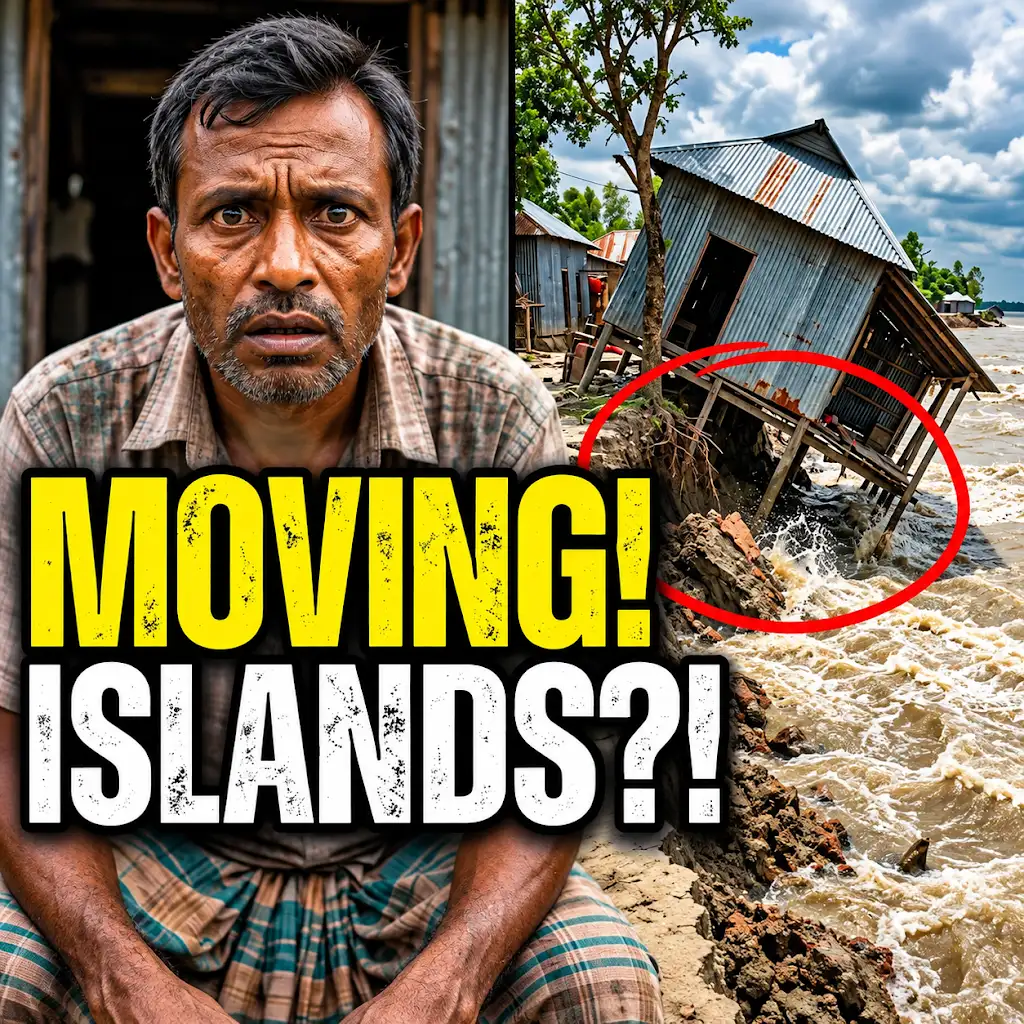
This River is Literally Erasing Islands
FAQs
What challenges do river island farmers in Bangladesh face?
River island farmers in Bangladesh face challenges such as flooding, erosion, lack of access to basic amenities, limited healthcare facilities, and difficulties in transporting their produce to markets.
How do river island farmers in Bangladesh adapt to their challenging environment?
River island farmers in Bangladesh adapt to their challenging environment by building embankments to protect their land from flooding, using innovative farming techniques, forming cooperatives to access resources, and diversifying their crops.
What role do NGOs play in supporting river island farmers in Bangladesh?
NGOs play a crucial role in supporting river island farmers in Bangladesh by providing training on sustainable farming practices, distributing seeds and tools, building infrastructure such as schools and healthcare centers, and advocating for the rights of farmers.
How has climate change affected river island farmers in Bangladesh?
Climate change has affected river island farmers in Bangladesh by causing more frequent and severe flooding, leading to crop losses, land erosion, and displacement. It has also disrupted traditional farming practices and increased the vulnerability of farmers to natural disasters.
What are some success stories of river island farmers in Bangladesh?
Some success stories of river island farmers in Bangladesh include increased crop yields through the adoption of new technologies, improved access to markets through better transportation infrastructure, and empowerment of women farmers through training and support programs.