The North Sea, a vast and often tempestuous expanse, has long captivated and challenged seafarers. Its moods can shift with alarming rapidity, transforming a placid surface into a churning maelstrom of colossal waves and gale-force winds. For those who ply its waters, be it for work or recreation, understanding and respecting its extreme weather is not merely a matter of comfort, but of survival. This article delves into the essential tips and tricks for navigating the North Sea’s formidable conditions, equipping individuals with the knowledge to face its fury and emerge triumphant.
The North Sea is renowned for its unpredictable and often severe weather patterns. This maritime environment is characterized by a confluence of factors that contribute to its volatile nature, making it a formidable challenge for any vessel. A deep understanding of these elements is the first and most crucial step in preparing for and surviving its extreme conditions.
Geographical Influences
The geographical location of the North Sea plays a significant role in its weather. Situated between the British Isles, Scandinavia, and mainland Europe, it acts as a funnel for weather systems moving across the Atlantic. This strategic position means it frequently intercepts low-pressure systems developing over the ocean, bringing with them strong winds and heavy precipitation. The surrounding landmasses also influence local weather, creating complex wind patterns and thermal variations. The relatively shallow nature of much of the North Sea, particularly in the southern sectors, contributes to the formation of steeper, breaking waves compared to deeper ocean waters, which can be more hazardous.
Prevailing Wind Patterns
Dominant wind patterns are a defining feature of the North Sea. Westerly winds are most common throughout the year, carrying moisture and energy from the Atlantic. However, these can quickly shift to northerly winds, particularly in winter, bringing colder air and squalls. During autumn and winter, the North Sea is a hotbed for the development of powerful depressions, often referred to as “North Sea surges” or “winter storms.” These systems are characterized by rapidly falling barometric pressure and sustained winds that can reach hurricane force, generating colossal waves. Understanding the cyclical nature of these winds, including seasonal variations and the potential for sudden gusts, is vital for effective planning and navigation.
Wave Dynamics and Formation
The interplay of wind, fetch (the distance over which wind blows uninterrupted), and water depth dictates the size and character of North Sea waves. Long fetches, combined with strong, persistent winds, can generate substantial swells that can persist long after the initial storm has passed. In shallower areas, these swells can break more violently, creating a confused sea state where waves of different sizes and directions intersect, making navigation exceptionally difficult and increasing the risk of capsizing or damage. The formation of rogue waves, exceptionally large and unexpected waves that can dwarf surrounding seas, is also a documented phenomenon in the North Sea, posing a significant threat to even the largest vessels.
Seasonal Variations
The North Sea’s weather exhibits distinct seasonal variations. Summer, while generally calmer, can still experience sudden thunderstorms and squalls. The most challenging conditions, however, are typically encountered during autumn and winter. This period sees an increase in the frequency and intensity of storms, with longer nights and colder temperatures adding to the overall severity. Spring can offer a transitionary period, but still carries the risk of lingering winter storms or the onset of summer convective activity. Awareness of these seasonal patterns allows for better preparation and the scheduling of activities during periods of potentially more favorable weather.
Recent studies have highlighted the increasing frequency of extreme weather events in the North Sea, raising concerns about their impact on marine ecosystems and coastal communities. For a deeper understanding of these phenomena and their implications, you can read a related article that explores the causes and effects of such weather patterns in the region. Check it out here: North Sea Extreme Weather Analysis.
Essential Preparations for the Voyage
Before even setting sail into the North Sea’s embrace, meticulous preparation is paramount. This extends beyond simply checking the weather forecast; it encompasses a holistic approach to safety, equipment, and crew readiness. Overlooking any aspect of pre-voyage preparation can have dire consequences when facing the North Sea’s extreme elements.
Thorough Vessel Inspection and Maintenance
A vessel’s seaworthiness is its primary defense against the harsh environment. A comprehensive inspection of the hull, rigging, engine, steering systems, and all safety equipment must be conducted. Regular maintenance is not a luxury but a necessity. This includes ensuring that all through-hull fittings are secure, that the bilge pumps are functioning optimally, and that the engine is serviced and has sufficient fuel. Inspecting all sails and their associated lines for wear and tear is critical, as is ensuring the integrity of lifelines and stanchions. Any signs of corrosion, cracks, or weakened components should be addressed immediately. A properly maintained vessel is far more likely to withstand the stresses of heavy seas and strong winds.
Equipping for Extreme Conditions
The right equipment can mean the difference between a challenging but manageable experience and a life-threatening situation. Beyond standard safety gear, specific provisions for extreme weather are essential. This includes high-quality foul-weather gear – waterproof and windproof jackets, trousers, boots, and gloves – that provide insulation and protection from the elements. Life jackets, or personal flotation devices (PFDs), are non-negotiable for every person on board, and it is advisable to have inflatable PFDs with integrated harnesses for easier attachment to safety lines. Flares, a handheld VHF radio, a first-aid kit, and a robust anchor system are also vital. For extended voyages or those in remote areas, consider emergency position-indicating radio beacons (EPIRBs) and satellite phones for communication.
Weather Forecasting and Monitoring Tools
Staying ahead of the weather is crucial. This requires access to reliable weather forecasting services and the ability to interpret the information effectively. Modern sailors have a plethora of tools at their disposal, from satellite imagery and GRIB files to dedicated marine weather apps and radio broadcasts. Understanding meteorological charts, isobars, and frontal systems can provide valuable insights into impending weather changes. Beyond initial forecasts, continuous monitoring is essential. This means checking weather updates frequently, observing cloud formations, and noting changes in wind direction and speed. Radar can be invaluable for identifying approaching squalls and heavy precipitation.
Crew Briefing and Training
A well-prepared crew is a vital asset in adverse conditions. Before departure, a thorough briefing should be conducted, covering the planned route, potential hazards, and emergency procedures. All crew members should be familiar with the vessel’s safety equipment and know how to operate it. Basic survival at sea training, including man-overboard drills and the use of emergency equipment, is highly recommended. In rough weather, clear communication and coordinated action are essential. Assigning specific roles and responsibilities can help ensure that tasks are completed efficiently and safely. Encouraging a proactive safety culture where crew members feel comfortable raising concerns is also paramount.
Navigational Strategies in Heavy Seas
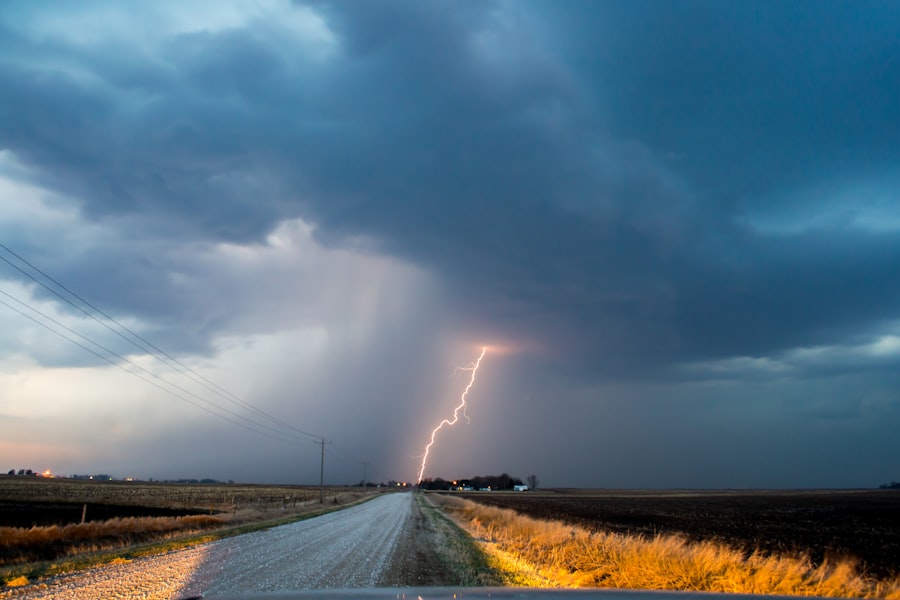
Navigating the North Sea in challenging weather demands a blend of knowledge, experience, and adaptability. Standard navigational techniques may need to be modified or abandoned in favor of strategies that prioritize safety and vessel stability.
Choosing the Right Course and Speed
The decision of where to steer and how fast to go is critical. Often, the most direct route is not the safest. Sailors must be prepared to deviate from their planned course to avoid the worst of the weather, seeking shelter behind islands or headlands if possible. Sailing into the waves at an angle, rather than head-on, can reduce the jarring impact and the risk of the bow digging into the water. This technique, known as “heaving-to,” involves setting a storm jib and trailing warps or a drogue to slow the vessel and maintain a stable position relative to the waves. Speed must be adjusted to suit the conditions, often significantly reduced to avoid overstressing the boat or crew.
Understanding Wave Interaction and Avoiding Broaching
The most dangerous moments in heavy seas often occur when a vessel is caught beam-on to a large wave or when it surfs uncontrollably down the face of a wave, a phenomenon known as broaching. To avoid this, sailors must actively manage their angle to the waves, especially when running downwind. Using a drogue or parachute anchor can help control speed and maintain a more stable direction. On a broad reach, when sailing with the wind coming from the side and slightly behind, careful steering is required to prevent the stern from swinging uncontrollably, which can lead to broaching. Maintaining steerage way, the ability of the rudder to control the boat, is crucial.
The Importance of a Storm Sail Plan
A pre-determined storm sail plan is a vital component of navigating severe weather. This involves identifying the most appropriate sails for different wind strengths and wave conditions. Typically, this means reducing sail area significantly. A small, strong storm jib, often referred to as an “ais foresail,” is essential for sailing upwind or into strong winds. For sailing downwind, a storm trysail (a small, heavy-duty mainsail) can be used, or the boat may be sailed under bare poles (no sails at all), relying on the hull’s shape and possibly a drogue for control. Having these sails ready and knowing how to deploy them quickly is a key skill.
Anchoring and Mooring in Challenging Conditions
If seeking refuge in a harbor or bay, anchoring and mooring in heavy weather presents its own set of challenges. Adequate anchor scope (the ratio of rode length to depth) is essential to prevent the anchor from dragging. Using a second anchor, particularly when facing strong gusts or tidal currents, can significantly enhance security. If moored, ensuring lines are sufficiently strong and well-secured, and that they have some give to absorb the shock of wave action, is crucial. Double-checking all mooring points and fenders is also advised. In extreme conditions, even well-protected anchorages can become untenable, and vessels may need to consider options like deploying sea anchors or preparing for a drift.
Safety Protocols and Emergency Procedures

Even with the most diligent preparation, the unpredictable nature of the North Sea means that emergencies can still arise. Having well-rehearsed safety protocols and a clear understanding of emergency procedures is paramount for the survival of the crew and the vessel.
Man Overboard Procedures
A man overboard situation is one of the most critical emergencies at sea. Immediate action is required. The person responsible for spotting the casualty should shout “Man overboard!” and point. The helmsman should immediately steer the boat away from the person, then begin a series of turns to return to the vicinity of the casualty. Different recovery techniques exist, such as the Williamson turn or the quick-stop method, and the choice may depend on the conditions and the vessel. Having a lifebuoy with a light and a dan buoy readily available is essential. Continuous communication within the crew is vital during the recovery process.
Fire and Flooding Response
Fire and flooding are two of the most serious threats to a vessel at sea. Regular checks for fuel or oil leaks, and ensuring that all electrical systems are well-maintained, can help prevent fires. Having appropriate fire extinguishers readily accessible and knowing how to use them is essential. In the event of a fire, immediate action to contain and extinguish it is necessary. Flooding can occur due to hull damage, through-hull fittings, or heavy seas. The immediate response is to locate the source of the leak and attempt to stop it, using collision mats, wooden bungs, or other available materials. Bilge pumps should be activated immediately, and if flooding is severe, consider deploying a sea anchor or preparing to abandon ship.
Distress Signals and Communication
Knowing how to signal for help is a vital skill. This includes understanding the use of flares (red for distress, smoke for marking position), distress rockets, and visual signals. A VHF radio is a primary tool for distress calls, and operators should know the correct channels and procedures for making a Mayday call. An EPIRB or PLB (Personal Locator Beacon) transmits a distress signal via satellite, greatly increasing the chances of a swift rescue. It is also important to maintain communication with shore-based contacts when possible, providing regular position updates.
Abandoning Ship Procedures
Abandoning ship is a last resort, undertaken only when the vessel is no longer seaworthy. This decision must be made by the skipper, and all crew members must be prepared to act swiftly and calmly. Life rafts and other survival craft must be readily accessible and their deployment mechanisms understood. Personal survival kits, containing items like water, food, a first-aid kit, and signaling devices, should be prepared and carried by each individual. Once in the life raft, it is important to stay together, conserve energy, and use signaling devices to attract attention.
Recent studies have highlighted the increasing frequency of extreme weather events in the North Sea region, raising concerns among scientists and policymakers alike. A related article discusses the implications of these weather patterns on marine ecosystems and coastal communities, emphasizing the urgent need for adaptive strategies. For more insights on this pressing issue, you can read the full article here.
Maintaining Morale and Well-being
| Year | Number of Extreme Weather Events | Severity |
|---|---|---|
| 2015 | 12 | High |
| 2016 | 15 | Very High |
| 2017 | 10 | Medium |
| 2018 | 18 | Very High |
Beyond the practicalities of survival, the psychological and physical well-being of the crew is critical when facing prolonged periods of extreme weather. Maintaining morale and ensuring basic comfort can significantly contribute to the overall ability to cope and make sound decisions.
Staying Warm and Dry
In the cold, wet environment of the North Sea, staying warm and dry is paramount. Hypothermia is a serious risk, impairing judgment and physical ability. This means wearing layers of appropriate clothing, ensuring that foul-weather gear is functioning correctly, and changing out of wet clothes as soon as possible. Insulated footwear and gloves are essential. When possible, seeking shelter below deck and using the heating system can provide much-needed warmth. Even simple actions like drinking warm beverages can make a significant difference.
Nutrition and Hydration
Maintaining adequate nutrition and hydration is crucial, even when appetite may be suppressed. High-energy, easily digestible food should be consumed regularly. Dehydration can exacerbate fatigue and impair cognitive function. Ensure a constant supply of fresh water, and if necessary, use water purification methods. Even in cold weather, the body loses fluids through respiration and perspiration, so drinking water is essential. Avoid excessive consumption of caffeine and alcohol, as they can contribute to dehydration and impair judgment.
Rest and Sleep Management
Sleep deprivation can severely impact decision-making and reaction times. In extreme weather, it may be difficult to get full nights of rest. Therefore, implementing a system of short, regular rests is important. If the vessel is heaved-to or anchored in a relatively stable position, crew members should be encouraged to take turns sleeping. Maintaining a degree of routine, even in challenging conditions, can help preserve a sense of normalcy and aid in managing fatigue.
The Power of Teamwork and Communication
A strong sense of camaraderie and effective communication are vital for maintaining morale. Supporting each other, sharing responsibilities, and maintaining a positive attitude can help the crew overcome the mental and emotional challenges of facing extreme weather. Open and honest communication, where concerns can be voiced and addressed, is essential for a cohesive team. Celebrating small victories, such as weathering a particularly bad squall or making good progress, can also boost spirits. The North Sea is a formidable adversary, but with the right knowledge, preparation, and a resilient spirit, survival and even triumph are within reach. The lessons learned from respecting its power and mastering its challenges are invaluable for any mariner.

The Dangerous Sea Europe Can’t Live Without
FAQs
What is the North Sea extreme weather?
North Sea extreme weather refers to the severe and unpredictable weather conditions that occur in the North Sea region, including strong winds, heavy rainfall, and rough seas.
What causes extreme weather in the North Sea?
Extreme weather in the North Sea is primarily caused by the collision of different air masses, particularly during the winter months. This collision leads to the formation of intense low-pressure systems, resulting in strong winds and heavy precipitation.
How does extreme weather in the North Sea impact the region?
Extreme weather in the North Sea can have significant impacts on the region, including disruptions to maritime activities, coastal flooding, and damage to infrastructure. It can also pose risks to the safety of ships and offshore platforms.
What measures are in place to monitor and predict extreme weather in the North Sea?
Various meteorological and oceanographic organizations, such as the European Centre for Medium-Range Weather Forecasts and national meteorological services, monitor and predict extreme weather in the North Sea using advanced forecasting models and satellite data.
How can individuals and industries prepare for extreme weather in the North Sea?
To prepare for extreme weather in the North Sea, individuals and industries can stay informed about weather forecasts, secure maritime assets, and implement safety protocols to minimize risks to personnel and infrastructure. Additionally, coastal communities can develop and implement flood protection measures.