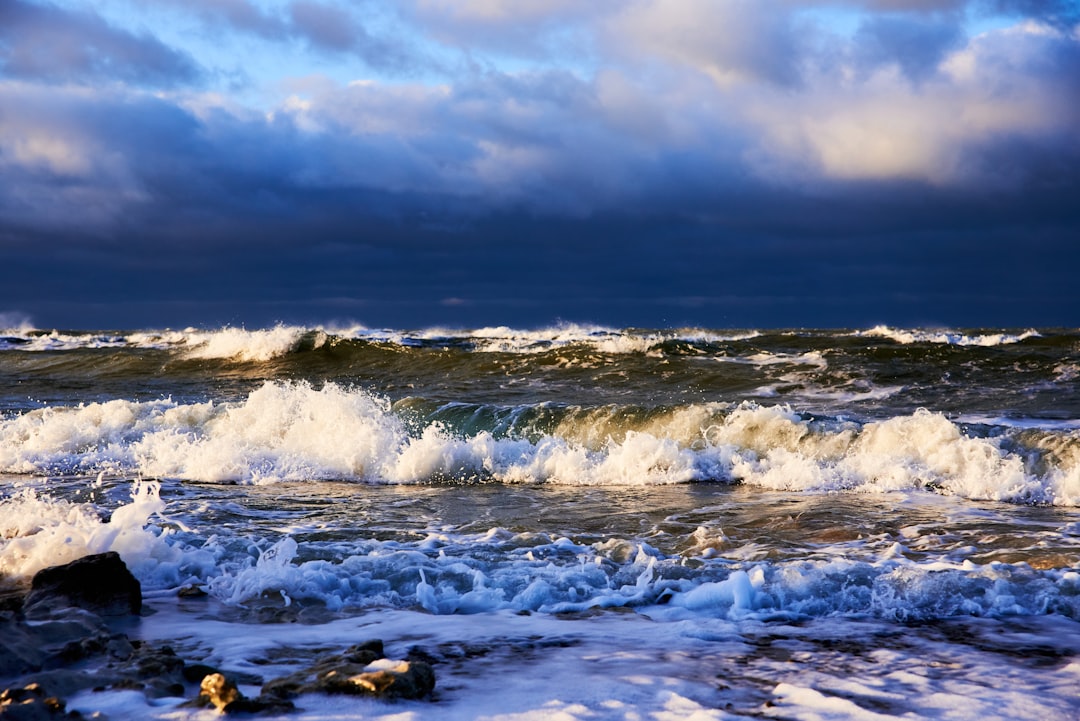
The North Sea, a vast expanse of churning grey, has long been a proving ground for those who venture upon its waters. Its reputation for violent storms is legendary, a testament to the raw power of nature where frigid currents collide with atmospheric fury. For sailors, fishermen, and offshore workers, survival in these extreme conditions is not merely a challenge; it is a hard-won art, honed through generations of experience, technological advancement, and an unwavering respect for the sea’s unpredictable temper. This article delves into the multifaceted strategies and inherent dangers involved in surviving the extreme North Sea storms.
The North Sea is a unique environment that fosters the development of some of the world’s most formidable storms. Its geographical position, situated between the maritime climate of the Atlantic and the continental influence of Northern Europe, creates a dynamic interplay of weather systems. The relative shallowness of much of the North Sea also plays a crucial role, allowing winds to whip up larger and more destructive waves than might be seen in deeper oceanic waters.
The Anatomy of a North Sea Storm
A North Sea storm is rarely a simple event. It is a complex interplay of meteorological factors, each contributing to the escalating ferocity of the tempest. Understanding these components is the first step towards mitigating their impact.
Low-Pressure Systems: The Driving Force
At the heart of most severe North Sea storms lie powerful low-pressure systems. These are areas where atmospheric pressure is significantly lower than its surroundings, drawing air inwards and upwards. As this air rises and cools, moisture condenses, forming clouds and precipitation. The greater the pressure difference, the stronger the winds become, as nature attempts to equalize this atmospheric imbalance. Depressions forming over the Atlantic, particularly in the autumn and winter months, can rapidly intensify as they track towards the North Sea, often fueled by the contrast in temperatures between polar and tropical air masses.
The Fetch: The Unhindered Sweep of Wind
The “fetch” refers to the uninterrupted distance over which the wind blows across the water’s surface. In the North Sea, particularly in its northern reaches, the fetch can be vast. This allows winds to build significant wave energy. When a storm system with strong winds moves across a large fetch, the waves generated can become enormous, steep, and powerful, posing a significant threat to any vessel or structure caught in their path.
Wave Dynamics: Beyond Simple Swells
North Sea waves are not merely large; they are often complex and chaotic. Unlike the more predictable swells found in open oceans, North Sea waves can be a confused mixture of different wave trains, originating from various wind directions and strengths. This disorienting mixture can lead to particularly dangerous situations, with unpredictable rogue waves, characterized by their exceptional height and steepness, capable of appearing without warning. The shallowing of the seabed in many areas also contributes to wave steepness, making them more prone to breaking and increasing their destructive potential.
Seasonal Vulnerabilities
While storms can occur at any time of year, the North Sea presents distinct seasonal vulnerabilities.
Autumnal and Winter Fury
The late autumn and winter months are the most notorious for extreme North Sea storms. This period sees the convergence of colder air masses from the Arctic and warmer, moist air from the Atlantic. This temperature gradient fuels the formation of intense low-pressure systems, leading to frequent and severe gales and storms. Reduced daylight hours also mean that vessels and offshore installations face longer periods of darkness, exacerbating the challenges of navigation and operational safety.
Summer’s Deceptive Calm
While summer generally brings calmer seas, it is not entirely immune to severe weather. Thunderstorms can develop rapidly, and occasionally, tropical storm remnants can track into the North Sea, bringing unseasonably strong winds and heavy seas. These events, though less frequent, can catch unprepared mariners off guard.
Extreme North Sea storms have garnered significant attention due to their increasing frequency and intensity, which have profound implications for coastal communities and marine ecosystems. For a deeper understanding of the factors contributing to these severe weather events and their potential impacts, you can read a related article that explores the dynamics of storm patterns in the region. Check it out here: Extreme North Sea Storms: Causes and Consequences.
Vessel Design and Engineering for Extreme Conditions
The ability of a vessel to withstand the onslaught of a North Sea storm is fundamentally linked to its design and the quality of its engineering. Decades of experience have led to specific design considerations that prioritize stability, structural integrity, and the safety of the crew.
Hull Form and Stability
The shape of a vessel’s hull is critical for its performance in rough seas.
The Role of the Bulbous Bow
Many modern vessels operating in the North Sea feature a bulbous bow. This submerged protrusion at the front of the hull is designed to reduce wave resistance by creating its own wave that interferes with the waves generated by the hull itself. In calmer seas, this improves fuel efficiency. However, in heavy weather, it can also influence how the vessel interacts with large waves, potentially reducing slamming and pitching.
Freeboard and Deck Design
Adequate freeboard – the distance from the waterline to the main deck – is essential for preventing waves from washing over the deck. In the North Sea, higher freeboards are often incorporated into vessel designs. The deck itself is also designed with efficient drainage systems to quickly remove any water that does come aboard, preventing the build-up of weight that could compromise stability.
Structural Integrity and Material Strength
The relentless pounding of waves can exert immense stress on a vessel’s structure.
Robust Construction Standards
North Sea vessels are built to rigorous international standards, often exceeding basic requirements. This includes the use of high-strength steels and specialized welding techniques to ensure that the hull and superstructure can withstand extreme forces. Fatigue analysis is also a crucial aspect of the design process, accounting for the repeated stress cycles that vessels experience in rough seas.
Watertight Integrity and Compartmentalization
Maintaining watertight integrity is paramount. This involves ensuring that all hatches, doors, and penetrations are securely sealed. Compartmentalization, the division of the hull into numerous watertight sections, is a critical safety feature. If one compartment is breached, the vessel can often remain afloat, providing a vital buffer for evacuation or survival.
Redundancy in Critical Systems
When operating in harsh environments, relying on single points of failure is a recipe for disaster.
Power Generation and Propulsion
Vessels operating in the North Sea are equipped with redundant power generation and propulsion systems. This means that if one engine or generator fails, backup systems can take over, allowing the vessel to maintain steerage and essential services. Similarly, steering mechanisms often have multiple independent systems.
Navigation and Communication Equipment
Reliable navigation and communication are vital for safe passage and for summoning assistance if needed. Multiple GPS systems, radar units, and satellite communication devices are standard. Emergency beacons, such as EPIRBs (Emergency Position Indicating Radio Beacons), are also mandatory and designed to transmit a distress signal to search and rescue authorities.
Operational Strategies for Surviving Storms at Sea
Beyond the vessel itself, the skills and decisions of the crew are paramount in navigating the treacherous waters of the North Sea during a storm. Experience, adherence to protocol, and a profound understanding of maritime meteorology are the bedrock of survival.
Weather Forecasting and Route Planning
The adage “knowledge is power” is never more relevant than when facing a North Sea storm.
Advanced Meteorological Services
Modern mariners have access to sophisticated meteorological forecasting services. This includes real-time satellite imagery, buoy data, and detailed numerical weather prediction models. These tools allow for the prediction of storm tracks, intensity, and wave heights with increasing accuracy.
Strategic Course Alteration
Based on the latest forecasts, vessels will often alter their course to avoid the worst of a storm. This might involve navigating around a storm cell, seeking shelter in a port, or adjusting speed and heading to minimize the impact of waves. The decision to deviate from a planned route is a critical one, balancing the need for safety with operational and economic considerations.
Navigating in High Seas
When avoidance is not possible, skillful navigation becomes the primary defense.
Maintaining Control and Stability
The primary objective is to maintain control of the vessel and its stability. This often involves adjusting speed and using rudder to meet waves at an optimal angle. For some vessels, heaving-to – a maneuver where the vessel is positioned to drift with the seas in a controlled manner, often with minimal headway – can be a way to ride out a storm.
The Art of Riding Out a Storm
Experienced captains and crews develop a keen sense of how their vessel will react to different sea states. They learn to anticipate the impact of waves, the potential for broaching (turning broadside to the waves, a highly dangerous situation), and the best way to keep the vessel moving safely through the water. This often involves a delicate balance of power and steering.
Crew Management and Safety Protocols
The human element is as crucial as the technology and the vessel.
Rigorous Training and Drills
Seafarers on North Sea routes undergo extensive training in storm survival techniques, emergency procedures, and first aid. Regular drills are conducted to ensure that the crew is proficient in responding to various emergencies, from man overboard situations to hull breaches.
Maintaining Morale and Vigilance
The psychological toll of enduring a prolonged storm can be significant. Maintaining crew morale through clear communication, ensuring adequate rest when possible, and fostering a sense of teamwork are vital for sustained vigilance and effective operation.
Offshore Installations: A Different Kind of Challenge

The oil and gas industry operates some of the most complex and massive structures in the world in the heart of the North Sea. These offshore installations, whether fixed platforms or floating production vessels, face the same extreme weather but present a unique set of survival challenges.
The Engineering of Resilience
Offshore platforms are designed with an unparalleled emphasis on structural integrity and the ability to withstand immense forces.
Foundation and Mooring Systems
Fixed platforms are anchored to the seabed with massive concrete or steel foundations, designed to resist the forces of wind, waves, and currents. Floating production storage and offloading (FPSO) vessels and semi-submersible platforms rely on sophisticated mooring systems, often involving heavy chains or synthetic ropes anchored to the seabed, that allow them to maintain position in severe weather while accommodating the movement of the waves.
Storm-Proofing and Downtime Planning
In anticipation of extreme weather, offshore installations have detailed storm-proofing plans. This includes securing all loose equipment, closing and sealing all openings, and in some cases, shutting down operations and evacuating non-essential personnel. The concept of planned downtime, where operations are temporarily halted to ensure safety during predicted severe weather, is a critical strategy.
Evacuation and Personnel Safety
The safety of the personnel working on these remote installations is the highest priority.
Helicopter Transfers and Emergency Evacuation
Helicopters are the primary means of transporting personnel to and from offshore installations. During severe storms, helicopter operations become impossible, leading to extended stays for crews. In the event of a critical emergency, specialized evacuation procedures are in place, including the use of lifeboats and survival craft that are designed to withstand extreme conditions.
Onboard Survival Amenities
Offshore installations are equipped with extensive survival amenities, including secure accommodation, robust communication systems, and substantial supplies of food and water, to ensure the well-being of crews during prolonged periods of isolation and adverse weather.
Extreme North Sea storms have been a topic of increasing concern for coastal communities, as they can lead to significant erosion and flooding. Recent research highlights the impact of climate change on the frequency and intensity of these storms, which poses a threat to both human settlements and marine ecosystems. For more insights on the effects of these powerful weather events, you can read a related article that delves deeper into the subject. Check it out here to understand the broader implications of extreme weather in the North Sea region.
The Future of North Sea Storm Survival
| Year | Maximum Wave Height (m) | Maximum Wind Speed (km/h) | Damage Cost (millions USD) |
|---|---|---|---|
| 1953 | 5.6 | 190 | Unknown |
| 1978 | 7.5 | 180 | Unknown |
| 1981 | 8.2 | 220 | Unknown |
| 1993 | 8.3 | 220 | Unknown |
| 2013 | 8.7 | 228 | Unknown |
As technology advances and our understanding of the North Sea’s weather patterns deepens, the strategies for surviving its extreme storms continue to evolve.
Advanced Weather Modeling and Prediction
The ongoing development of more sophisticated numerical weather prediction models, coupled with advancements in satellite technology and AI, promises even greater accuracy in forecasting storm development and intensity. This will allow for more proactive planning and potentially even greater avoidance of the most dangerous conditions.
Enhanced Vessel and Installation Design
Future designs will likely incorporate even more resilient materials, smarter automated systems for stability control, and novel hull forms that can actively mitigate wave impacts. For offshore installations, innovations in floating technology and advanced mooring systems will continue to push the boundaries of survivability.
Data-Driven Decision Making and Autonomous Systems
The increasing availability of real-time data from sensors on vessels and installations will enable more informed and rapid decision-making during storm events. The potential for autonomous systems to manage critical operations during extreme weather, ensuring safety while minimizing human exposure, is also an area of active development.
Surviving the extreme North Sea storms is a perpetual dance with danger, a testament to human ingenuity, courage, and the enduring power of nature. From the meticulous design of vessels and offshore structures to the unwavering vigilance and skill of the crews who sail and work upon its waters, every element plays a vital role in ensuring survival. As the North Sea continues to present its formidable challenges, the pursuit of knowledge, the embrace of technological advancement, and the unwavering respect for the ocean’s might will remain the cornerstones of navigating its tempestuous heart.

The Dangerous Sea Europe Can’t Live Without
FAQs
What are extreme North Sea storms?
Extreme North Sea storms are powerful weather events characterized by strong winds, high waves, and intense precipitation. These storms can cause significant damage to coastal areas and pose a threat to maritime activities.
What causes extreme North Sea storms?
Extreme North Sea storms are typically caused by the collision of cold air from the Arctic region with warm air from the south. This clash of air masses creates a strong pressure gradient, leading to the development of intense low-pressure systems and the formation of powerful storms.
How often do extreme North Sea storms occur?
Extreme North Sea storms are relatively common during the autumn and winter months when the temperature contrast between the Arctic and the North Sea is most pronounced. These storms can occur several times throughout the season, with varying degrees of intensity.
What are the impacts of extreme North Sea storms?
Extreme North Sea storms can result in coastal flooding, erosion, and damage to infrastructure such as buildings, roads, and sea defenses. They can also disrupt maritime transportation and offshore activities, posing risks to ships, oil platforms, and other marine assets.
How are extreme North Sea storms monitored and predicted?
Extreme North Sea storms are monitored and predicted using a combination of satellite observations, weather buoys, radar systems, and computer models. National meteorological agencies and international organizations work together to provide early warnings and forecasts to help mitigate the impacts of these storms.