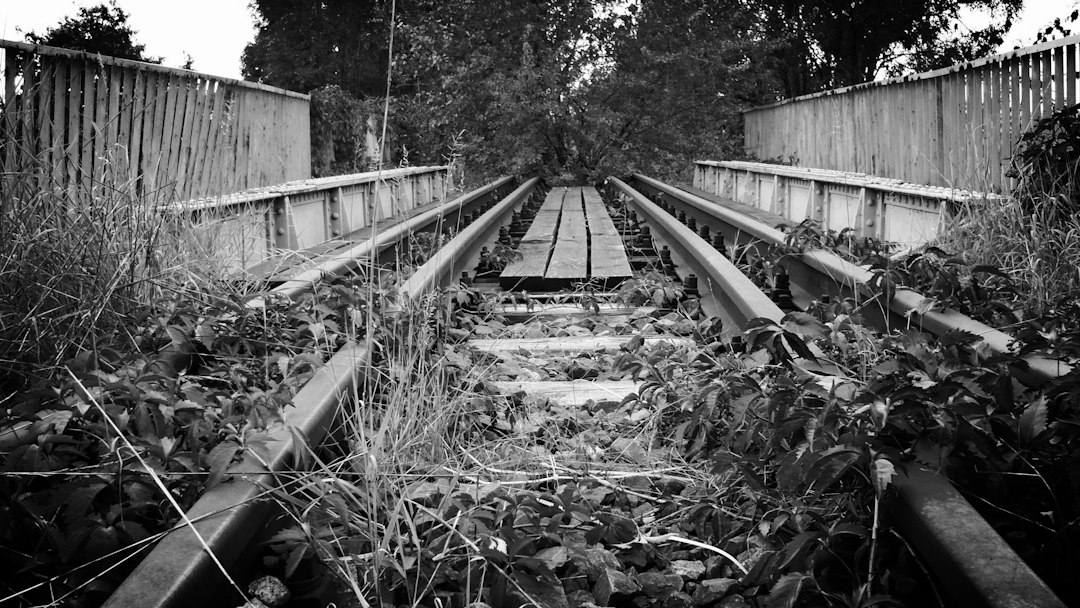
The relentless fury of the recent storm surge has inflicted devastating damage upon crucial railway infrastructure along coastal routes. The sheer force of the elevated sea levels, coupled with the destructive power of wind-driven waves, has rendered significant sections of track unusable and necessitated widespread disruption to rail services. Engineers and emergency responders are currently engaged in a monumental effort to assess the full extent of the destruction and to begin the arduous process of repair and restoration. The economic and social ramifications of these disruptions are far-reaching, impacting both freight transportation and passenger mobility.
The Immediate Impact of the Tempestuous Tides
The storm surge, a phenomenon characterized by an abnormal rise of water generated by a storm, over and above the predicted astronomical tide, proved to be an exceptionally potent force. As the tempest intensified, bringing with it gale-force winds and torrential rain, coastal defenses were overwhelmed. The sea, driven inland with unprecedented ferocity, inundated low-lying areas, including the vital railway lines that traverse these vulnerable regions. The physical impact on the tracks themselves was multifaceted and severe. Ballast, the foundation of the railway, was washed away by the surging water, leaving the wooden or concrete sleepers exposed and destabilized. In many instances, entire sections of track were submerged, with the corrosive saltwater compromising the integrity of the steel rails and their fastenings. The kinetic energy of the moving water exerted immense pressure, leading to buckling and deformation of the rails. Furthermore, the debris carried by the surge – including uprooted trees, fragments of buildings, and discarded industrial materials – acted as battering rams, further exacerbating the damage to bridges, viaducts, and signal equipment. The visual evidence from the affected areas paints a stark picture of nature’s raw power, with twisted metal and submerged tracks becoming a common sight. The immediate aftermath was characterized by an almost complete cessation of rail traffic, with the safety of passengers and the preservation of vital cargo becoming paramount concerns. Emergency services were mobilized, but the sheer scale of the damage presented an immediate and daunting challenge.
Submerged Tracks and Washed-Away Foundations
The most visible and immediate consequence of the storm surge was the widespread submergence of railway lines. As the sea advanced, it not only inundated the tracks but also eroded the underlying ballast. This granular material, typically composed of crushed stone, provides drainage, stability, and load distribution for the railway. Its displacement left the sleepers, the transverse supports that hold the rails in place, precariously balanced or completely unsupported. In some areas, the surge acted like a colossal conveyor belt, lifting and moving entire sections of track. The churning water, carrying immense volumes of sediment and debris, effectively undermined the very foundations upon which the railway was built. Engineers are meticulously surveying these areas, using specialized equipment to gauge the depth of erosion and the stability of the remaining subgrade. The process of rebuilding these washed-away foundations is labor-intensive and time-consuming, requiring the import of vast quantities of new ballast and the careful re-laying of sleepers and rails. The salinity of the seawater also poses a long-term threat, contributing to corrosion of metal components, even those that were not directly exposed during the surge.
Bridge and Viaduct Vulnerabilities
Coastal railway routes often rely on bridges and viaducts to traverse rivers, estuaries, and low-lying wetlands. These structures, while designed to withstand considerable environmental forces, are not impervious to the extraordinary power of a severe storm surge. The elevated water levels not only exert immense hydrostatic pressure on piers and abutments but also create powerful currents that can scour the riverbeds or seabed around these foundations. This scouring can undermine the structural integrity of the bridge supports, leading to instability and, in extreme cases, collapse. Furthermore, the debris carried by the surge can collide with bridge structures, inflicting significant damage. Large logs, shipping containers, and even sections of buildings can impact piers and decks with devastating force. Inspection teams are currently assessing hundreds of bridges and viaducts for signs of structural compromise. This involves detailed visual inspections, non-destructive testing methods, and, in some cases, the temporary closure of these vital links until their safety can be definitively confirmed. The repair or reconstruction of damaged bridges represents a significant engineering challenge, often requiring specialized equipment and considerable lead times for materials and expertise.
Storm surge can have devastating effects on infrastructure, particularly railways, which are often vulnerable to flooding and erosion. A related article that delves deeper into the impacts of storm surge on railway systems can be found at this link: Storm Surge and Railway Damage. This article explores various case studies and offers insights into the measures being taken to mitigate such damage in the future.
Assessing the Scale of the Catastrophe
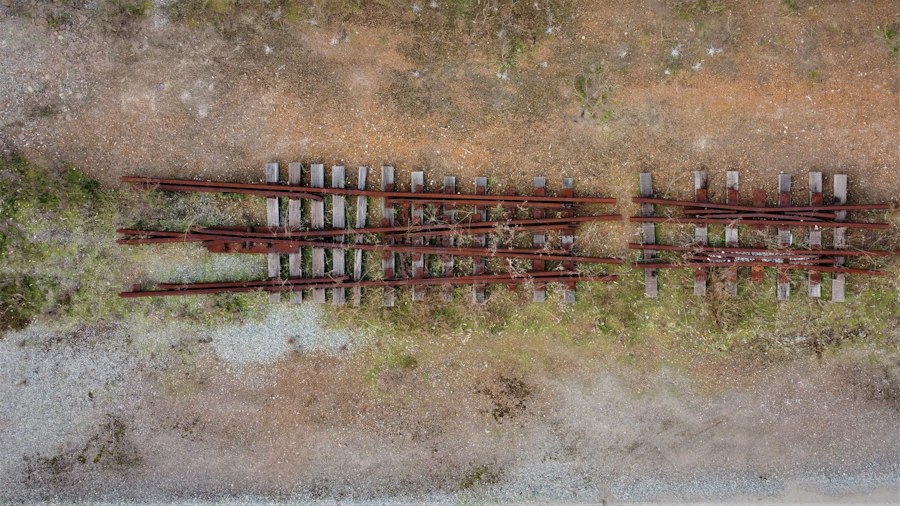
The full extent of the damage inflicted by the storm surge is still being meticulously assessed, but early reports indicate a widespread and severe impact across numerous coastal railway corridors. The intricate network of tracks, signals, and ancillary equipment has been subjected to an unprecedented onslaught, leading to a complex web of infrastructural failures. This assessment phase is critical, forming the basis for all subsequent repair and recovery efforts. It involves not only a physical inspection of the damage but also a detailed analysis of its implications for operational safety and long-term resilience. The information gathered will guide resource allocation, prioritize repair efforts, and inform future strategies for protecting critical infrastructure.
Infrastructure Inspections and Damage Reports
Following the receding of the floodwaters, a comprehensive and systematic inspection of the affected railway infrastructure commenced. Teams of engineers, surveyors, and maintenance crews have been deployed to conduct thorough assessments of the tracks, bridges, tunnels, signal boxes, and overhead power lines. These inspections involve a combination of visual examinations, detailed photographic and video documentation, and the use of specialized diagnostic equipment. Drones equipped with high-resolution cameras are being utilized to survey hard-to-reach areas and to provide an aerial perspective of the damage. Ground-penetrating radar is being employed to assess the condition of the subgrade and ballast, while ultrasonic testing is used to detect any internal damage or stress fractures in rails and bridge components. The data collected from these inspections is being compiled into detailed damage reports, which are essential for understanding the scope of the problem and for planning effective mitigation strategies. These reports often highlight specific areas of severe damage, such as the complete destruction of track sections, the undermining of bridge abutments, and the inundation of signaling equipment with saltwater, which can cause extensive corrosion and electrical failures.
Prioritization of Repair Efforts
Given the immense scale of the damage, a rigorous prioritization of repair efforts is essential. Railway operators are working in close collaboration with emergency services and government agencies to determine which sections of track and which critical infrastructure elements need to be addressed first. Factors influencing this prioritization include the potential for economic impact (e.g., major freight routes), the urgency of passenger service restoration, and the safety implications of damaged structures. Lines that are vital for the transportation of essential goods, such as food and medical supplies, are likely to be given immediate attention. Similarly, routes that serve densely populated areas and provide crucial commuter services will be prioritized for passenger line restoration. The structural integrity of bridges and viaducts is also a paramount concern, with any compromised structures requiring immediate attention to prevent further deterioration or potential collapse. This systematic approach ensures that limited resources are deployed effectively, maximizing the impact of the repair efforts and minimizing the disruption to the wider community and economy.
The Economic and Social Ramifications of Disruption
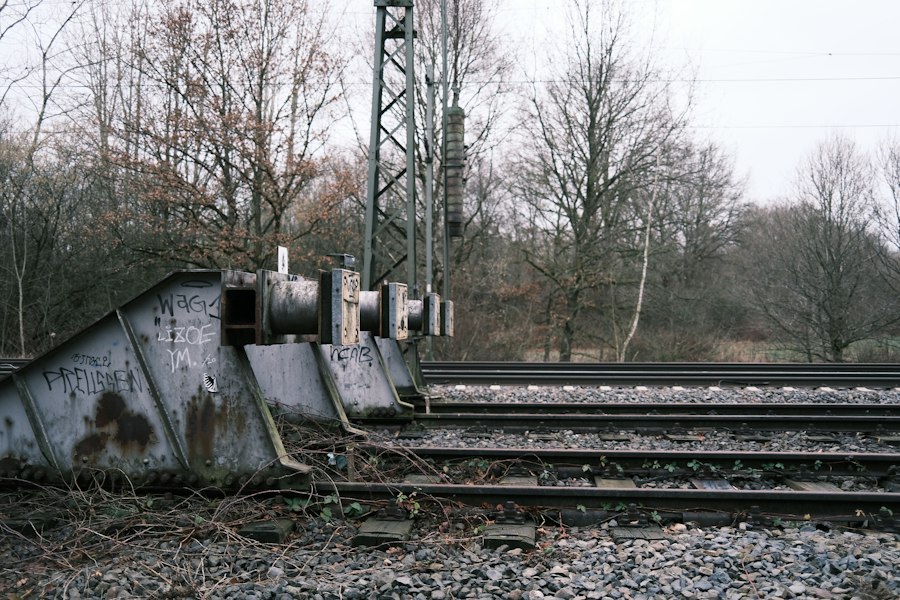
The damage to coastal railway routes has far-reaching economic and social consequences that extend beyond the immediate operational disruptions. The railway is a vital artery for the movement of goods and people, and its incapacitation has a cascading effect on various sectors of the economy and on the daily lives of citizens. The cost of repairs, coupled with the loss of revenue and increased logistical expenses, places a significant financial burden on railway operators and the broader economy.
Impact on Freight Transportation and Supply Chains
Coastal railway lines are indispensable for the efficient movement of freight, particularly for industries located in port cities or those that rely on bulk transport. The disruption to these routes has led to significant delays and increased costs for businesses dependent on rail for their supply chains. Goods that would normally be transported by train are now being rerouted to road or sea, placing additional strain on these alternative modes of transport and often resulting in higher shipping fees. For industries that rely on timely delivery of raw materials or finished products, these delays can lead to production stoppages, increased inventory costs, and a loss of competitiveness. The agricultural sector, for instance, may face challenges in getting produce to market, while manufacturing industries could experience shortages of essential components. The economic impact extends to increased fuel consumption and emissions due to longer or less efficient alternative routes. Re-establishing these vital freight links is therefore a matter of significant economic urgency.
Passenger Service Interruptions and Commuter Hardship
For millions of commuters, the railway is an essential mode of transport, providing a reliable and often cost-effective way to travel to work, school, and other destinations. The widespread service cancellations and delays caused by the storm surge have resulted in considerable hardship for these passengers. Many are forced to seek alternative modes of transport, which may be more expensive, less convenient, or simply unavailable in sufficient capacity. This can lead to longer and more stressful commutes, impacting productivity and personal well-being. For those who rely solely on public transport, the disruptions can make it difficult to maintain employment or access essential services. The social fabric of communities that depend on these rail links can also be affected, as it becomes harder for people to connect with friends and family, or to participate in local events. The restoration of passenger services is therefore not only an economic imperative but also a social necessity.
Long-Term Economic Costs and Resilience Investments
Beyond the immediate costs of repair, the storm surge highlights the long-term economic implications of climate change and the need for increased investment in resilient infrastructure. The increasing frequency and intensity of extreme weather events necessitate a reassessment of current engineering standards and coastal defense strategies. The cost of repairing damaged infrastructure after each event can, over time, exceed the cost of proactive investment in more robust and resilient systems. This includes the elevation of tracks in vulnerable areas, the construction of more robust sea defenses, and the implementation of advanced warning systems. Furthermore, the economic disruption caused by extended service outages can have a lasting impact on regional economies, deterring investment and affecting long-term growth prospects. Understanding these long-term economic trade-offs is crucial for informing future infrastructure planning and ensuring the sustained economic health of coastal regions.
The Herculean Task of Restoration and Repair
The recovery process is a monumental undertaking, requiring the coordinated efforts of numerous organizations and a significant investment of resources. Engineers are working against the clock to not only repair the immediate damage but also to implement measures that will enhance the resilience of the railway network against future extreme weather events. The scale of the challenge is immense, and the path to full restoration will be a long and complex one.
Engineering Challenges and Innovative Solutions
Restoring damaged railway infrastructure presents a unique set of engineering challenges. The repair of washed-out ballast beds requires the precise re-grading and compaction of new materials. Damaged or buckled rails need to be straightened or replaced, a process that can be complicated by the unstable ground conditions. Bridges and viaducts that have suffered structural damage require extensive structural analysis and, in many cases, specialized repair techniques. This might involve the use of temporary supports, advanced concrete repair systems, or even the complete replacement of damaged sections. Engineers are also exploring innovative solutions to accelerate the repair process and to improve the long-term resilience of the network. This could include the use of prefabricated track sections, modular bridge components, or new materials that are more resistant to corrosion and erosion. The integration of advanced sensor technologies to monitor track stability and structural health in real-time is also being considered as a proactive measure against future events.
Mobilization of Resources and Manpower
The scale of the damage necessitates a massive mobilization of resources and manpower. Railway operators are working with contractors, material suppliers, and emergency services to ensure that the necessary equipment, machinery, and skilled personnel are available to undertake the repairs. This includes earthmoving machinery for ballast replacement, cranes for lifting heavy components, and specialized welding equipment for rail repair. The availability of skilled labor – including track layers, bridge engineers, signaling technicians, and emergency response personnel – is crucial for the success of the restoration effort. In some cases, resources may need to be diverted from other projects or sourced from further afield to meet the immediate demands. The coordination of these diverse resources is a complex logistical undertaking, requiring efficient communication and planning. The commitment of engineers and maintenance crews working in challenging conditions, often around the clock, is a testament to their dedication to restoring vital transportation links.
Rebuilding for Future Resilience
The current repair efforts are not solely focused on returning the railway to its pre-storm condition; they are also aimed at building a more resilient network for the future. This involves incorporating lessons learned from the recent event into the design and construction of repairs and new infrastructure. Measures being implemented may include: elevating tracks in flood-prone areas, constructing higher and more robust sea walls or embankments to protect railway lines, and improving drainage systems to better manage water runoff. The use of more resilient materials, such as corrosion-resistant steel for rails and concrete formulations that are more resistant to saltwater erosion, is also being considered. Furthermore, advancements in weather forecasting and early warning systems are being integrated to provide more lead time for operational adjustments and precautionary measures during anticipated extreme weather events. The goal is to create a railway network that can better withstand the impacts of climate change and minimize future disruptions, ensuring the long-term reliability of this essential infrastructure.
Storm surge can have devastating effects on infrastructure, particularly railways, which are often vulnerable to flooding and erosion. A recent article discusses the impact of extreme weather events on railway systems and highlights the importance of implementing effective mitigation strategies. For further insights into how storm surges affect transportation networks, you can read more in this informative piece on MyGeoQuest. Understanding these challenges is crucial for developing resilient infrastructure that can withstand the increasing frequency of severe weather.
Looking Ahead: Learning and Adapting to a Changing Climate
| Storm Name | Year | Surge Height (ft) | Railway Line Affected | Damage Type | Estimated Repair Time (days) | Disruption Duration (days) |
|---|---|---|---|---|---|---|
| Hurricane Sandy | 2012 | 14 | Long Island Rail Road | Track flooding and washout | 45 | 30 |
| Hurricane Katrina | 2005 | 18 | Amtrak Crescent Line | Bridge damage and track erosion | 60 | 50 |
| Typhoon Haiyan | 2013 | 20 | Philippine National Railways | Track washout and signal failure | 30 | 25 |
| Hurricane Ike | 2008 | 15 | Union Pacific Railroad | Track flooding and debris blockage | 40 | 35 |
| Storm Xaver | 2013 | 10 | UK Coastal Rail Lines | Track flooding and embankment damage | 25 | 20 |
The devastating impact of this recent storm surge serves as a stark reminder of the vulnerability of coastal infrastructure to the increasing forces of nature. It underscores the urgent need for a proactive and adaptive approach to climate change mitigation and infrastructure planning. The lessons learned from this event must be integrated into future strategies to ensure the long-term viability and resilience of our vital transportation networks.
The Role of Climate Change in Extreme Weather Events
The scientific consensus points to a clear link between climate change and the increasing frequency and intensity of extreme weather events, including storm surges. Rising global temperatures are contributing to sea-level rise, which exacerbates the impact of storm surges by providing a higher base from which they can advance inland. Warmer ocean temperatures can also fuel more powerful storms. Understanding this connection is crucial for effective long-term planning. Ignoring the role of climate change in these events would be a significant oversight, leading to insufficient and ultimately ineffective mitigation and adaptation strategies. The railway industry, like many others, must acknowledge this reality and incorporate it into its strategic decision-making processes.
Investing in Climate-Resilient Infrastructure
The financial and social costs of repeated damage to critical infrastructure are substantial. Therefore, a significant shift in investment is required, moving from a reactive repair-based model to a proactive investment in climate-resilient infrastructure. This means not only reinforcing existing structures but also re-evaluating where and how new infrastructure is built. Considerations such as elevating critical assets, implementing advanced flood defenses, and developing robust drainage systems will become standard practice. Furthermore, the integration of smart technologies, such as real-time environmental monitoring and predictive analytics, can provide early warnings and enable more effective responses to impending threats. This strategic investment will not only minimize future damage and disruption but also enhance the overall reliability and economic productivity of the transportation network.
Collaborative Efforts for a Sustainable Future
Addressing the challenges posed by extreme weather events requires a concerted and collaborative effort. This involves not only the railway industry itself but also government agencies, meteorological services, environmental organizations, and the public. Sharing data, research, and best practices is essential for developing effective strategies. Governments play a crucial role in setting regulatory frameworks, providing funding for resilient infrastructure projects, and supporting research into climate adaptation. The public also has a role to play in understanding the risks and supporting necessary changes. By working together, we can build a more sustainable and resilient future, one where our essential infrastructure can withstand the challenges of a changing climate and continue to serve the needs of society effectively. The lessons from this devastating storm surge must not be forgotten; they must serve as a catalyst for transformative action.
The Railroad That Bet on the Panama Canal—and Lost
FAQs
What is a storm surge?
A storm surge is a rise in sea level caused by a storm, typically a tropical cyclone or hurricane, that results in flooding and can cause significant damage to coastal areas.
How can storm surges impact railway infrastructure?
Storm surges can flood railway tracks, causing erosion, structural damage, and washouts. The force of the water can also displace tracks, bridges, and other components of the railway system.
What are some common consequences of storm surge damage to railways?
Common consequences of storm surge damage to railways include service disruptions, delays in transportation, increased maintenance costs, and the need for extensive repairs to restore the railway system to full functionality.
How can railway operators prepare for potential storm surge damage?
Railway operators can prepare for potential storm surge damage by implementing preventive measures such as raising tracks above flood levels, reinforcing infrastructure, developing emergency response plans, and monitoring weather forecasts to take proactive actions.
Are there any examples of storm surge damage to railway systems in recent history?
Yes, there have been instances of storm surge damage to railway systems in various parts of the world, including the destruction of tracks, bridges, and stations due to powerful storms like hurricanes and typhoons. These events highlight the vulnerability of railways to extreme weather conditions.