
Sri Lanka stands out in South Asia, and it’s not just about its beautiful beaches. This island nation has historically charted a different course economically and socially compared to its larger neighbors. This isn’t to say it’s perfect, far from it, but a closer look reveals some unique patterns that make it an outlier in the region.
Sri Lanka’s divergence from the norm in South Asia began decades ago, largely shaped by early policy decisions made post-independence. While its neighbors often focused on a more state-led industrialization path, Sri Lanka, at various points, leaned towards policies that fostered social development alongside economic growth. This early emphasis set a different trajectory.
Health and Education as Pillars
A key factor in Sri Lanka’s distinctiveness is its long-standing commitment to universal access to healthcare and education. This wasn’t an afterthought; it was integrated into the nation-building process from the early years.
High Literacy Rates
Even as other countries in the region grappled with basic literacy, Sri Lanka consistently showed much higher figures. This commitment translated into a more skilled populace over time, capable of engaging with a broader range of economic activities.
Public Health Infrastructure
Investments in public health, including maternal and child care, significantly reduced mortality rates. This brought Sri Lanka’s health indicators closer to those of some developed nations, a stark contrast to the prevailing health challenges elsewhere in South Asia. This focus had a direct impact on the population’s productivity and overall well-being.
Land Reform and its Impact
Early land reforms in Sri Lanka, although complex and with varied outcomes, also played a role in shaping its socioeconomic landscape. The aim was to redistribute land, which had implications for rural livelihoods and agricultural productivity.
Agricultural Focus
While industrialization became a primary driver for some, Sri Lanka retained a significant agricultural sector. Land reform policies, at different stages, influenced how this sector functioned and who benefited from it. This maintained a strong rural economic base, different from the rapid urbanization seen in some other South Asian countries.
Sri Lanka stands out as a socioeconomic outlier in South Asia, showcasing unique developmental patterns and challenges compared to its neighbors. An insightful article that delves into this topic can be found at MyGeoQuest, where it explores the factors contributing to Sri Lanka’s distinct economic landscape, including its education system, healthcare, and social policies. This resource provides a comprehensive analysis of how these elements have shaped the country’s position in the region and the implications for its future growth.
Economic Trajectory: A Path Less Traveled
Sri Lanka’s economic journey has been characterized by periods of liberalization and policy shifts, but it has consistently aimed for a higher per capita income than its immediate neighbors, albeit with its own set of challenges.
Export-Oriented Growth Strategies
While many South Asian nations started with import substitution, Sri Lanka gradually moved towards more export-oriented strategies. This involved focusing on certain sectors to compete internationally.
Textile and Apparel Industry
The textile and apparel sector, in particular, became a significant engine of growth and employment. This sector benefited from trade agreements and a relatively skilled, trainable workforce, allowing Sri Lanka to carve out a niche in the global market.
Tea and Rubber Exports
The island nation’s traditional exports like tea and rubber continued to be important, but it diversified into new areas such as tourism and manufactured goods, adding a different dimension to its export basket.
Liberalization and Market Reforms
Over the past few decades, Sri Lanka has undergone significant periods of economic liberalization. These reforms aimed to attract foreign investment and improve the efficiency of state-owned enterprises.
Foreign Direct Investment (FDI)
Efforts were made to create a more attractive environment for foreign investors, targeting sectors like manufacturing, tourism, and infrastructure. This aimed to bring in capital, technology, and management expertise.
Privatization of State Enterprises
In line with global trends, Sri Lanka undertook privatization efforts for some state-owned entities. The goal was to enhance efficiency and reduce the burden on the national budget. The success of these reforms has been a subject of ongoing debate and adjustment.
Tourism as a Key Sector
Unlike many of its neighbors, Sri Lanka has cultivated tourism as a major economic contributor. Its natural beauty and cultural heritage have been leveraged to attract international visitors.
Diverse Tourist Attractions
From ancient ruins and lush tea plantations to pristine beaches and wildlife safaris, the island offers a wide array of attractions that appeal to a global audience. This diversity has been a significant advantage.
Impact on Local Economies
The tourism industry has created employment opportunities, particularly in hospitality and related services, and has had a ripple effect on local economies in various parts of the country. However, the sector has also been vulnerable to external shocks.
Social Fabric: Distinctive Characteristics
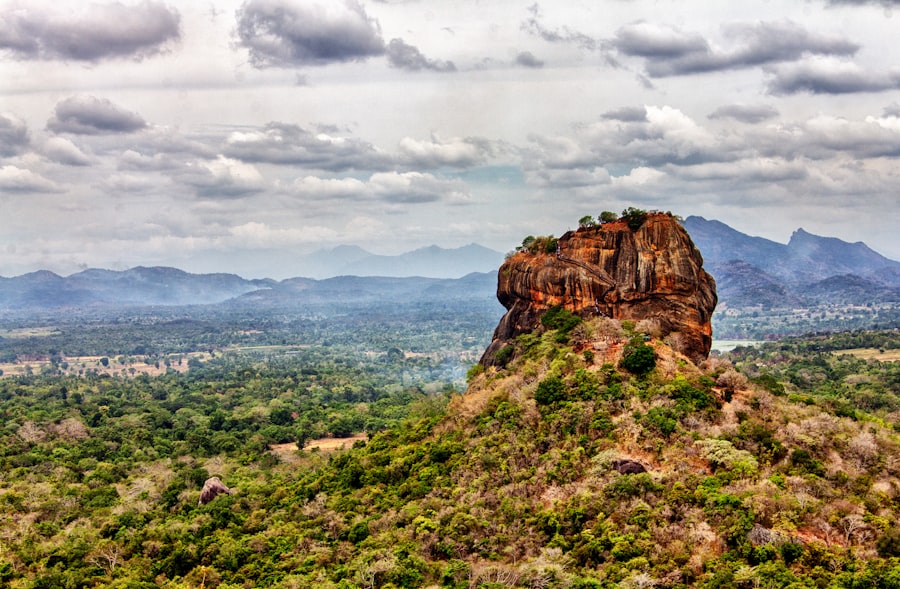
Beyond economics, Sri Lanka’s social landscape presents several features that set it apart in the South Asian context. These have been shaped by its history, ethnic diversity, and policy choices.
Ethnic and Religious Diversity
Sri Lanka is a multi-ethnic and multi-religious country. The relationship between these communities has a significant impact on its social cohesion and political dynamics.
Sinhala Majority and Tamil Minority
The majority Sinhala population and the significant Tamil minority have historically coexisted, but inter-communal relations have, at times, been strained, leading to periods of conflict and unrest. This dynamic is a central feature of Sri Lankan society.
Other Religious and Ethnic Groups
Besides these two major groups, Sri Lanka also has communities of Muslims, Burghers, and others, each contributing to the rich tapestry of its culture and social life. Managing this diversity effectively remains an ongoing challenge.
Gender Equality and Women’s Participation
Sri Lanka has often distinguished itself through its relatively higher levels of female literacy and participation in certain sectors. While challenges remain, these indicators have historically been more favorable than in some regional counterparts.
Women in the Workforce
Women have found increased opportunities in sectors like garment manufacturing and the service industry. Their contribution to the economy, although sometimes facing structural barriers, has been noteworthy.
Political Representation
While not always reaching parity, Sri Lanka has seen periods where political participation of women in elected bodies has been higher than in some other South Asian nations. Efforts continue to improve this representation.
Social Welfare Programs
A legacy of social welfare programs, including subsidized food and healthcare, has played a role in shaping societal expectations and reducing extreme poverty.
Safety Nets
These programs, while evolving and subject to fiscal constraints, have historically provided a degree of social protection for a significant portion of the population, contributing to a more equitable distribution of basic necessities.
Urban-Rural Divide
Despite these programs, a noticeable urban-rural divide persists, affecting access to opportunities and services, a challenge not unique to Sri Lanka but present with its own specific nuances.
Governance and Political Landscape
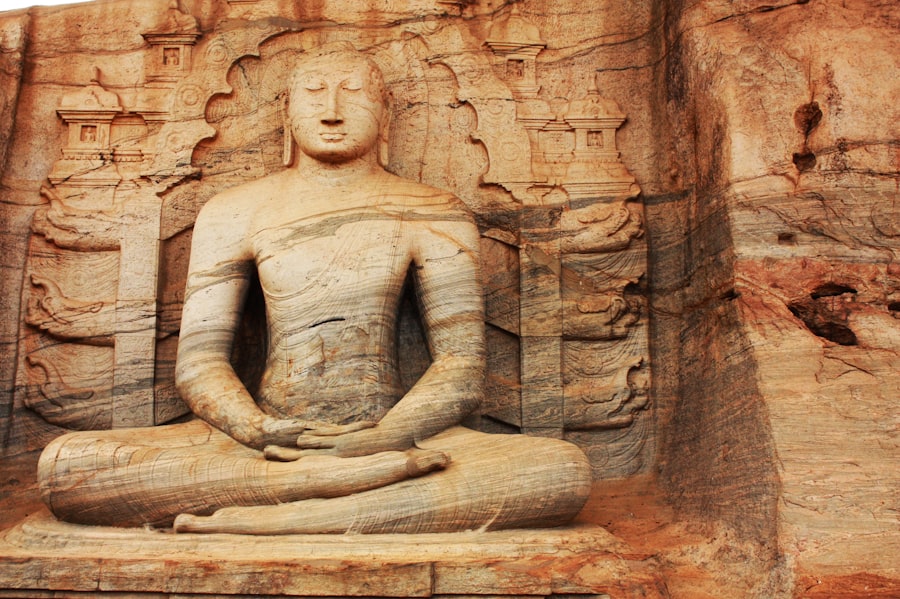
The governance structures and political evolution of Sri Lanka have also contributed to its outlier status. The interplay between democratic institutions, the legacy of conflict, and economic management has been complex.
Democratic Traditions
Sri Lanka has a long tradition of parliamentary democracy, with regular elections and a relatively free press for much of its post-independence history.
Electoral System
The country has experimented with different electoral systems, each with its own set of consequences for political representation and stability. The proportional representation system, for example, has led to a multi-party landscape.
Rule of Law Debates
Discussions and debates around the rule of law, judicial independence, and human rights have been ongoing concerns, particularly in the context of past conflicts and periods of political tension.
Impact of Conflict and Post-Conflict Reconstruction
The long-standing ethnic conflict and its aftermath have had a profound impact on Sri Lanka’s socioeconomic development and political trajectory.
Economic Disruption
The conflict caused significant economic disruption, diverting resources and hindering development. Post-conflict reconstruction has been a major focus, aiming to rebuild infrastructure and foster reconciliation.
Reconciliation Efforts
Efforts at reconciliation between different communities have been a critical, and often challenging, aspect of the post-conflict era. The success of these efforts directly influences social cohesion and economic progress.
Regional Relations and External Influences
Sri Lanka’s position as an island nation means its regional relations and external influences differ from landlocked or continentally connected countries.
India’s Influence
Proximity to India naturally creates a significant relationship, with economic, cultural, and security dimensions. Managing this relationship is a constant in Sri Lankan foreign policy.
Global Engagement
Sri Lanka has actively engaged with a broader range of international actors and trade blocs beyond its immediate South Asian neighborhood, seeking to diversify its partnerships and economic opportunities.
Sri Lanka stands out as a socioeconomic outlier in South Asia, showcasing unique developmental patterns that differ from its regional counterparts. This distinction is highlighted in a related article that explores the various factors contributing to Sri Lanka’s economic resilience and social progress. For a deeper understanding of these dynamics, you can read more in this insightful piece on the topic. The article provides a comprehensive analysis of the country’s achievements and challenges, making it a valuable resource for anyone interested in the region’s socioeconomic landscape. You can find the article here: read more.
Challenges and Future Outlook
| Indicator | Data |
|---|---|
| GDP per capita | 4,065.20 (2019) |
| Unemployment rate | 4.4% (2020) |
| Human Development Index (HDI) | 0.782 (2019) |
| Population below poverty line | 4.1% (2016) |
Despite its unique characteristics, Sri Lanka faces significant socioeconomic challenges, some of which have been exacerbated by recent events. Understanding these challenges provides a clearer picture of its current standing and future prospects.
Economic Vulnerability and Debt
Recent economic crises have highlighted Sri Lanka’s vulnerability to external shocks and its significant debt burden. Managing this fiscal situation is a priority.
Fiscal Management
Improving fiscal management, reducing budget deficits, and ensuring sustainable debt levels are crucial for long-term economic stability. This requires careful policy decisions and adherence to reforms.
Inflation and Cost of Living
High inflation and rising costs of living have directly impacted the daily lives of Sri Lankans, affecting household budgets and economic confidence. Addressing these issues is paramount for social well-being.
Sustainable Development Goals
Aligning development efforts with global Sustainable Development Goals (SDGs) remains a key objective, requiring a balanced approach to economic growth, social progress, and environmental protection.
Environmental Concerns
The island’s natural environment, a key asset for tourism and livelihoods, faces pressures from development and climate change. Sustainable environmental practices are increasingly important.
Poverty Reduction and Inequality
While Sri Lanka has made progress, persistent poverty and inequality, particularly in certain regions, remain areas of focus. Targeted interventions are needed to ensure inclusive growth.
Political Stability and Reform
Ensuring political stability and continuing with necessary institutional reforms are vital for fostering investor confidence and achieving sustainable development.
Governance Reforms
Strengthening governance, improving transparency, and enhancing accountability are essential for restoring public trust and building a more resilient economy and society.
Social Cohesion and Inclusivity
Fostering greater social cohesion and ensuring inclusive development across all communities will be critical in navigating future challenges and building a stronger, more unified nation.
FAQs
What makes Sri Lanka a socioeconomic outlier in South Asia?
Sri Lanka stands out in South Asia due to its relatively high human development indicators, including literacy rates, life expectancy, and access to healthcare. It also has a more diversified economy compared to its neighbors.
How does Sri Lanka’s literacy rate compare to other South Asian countries?
Sri Lanka has one of the highest literacy rates in South Asia, with over 92% of its population being literate. This is significantly higher than the regional average and contributes to its socioeconomic development.
What are some key factors contributing to Sri Lanka’s socioeconomic development?
Sri Lanka’s investment in education, healthcare, and infrastructure has played a significant role in its socioeconomic development. Additionally, its focus on export-oriented industries and tourism has contributed to economic growth.
What are some challenges that Sri Lanka faces despite its socioeconomic progress?
Sri Lanka still faces challenges such as income inequality, regional disparities, and political instability. Additionally, the country has been affected by natural disasters and has a high public debt burden.
How does Sri Lanka’s economy differ from other South Asian countries?
Sri Lanka’s economy is more diversified compared to its South Asian neighbors, with a significant focus on industries such as tourism, tea production, and apparel manufacturing. It also has a relatively higher per capita income compared to some of its regional counterparts.