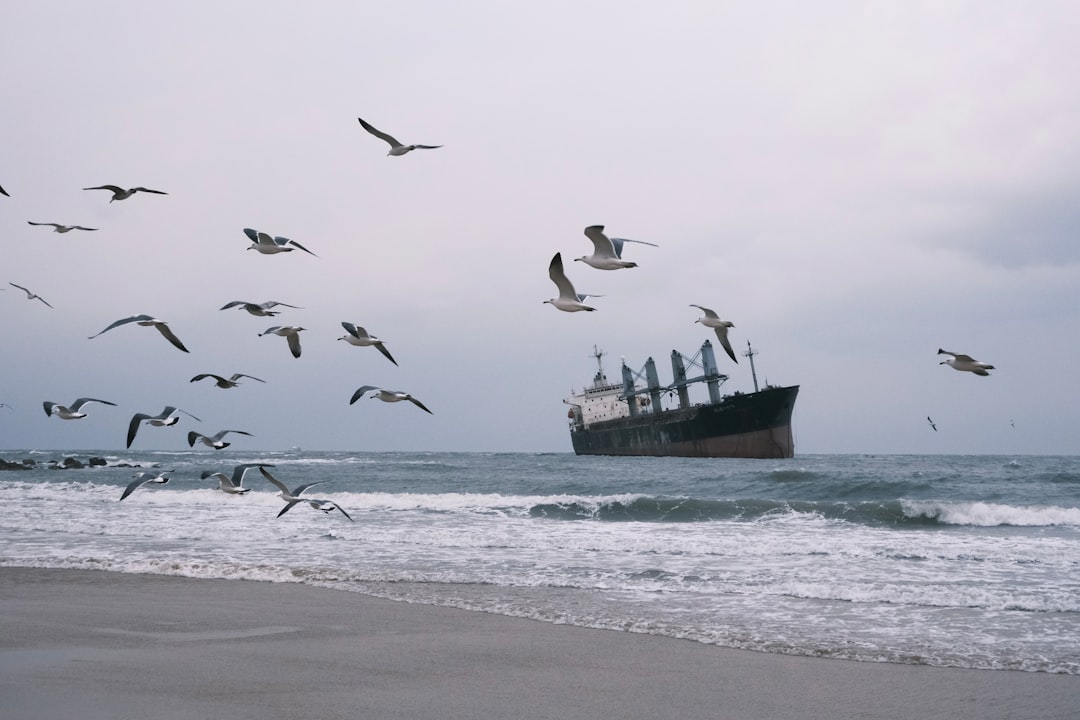
The metallic skeletons of ships, once proud vessels of global commerce, now lie beached on the shores of South Asia, forming stark landscapes that are as awe-inspiring as they are disturbing. These aren’t picturesque tourist destinations; they are active shipbreaking yards, humming with the relentless labor of thousands of workers and groaning under the weight of environmental degradation. South Asia, particularly countries like Bangladesh, India, and Pakistan, has become a global hub for shipbreaking, driven by the economic allure of cheap labor and the lack of stringent environmental regulations. However, this booming industry casts a long shadow, marked by profound environmental damage and deeply concerning human rights violations that demand urgent attention.
The global maritime industry generates a vast number of end-of-life vessels annually. As ships age and become less economically viable to operate, they are often sold for scrap. South Asia’s appeal as a shipbreaking destination is rooted in a complex interplay of economic factors that make it an attractive, albeit problematic, choice for shipowners.
Low Labor Costs and Competitive Pricing
One of the primary drivers for the concentration of shipbreaking in South Asia is the availability of a large, often desperate, workforce willing to undertake hazardous labor for meager wages. Compared to developed nations, the cost of labor in Bangladesh, India, and Pakistan is significantly lower. This translates into substantial cost savings for shipowners who can sell their vessels for breaking at competitive prices. The dismantling process, which is largely manual, relies heavily on this readily available human capital.
Lack of Stringent Regulations and Enforcement
A significant factor contributing to the industry’s growth in South Asia is the comparative laxity in environmental and labor regulations, or the weak enforcement of existing ones. Developed countries are increasingly implementing stricter environmental protection laws, making it more expensive and complex to decommission ships within their borders. The absence of such stringent oversight in South Asia allows for faster and less costly dismantling operations, attracting companies looking to avoid the financial and logistical burdens associated with responsible disposal.
The “Beached” Model: Economic Efficiency vs. Environmental Responsibility
The characteristic “beaching” method, where massive vessels are deliberately run aground on tidal beaches, is a hallmark of South Asian shipbreaking. This method is highly efficient for initial dismantling as it allows workers direct access to large sections of the hull. However, it also exacerbates environmental contamination, as hazardous materials are directly exposed to the marine environment and surrounding land. This economic efficiency, achieved by bypassing costly containment and remediation measures, comes at a significant environmental and human cost.
Global Demand for Recycled Steel
Ships are essentially floating steel structures, and the global demand for recycled steel is substantial. South Asia’s shipbreaking industry plays a crucial role in supplying this demand. The metal salvaged from decommissioned vessels is melted down and repurposed, contributing to the circular economy. While this recycling aspect is often highlighted as a positive attribute of the industry, it does not negate the harmful practices employed in the process.
Shipbreaking beaches in South Asia, particularly in countries like Bangladesh and India, have become a focal point for discussions on environmental degradation and labor rights. An insightful article that delves into the complexities of this industry can be found at My Geo Quest, where it explores the socio-economic implications and the environmental challenges faced by these coastal communities. The piece highlights the urgent need for sustainable practices and better regulations to protect both the workers and the fragile marine ecosystems affected by shipbreaking activities.
Environmental Catastrophe: The Toxic Legacy of Shipbreaking
The environmental consequences of shipbreaking operations in South Asia are severe and far-reaching. These beaches, once teeming with marine life and vital ecosystems, are now heavily polluted with a cocktail of hazardous substances, leaving a toxic legacy for generations to come.
The Pervasive Presence of Hazardous Materials
Ships, particularly older ones, are laden with a multitude of hazardous materials that pose significant risks to the environment and human health. These include:
Asbestos and its Health Risks
Asbestos, a fibrous silicate mineral known for its heat and electrical resistance, was widely used in ship construction for insulation and fireproofing. During the dismantling process, asbestos fibers are released into the air, posing a severe risk of respiratory diseases such as asbestosis, mesothelioma, and lung cancer to workers and nearby communities. Despite its known carcinogenicity, the handling and disposal of asbestos in many South Asian shipbreaking yards are often rudimentary, with workers often lacking adequate protective gear.
Heavy Metals and Their Impact on Marine Ecosystems
Ships’ hulls are often coated with anti-fouling paints containing heavy metals like lead, mercury, cadmium, and tributyltin (TBT). TBT, in particular, is highly toxic to marine life, even in small concentrations, disrupting endocrine systems and causing developmental abnormalities. When ships are broken on the beaches, these toxic paints leach into the soil and water, contaminating coastal ecosystems. The accumulation of heavy metals in marine organisms can also lead to biomagnification, posing risks to apex predators and humans who consume contaminated seafood.
Polychlorinated Biphenyls (PCBs) and Persistent Organic Pollutants (POPs)
Older vessels may also contain PCBs, a group of industrial chemicals that are persistent organic pollutants (POPs). PCBs are known carcinogens and can cause a wide range of health problems, including immune system damage, reproductive issues, and developmental disorders. Their release into the environment through shipbreaking contributes to long-term contamination of soil, water, and air.
Hydrocarbons and Oil Spills
Ships carry various oils and fuels, and dismantling operations often involve the draining of these substances. Accidental spills during the process can lead to significant oil pollution, harming marine life, fouling beaches, and impacting coastal communities that rely on the sea for their livelihoods. The decomposition of oily waste further contributes to the pollution of the surrounding environment.
Contamination of Soil and Groundwater
The sheer volume of hazardous waste generated by shipbreaking, including paint chips, rust, oil residues, and fragmented materials, contaminates the soil and groundwater in the vicinity of the shipbreaking yards. This contamination can render the land infertile for agriculture and pose long-term risks to local water sources, impacting drinking water supplies and the health of communities.
Impact on Biodiversity and Marine Life
The pollution generated by shipbreaking has a devastating impact on coastal biodiversity. Marine organisms, from plankton to fish and larger mammals, are exposed to toxic chemicals, leading to reduced populations, reproductive failures, and increased mortality rates. The physical presence of shipwrecks also alters marine habitats, displacing or destroying existing ecosystems. Beaches that were once vibrant with life are reduced to barren, polluted landscapes.
The Human Cost: Exploitation and Dehumanization on the Shipbreaking Beaches
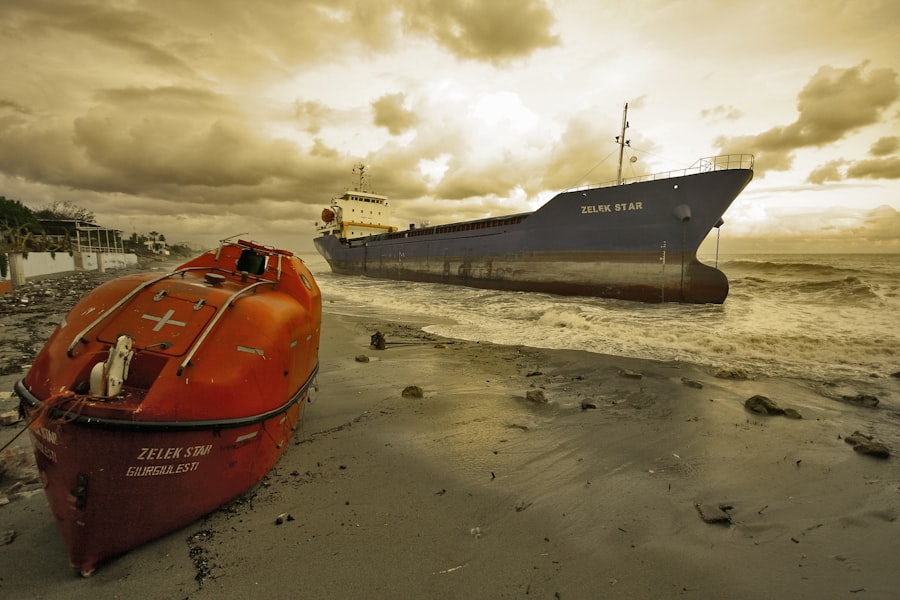
Beyond the environmental devastation lies a stark human tragedy. The shipbreaking industry in South Asia is notorious for its exploitative labor practices, where human rights are routinely disregarded in the pursuit of profit.
Dangerous Working Conditions and Lack of Safety Measures
The dismantling of massive ships is an inherently dangerous undertaking, even with proper safety protocols. In South Asian shipbreaking yards, these protocols are often non-existent. Workers, often illiterate and from marginalized communities, are exposed to a litany of hazards:
Falls from Heights and Structural Collapse
Workers frequently scale precarious structures and navigate uneven surfaces at extreme heights without adequate fall protection. The risk of falling is ever-present, leading to severe injuries and fatalities. The structural integrity of the partially dismantled ships can be compromised, leading to sudden collapses that trap and crush workers.
Exposure to Toxic Fumes and Dust
The cutting, grinding, and torching of metal release toxic fumes and particulate matter into the air. Workers inhale these substances without proper respiratory protection, leading to chronic respiratory illnesses and long-term health problems. The liberation of asbestos fibers, as mentioned earlier, is a particularly lethal hazard.
Sharp Objects and Mechanical Injuries
The process involves the handling of heavy, sharp metal fragments and the operation of powerful machinery. Lacerations, amputations, and crush injuries are common. Workers often use makeshift tools and lack adequate personal protective equipment (PPE) such as sturdy gloves and protective footwear.
Fire and Explosion Hazards
The presence of residual fuel and flammable materials, coupled with the use of cutting torches, creates a constant risk of fires and explosions. These incidents can cause severe burns, injuries, and fatalities.
Child Labor and Forced Labor
In many instances, the desperation for income leads to the exploitation of children. Children, some as young as ten or twelve, are found working in these yards, performing dangerous tasks for minimal pay. Their small hands and nimble fingers are sometimes utilized for tasks in confined spaces, increasing their vulnerability. In some cases, workers are trapped in debt bondage, effectively making them victims of forced labor, unable to leave their jobs due to overwhelming debts owed to employers or intermediaries.
Inadequate Wages and Lack of Benefits
The wages paid to shipbreaking workers are often exceptionally low, barely enough to sustain themselves and their families. They are frequently denied basic benefits such as health insurance, sick leave, or compensation for injuries. This precarious financial situation makes them highly vulnerable and dependent on their meager earnings, perpetuating a cycle of poverty and exploitation.
Lack of Legal Protection and Grievance Mechanisms
Workers in these yards often lack access to legal recourse or effective grievance mechanisms. They are unlikely to report unsafe conditions or exploitation for fear of reprisal, dismissal, or further victimization. The power imbalance between employers and the often unorganized and illiterate workforce is profound.
The International Framework and the Struggle for Accountability
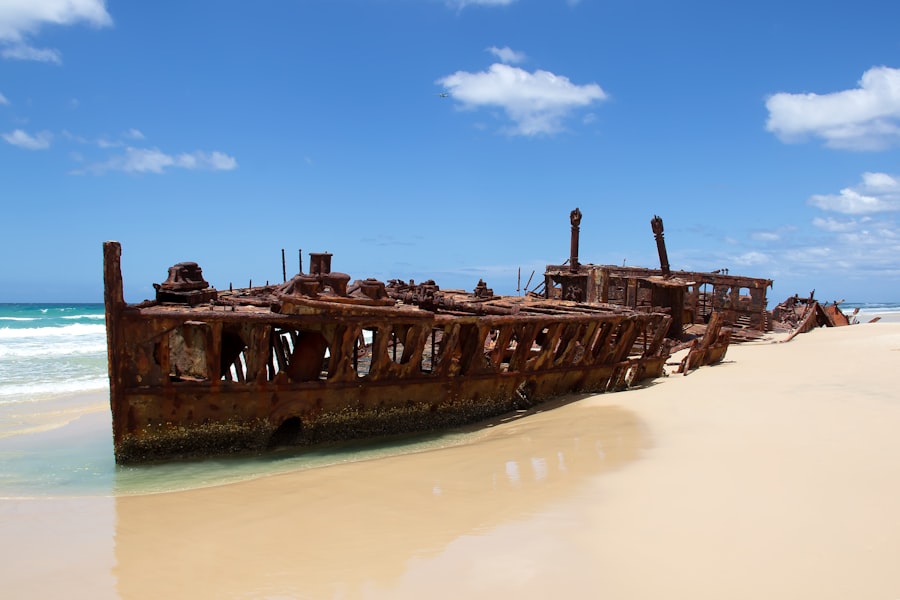
While the problems are deeply rooted in South Asia, the shipbreaking industry is a global one, and the responsibility for addressing its environmental and human rights concerns extends beyond national borders. International conventions and the actions of global organizations play a crucial role in pushing for reform.
The Hong Kong Convention and its Limitations
The International Maritime Organization’s (IMO) Hong Kong International Convention for the Safe and Environmentally Sound Recycling of Ships (known as the Hong Kong Convention) aims to establish global standards for ship recycling. It mandates that ships be designed, built, and operated in a way that facilitates safe and environmentally sound recycling, without compromising their operation or safety. However, the convention’s effectiveness is hampered by its voluntary nature and the slow pace of ratification by key maritime nations and recycling countries. Many argue that its provisions are not ambitious enough to adequately address the egregious practices prevalent in some shipbreaking yards.
The Role of NGOs and Activist Organizations
Non-governmental organizations (NGOs) and environmental and human rights activists have been instrumental in bringing the plight of South Asian shipbreaking workers and the environmental damage to the forefront of international attention. These organizations conduct research, document abuses, lobby governments and corporations, and raise public awareness. Their advocacy has put pressure on shipowners, flag states, and recycling facilities to adopt more responsible practices.
Corporate Social Responsibility and Supply Chain Due Diligence
There is a growing demand for greater corporate social responsibility (CSR) from shipping companies that send their vessels for breaking. This includes ensuring that their end-of-life ships are dismantled in yards that adhere to international safety and environmental standards. Legislation in some countries is also pushing for greater supply chain due diligence, requiring companies to demonstrate that they are not contributing to human rights abuses or environmental destruction in their operations.
The Basel Convention and Hazardous Waste Management
The Basel Convention on the Control of Transboundary Movements of Hazardous Wastes and Their Disposal is relevant to shipbreaking as ships are often considered hazardous waste. The convention aims to prevent the export of hazardous wastes from developed to developing countries. However, the classification of end-of-life ships as waste can be a point of contention, and loopholes are often exploited, allowing for the transboundary movement of these problematic vessels.
The shipbreaking beaches of South Asia have become a focal point for discussions on environmental and labor issues, as they highlight the complex interplay between economic development and ecological sustainability. A related article explores the challenges faced by workers in this industry and the impact on local communities. For more insights on this topic, you can read the article here. This examination sheds light on the urgent need for reform and better regulations in shipbreaking practices.
Towards a Sustainable Future: Reforming the Shipbreaking Industry
| Country | Number of Shipbreaking Beaches | Total Tonnage of Ships Scrapped |
|---|---|---|
| Bangladesh | 24 | 2.4 million |
| India | 10 | 4.7 million |
| Pakistan | 5 | 1.1 million |
The shipbreaking industry in South Asia is at a critical juncture. The current model is unsustainable, inflicting immense damage on both the environment and human lives. A fundamental shift is required to move towards a more responsible and ethical future.
Implementing and Enforcing Stricter Regulations
The most immediate and crucial step is the strict implementation and enforcement of national and international regulations governing shipbreaking. This includes:
Robust Environmental Impact Assessments and Monitoring
Every shipbreaking yard should undergo rigorous environmental impact assessments before operation and be subject to continuous monitoring of emissions, waste disposal, and soil and water contamination. Independent bodies should be responsible for this oversight.
Mandatory Use of Personal Protective Equipment (PPE)
The provision and mandatory use of adequate PPE for all workers, including respirators, protective clothing, gloves, and safety footwear, must be enforced. Regular training on the correct use and maintenance of PPE is essential.
Safe Dismantling Technologies and Practices
Investing in and adopting safer dismantling technologies, such as those that minimize the need for workers to work at extreme heights or in confined spaces, and employing practices that prevent the uncontrolled release of hazardous materials, are vital. This includes the establishment of designated hazardous waste treatment facilities.
Improving Working Conditions and Ensuring Fair Labor Practices
The human cost of shipbreaking must be addressed with urgency and compassion. This requires:
Fair Wages and Social Security Benefits
Workers must be paid a living wage that allows them to meet their basic needs. Access to health insurance, sick leave, maternity benefits, and retirement funds should be standard.
Independent Trade Unions and Collective Bargaining
The establishment and support of independent trade unions are crucial for workers to collectively voice their concerns, negotiate for better conditions, and ensure their rights are protected.
Transparency and Accountability Mechanisms
Creating transparent reporting mechanisms for accidents, injuries, and environmental violations, and establishing independent bodies to investigate and hold accountable those responsible for breaches of regulations, are essential.
Promoting Green Ship Recycling and Circular Economy Principles
The future of ship recycling lies in embracing greener practices and integrating them into a truly circular economy. This involves:
Incentivizing Responsible Recycling Facilities
Governments and international bodies can provide incentives, such as tax breaks or preferential treatment, for shipbreaking yards that invest in safe and environmentally sound practices.
Extended Producer Responsibility for Shipbuilders and Owners
Implementing Extended Producer Responsibility (EPR) schemes, where shipbuilders and owners are held responsible for the entire lifecycle of their vessels, including their safe and environmentally sound dismantling, can drive change.
Investing in Research and Development of Safer Materials and Technologies
Continued investment in research and development to find safer alternatives to hazardous materials used in shipbuilding and to develop more advanced and environmentally friendly dismantling technologies is crucial.
The shipbreaking beaches of South Asia are more than just industrial sites; they are stark reminders of the global consequences of unchecked industrialization and the urgent need for ethical and sustainable practices. The metallic carcasses of these once-proud vessels should not be monuments to environmental destruction and human exploitation. Instead, they should serve as a powerful catalyst for change, urging the world to demand a future where the end of a ship’s life is not the beginning of an ecological and humanitarian disaster. The path forward requires a collective commitment from governments, the maritime industry, international organizations, and civil society to ensure that the process of breaking down ships is as responsible and dignified as the journeys they once undertook.

The Beaches Global Trade Can’t Afford to Lose
FAQs
What is shipbreaking?
Shipbreaking is the process of dismantling old ships and recycling their materials, such as steel and other metals.
Where are the shipbreaking beaches of South Asia located?
The shipbreaking beaches of South Asia are located in countries such as Bangladesh, India, and Pakistan, with the majority of shipbreaking activities taking place in Alang, India.
Why are the shipbreaking beaches of South Asia controversial?
The shipbreaking beaches of South Asia are controversial due to the hazardous working conditions, environmental pollution, and lack of safety regulations for workers.
What are the environmental concerns associated with shipbreaking beaches of South Asia?
The shipbreaking process can lead to the release of toxic substances such as asbestos, lead, and oil into the surrounding environment, posing a threat to marine life and local communities.
What are the economic impacts of shipbreaking on the local communities?
Shipbreaking provides employment opportunities for local communities, but the industry also brings health and safety risks for workers, as well as environmental degradation.