The relentless flow of rivers, while vital for life, also shapes and reshapes the very land. In the deltaic regions of countries like Bangladesh and India, this constant flux creates unique landforms known as “chars” – riverine islands formed by the accretion of silt. These chars, often appearing and disappearing with the changing tides and currents, are home to a significant population whose existence is intrinsically linked to the capricious nature of the rivers. These char dwellers, despite their intimate connection with the land, find themselves at the epicenter of a complex web of socio-economic vulnerabilities. Their lives are a testament to resilience, yet they grapple with a multitude of challenges that threaten their livelihoods, well-being, and very survival. Understanding these vulnerabilities is the first crucial step towards devising effective and sustainable solutions to uplift this marginalized community.
The Precarious Foundation: Environmental and Geographical Factors
The environment of the char lands presents a formidable set of challenges that directly impact the lives of its inhabitants. The very nature of these islands, being temporary and unstable, dictates the precariousness of their existence.
River Erosion and Land Loss
The most immediate and devastating threat to char dwellers is river erosion. The powerful currents of major rivers like the Padma, Jamuna, and Meghna, especially during monsoon seasons, can swiftly and relentlessly erode the banks of char islands. This erosion leads to the loss of fertile land, homes, infrastructure, and agricultural fields. For a community whose livelihood is overwhelmingly dependent on agriculture and fishing, land loss translates directly into loss of income, displacement, and food insecurity. Families are forced to abandon their ancestral lands, migrating to other areas or seeking refuge in overcrowded urban slums, often without any means of support. This constant threat of displacement creates immense psychological stress and erodes social cohesion. The dynamic nature of chars means that even newly formed lands, which initially offer hope, can be swallowed by the river within a short period, perpetuating a cycle of uncertainty.
Salinity Intrusion and Water Scarcity
In coastal char areas, salinity intrusion is another significant environmental challenge. As sea levels rise and tidal surges become more frequent and intense, saltwater infiltrates the freshwater sources and arable land. This renders agricultural land infertile, as most staple crops require freshwater for cultivation. The limited availability of safe drinking water further exacerbates the problem, forcing dwellers to consume contaminated water, leading to waterborne diseases. Access to potable water becomes a daily struggle, particularly during the dry season. This dual challenge of infertile land and scarce clean water severely curtails agricultural productivity and impacts the health and sanitation of the community.
Frequent Natural Disasters
Char dwellers are disproportionately exposed to natural disasters. Cyclones, floods, and tidal surges are recurrent events in the deltaic regions, and char lands, being low-lying and exposed, bear the brunt of their fury. These disasters can devastate crops, destroy homes, kill livestock, and claim lives. The lack of robust infrastructure and early warning systems on many chars amplifies the impact of these events. Recovery is often slow and incomplete, pushing communities further into poverty and dependence. The constant threat of these calamities instills a pervasive sense of fear and helplessness.
The socio-economic vulnerability of char dwellers is a pressing issue that requires attention and action. For a deeper understanding of the challenges faced by these communities, you can explore the article available at this link. It provides valuable insights into the factors contributing to their vulnerability and highlights potential strategies for improving their living conditions.
The Human Dimension: Socio-Economic Realities of Char Dwellers

Beyond the environmental challenges, the socio-economic fabric of char communities is characterized by deep-seated vulnerabilities that perpetuate poverty and limit opportunities.
Poverty and Lack of Livelihood Diversification
The primary livelihood of most char dwellers revolves around agriculture and fishing. However, the inherent instability of the land, coupled with environmental challenges, severely restricts agricultural yields and fishing opportunities. This dependence on a single, precarious livelihood source makes them highly vulnerable to any disruption. Poverty is endemic, with a significant portion of the population living below the poverty line. Lack of access to capital, modern farming techniques, and market linkages further hinders their ability to improve their economic situation. Opportunities for livelihood diversification are scarce, trapping them in a cycle of subsistence living.
Limited Access to Education and Healthcare
Char communities often suffer from a severe lack of access to quality education and healthcare services. The remoteness of many chars, coupled with poor transportation infrastructure, makes it difficult for schools and health centers to be established and maintained. Even where facilities exist, they are often understaffed, poorly equipped, and lack essential resources. This leads to low literacy rates, high child mortality, and a prevalence of preventable diseases. The absence of educational opportunities limits the chances of upward mobility for younger generations, perpetuating the cycle of poverty. Similarly, inadequate healthcare means that treatable illnesses can become life-threatening.
Social Exclusion and Marginalization
Char dwellers are often at the fringes of mainstream society. Their geographical isolation and economic backwardness contribute to their social exclusion and marginalization. They may face discrimination from people in mainland areas, and their voices are often unheard in policy-making processes. This lack of representation further exacerbates their vulnerabilities, as their specific needs and challenges are often overlooked. The absence of strong social safety nets and community support systems further amplifies their vulnerability during times of crisis.
Gender Inequality and Vulnerability of Women and Children
Women and children in char communities are particularly vulnerable. Women often bear the brunt of household responsibilities, including fetching water, managing meager resources, and caring for the sick, all while facing limited access to education and healthcare themselves. They are also more susceptible to exploitation and domestic violence, especially in situations of displacement. Children, deprived of adequate nutrition, education, and healthcare, are at high risk of stunting, disease, and early entry into the labor force to supplement family income.
Policy and Governance Gaps: The Unmet Promise of Support
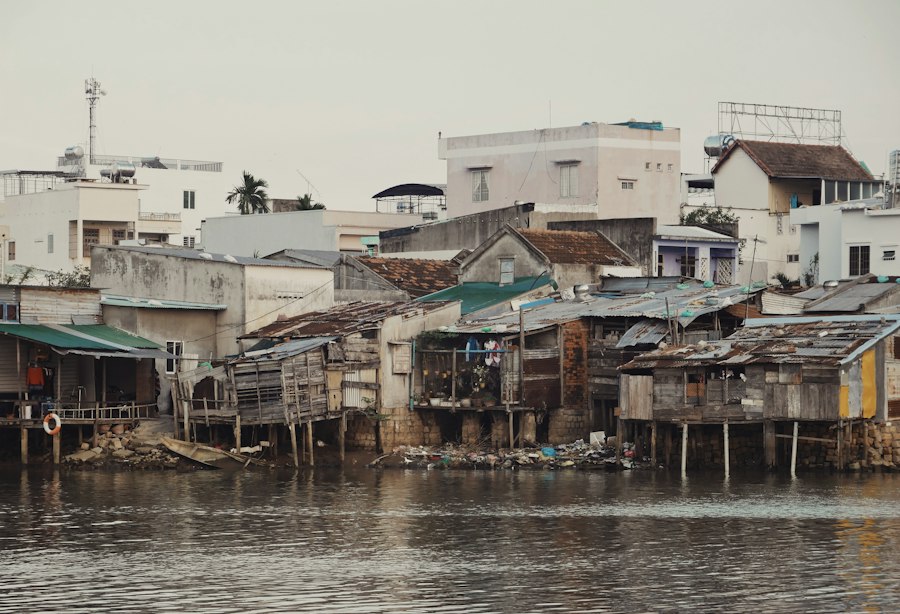
The challenges faced by char dwellers are not solely due to environmental factors or inherent socio-economic conditions; a significant contributing factor is the inadequacy of existing policies and governance structures to address their unique needs.
Inadequate Infrastructure Development
The development of adequate infrastructure on char lands has historically been insufficient. This includes a lack of sturdy housing that can withstand natural disasters, reliable cyclone shelters, proper sanitation facilities, and accessible roads and waterways for transportation and trade. The transient nature of chars can make long-term infrastructure investment seem risky, leading to a perpetuation of makeshift settlements and a lack of resilience. Without basic infrastructure, char communities remain exposed to the elements and isolated from essential services.
Limited Access to Financial Services and Credit
Char dwellers often lack access to formal financial services and credit facilities. Banks and microfinance institutions may be reluctant to lend in these high-risk areas, or their branches may be inaccessible. This prevents them from investing in improved agricultural techniques, starting small businesses, or building more resilient homes. The absence of affordable credit traps them in a cycle of debt with informal moneylenders who charge exorbitant interest rates, further deepening their poverty.
Lack of Effective Disaster Preparedness and Response Mechanisms
While disaster preparedness plans may exist at national or regional levels, their implementation and reach to the remote char communities are often inadequate. Early warning systems may not be effective, evacuation plans are often poorly communicated or non-existent, and post-disaster relief efforts can be slow and insufficient. The lack of localized disaster preparedness committees and trained personnel further hinders the community’s ability to cope with and recover from natural calamities.
Weak Social Safety Nets and Welfare Programs
Existing social safety nets and welfare programs, while present, often fail to adequately reach or benefit the most vulnerable char dwellers. Bureaucratic hurdles, lack of awareness, and corruption can prevent entitlements from reaching their intended recipients. The transient nature of some char populations also makes it difficult to identify and register them for long-term support programs.
Towards Sustainable Solutions: Empowering Char Communities
Addressing the multifaceted vulnerabilities of char dwellers requires a comprehensive and integrated approach that combines community-based initiatives with strong government support and innovative solutions.
Promoting Sustainable Livelihoods and Economic Empowerment
Diversifying livelihoods beyond traditional agriculture and fishing is crucial. This can include promoting small-scale agro-based industries, handicrafts, poultry or duck farming, and aquaculture in suitable areas. Training programs in vocational skills can equip individuals with marketable expertise. Furthermore, improving access to markets through better transportation and communication links, and facilitating the formation of producer cooperatives can enhance their bargaining power and profitability. Microfinance institutions and ethical lending practices tailored to the char context are essential to provide capital for these endeavors.
Enhancing Access to Education and Healthcare Services
Investing in mobile education units and outreach programs can help bring learning opportunities to remote char communities. Providing scholarships and incentives for teachers to work in these areas is also important. Similarly, establishing community health clinics with trained paramedical staff and utilizing telemedicine services can improve healthcare access. Awareness campaigns on sanitation, hygiene, and reproductive health are vital. Focusing on maternal and child health, and providing nutritional support can significantly reduce mortality rates.
Strengthening Disaster Preparedness and Resilience
Developing community-based disaster management plans, with clear roles and responsibilities, is essential. This includes establishing and maintaining well-equipped cyclone shelters, improving early warning systems with accessible communication channels, and conducting regular drills and training exercises. Promoting climate-resilient agriculture practices, such as salt-tolerant crop varieties and integrated farming systems, can help mitigate the impact of environmental changes. Encouraging the use of stronger building materials and promoting safe housing practices can enhance structural resilience.
Empowering Communities and Ensuring Social Inclusion
Community participation is key to effective development. Empowering char dwellers to participate in decision-making processes that affect their lives, through local governance structures and community forums, is crucial. Addressing social exclusion requires awareness campaigns and fostering inter-community dialogues. Ensuring that women and children have a voice and are actively involved in development initiatives will lead to more equitable and sustainable outcomes.
The socio-economic vulnerability of char dwellers is a pressing issue that has garnered attention in recent studies. These communities, often located in flood-prone areas, face numerous challenges that exacerbate their living conditions. For a deeper understanding of the factors contributing to their vulnerability, you can explore a related article that discusses the impacts of climate change and socio-economic disparities on these populations. This insightful piece can be found here, providing valuable information on the resilience and adaptation strategies of char dwellers.
Innovative Approaches and Future Directions
| Metric | Description | Typical Value/Range | Implication for Vulnerability |
|---|---|---|---|
| Income Level | Average monthly income per household | Low (often below subsistence level) | Limits access to basic needs and services |
| Employment Type | Predominant occupations (e.g., agriculture, day labor) | Informal, seasonal, low-paying jobs | Income instability and job insecurity |
| Education Level | Percentage of population with primary or higher education | Low literacy and school attendance rates | Reduces opportunities for better employment |
| Access to Clean Water | Percentage of households with safe drinking water | Often below 50% | Increases health risks and disease vulnerability |
| Sanitation Facilities | Availability of hygienic latrines or toilets | Limited or shared facilities | Contributes to poor health and environmental hazards |
| Housing Quality | Type and durability of housing structures | Mostly temporary, flood-prone shelters | High risk of damage from natural disasters |
| Health Access | Proximity and availability of healthcare services | Limited access, often distant facilities | Delays in treatment and higher morbidity |
| Food Security | Frequency of food shortages or hunger episodes | Frequent seasonal shortages | Malnutrition and weakened resilience |
| Exposure to Natural Hazards | Frequency of floods, erosion, and storms | High, annual or biannual events | Displacement and loss of assets |
| Social Networks | Strength of community support and cooperation | Variable, often strong within communities | Can mitigate some vulnerability impacts |
The challenges are immense, but so is the potential for innovation and positive change in the lives of char dwellers. A forward-looking perspective is essential to ensure their long-term well-being.
Climate-Resilient Infrastructure and Housing
Investing in floating infrastructure, such as floating schools, clinics, and even houses, could be a game-changer for communities living in highly flood-prone char areas. These structures can adapt to changing water levels, reducing the risk of damage and displacement. The development of flood-resistant and amphibious housing designs, utilizing locally sourced and sustainable materials, should be prioritized. This requires significant investment and technological innovation, but the long-term benefits in terms of security and stability are undeniable.
Harnessing Technology for Development
The strategic use of technology can bridge geographical divides and enhance service delivery. Mobile technology can be used for disseminating early warnings, providing market information, facilitating mobile banking, and delivering health and education content. Drones can be utilized for mapping, surveying, and delivering essential supplies during emergencies. The internet, where accessible, can open up new avenues for education and economic opportunities. However, ensuring digital literacy and affordable access remains a significant hurdle.
Promoting Sustainable Resource Management and Environmental Protection
Encouraging practices that promote soil conservation, afforestation, and sustainable use of water resources is vital. Community-led initiatives for watershed management and mangrove plantation in coastal char areas can help protect against erosion and storm surges. Promoting organic farming and reducing the reliance on chemical fertilizers can improve soil health and reduce environmental pollution. Educating communities about the importance of environmental stewardship is a long-term investment in their survival.
Integrated Policy and Coordinated Action
Ultimately, sustainable change requires a well-coordinated and integrated policy framework that addresses the interconnectedness of environmental, social, and economic vulnerabilities. This necessitates collaboration between government agencies, non-governmental organizations, research institutions, and the communities themselves. Policies should be flexible, adaptive, and responsive to the evolving needs of char dwellers. Long-term commitment, sustained funding, and a genuine understanding of the lived realities of these communities are paramount for any meaningful progress. The journey towards securing the lives and livelihoods of char dwellers is a marathon, not a sprint, demanding persistent effort and unwavering dedication to principles of equity and sustainable development.
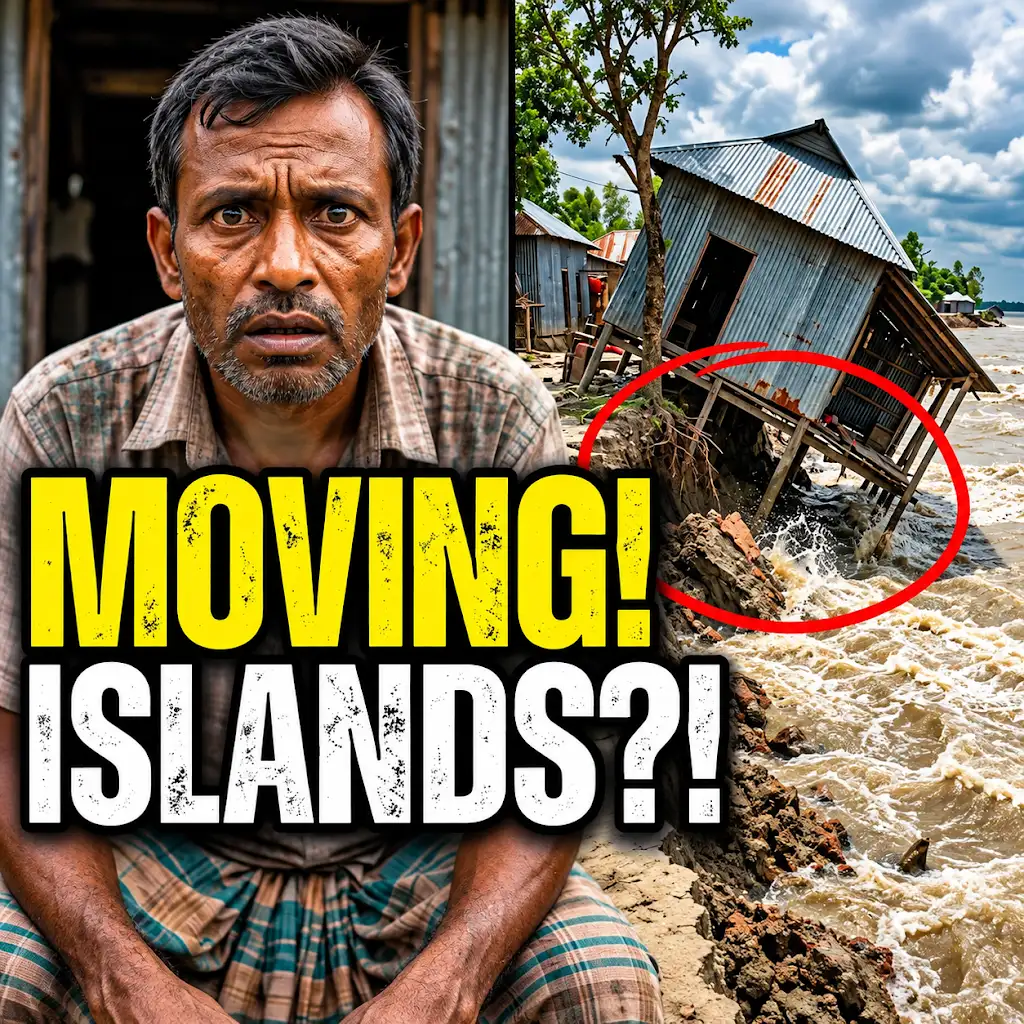
This River is Literally Erasing Islands
FAQs
What is the definition of socio-economic vulnerability?
Socio-economic vulnerability refers to the susceptibility of individuals or communities to experiencing negative impacts due to their social and economic circumstances.
Who are char dwellers and why are they considered vulnerable?
Char dwellers are people living on riverine islands formed by silt deposits in rivers. They are considered vulnerable due to their limited access to resources, lack of basic services, and exposure to natural disasters.
What are some common challenges faced by char dwellers in terms of socio-economic vulnerability?
Char dwellers often face challenges such as poverty, food insecurity, inadequate healthcare, limited educational opportunities, and vulnerability to flooding and erosion.
How does socio-economic vulnerability impact the overall well-being of char dwellers?
Socio-economic vulnerability can lead to poor health outcomes, limited economic opportunities, lower educational attainment, and overall reduced quality of life for char dwellers.
What are some strategies that can help reduce socio-economic vulnerability among char dwellers?
Some strategies to reduce socio-economic vulnerability among char dwellers include improving access to basic services, providing livelihood opportunities, implementing disaster risk reduction measures, and promoting social inclusion and empowerment.