
The Sitakunda shipbreaking yards, a sprawling industrial landscape etched into the coastline of Bangladesh, stand as a testament to both the nation’s economic ambition and the complex realities of global trade. For decades, these shores have been the final resting place for vessels from around the world, their weathered hulls meticulously dismantled to yield valuable scrap metal and raw materials. This industry, while crucial to Bangladesh’s development, is far from without its controversies, casting a long shadow over its economic contributions.
The shipbreaking industry in Sitakunda didn’t emerge overnight. Its roots are deeply intertwined with the post-industrialization push in developed nations and the subsequent search for cost-effective methods of decommissioning aging vessels. As stricter environmental regulations and higher labor costs began to make shipbreaking a less attractive proposition in countries like the United States, Europe, and Japan, the industry began to shift. Developing nations, with their readily available labor and less stringent regulatory frameworks at the time, became the new hubs for this labor-intensive process.
Early Beginnings and the Pull Factors
The early days of shipbreaking in Sitakunda were characterized by a simpler operational model. Ships would arrive, often under their own power or towed, and be beached on the shore. Workers, using basic tools and sheer brute force, would then begin the arduous task of cutting them apart. The allure for Bangladesh lay in several key factors:
Economic Diversification and Employment Generation
The shipbreaking yards provided a significant avenue for economic diversification, moving away from a primarily agrarian economy. The industry became a major employer, drawing in a large workforce from rural areas seeking livelihoods in urban centers. This influx of workers, while contributing to economic activity, also presented significant social challenges.
The Appeal of Scrap Metal and Raw Materials
The primary commodity salvaged from shipbreaking is steel scrap. This scrap metal is then fed into Bangladesh’s burgeoning steel manufacturing sector, providing a vital and cost-effective source of raw material for local industries. This circular economy aspect, where old ships are recycled into new products, was a major driving force behind the industry’s growth.
Global Maritime Trends and the Rise of “Beaching”
As the global shipping industry grew, so did the number of vessels reaching the end of their operational lives. The practice of “beaching” ships on shorelines for dismantling became a common and economically viable method for many countries. Sitakunda, with its long coastline and relatively low operational costs, became a prime destination for these vessels.
The Sitakunda shipbreaking yards in Bangladesh have garnered significant attention due to their impact on the environment and local economy. For a deeper understanding of the challenges and developments in this industry, you can read a related article that explores the complexities of shipbreaking in the region. This article provides insights into the environmental regulations, labor conditions, and economic implications of the shipbreaking yards. To learn more, visit this link.
The Economic Engine of Sitakunda
Despite its inherent challenges, the Sitakunda shipbreaking yards represent a significant economic engine for Bangladesh. The industry’s impact resonates through various sectors, contributing to national GDP, providing foreign exchange, and fostering downstream industries.
Contribution to National GDP and Export Earnings
The value of scrap metal and other salvaged materials from shipbreaking contributes directly to Bangladesh’s Gross Domestic Product (GDP). Moreover, the export of these recycled materials, or the products manufactured from them, generates valuable foreign exchange for the country, helping to balance its trade.
Quantifying the Economic Impact
Measuring the exact economic contribution can be complex, involving the value of salvaged steel, non-ferrous metals, machinery, and other components. However, estimates often place the shipbreaking industry’s contribution to the national economy in the hundreds of millions of dollars annually, with significant portions flowing back into the local economy through wages and local procurement.
The Role of International Demand
The demand for scrap metal from shipbreaking is intrinsically linked to global steel production. As global industries expand, the need for raw materials like steel scrap increases, directly impacting the volume of ships sent to yards like Sitakunda.
Fueling the Steel and Manufacturing Sector
The most direct economic beneficiary of the Sitakunda shipbreaking yards is Bangladesh’s burgeoning steel and manufacturing sector. The readily available and relatively inexpensive scrap metal serves as a crucial input, reducing reliance on imported raw materials and fostering domestic production.
The Steel Re-rolling Mills
A significant number of steel re-rolling mills in Bangladesh are directly dependent on the shipbreaking industry for their primary feedstock. These mills process the scrap metal into various steel products, from construction rods to industrial components, which are then used in domestic infrastructure projects and manufacturing.
Downstream Industries and Job Creation
The availability of domestically produced steel and other salvaged materials from shipbreaking has also spurred the growth of numerous downstream industries. These include metal fabrication workshops, furniture manufacturers, and engineering firms, all of which benefit from a more accessible and affordable supply chain. This, in turn, creates further employment opportunities.
Import Substitution and Foreign Exchange Savings
By providing a domestic source of raw materials, shipbreaking contributes to import substitution. This means Bangladesh relies less on importing steel and other metals, saving valuable foreign exchange reserves that can be allocated to other critical development needs.
Reducing Reliance on International Markets
The ability to source essential materials domestically offers a degree of insulation from the volatility of international commodity markets. This strategic advantage allows for more predictable cost structures for local industries and greater economic stability.
The Macroeconomic Implications
On a macroeconomic level, the savings in foreign exchange contribute to a healthier balance of payments, strengthening the national currency and supporting overall economic growth.
The Human Cost of Dismantling Dreams
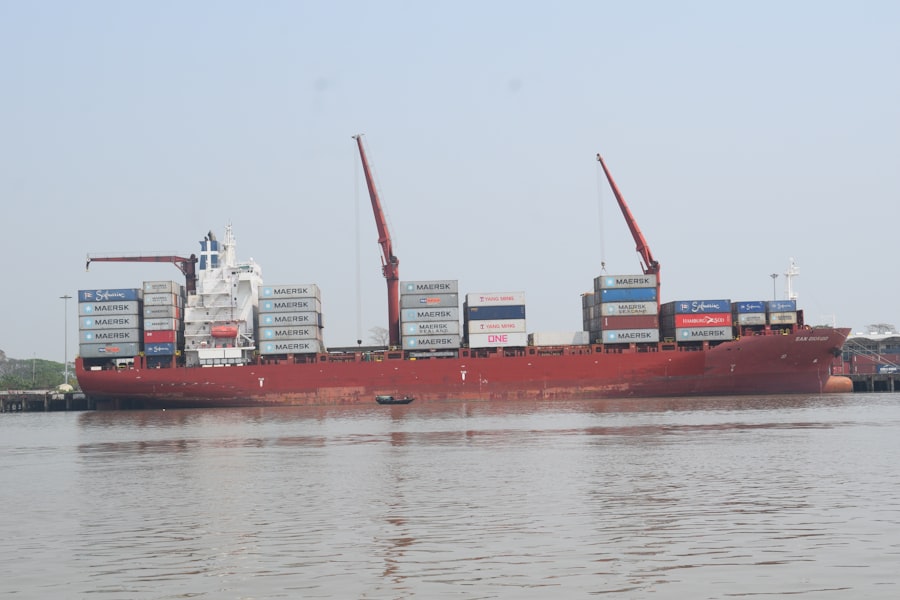
While the economic benefits are undeniable, the human cost associated with the Sitakunda shipbreaking yards is equally significant and has drawn considerable international scrutiny. The industry is notorious for its hazardous working conditions, leading to a high incidence of accidents, injuries, and fatalities.
Hazardous Working Conditions and Safety Concerns
The process of dismantling massive steel structures is inherently dangerous. Workers often operate at extreme heights, in confined spaces, and in close proximity to heavy machinery and inflammable materials. The lack of adequate safety equipment and adherence to safety protocols amplifies these risks.
Accidents, Injuries, and Fatalities
Reports from Sitakunda consistently highlight the alarming frequency of accidents. Falls from heights, being crushed by falling debris, and exposure to toxic substances are common causes of severe injury and death. The absence of proper medical facilities at the yards further exacerbates the situation, with many workers succumbing to their injuries due to delayed or inadequate treatment.
Lack of Personal Protective Equipment (PPE)
A pervasive issue is the widespread lack of adequate Personal Protective Equipment (PPE). Workers are often seen without helmets, safety harnesses, steel-toed boots, or respirators, leaving them vulnerable to a multitude of hazards. This oversight by employers is a direct contributor to the high accident rates.
The Plight of the Workers: Labor Rights and Social Issues
The workers in Sitakunda often find themselves in a precarious social and economic position, facing exploitative labor practices and inadequate social protection. Their lives are a stark contrast to the modern, regulated industries that produce the ships they dismantle.
Low Wages and Precarious Employment
Despite the arduous nature of their work, many shipbreaking workers are paid meager wages, often barely enough to sustain themselves and their families. Their employment is frequently informal and precarious, with little job security and no benefits. This makes them vulnerable to exploitation and economic hardship.
Child Labor and Exploitation
In the past, and sometimes still present, the presence of child labor has been a grave concern. Young boys, often lured by the promise of income, are put to work in dangerous conditions, their childhoods lost to the harsh realities of the shipbreaking yards.
Health Hazards and Long-Term Illnesses
Beyond immediate accidents, workers are exposed to a range of health hazards, including asbestos, lead paint, and other toxic chemicals. Prolonged exposure can lead to severe respiratory illnesses, cancers, and other debilitating long-term health conditions, often without adequate medical support or compensation.
The Role of International Scrutiny and Advocacy
The grim realities of the Sitakunda shipbreaking yards have not gone unnoticed by the international community. Human rights organizations, labor unions, and environmental watchdogs have consistently raised concerns and advocated for improved conditions.
The Basel Convention and Ship Recycling
The Basel Convention on the Control of Transboundary Movements of Hazardous Wastes and Their Disposal plays a role in regulating the movement of ships, particularly those containing hazardous materials, for dismantling. However, loopholes and varying interpretations of the convention can still allow problematic shipments to reach yards like Sitakunda.
NGOs and International Pressure
Non-governmental organizations (NGOs) and international labor advocacy groups have been instrumental in bringing attention to the plight of Sitakunda’s workers. They conduct investigations, document abuses, and lobby governments and international bodies to enact stricter regulations and enforce existing ones.
Environmental Degradation and Sustainable Practices
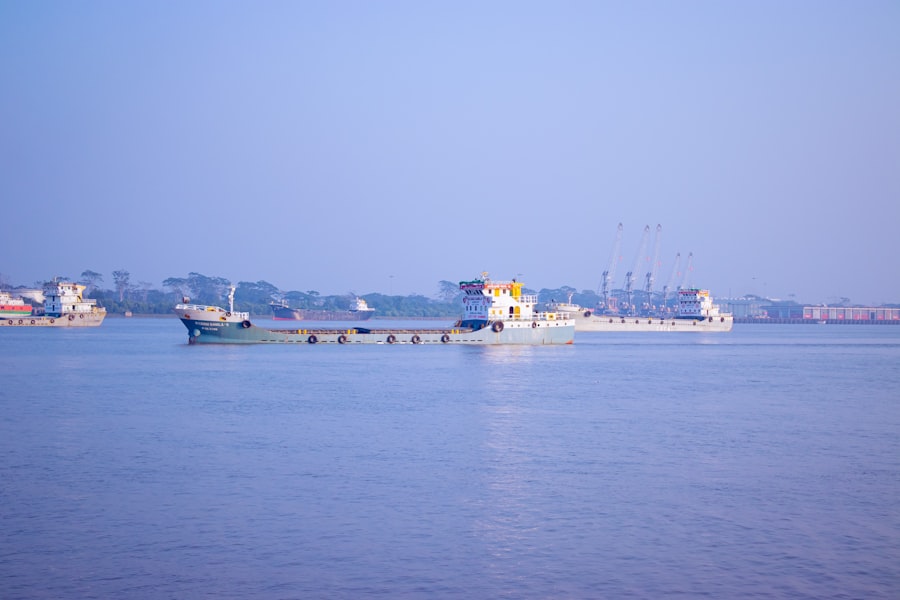
The environmental impact of shipbreaking in Sitakunda is another critical aspect that cannot be overlooked. The dismantling process, if not managed responsibly, can lead to significant pollution of the marine environment and surrounding land.
Pollution of the Marine Ecosystem
The shipbreaking process involves the use of heavy machinery, chemicals, and the potential release of hazardous substances such as oil, fuel, and paint residues. When these materials are not properly contained and disposed of, they can seep into the surrounding waters, polluting the marine ecosystem.
Oil Spills and Contamination
Accidental oil spills from the ships themselves or from associated operations can cause significant damage to marine life, affecting fish populations, seabirds, and the overall health of the coastline.
Discharge of Contaminated Water
Wastewater from the cleaning and dismantling of ships, if not treated, can carry heavy metals and other pollutants into the sea, further degrading water quality.
Hazardous Waste Management and Disposal
The management and disposal of hazardous waste generated during shipbreaking, such as asbestos, PCBs, and lead-containing paints, present a major challenge. Improper disposal can lead to soil contamination and long-term environmental damage.
The Problem of Asbestos
Many older ships contain asbestos, a known carcinogen. The dismantling of these materials without proper precautions releases asbestos fibers into the air, posing a severe health risk to workers and the surrounding population, as well as contaminating the environment.
Chemical Runoff and Soil Contamination
Various chemicals used in maintenance and dismantling can leach into the soil, particularly in areas where waste is improperly stored or dumped, leading to long-term contamination of land.
Efforts Towards Greener Ship Recycling
In response to mounting environmental concerns, there have been increasing calls and efforts towards greener and more sustainable ship recycling practices. The global shipping industry is gradually shifting towards more responsible dismantling.
The Hong Kong Convention
The International Maritime Organization’s (IMO) Hong Kong Convention for the Safe and Environmentally Sound Recycling of Ships aims to establish a global framework for ship recycling. When fully ratified and enforced, it could significantly improve environmental and safety standards.
Technological Advancements and Best Practices
The adoption of advanced technologies and best practices in ship dismantling can minimize environmental damage. This includes closed-loop systems for fluid management, contained cutting methods, and responsible waste segregation and disposal.
The Sitakunda shipbreaking yards in Bangladesh have garnered significant attention due to their impact on the environment and local communities. A related article that delves deeper into the challenges and developments in this sector can be found on My Geo Quest. This piece explores the balance between economic benefits and environmental concerns, shedding light on the ongoing debates surrounding shipbreaking practices. For more insights, you can read the article here.
The Future of Sitakunda: Challenges and Opportunities
| Metrics | Data |
|---|---|
| Number of shipbreaking yards | Over 100 |
| Annual tonnage of scrapped ships | Around 2 million tons |
| Employment generated | Approximately 20,000 workers |
| Environmental concerns | High due to lack of proper waste management |
The Sitakunda shipbreaking yards stand at a critical juncture, facing both significant challenges and potential opportunities for transformation. The industry’s future hinges on its ability to adapt to evolving global standards and to prioritize human well-being and environmental sustainability.
Stricter Regulations and International Compliance
The global push for stricter regulations in ship recycling, exemplified by the Hong Kong Convention, poses a significant challenge to the existing operational models in Sitakunda. Bangladesh, like other shipbreaking nations, must implement and enforce these regulations to remain a viable and responsible player in the global market.
Harmonizing with International Standards
The process of harmonizing local regulations with international standards requires significant investment in infrastructure, training, and enforcement mechanisms. This will be a complex undertaking but is crucial for long-term sustainability.
The Role of Government Oversight
Strong and effective government oversight is paramount in ensuring compliance with safety and environmental regulations. This includes robust inspection systems, penalties for non-compliance, and transparency in the industry.
Investing in Worker Welfare and Safety Programs
The future of Sitakunda is inextricably linked to the welfare and safety of its workers. Investing in comprehensive worker welfare and safety programs is not just a moral imperative but also a prerequisite for sustainable operation.
Comprehensive Safety Training and Education
Providing regular and thorough safety training to all workers, covering hazard identification, safe operating procedures, and the correct use of PPE, is essential. Continuous education and awareness campaigns are vital.
Improved Healthcare and Social Security
Establishing accessible and well-equipped on-site healthcare facilities and implementing robust social security programs, including accident insurance and pension schemes, will significantly improve the lives of the workers and their families.
Towards a Circular Economy and Value Addition
Beyond simply dismantling ships for scrap, there is an opportunity for Sitakunda to move towards a more sophisticated circular economy model that emphasizes value addition and resource maximization.
Recycling of Components and Materials
Instead of solely focusing on scrap metal, there is potential to professionally salvage and refurbish functional components, engines, and other equipment from decommissioned ships. These can then be resold or repurposed, creating higher value streams.
Development of Specialized Recycling Technologies
Investing in and adopting specialized recycling technologies for materials like plastics, composites, and rare earth metals found in modern vessels can further enhance the economic and environmental benefits of shipbreaking.
The Sitakunda shipbreaking yards represent a complex interplay of economic drivers, human lives, and environmental considerations. For this industry to evolve and contribute positively to Bangladesh’s future, a fundamental shift towards a more responsible, safe, and environmentally conscious approach is not just desirable, but absolutely imperative. The path forward demands a collective commitment from the government, industry stakeholders, international bodies, and the global shipping community to ensure that the final chapter of a ship’s life does not come at an unacceptable human or environmental cost.

The Beaches Global Trade Can’t Afford to Lose
FAQs
What is Sitakunda shipbreaking yard in Bangladesh?
Sitakunda shipbreaking yard is one of the largest shipbreaking yards in the world, located in Sitakunda, Bangladesh. It is where old and decommissioned ships are dismantled and their parts are recycled.
How does the shipbreaking process work at Sitakunda yard?
The shipbreaking process at Sitakunda yard involves dismantling the ships and recycling their parts. This includes cutting the ships into smaller pieces, salvaging reusable materials such as steel, and disposing of hazardous materials in an environmentally responsible manner.
What are the environmental and safety concerns associated with shipbreaking yards like Sitakunda?
Shipbreaking yards like Sitakunda have been associated with environmental and safety concerns due to the release of hazardous materials such as asbestos, lead, and oil into the environment. There are also safety risks for workers due to the heavy machinery and dangerous working conditions.
What are the economic impacts of Sitakunda shipbreaking yard on Bangladesh?
The shipbreaking industry, including Sitakunda yard, has significant economic impacts on Bangladesh. It provides employment opportunities for thousands of workers and contributes to the country’s steel and scrap metal industries.
What measures are being taken to address the environmental and safety concerns at Sitakunda shipbreaking yard?
Efforts are being made to address the environmental and safety concerns at Sitakunda shipbreaking yard, including the implementation of stricter regulations, improved safety standards, and the use of more environmentally friendly practices. International organizations and NGOs are also working to improve conditions in the shipbreaking industry.