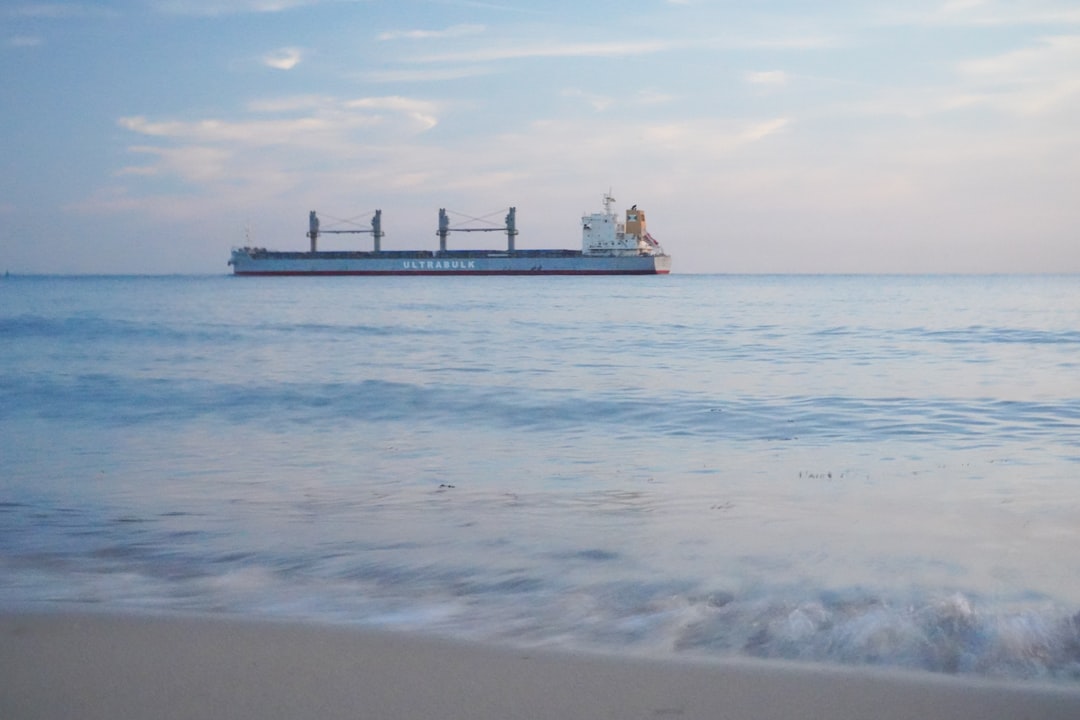
Ship beaching, a practice as old as seafaring itself, involves intentionally running a vessel aground in a controlled manner. While the term might conjure images of accidental strandings, a well-executed beaching is a deliberate maneuver, often employed for a variety of critical purposes. This article delves into the intricacies of ship beaching, explaining the methods, considerations, and the paramount importance of safety in grounding a vessel. From its historical applications to its modern-day uses in salvage, repair, and even disposal, understanding this specialized operation is crucial for anyone involved in maritime operations.
Ship beaching is not a haphazard event; it is a calculated process that requires extensive planning, precise execution, and a deep understanding of both the vessel and the environment. The core principle is to bring the ship to a standstill by allowing it to make contact with the seabed. This contact is carefully managed to prevent catastrophic damage to the hull and to ensure the vessel remains in a stable position once grounded. The ultimate goal is to achieve a controlled stop, transforming forward momentum into a stable resting state on the seafloor.
Defining Ship Beaching
At its heart, ship beaching is the intentional grounding of a vessel. This is distinct from an accidental grounding, which is typically a cause for significant concern and often leads to costly salvage operations. Beaching, on the other hand, is a planned event, undertaken with specific objectives and meticulous preparation. The success of a beaching operation hinges on the ability to control the rate of deceleration and the final resting position of the vessel.
The Purpose of Intentional Grounding
The reasons for intentionally beaching a ship are diverse and often critical. Historically, it was a primary method for bringing ships into harbors where deep-water berths were unavailable. Today, its applications are more specialized. Salvage operations frequently utilize beaching as a means to access damaged vessels, stabilize them, or even as a last resort to prevent a sinking. In some instances, beaching is employed for ship breaking and recycling, where vessels are deliberately run aground on specially prepared beaches to facilitate dismantling. It can also be a strategic option for emergency situations, such as when a vessel is taking on water and beaching offers a chance to prevent a complete loss at sea.
Key Distinctions: Intentional vs. Accidental Grounding
The difference between intentional beaching and accidental grounding is stark. An accidental grounding is an unforeseen event, often caused by navigational errors, mechanical failures, or adverse weather conditions. It typically results in damage to the hull, potential pollution, and requires immediate and often complex salvage efforts. Intentional beaching, conversely, is a carefully planned operation executed by experienced maritime professionals. The site is chosen, the approach is calculated, and the vessel’s stability is assessed to minimize risk and ensure a successful outcome. The terminology itself reflects this difference: “grounding” often implies an unwelcome event, while “beaching” suggests a controlled and purposeful action.
The ship beaching method, a technique used for the maintenance and dismantling of vessels, is thoroughly explained in a related article that delves into its historical significance and modern applications. For a comprehensive understanding of this method, you can read more about it in the article available at this link.
Factors Influencing a Successful Beaching Operation
The success of any ship beaching operation is contingent upon a complex interplay of factors. From the inherent characteristics of the vessel itself to the environmental conditions of the chosen beaching site, each element must be thoroughly assessed and accounted for. Ignoring any one of these factors can lead to unforeseen complications, increased risks, and ultimately, a failed operation.
Vessel Characteristics and Preparations
The type, size, and structural integrity of the vessel are paramount considerations. A laden tanker will behave differently when beaching compared to a lightweight container ship or a heavily built warship.
Hull Design and Strength
The shape of the hull, particularly the underbelly and keel, plays a significant role. Flat-bottomed vessels are generally easier to beach and more stable once aground than vessels with deep V-hulls. The structural strength of the hull must be sufficient to withstand the forces exerted during grounding. Pre-beaching inspections are crucial to identify any existing weaknesses that could be exacerbated by the grounding.
Draft and Freeboard
The vessel’s draft, the depth to which its hull is submerged, directly influences the required depth of the water for beaching. A shallow draft allows for beaching in more locations. Freeboard, the distance from the waterline to the main deck, is also important, especially in areas prone to tidal variations, to ensure the deck remains above the water.
Ballasting and Trim Adjustments
Before beaching, meticulous adjustments to ballast tanks and cargo are made. Ballasting can be used to lower the vessel’s draft, increasing the likelihood of a successful grounding on a shallower slope. It can also be used to alter the trim (the difference in draft between the bow and stern) to control the point of initial contact and the subsequent angle of the vessel on the seabed. The goal is often to achieve an even keel or a slight stern-down trim to ensure the stern is the last part to touch, providing a degree of control.
Environmental Site Selection and Assessment
The chosen beaching location is as critical as the vessel itself. The seabed composition, tidal range, wave conditions, and prevailing currents all contribute to the overall feasibility and safety of the operation.
Seabed Composition: Sand, Mud, or Rock
The nature of the seabed is a primary concern. Sandy or muddy bottoms are generally preferable as they can absorb some of the impact and provide a degree of cushioning. Rocky seabeds, however, pose a significant risk of puncturing or severely damaging the hull, making them highly undesirable for intentional beaching. Thorough sonar and echo sounder surveys are essential to map the seabed and identify potential hazards.
Tidal Range and Water Depth
The tidal range significantly impacts the timing of the beaching. Operations are often planned to coincide with a falling tide, allowing the vessel to be grounded as the water recedes. Sufficient water depth must be available at the time of approach to allow for maneuvering. The chosen site should ideally have a gentle, sloping seabed to facilitate a gradual grounding.
Wave Action and Prevailing Currents
High wave action and strong currents can make beaching operations extremely dangerous, increasing the risk of uncontrolled movement and hull damage. The ideal beaching site will have calm seas and minimal currents. Weather forecasts are meticulously studied, and operations are typically postponed if conditions are unfavorable.
The Beaching Maneuver: Step-by-Step Execution

Executing a ship beaching maneuver is a highly skilled operation requiring precise navigation, controlled engine and rudder work, and constant communication between the bridge team and the engine room. It is a delicate dance between momentum, resistance, and environmental factors, all orchestrated to achieve a controlled standstill.
Pre-Beaching Planning and Preparations
The groundwork laid before the actual maneuver is extensive. This phase involves detailed calculations, risk assessments, and the establishment of clear operational protocols.
Navigational Plotting and Approach Strategy
A detailed navigational plan is created, outlining the precise course, speed, and turning points leading to the beaching site. This involves plotting depths, identifying potential obstacles, and considering the influence of wind and currents. The approach is typically made at a reduced speed to allow for better control and reaction time.
Communication and Coordination Protocols
Clear and constant communication is vital. This includes the bridge team coordinating with the engine room regarding engine orders, the steering crew regarding rudder movements, and potentially with any attending tugs or support vessels. Pre-arranged signals and radio channels are established to ensure effective information flow.
Controlled Approach and Grounding
The actual beaching maneuver is a series of calculated actions designed to bring the vessel to rest safely.
Engine Control and Speed Reduction
The vessel’s engines are used to control the speed of approach. As the vessel nears the beaching point, engines will be used to reduce speed progressively. In some cases, engines might be reversed to act as a brake. The goal is to reduce forward momentum to a controlled level just before contact.
Rudder and Steering for Final Alignment
The rudder is used to steer the vessel and align it with the intended grounding angle and direction. Precise rudder adjustments are critical to ensure the vessel contacts the seabed in the desired manner, minimizing lateral stress on the hull.
Impact Management and Stabilization
The initial contact with the seabed is a critical moment. The aim is for a gentle, controlled impact. Once grounded, the vessel’s stability is continuously monitored. If the vessel is not stable, further adjustments might be necessary, such as shifting ballast or using tugs to reposition it. The goal is to achieve a state of equilibrium where the vessel rests securely on the seabed without listing excessively or being susceptible to further uncontrolled movement.
Post-Beaching Procedures and Considerations

Once the vessel is intentionally grounded, the operation is far from over. A series of critical post-beaching procedures are implemented to ensure the vessel’s safety, facilitate the next stages of the operation, and mitigate any potential environmental impact.
Securing the Vessel and Environmental Protection
The immediate priority after beaching is to ensure the vessel is secure and to prevent any negative environmental consequences.
Damage Assessment and Hull Integrity Checks
A thorough inspection of the hull, particularly in the areas of contact, is conducted to assess for any damage. This might involve underwater surveys by divers or remotely operated vehicles (ROVs). The integrity of the hull is paramount for preventing pollution and ensuring the vessel’s stability.
Bilge Pumping and Leak Containment
Any ingress of water into the vessel is managed through bilge pumping systems. If significant leaks are detected, immediate measures are taken to contain them, such as deploying booms or using specialized sealing materials.
Pollution Prevention Measures
Strict protocols are in place to prevent the discharge of oil, fuel, or other pollutants into the surrounding environment. This includes securing all fuel lines, emptying or sealing tanks, and having spill response equipment readily available.
Planning for Subsequent Operations
Beaching is often a precursor to further actions, whether it’s repair, salvage, or dismantling. The post-beaching phase involves detailed planning for these next steps.
Salvage and Recovery Operations
If the beaching was part of a salvage operation, detailed plans are developed for refloating the vessel or for its safe removal from the site. This might involve the use of specialized barges, cranes, or towing vessels.
Repair and Maintenance Strategies
For vessels being beached for repair, access to the hull is facilitated. This can involve dewatering the surrounding area or working during low tides to expose the damaged sections for repair crews.
Ship Breaking and Recycling Procedures
In cases of ship breaking, the beaching is the initial step in a process that involves dismantling the vessel for scrap metal and other recyclable materials. Specific beaching sites are often prepared for this purpose, and specialized equipment is used for the dismantling.
The ship beaching method is an intriguing topic that highlights the innovative ways in which vessels are dismantled and recycled. For those interested in exploring this method further, a related article can be found at My Geo Quest, which delves into the environmental impacts and economic benefits associated with beaching ships. This approach not only provides insights into maritime practices but also emphasizes the importance of sustainable solutions in the shipping industry.
Specialized Applications of Ship Beaching
| Ship Beaching Method | Explanation |
|---|---|
| Grounding | The intentional running aground of a ship in shallow waters. |
| Beaching | The deliberate grounding of a ship on a beach or shoreline. |
| Scuttling | The act of deliberately sinking a ship by allowing water to flow into the hull. |
While not an everyday occurrence, ship beaching plays a crucial role in several specialized maritime contexts. Its deliberate application in these scenarios highlights its strategic value when managed correctly.
Ship Breaking and Recycling
One of the most common modern applications of ship beaching is in the dismantling and recycling of end-of-life vessels. Specially designed beaches, often in regions with favorable tidal patterns and robust environmental regulations, are utilized for this purpose.
Environmental and Safety Regulations in Ship Breaking
The process of ship breaking is heavily regulated due to the significant environmental and health risks associated with handling hazardous materials like asbestos, PCBs, and heavy metals. Reputable ship breaking facilities adhere to international conventions like the Hong Kong Convention to ensure responsible dismantling and waste management.
Economic and Environmental Benefits of Beaching for Recycling
Beaching offers an economically viable method for breaking down large vessels. By running ships onto prepared beaches, it eliminates the need for expensive dry-docking and allows for easier access to all parts of the hull for dismantling. When conducted responsibly, it contributes to the circular economy by recovering valuable materials.
Salvage Operations and Emergency Grounding
In emergency situations, or as a planned component of a larger salvage effort, ship beaching can be a critical tool for preventing a complete loss at sea.
Stabilizing Damaged Vessels
When a vessel is compromised and taking on water, intentionally beaching it in a controlled manner can prevent it from sinking in deep water. This allows salvage teams more time and a more stable platform to effect repairs or to tow the vessel to a safe haven.
Accessing Inaccessible Areas for Repair
In certain salvage scenarios, beaching a vessel might provide better access to damaged sections that would be difficult or impossible to reach in deep water. This can be particularly useful for repairs to the rudder, propeller, or lower hull.
Historical and Traditional Uses
Historically, ship beaching was a more commonplace practice, often dictated by the limitations of available infrastructure.
Bringing Ships into Shallow Ports
In times when deep-water ports were scarce, ships would often beach themselves at high tide in designated areas, then be floated off at the next high tide. This allowed for cargo transfer in locations that would otherwise be inaccessible.
Overwintering and Long-Term Storage
In some historical contexts, ships might have been intentionally beached for extended periods, particularly during winter months when ice posed a threat in colder climates. This practice required careful consideration of tidal movements and seabed conditions to prevent the vessel from being permanently stranded.
Risks and Mitigation Strategies in Ship Beaching
Despite the controlled nature of intentional beaching, it is an operation that inherently carries significant risks. Understanding these risks and implementing robust mitigation strategies is paramount to ensuring the safety of personnel, the vessel, and the environment.
Hull Damage and Structural Failure
The primary risk associated with beaching is damage to the vessel’s hull. The impact with the seabed can cause punctures, cracks, or even catastrophic structural failure.
Minimizing Impact Force
The speed of approach is meticulously controlled to minimize the force of impact. Gradual deceleration and a gentle, controlled grounding are key. The use of engine power, rudder, and potentially tugs are all employed to manage this aspect.
Seabed Analysis and Site Selection
Thorough analysis of the seabed composition is critical. Avoiding rocky or uneven seabeds significantly reduces the risk of hull penetration. Choosing a gently sloping, firm seabed (such as sand or firm mud) provides a more forgiving surface.
Hull Reinforcement and Structural Assessments
For high-risk beaching operations, particularly with older or heavily utilized vessels, pre-beaching hull reinforcement might be considered. Comprehensive structural assessments are always conducted to identify any pre-existing weaknesses.
Environmental Hazards and Pollution
The potential for environmental damage, particularly oil spills or the release of other hazardous substances, is a significant concern.
Pre-Beaching Surveys and Spill Containment Planning
Extensive surveys are conducted to identify potential pollution sources on the vessel, such as fuel tanks, ballast tanks, and cargo holds. Comprehensive spill containment and cleanup plans are developed, with necessary equipment and personnel on standby.
Strict Adherence to Environmental Regulations
All beaching operations must strictly adhere to local and international environmental regulations. This includes procedures for waste management, pollution prevention, and emergency response.
Operational Risks and Human Error
Like any complex maritime operation, beaching is susceptible to operational risks and the potential for human error.
Experienced Personnel and Thorough Training
The success of a beaching operation relies heavily on the skill and experience of the bridge team, engine room crew, and any external support personnel. Rigorous training and simulation exercises are essential.
Clear Communication and Standard Operating Procedures
Well-defined communication protocols and standardized operating procedures (SOPs) are vital to minimize misunderstandings and ensure all actions are coordinated. Regular drills and briefings help reinforce these procedures.
Contingency Planning for Unforeseen Events
Despite meticulous planning, unforeseen events can occur. Contingency plans must be in place to address scenarios such as sudden changes in weather, equipment malfunction, or unexpected seabed conditions. This might include abort criteria for the beaching maneuver and pre-arranged emergency response protocols.
In conclusion, ship beaching, when executed with precision and adherence to stringent safety protocols, is a valuable and often indispensable maritime technique. It is a testament to the ingenuity and adaptability of seafaring practices, offering solutions to a range of challenges, from ship recycling to emergency response. The successful grounding of a vessel is not an accident but a carefully orchestrated maneuver, underpinned by a deep understanding of naval architecture, environmental science, and the unwavering commitment to safety.

The Beaches Global Trade Can’t Afford to Lose
FAQs
What is ship beaching?
Ship beaching is a method of intentionally running a ship aground on a beach or shoreline. This is done for various reasons such as ship dismantling, repairs, or as a last resort to prevent sinking in emergency situations.
How is ship beaching carried out?
Ship beaching is typically carried out by carefully navigating the ship towards the shore and intentionally grounding it on the beach. This process requires careful planning, coordination, and consideration of environmental impact.
What are the advantages of ship beaching?
Ship beaching can be advantageous for ship dismantling as it provides easier access to the ship’s hull and components. It can also be a cost-effective method for repairs and maintenance, as well as a last resort to prevent sinking and environmental damage in emergency situations.
What are the environmental considerations of ship beaching?
Ship beaching can have environmental implications, as it may result in oil spills, pollution, and damage to the surrounding ecosystem. Proper measures and precautions must be taken to minimize the impact on the environment during the beaching process.
Are there regulations and guidelines for ship beaching?
There are international regulations and guidelines, such as those set by the International Maritime Organization (IMO), that govern ship beaching to ensure safety, environmental protection, and compliance with international standards. These regulations aim to minimize the risks and impact associated with ship beaching operations.