
The North Sea, a body of water historically synonymous with discovery and resource extraction, continues to hold a pivotal position in the energy landscape. Its offshore fields have been a cornerstone of national energy security for decades, providing a significant portion of the United Kingdom and Norway’s hydrocarbon needs. However, the very forces that underscore the importance of this region are also creating new and complex challenges. The transition to a low-carbon future, coupled with evolving geopolitical realities, necessitates a robust and strategic approach to securing North Sea energy. This is not merely an economic imperative; it is a fundamental requirement for national resilience, industrial competitiveness, and the continued well-being of millions.
The Enduring Significance of North Sea Hydrocarbons
The Historical Context of North Sea Oil and Gas
The discovery of significant oil and gas reserves in the North Sea in the late 1960s marked a paradigm shift for the United Kingdom and Norway. Prior to these discoveries, both nations were largely reliant on imported energy, leaving them vulnerable to global market fluctuations and supply disruptions. The emergence of North Sea production provided a crucial degree of energy independence, fostering economic growth, creating vast employment opportunities, and significantly contributing to national revenues through taxation and royalties. For decades, the North Sea was the engine room of these economies, fueling industrial development and enabling significant investments in public services. The technological advancements spurred by the exploration and extraction in this challenging environment also had a ripple effect, driving innovation across a range of engineering and maritime sectors. The iconic images of offshore platforms, the intricate network of pipelines, and the skilled workforce that made it all possible are indelibly etched in the modern history of these nations.
Current Production Levels and Contribution to National Supply
Despite the advancing age of many North Sea fields, they continue to be a substantial contributor to both the UK and Norway’s energy mix. While production has naturally declined from its peak, remaining reserves are still significant and economically viable to extract with modern technologies. For the United Kingdom, North Sea oil and gas still represent a substantial portion of its domestic energy supply, helping to bridge the gap as renewable energy sources are scaled up. Norway, a more significant producer, continues to be a major exporter of oil and gas, playing a critical role in the European energy market. The revenues generated from these exports are vital to the Norwegian economy, funding its sovereign wealth fund and underpinning its high living standards. The infrastructure built over decades – the platforms, pipelines, and processing facilities – represents a substantial national asset, which, if managed strategically, can continue to provide economic benefits and energy security.
The Economic and Strategic Importance of Continued Production
The economic argument for maintaining a degree of North Sea hydrocarbon production remains compelling. The industry supports tens of thousands of skilled jobs, from geologists and engineers to rig workers and support staff. It also underpins a vast supply chain of companies providing specialized services, equipment, and logistical support. The continued operation of these fields generates significant tax revenues for governments, which can be reinvested in public services or directed towards the transition to cleaner energy. Strategically, domestic production reduces reliance on potentially volatile international markets and the geopolitical risks associated with sourcing energy from less stable regions. It provides a level of control over supply and pricing that is difficult to achieve with a purely import-dependent model. Therefore, while the long-term goal is decarbonization, a pragmatic approach that acknowledges the current realities of energy demand and the strategic advantages of existing domestic capacity is essential.
In the context of North Sea energy security, it is essential to explore the evolving dynamics of renewable energy sources and their impact on traditional energy markets. A related article that delves into these themes can be found at My GeoQuest, where it discusses the integration of offshore wind farms and their potential to enhance energy resilience in the region. This exploration highlights the importance of diversifying energy portfolios to ensure a stable and secure energy future for countries bordering the North Sea.
Navigating the Energy Transition: Challenges and Opportunities
The Dual Imperative: Decarbonization and Energy Security
The global imperative to address climate change necessitates a rapid transition away from fossil fuels. This is a fundamental shift that impacts all energy-producing nations, including those with significant North Sea reserves. The challenge lies in balancing this critical decarbonization agenda with the equally vital need to maintain secure and affordable energy supplies. A precipitous abandonment of North Sea production without a fully developed and scalable alternative could lead to energy shortages, price spikes, and increased reliance on imports from less reliable sources, potentially undermining national security and economic stability. Conversely, an over-reliance on continued fossil fuel extraction without a clear and aggressive decarbonization strategy would be environmentally irresponsible and would leave economies ill-prepared for a future where fossil fuels are increasingly marginalized. This presents a complex policy and operational tightrope to walk.
The Role of North Sea Infrastructure in a Low-Carbon Future
The infrastructure built for North Sea oil and gas production is a significant asset that can be repurposed and leveraged for a low-carbon future. The vast network of pipelines, offshore platforms, and specialized vessels are not obsolete in the context of the energy transition. In fact, they can play a crucial role in the development of new, cleaner energy technologies. For instance, offshore wind farms are increasingly being developed in the North Sea, and the existing infrastructure can support their installation, operation, and maintenance. Furthermore, the geological formations beneath the seabed that once held hydrocarbons are now being explored for carbon capture and storage (CCS) potential. This technology, which involves capturing CO2 emissions from industrial processes and storing them underground, is seen as a vital tool for decarbonizing hard-to-abate sectors. The expertise and experience gained in managing complex offshore operations in the North Sea are directly transferable to these emerging industries, creating new economic opportunities and extending the lifespan of valuable assets.
The Promise of Offshore Wind and its Synergies with Existing Operations
The North Sea is a world-leading region for offshore wind development. The consistent winds and vast expanses of water offer immense potential for generating clean electricity. The synergy between traditional oil and gas operations and offshore wind is becoming increasingly apparent. Many of the companies and the skilled workforce that have powered the hydrocarbon industry are now pivoting towards offshore wind. This transition is not just about job creation; it’s about leveraging existing expertise in offshore construction, subsea engineering, and maritime logistics to accelerate the deployment of renewable energy. Furthermore, the infrastructure developed for oil and gas – the ports, the supply chains, and the regulatory frameworks – can be adapted and utilized to support the burgeoning offshore wind sector. This creates a powerful virtuous cycle, where the legacy of North Sea energy can actively contribute to its future as a hub for clean energy generation.
Enhancing Cybersecurity for Critical Energy Infrastructure
The Growing Threat Landscape for Offshore Assets
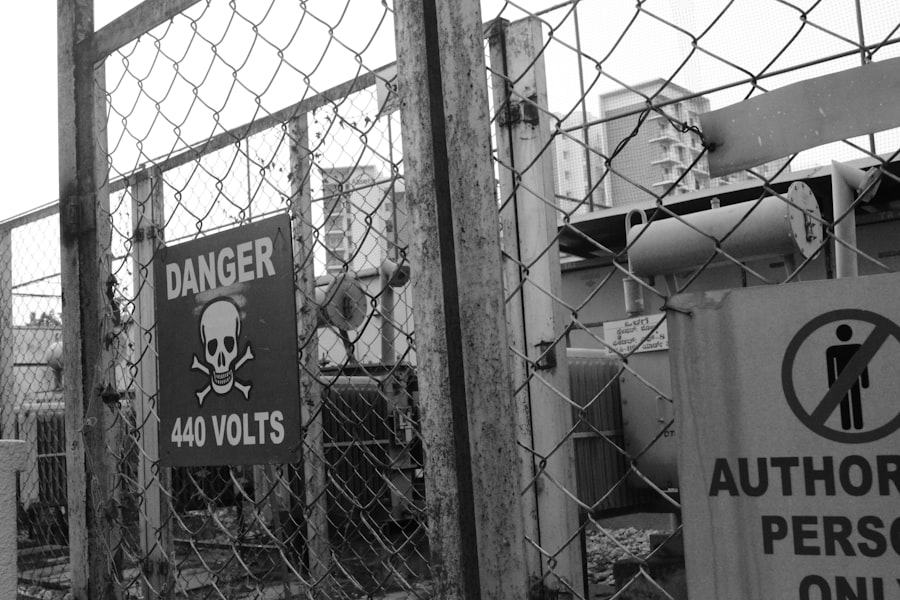
As North Sea energy infrastructure becomes increasingly digitized and interconnected, it also becomes more vulnerable to cyber threats. The complex systems that control production, transport, and safety on offshore platforms, as well as onshore processing facilities and grid connections, are attractive targets for malicious actors. These threats can range from ransomware attacks that disrupt operations and demand payment, to more sophisticated state-sponsored attacks aimed at causing significant economic or political damage. The consequences of a successful cyberattack on critical energy infrastructure could be severe, leading to production shutdowns, environmental damage, and a disruption of national energy supply. The remoteness of many offshore assets can also complicate response efforts, making proactive cybersecurity measures paramount.
Essential Security Measures for Offshore and Onshore Facilities
Securing North Sea energy infrastructure requires a multi-layered approach to cybersecurity. This includes robust network segmentation to prevent the lateral movement of threats, strong access controls to ensure only authorized personnel can access critical systems, and continuous monitoring of network activity for suspicious behaviour. Regular security audits and penetration testing are crucial to identify vulnerabilities before they can be exploited. Furthermore, comprehensive training for all personnel, from offshore technicians to administrative staff, is essential to foster a culture of security awareness and to ensure they can recognize and report potential threats. The development of effective incident response plans, including clear communication protocols and established procedures for containing and mitigating cyberattacks, is also vital. Collaboration between industry players, government agencies, and cybersecurity experts is key to sharing threat intelligence and best practices.
The Importance of International Cooperation in Cybersecurity Defense
Given the interconnected nature of energy supply chains and the global reach of cyber threats, international cooperation is indispensable for effective cybersecurity defense of North Sea energy infrastructure. Sharing threat intelligence between nations that operate in the North Sea is crucial for identifying emerging risks and coordinating responses. Joint exercises and simulations can help to test and refine collaborative incident response capabilities. Furthermore, establishing common cybersecurity standards and best practices across borders can help to raise the overall security posture of the region. This collaboration extends to the development of legal frameworks and mutual assistance agreements to address cyber incidents that may cross national jurisdictions. By working together, nations can present a more united and formidable front against those who seek to undermine energy security through cyber warfare.
Fortifying Physical Security and Maritime Domain Awareness

Protecting Offshore Platforms and Subsea Assets from Sabotage and Theft
Beyond cyber threats, the physical security of North Sea energy infrastructure, particularly offshore platforms and vital subsea pipelines, is a critical concern. These assets are exposed to potential sabotage, terrorism, and theft. The sheer scale of the North Sea and the remoteness of many installations present unique challenges in maintaining constant surveillance and rapid response capabilities. The integrity of subsea pipelines, which transport vast quantities of oil and gas, is paramount. Any breach could lead to significant environmental damage, economic losses, and disruptions to supply. Therefore, robust physical security measures, including regular patrols, advanced surveillance technologies, and well-defined protocols for responding to unauthorized approaches, are essential.
Enhancing Maritime Domain Awareness and Surveillance Capabilities
Effective maritime domain awareness (MDA) is fundamental to securing the North Sea. This involves the ability to detect, identify, and track all vessels and activities within the operational area. Advanced radar systems, aerial surveillance, satellite imagery, and the use of drones can all contribute to a comprehensive understanding of the maritime environment. By integrating data from these diverse sources, operators and authorities can build a real-time picture of maritime traffic, allowing for the swift identification of anomalies or potential threats. This enhanced situational awareness is crucial for detecting suspicious vessels approaching offshore installations, monitoring the integrity of subsea infrastructure, and responding effectively to any incidents that may occur. A well-informed and responsive maritime security posture is a powerful deterrent.
The Role of Naval Forces and Coastguard Operations
Naval forces and coastguard operations play a vital role in the physical security of North Sea energy infrastructure. Their presence in the region provides a visible deterrent to potential adversaries and enables rapid response to any security incidents. Regular patrols of offshore installations and key maritime routes help to ensure the safety and security of operations. Furthermore, these forces are crucial for conducting investigations into any breaches of security, assisting in search and rescue operations, and providing essential logistical support. Their expertise in maritime law enforcement, interdiction, and response to maritime emergencies is invaluable in safeguarding this critical sector. Collaboration and coordination between naval forces, coastguards, and the private security apparatus of the energy industry are essential for a holistic security strategy.
The ongoing discussions about North Sea energy security have gained significant attention, particularly in light of recent geopolitical developments. As countries seek to diversify their energy sources, the North Sea remains a crucial area for exploration and production. For a deeper understanding of the implications of these changes, you might find this article on energy strategies insightful. It explores various aspects of energy security and the role of the North Sea in shaping future policies. You can read more about it here.
Strategic Planning for Future North Sea Energy Landscapes
| Country | Energy Source | Production (billion kWh) | Reserves (billion barrels of oil equivalent) |
|---|---|---|---|
| United Kingdom | Oil & Gas | 1,200 | 3.2 |
| Norway | Hydroelectric, Oil & Gas | 148 | 6.6 |
| Netherlands | Natural Gas | 50 | 0.5 |
| Germany | Wind, Solar, Biomass | 220 | 0.1 |
Adapting to Evolving Geopolitical Realities and Supply Chain Resilience
The global energy market is intrinsically linked to geopolitical events. Conflicts, trade disputes, and the rise of new energy superpowers can all have a profound impact on the security and affordability of energy supplies. For North Sea nations, this means ensuring their energy strategies are resilient to these external pressures. This involves diversifying energy sources, both domestically and through international partnerships, to avoid over-reliance on any single supplier or region. It also means building greater resilience into the energy supply chain, from the extraction and processing of resources to their transportation and distribution. This might include investing in domestic refining capacity, securing strategic stockpiles of critical energy commodities, and fostering robust relationships with reliable international partners. Proactive planning for a range of geopolitical scenarios is essential for maintaining energy security.
The Importance of Continued Investment in Exploration and Technology
While the focus is shifting towards cleaner energy, strategic investment in the continued exploration and responsible development of remaining North Sea hydrocarbon reserves remains important for the medium term. Advances in technology have made it possible to extract resources from increasingly challenging environments and from fields that were previously deemed uneconomical. Investing in these technologies can help to maximize the value of existing assets and ensure a stable domestic supply during the transition period. Furthermore, the expertise gained from these advanced exploration and extraction techniques can be transferable to other offshore energy sectors, such as deepwater offshore wind or geothermal energy. A balanced approach that acknowledges both the need for transition and the strategic value of existing resources is key to a secure and prosperous future.
Fostering Collaboration Between Industry, Government, and Academia
The complex challenges and opportunities facing the North Sea energy sector demand unprecedented levels of collaboration. Industry must work closely with government to develop coherent and supportive policies that incentivize investment, promote innovation, and ensure robust security measures. Academia plays a crucial role in driving research and development, identifying new technological solutions, and providing the skilled workforce needed for the future. Joint research projects, knowledge-sharing platforms, and educational initiatives can foster a dynamic ecosystem where ideas are exchanged, and solutions are co-created. This tripartite approach – industry, government, and academia working in concert – is essential for navigating the evolving energy landscape, securing North Sea energy, and ensuring a sustainable and prosperous future for the region and beyond. The North Sea’s journey from a hydrocarbon frontier to a hub for diverse energy solutions is a testament to human ingenuity and adaptability, and its continued security is a vital priority for all involved.

The Dangerous Sea Europe Can’t Live Without
FAQs
What is the current energy production in the North Sea?
The North Sea is a major source of energy production, with significant reserves of oil and natural gas. It is estimated that the North Sea currently produces around 5 million barrels of oil and 15 billion cubic meters of natural gas per day.
How does the North Sea contribute to European energy security?
The North Sea plays a crucial role in European energy security by providing a significant portion of the region’s oil and natural gas. It helps to diversify Europe’s energy sources and reduce its dependence on imports from other regions.
What are the potential challenges to energy security in the North Sea?
Challenges to energy security in the North Sea include aging infrastructure, declining reserves, and the need for investment in new technologies and exploration. There are also environmental concerns related to oil and gas extraction in the region.
What measures are being taken to enhance energy security in the North Sea?
Efforts to enhance energy security in the North Sea include investment in new technologies for oil and gas extraction, exploration of renewable energy sources such as wind and tidal power, and collaboration between North Sea countries to ensure sustainable energy production.
How does energy security in the North Sea impact global energy markets?
Energy security in the North Sea has a significant impact on global energy markets, as it is a major source of oil and natural gas. Any disruptions in production or supply from the North Sea can affect global energy prices and supply dynamics.