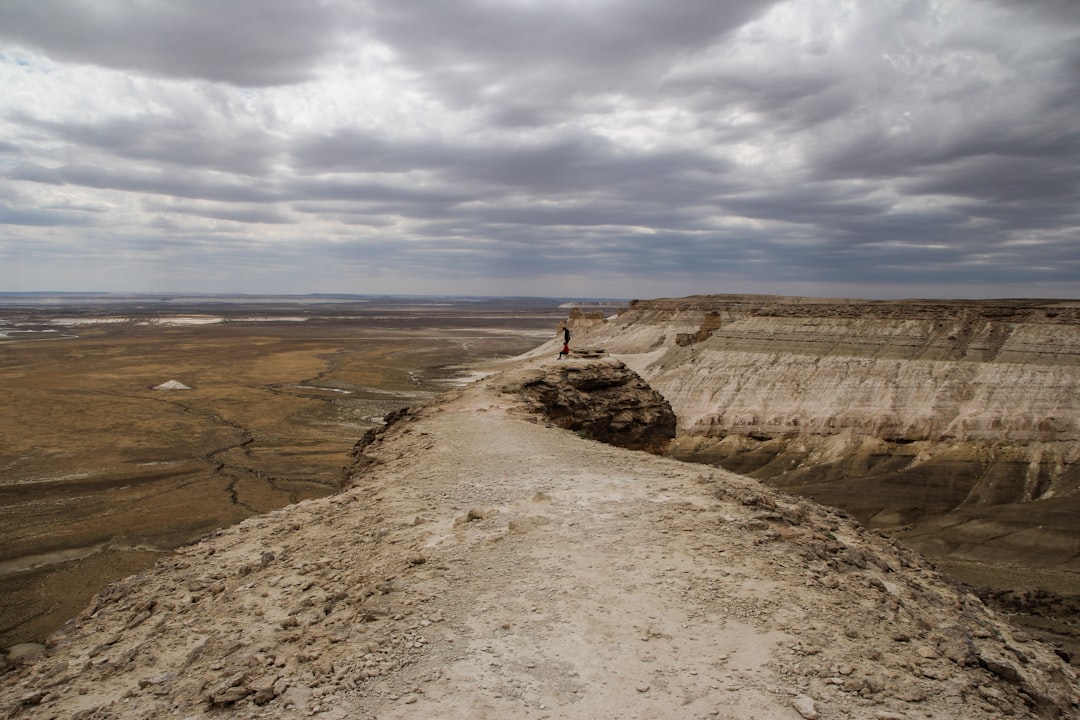
Kazakhstan, a nation often perceived solely through the lens of its vast steppe and landlocked geography, possesses a significant maritime frontier. This border lies not on open oceans, but within the unique and challenging environment of the Caspian Sea. Securing this extensive and strategically vital waterway presents a complex tapestry of challenges, woven from the intricacies of its geography, the evolving geopolitical landscape, and the ever-present need for robust national security. This article delves into the multifaceted endeavor of securing Kazakhstan’s maritime border, exploring the distinctive nature of its Caspian coast, the technological and human capital required for its defense, and the strategic considerations that shape its approach to maritime security.
Kazakhstan’s Caspian coastline stretches for approximately 2,300 kilometers, a substantial length that dwarfs many nations’ entire maritime territories. However, this is no azure ocean vastness. The Caspian Sea, the world’s largest inland body of water, presents its own set of unique environmental characteristics that directly influence the strategies for its security. Understanding these nuances is the first step in truly grasping the complexities of securing this frontier.
The Unique Ecology of the Caspian
The Caspian Sea’s ecological makeup is characterized by its shallowness, particularly in the north, and a varying salinity profile. This creates distinct zones, each with its own set of challenges for patrol and surveillance. The northern Caspian, for instance, is known for its extensive mudflats and shallow bays, a labyrinthine environment that can be unforgiving to larger vessels and requires specialized craft for effective navigation and monitoring. The fluctuating water levels, influenced by seasonal changes and a complex network of inflowing rivers, further complicate hydrographic charting and the establishment of fixed maritime infrastructure.
The Strategic Importance of the Caspian
Beyond its environmental characteristics, the Caspian Sea holds immense strategic and economic importance for Kazakhstan and the surrounding littoral states. It is a vital conduit for oil and gas exports, with numerous offshore platforms and submerged pipelines traversing its waters. This makes the protection of these energy resources a paramount concern for national security. Furthermore, the Caspian is a critical transportation artery, facilitating trade and connectivity between the Caspian nations and beyond. Unimpeded maritime traffic and the prevention of illicit activities, such as smuggling and illegal fishing, are therefore essential for Kazakhstan’s economic well-being.
The Mudflats: A Peculiar Battlefield
The aforementioned mudflats are not merely a geographical feature; they represent a particularly challenging segment of Kazakhstan’s maritime border. These shallow, often inaccessible areas, particularly along the northern and eastern shores, are a natural barrier but also a potential haven for those operating on the fringes of legality. Navigating these areas requires specialized shallow-draft vessels, skilled crews adept at reading the currents and seabed, and advanced sonar and radar capabilities to detect submerged hazards. The sheer expanse of these intertidal zones means that a constant and pervasive presence is difficult to maintain, making them a persistent operational challenge for border guards and patrol vessels.
Kazakhstan’s maritime border security, particularly concerning its unique mudflat ecosystems, has become a focal point for environmental and geopolitical discussions. An insightful article that delves into this topic can be found at My Geo Quest, where it explores the challenges and strategies involved in safeguarding these vital coastal areas. The interplay between ecological preservation and national security is crucial, making this a significant area of study for both policymakers and environmentalists alike.
The Pillars of Maritime Defense: Technology and Training
Securing a maritime border as extensive and environmentally complex as Kazakhstan’s necessitates a sophisticated approach that blends cutting-edge technology with highly trained personnel. The days of relying solely on brute force or outdated equipment are long gone. Modern maritime security is a symphony of interconnected systems and skilled operators, each playing a crucial role in safeguarding the nation’s watery frontier.
Advanced Surveillance and Reconnaissance
The first line of defense is intelligence, and for maritime security, this translates to comprehensive surveillance. Kazakhstan employs a suite of technologies to monitor its Caspian waters. This includes radar systems, both land-based and ship-mounted, capable of detecting vessels at significant distances. Satellite imagery provides a broader, albeit less immediate, overview of maritime activity. Furthermore, Unmanned Aerial Vehicles (UAVs) are increasingly being integrated into surveillance operations, offering flexibility and the ability to conduct reconnaissance in difficult-to-access areas where traditional patrols might be hampered. These drones act as the eyes in the sky, bridging gaps in fixed surveillance and providing real-time visual confirmation of suspicious activities.
The Role of Radar Systems
Radar systems are the unsung heroes of maritime surveillance. They act like a vigilant sentry, constantly sweeping the horizon for any anomaly. For Kazakhstan, these systems are crucial for detecting vessels approaching or operating within its Exclusive Economic Zone (EEZ), identifying potential smugglers, illegal fishers, or unauthorized incursions. The effectiveness of these systems depends on their range, accuracy, and the ability to differentiate between legitimate maritime traffic and potential threats. Continuous upgrades and maintenance are essential to ensure these systems remain at the forefront of detection capabilities.
The Power of Satellite Imagery
Satellite imagery offers a bird’s-eye view, providing a broad perspective of the Caspian Sea. While not real-time in the same way as radar, it is invaluable for identifying large-scale patterns of movement, tracking vessel traffic over longer periods, and monitoring changes in maritime infrastructure. This data can be used to build a historical record of activity, helping to identify unusual trends or deviations from normal patterns. It’s like having a consistent, comprehensive map that is updated from above, allowing for a strategic understanding of the operational environment.
Unmanned Aerial Vehicles (UAVs)
UAVs, often colloquially referred to as drones, have revolutionized reconnaissance. Their ability to launch from various platforms and survey areas that are difficult or dangerous for manned aircraft or vessels makes them indispensable. For Kazakhstan’s muddy shores and shallow waters, UAVs can hover over inaccessible areas, providing detailed imagery and video feeds. They can also be equipped with thermal imaging capabilities, allowing for the detection of vessels or personnel even in low-light conditions. Think of them as agile scouts, sent ahead to explore the terrain and report back without putting personnel in immediate danger.
The Importance of a Modern Fleet
To respond effectively to the information gathered by surveillance systems, Kazakhstan requires a capable and adaptable fleet. This includes patrol boats designed for the Caspian’s unique conditions, as well as larger vessels for longer-range operations. The operational readiness and technological sophistication of these vessels are crucial for intercepting threats and enforcing maritime law. Investing in modern engines, navigation systems, and communication equipment ensures that the fleet can operate efficiently and effectively in all weather conditions.
Specialized Vessels for Shallow Waters
The northern Caspian’s shallow waters and extensive mudflats demand specialized vessels. These are not your typical ocean-going ships. They are designed with shallow drafts, agile maneuvering capabilities, and often incorporate advanced propulsion systems that can navigate in very low water depths. These vessels are the workhorses for close-in patrols and interdictions in the most challenging environments. They are the nimble navigators that can thread their way through a complex, watery maze.
Larger Patrol and Interdiction Craft
For extended patrols and the interdiction of larger vessels, Kazakhstan operates a range of larger patrol and interdiction craft. These vessels are equipped with more powerful engines, advanced weapon systems, and greater endurance for prolonged operations at sea. Their presence acts as a significant deterrent and allows for the enforcement of maritime regulations over a wider area. They provide the muscle and the reach necessary for comprehensive border security.
Well-Trained and Disciplined Personnel
Technology is only as effective as the people who operate it. Kazakhstan places a strong emphasis on the rigorous training and professional development of its border guards and maritime personnel. This includes not only technical skills related to operating advanced equipment but also legal knowledge, tactical decision-making, and the ability to handle diverse operational scenarios. A well-trained officer can make the difference between a successful interdiction and a missed opportunity.
Specialized Maritime Training Academies
Kazakhstan invests in specialized training academies that focus on the unique aspects of maritime security. These institutions impart knowledge on navigation, seamanship, international maritime law, customs regulations, and law enforcement procedures specific to the Caspian Sea. Trainees are exposed to simulated scenarios that prepare them for real-world challenges, ensuring they are equipped to handle a wide range of situations.
Continuous Professional Development
The maritime environment is constantly evolving, and so too must the skills of those who protect it. Continuous professional development programs ensure that personnel remain up-to-date with the latest technologies, tactics, and regulatory changes. This includes advanced courses in areas such as coastal surveillance, vessel boarding operations, and anti-terrorism measures at sea. It’s a commitment to ensuring that the human element is always sharp and adaptable, like a seasoned chess player constantly analyzing the board.
Navigating the Geopolitical Waters: Regional Cooperation and International Engagement
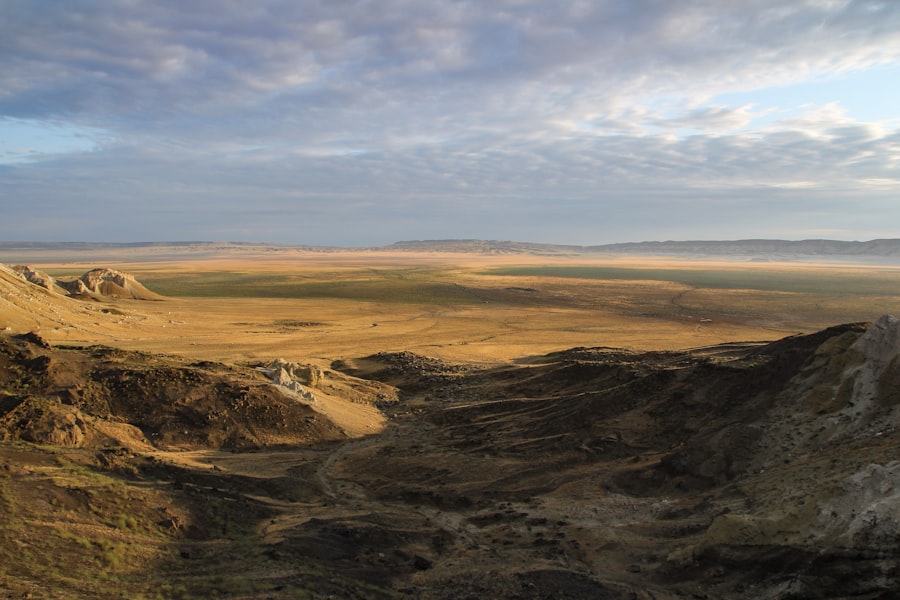
Securing Kazakhstan’s maritime border is not an isolated endeavor. The Caspian Sea is a shared body of water, and its effective security hinges on cooperation and coordinated efforts with neighboring states. The geopolitical landscape of the Caspian is a delicate ecosystem, and Kazakhstan actively participates in regional dialogues and engages internationally to bolster its maritime security posture.
The Caspian Five: A Framework for Collaboration
The five littoral states of the Caspian Sea – Azerbaijan, Iran, Kazakhstan, Russia, and Turkmenistan – are bound by a common interest in maintaining stability and security within the sea. This has led to the formation of various cooperative frameworks and agreements. Regular consultations and joint exercises are crucial for sharing intelligence, coordinating patrol efforts, and developing common approaches to maritime security challenges. This collaborative spirit is like a well-tuned orchestra, where each instrument plays its part in harmony to create a powerful and unified sound.
Joint Exercises and PatroLs
One of the most tangible forms of cooperation involves joint maritime exercises. These exercises allow forces from different nations to practice coordinated responses to various security scenarios, such as search and rescue operations, anti-piracy drills, and the interdiction of illegal activities. Joint patrols, where vessels from different countries operate side-by-side, further enhance interoperability and create a visible deterrent to those who might consider violating maritime boundaries.
Information Sharing and Intelligence Exchange
The effective sharing of intelligence is a cornerstone of regional maritime security. By exchanging information on suspicious activities, vessel movements, and potential threats, the Caspian states can build a more comprehensive picture of the maritime domain. This proactive approach allows for the early detection and prevention of illicit activities, rather than simply reacting to incidents. It’s like having a shared network of eyes and ears, amplifying the collective awareness.
International Partnerships for Enhanced Capabilities
Beyond regional cooperation, Kazakhstan also seeks international partnerships to enhance its maritime security capabilities. This can involve collaborations with countries that possess specialized expertise or advanced maritime technologies. Such partnerships can take the form of training programs, joint procurements of equipment, or technical assistance in developing its maritime surveillance and interdiction infrastructure. These alliances act as force multipliers, bringing in external expertise and resources to strengthen the national defense.
Leveraging External Expertise
When particular challenges arise, such as the complexities of offshore platform security or the detection of sophisticated smuggling operations, international partnerships can provide access to specialized knowledge and experience. This can involve bringing in foreign advisors or participating in programs that offer advanced training in niche areas of maritime security. This is akin to a student seeking out a renowned master for tutelage in a complex subject.
Technology Transfer and Procurement
International collaboration can also facilitate the acquisition of advanced maritime technologies that might otherwise be difficult or costly to develop domestically. This could include state-of-the-art radar systems, specialized patrol vessels, or sophisticated communication equipment. These transfers of technology are vital for maintaining a technological edge and ensuring that Kazakhstan’s forces are equipped with the best available tools.
Addressing Emerging Threats: Smuggling, Environmental Protection, and Energy Security
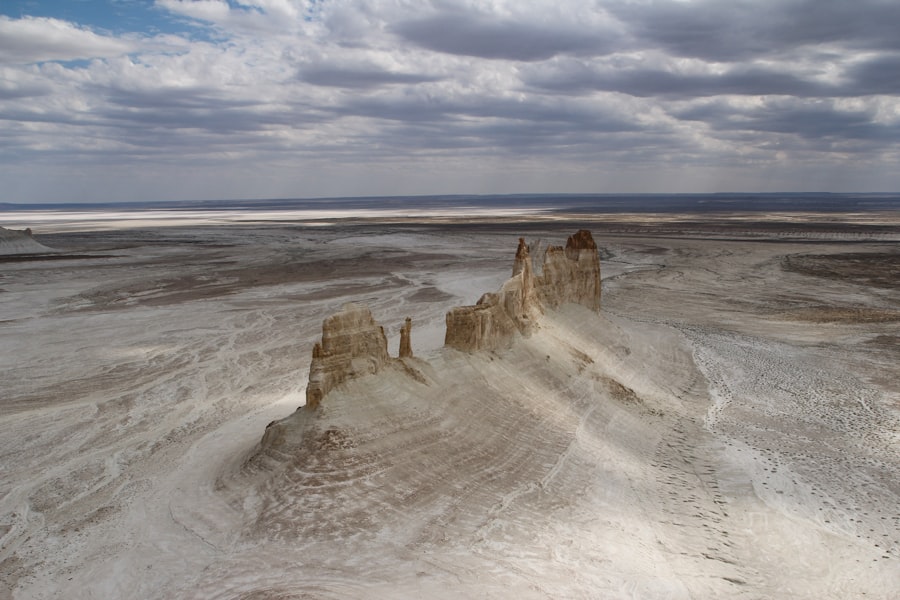
The threats to Kazakhstan’s maritime border are not static. They evolve with technology, economic pressures, and geopolitical shifts. Securing the Caspian requires a proactive and adaptive approach to address these emerging challenges, which range from sophisticated smuggling networks to the vital need for environmental protection and the unwavering safeguarding of energy resources.
Combating Smuggling and Illicit Trafficking
The vastness of the Caspian, coupled with its role as a transit route, makes it a potential pathway for smuggling activities. This can include the illicit transport of goods, narcotics, weapons, and even human trafficking. Kazakhstan’s border forces are equipped to detect and intercept such activities, utilizing intelligence, surveillance, and well-trained interdiction teams. The challenge lies in sophisticated networks that adapt their methods, requiring constant vigilance and evolving counter-strategies. It’s a perpetual game of cat and mouse, where the border guards strive to be the more agile and cunning of the two.
Intelligence-Led Interdictions
Effective counter-smuggling operations are heavily reliant on accurate intelligence. By analyzing patterns of trade, tracking suspicious vessels, and gathering information from informants, Kazakhstan’s security forces can identify and target potential smuggling operations before they reach their destination. Intelligence-led interdictions are far more efficient and effective than random patrols.
Advanced Interdiction Techniques
When a suspected smuggling vessel is identified, specialized techniques are employed for its interception. This can involve the use of smaller, faster boats for pursuit, boarding operations conducted by highly trained teams, and the use of specialized equipment for non-lethal disabling of vessels if necessary. The aim is to safely and effectively apprehend those involved and seize any illicit cargo.
Protecting the Caspian Environment
The Caspian Sea is an ecologically sensitive region, home to unique species and fragile ecosystems. Kazakhstan recognizes its responsibility to protect this environment and actively engages in maritime security efforts that also serve ecological preservation. This includes preventing oil spills from offshore platforms, monitoring and preventing illegal waste disposal by vessels, and combating illegal fishing that can deplete fish stocks. The health of the Caspian is intrinsically linked to the nation’s long-term prosperity.
Oil Spill Prevention and Response
The presence of oil and gas extraction activities in the Caspian necessitates robust measures to prevent and respond to potential oil spills. This includes strict regulations for offshore operations, regular inspections of platforms and pipelines, and the availability of specialized equipment and trained personnel to contain and clean up spills if they occur. Rapid response is crucial to minimize environmental damage.
Combating Illegal Fishing
Overfishing and unsustainable fishing practices pose a significant threat to the Caspian’s marine life. Kazakhstan’s border guards play a vital role in monitoring fishing activities, enforcing fishing quotas, and apprehending vessels engaged in illegal fishing. This is essential for maintaining the ecological balance and ensuring the long-term viability of the fishing industry.
Ensuring Energy Security
The Caspian Sea is rich in hydrocarbon resources, and their secure extraction and export are vital for Kazakhstan’s economy. Maritime security forces are tasked with protecting offshore oil and gas platforms, submerged pipelines, and the vessels that transport these valuable resources. Any disruption to energy production or transit could have significant economic repercussions.
Securing Offshore Facilities
Offshore oil and gas platforms are critical national assets. Their security is paramount, involving surveillance of the surrounding waters, patrol of access routes, and the implementation of measures to prevent sabotage or unauthorized access. The integrity of these facilities is non-negotiable.
Protecting Subsea Pipelines
Subsea pipelines, often stretching for hundreds of kilometers, are another vital component of Kazakhstan’s energy infrastructure. Monitoring these pipelines for any signs of damage or tampering is a crucial task. This involves regular surveys, both superficial and subsea, to ensure their continuous and safe operation. The unseen veins of oil and gas must be guarded from unseen threats.
Kazakhstan’s maritime border security, particularly concerning its unique mudflat regions, has become an increasingly important topic in recent discussions about regional stability and environmental protection. The intricate dynamics of these coastal areas pose both challenges and opportunities for the nation as it seeks to safeguard its maritime interests. For a deeper understanding of the implications of these mudflats on border security, you can explore a related article that delves into the geopolitical significance of Kazakhstan’s maritime boundaries. To read more about this topic, visit this article.
The Future of Caspian Security: Adaptation and Innovation
| Metric | Value | Unit | Notes |
|---|---|---|---|
| Length of Maritime Border | 1,894 | km | Coastline along the Caspian Sea |
| Area of Mudflats | Approx. 150 | sq km | Estimated mudflat regions along the coast |
| Number of Border Patrol Vessels | 12 | units | Dedicated to maritime border security |
| Surveillance Coverage | 85 | % | Area monitored by radar and patrols |
| Incidents of Illegal Fishing | 23 | cases/year | Reported in mudflat areas in last year |
| Environmental Protection Zones | 5 | zones | Designated mudflat conservation areas |
| Response Time to Incidents | 30 | minutes | Average time for border security response |
The landscape of maritime security is in constant flux, and Kazakhstan’s approach to securing its Caspian border is characterized by a commitment to adaptation and innovation. As technology advances and threats evolve, so too must the strategies and capabilities employed to safeguard this vital waterway. Looking ahead, the focus will likely remain on enhancing technological integration, fostering continued regional and international cooperation, and developing a resilient and adaptable maritime defense force.
Embracing Technological Advancements
The integration of emerging technologies will continue to play a pivotal role. This includes the expanded use of artificial intelligence (AI) for data analysis in surveillance, the deployment of more sophisticated underwater drones for monitoring subsea infrastructure, and the potential for advanced cyber-security measures to protect critical maritime communication and control systems. The future is about making these systems smarter, more comprehensive, and more proactive.
The Role of AI in Maritime Surveillance
Artificial intelligence can analyze vast amounts of data from various surveillance sources – radar, satellite, and sensors – to identify anomalies and potential threats with greater speed and accuracy than human operators alone. This can help to filter out “noise” and flag genuine concerns for further investigation, making the border security apparatus more efficient.
Underwater Drones and Autonomous Systems
For monitoring subsea pipelines and detecting underwater threats, the development and deployment of advanced underwater drones and autonomous systems will be increasingly important. These systems can operate for extended periods in harsh environments, providing crucial data on the condition of infrastructure and potential security breaches.
Strengthening Regional and International Alliances
The collaborative spirit fostered through regional forums like the Caspian Five will continue to be essential. Expanding these partnerships and deepening existing ones will be key to addressing transnational threats that do not respect national borders. Joint training, intelligence sharing, and coordinated policy development will remain vital components of a robust security framework.
Deepening Interoperability
Beyond joint exercises, a focus on ensuring seamless interoperability between the maritime forces of Caspian nations is crucial. This involves standardizing communication protocols, sharing compatible data formats, and developing joint operational doctrines that allow for rapid and effective joint responses to crises.
Investing in Human Capital and Skill Development
While technology is vital, the human element remains the bedrock of effective maritime security. Continued investment in the training and professional development of personnel, focusing on adaptability, strategic thinking, and specialized skill sets, will be paramount. This includes fostering leadership qualities and ensuring that officers are equipped to navigate complex ethical and operational dilemmas.
Cultivating a Culture of Adaptability
The maritime security landscape can change rapidly. Therefore, cultivating a culture of adaptability within the border guard forces is essential. This means encouraging continuous learning, fostering innovation at all levels, and empowering personnel to respond effectively to unforeseen circumstances. The ability to pivot and adjust strategies quickly is a hallmark of a modern and effective security force. Kazakhstan’s commitment to securing its Caspian Sea border is a testament to its understanding of the evolving nature of national security in the 21st century. It is a commitment that extends beyond the physical defense of its coastline, encompassing technological innovation, regional cooperation, and a deep understanding of the unique challenges and opportunities presented by this vital inland sea. The mudflats and beyond represent a frontier where traditional challenges meet modern demands, and Kazakhstan is actively charting a course toward their secure future.
FAQs
What is the significance of Kazakhstan’s maritime border security?
Kazakhstan’s maritime border security is crucial for protecting its territorial waters, natural resources, and ensuring safe navigation in the Caspian Sea. It helps prevent illegal activities such as smuggling, unauthorized fishing, and potential security threats.
Where are the mudflats located in relation to Kazakhstan’s maritime borders?
The mudflats are coastal wetlands found along parts of Kazakhstan’s Caspian Sea shoreline. These areas are characterized by soft, muddy terrain and are important ecological zones that can also impact maritime border delineation and security operations.
What challenges do mudflats present to maritime border security in Kazakhstan?
Mudflats can complicate maritime border security due to their difficult terrain, which can hinder patrols and surveillance. They may also serve as hiding spots for illegal activities and require specialized equipment and strategies for effective monitoring.
How does Kazakhstan monitor and enforce security along its maritime borders?
Kazakhstan employs a combination of naval patrols, border guard units, radar and satellite surveillance, and cooperation with neighboring countries to monitor and enforce security along its maritime borders, including areas with mudflats.
Are there any international agreements affecting Kazakhstan’s maritime border security?
Yes, Kazakhstan is a party to agreements related to the Caspian Sea, including the Convention on the Legal Status of the Caspian Sea, which defines maritime boundaries and cooperation frameworks among littoral states to ensure security and resource management.