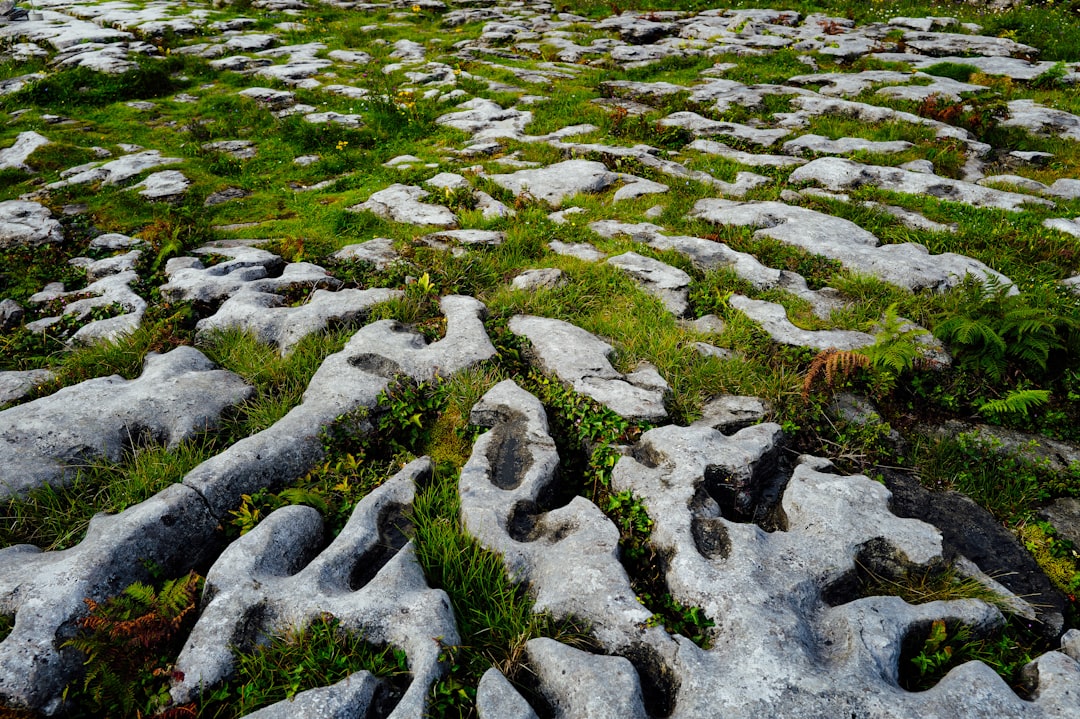
Karst limestone formations, a geological tapestry woven from dissolution and subterranean architecture, represent a significant repository of natural resources, ecological niches, and scientific interest. These landscapes, characterized by soluble rock (predominantly limestone, but also dolomite and gypsum) and the resulting surface and subsurface features like sinkholes, caves, and underground drainage systems, are far more than just picturesque scenery. They are dynamic geological assets, crucial for water resource management, biodiversity, and even the extraction of valuable minerals. Understanding and securing these formations is paramount to ensuring their continued contribution to human well-being and the environment.
To effectively secure karst limestone as a geological asset, an in-depth understanding of its foundational principles is essential. Karst landscapes are not static relics but fluid, ever-evolving environments shaped by the relentless, patient work of water.
The Dissolution Process: Water’s Sculpting Hand
The genesis of karst lies in the dissolution of soluble bedrock by slightly acidic rainwater. Carbon dioxide from the atmosphere and decaying organic matter in the soil combines with water to form carbonic acid (H₂CO₃). When this slightly acidic water percolates through limestone (calcium carbonate, CaCO₃), a chemical reaction occurs:
CaCO₃ (limestone) + H₂CO₃ (carbonic acid) → Ca²⁺ (calcium ions) + 2HCO₃⁻ (bicarbonate ions)
This reaction, though seemingly slow, is the primary architect of karst. Over geological timescales, it carves out intricate networks of passages, conduits, and chambers within the subsurface. The rate of dissolution is influenced by several factors, including the acidity of the water, the temperature, the flow rate, and the presence of impurities. Think of this process as water being a microscopic chisel, patiently, persistently shaping the stone over eons.
Karst Topography: Surface Manifestations of Subsurface Activity
The impact of this subsurface dissolution is vividly displayed on the surface through characteristic karst topography. These features are the surface whispers of the hidden, subterranean world.
Sinkholes and Dolines: The Earth’s Gentle Indentations
Sinkholes, also known as swallow holes or dolines, are perhaps the most iconic features of karst landscapes. They form in several ways:
- Dissolution Sinkholes: These develop gradually as acidic water dissolves the bedrock from above, leading to a gradual sinking of the surface. This can create broad, bowl-shaped depressions.
- Cover-Subsidence Sinkholes: These occur in areas with a layer of unconsolidated material (like clay or sand) overlying the bedrock. As dissolution weakens the bedrock below, the overlying material slumps or subsides into the dissolving cavity, forming a sinkhole.
- Cover-Collapse Sinkholes: These are the most dramatic and often hazardous. They form when a cavity in the bedrock grows large enough to weaken the overlying unconsolidated material to the point of sudden failure. The surface suddenly collapses, creating a steep-sided, often cylindrical sinkhole. The suddenness of their formation can be compared to the unexpected collapse of a bridge under strain.
Uvalas and Poljes: Expanded Karst Depressions
As individual sinkholes merge or as broader areas of dissolution occur, larger depressions can form. Uvalas are shallow, irregular depressions formed by the coalescence of several smaller sinkholes. Poljes, on the other hand, are large, flat-floored, and often elongated depressions that can be several kilometers in extent. They are typically drained by one or more sinkholes at their lower end. These larger features can become important areas for agriculture in otherwise rugged terrain.
Karst Valleys and Blind Valleys: Interrupted Drainage
Karst valleys are often characterized by a lack of surface streams, as these streams typically disappear underground at sinkholes or swallow holes. Blind valleys are particularly noteworthy; they are valleys that end abruptly at a sinkhole where the surface stream vanishes into the ground. The water then continues its journey through the subterranean karst drainage system. This is akin to a river reaching a drain and disappearing into the unseen plumbing of the earth.
The Subsurface Realm: Caves and Conduits
Beneath the visible surface, karst formations harbor an intricate and often vast network of underground caves, passages, and conduits. This is the hidden engine of the karst system.
Caves: Natural Caverns and Their Formations
Caves are formed by the enlargement of pre-existing fractures and bedding planes in the limestone. Water flowing through these openings enlarges them over time, creating vast chambers and intricate passageways. Within these caves, a wealth of geological formations, known as speleothems, can develop from the deposition of dissolved minerals.
Speleothems: The Artistry of Calcite Deposition
The most common speleothem is calcite (calcium carbonate). As water rich in dissolved calcium bicarbonate drips or flows within a cave, the loss of carbon dioxide to the cave atmosphere causes the calcium carbonate to precipitate out of solution. This slow deposition, drop by drop, over millennia, builds a stunning array of formations.
- Stalactites: These hang from the ceiling of caves, formed by the slow dripping of mineral-laden water. They grow downwards, resembling icicles.
- Stalagmites: These rise from the floor of caves, formed by the accumulation of mineral deposits from dripping water. They grow upwards, often mirroring their stalactite counterparts.
- Columns: When a stalactite and a stalagmite meet and fuse, they form a column.
- Flowstone: This is formed by sheet-like deposits of calcite that drape over cave surfaces, resembling frozen waterfalls.
- Draperies (Curtains or Folded Sinter): These are thin, wavy sheets of calcite that hang from the ceiling or sides of a cave, often formed by water flowing down an inclined surface.
The diversity and beauty of speleothems are a testament to the patience and precision of Earth’s geological processes.
Conduits and Drainage Systems: The Subterranean Arteries
Beyond the aesthetically pleasing caves, the functional heart of a karst system is its intricate network of conduits and underground drainage channels. These are the arteries through which vast quantities of water flow, often at high velocities.
Groundwater Flow in Karst: Unpredictable and Unconfined
Groundwater flow in karst environments is notoriously different from that in porous media like sand or sandstone. Instead of slowly seeping through interconnected pores, water in karst predominantly moves through distinct conduits, fractures, and fissures. This means that groundwater can travel significant distances rapidly and with minimal filtration. This rapid movement makes karst aquifers particularly vulnerable to contamination. Imagine a network of underground highways rather than a sponge; the speed and volume of traffic can be vastly different.
Karst limestone formations are not only fascinating geological structures but also play a crucial role in the security of various natural resources. For a deeper understanding of how these geological assets impact environmental stability and resource management, you can explore the article on geological security assets available at MyGeoQuest. This resource provides valuable insights into the significance of karst landscapes and their implications for sustainable development and conservation efforts.
The Treasure Trove: Geological Assets of Karst Limestone
Karst limestone formations are not merely geological curiosities; they are multifaceted geological assets, providing invaluable resources and ecological services. Their secure management unlocks their full potential.
Water Resources: Aquifers and Drainage Basins
Karst limestone formations are often significant groundwater reservoirs, acting as vital aquifers that supply drinking water to millions. The porous nature of limestone, combined with the developed conduit system, allows for substantial water storage and rapid transmission.
Karst Aquifers: A Double-Edged Sword
Karst aquifers are characterized by their high transmissivity, meaning water can flow through them relatively easily. This is beneficial for water supply, allowing for abundant well yields. However, this same characteristic makes them highly susceptible to contamination. Because water moves quickly through conduits with limited filtration, pollutants introduced at the surface can rapidly reach groundwater sources. This necessitates careful land management and protection strategies for the entire recharge area of the aquifer. Think of a karst aquifer as a pristine reservoir with a direct, unhindered pipe to your tap; any pollutant introduced at the reservoir’s edge will quickly find its way to you.
Ephemeral Streams and Recharge Zones: The Water Cycle in Flux
The surface streams in karst regions often appear and disappear, with their waters feeding directly into the subsurface drainage system. Understanding these recharge zones – the areas where surface water enters the groundwater system – is critical for protecting aquifer quality. Identifying and safeguarding these areas from pollution is a cornerstone of securing karst water resources.
Karst limestone formations are not only fascinating geological structures but also play a crucial role in the security of various natural assets. The unique characteristics of these landscapes, such as their ability to store and filter water, make them vital for maintaining groundwater supplies. For a deeper understanding of how these geological features contribute to environmental security, you can explore a related article that discusses their significance in greater detail. Check it out here.
Mineral Resources: From Building Materials to Valuable Ores
Limestone itself is a valuable mineral resource, used extensively in construction and industry. However, karst environments can also host other valuable mineral deposits.
Limestone as Aggregate and Cement Production
Vast quantities of limestone are quarried for use as crushed stone (aggregate) in road construction and concrete production. Additionally, limestone is the primary raw material for the manufacture of Portland cement, a fundamental component of modern construction. The accessibility of limestone deposits in karst regions makes them crucial economic assets for these industries.
Cave and Mineable Deposits: From Guano to Industrial Minerals
Karst environments can also contain rare or economically significant mineral deposits.
- Guano Deposits: Accumulations of bat droppings within caves can, over long periods, form valuable phosphate deposits, historically used as fertilizer.
- Phosphate Rock: In some karst regions, sedimentary phosphate rock deposits are found, which are a primary source of phosphorus for fertilizer production.
- Other Industrial Minerals: Depending on the geological history of the region, karst formations can also be associated with deposits of other industrial minerals such as barite, fluorite, and lead-zinc ores, often found in fissures and associated with the dissolution and re-precipitation processes.
Biodiversity Hotspots: Unique Ecosystems and Endemic Species
The unique physical conditions of karst landscapes, particularly the presence of caves and their stable microclimates, create specialized habitats that support remarkable biodiversity.
Cave Ecosystems: Worlds of Darkness and Adaptation
Cave environments, with their constant temperature, high humidity, and absence of light, present extreme conditions that have driven unique evolutionary adaptations in their inhabitants.
Troglophiles and Troglobites: Life Adapted to the Dark
- Troglobites: These are organisms that are completely adapted to cave life and cannot survive outside of it. Examples include blind cavefish, certain species of salamanders, cave crickets, and specialized insects. Their adaptations often include the loss of eyesight and pigment, and enhanced senses of touch, smell, and hearing.
- Troglophiles: These are organisms that can live both inside and outside of caves but prefer the cave environment. They may venture out to find food but return to the cave for shelter or breeding. Examples include some species of bats, spiders, and millipedes.
The genetic uniqueness and specialized adaptations of these cave-dwelling organisms make them invaluable subjects for scientific research and crucial components of global biodiversity.
Karst Surface Flora and Fauna: Resilient Communities
The surface of karst landscapes, with its thin soils, sinkholes, and often rugged terrain, also supports specialized plant and animal communities. Vegetation adapted to xeric conditions and able to root in shallow soils often thrives. Endangered species may find refuge in the unique microhabitats provided by karst features.
Paleontological and Archaeological Significance: Windows to the Past
Karst caves and sinkholes act as natural time capsules, preserving fossils and archaeological evidence that offer profound insights into past life and human history.
Fossil Discoveries: Unlocking Ancient Histories
The stable, often anoxic conditions within caves can lead to the exceptional preservation of fossilized remains. These discoveries can include ancient animal bones, plant matter, and even human remains, providing invaluable data for understanding past ecosystems, evolutionary lineages, and paleoenvironments. The discovery of early human ancestors or extinct megafauna in karst caves can fundamentally alter our understanding of prehistory.
Archaeological Sites: Human Habitation and Cultural Heritage
Caves and rock shelters within karst landscapes have historically served as shelters for humans. These sites can contain a wealth of archaeological artifacts, including tools, pottery, hearths, and rock art, offering direct evidence of early human settlement patterns, cultural practices, and technological development. Securing these sites is vital for preserving our shared human heritage.
Securing Karst Limestone: Strategies for Preservation and Management
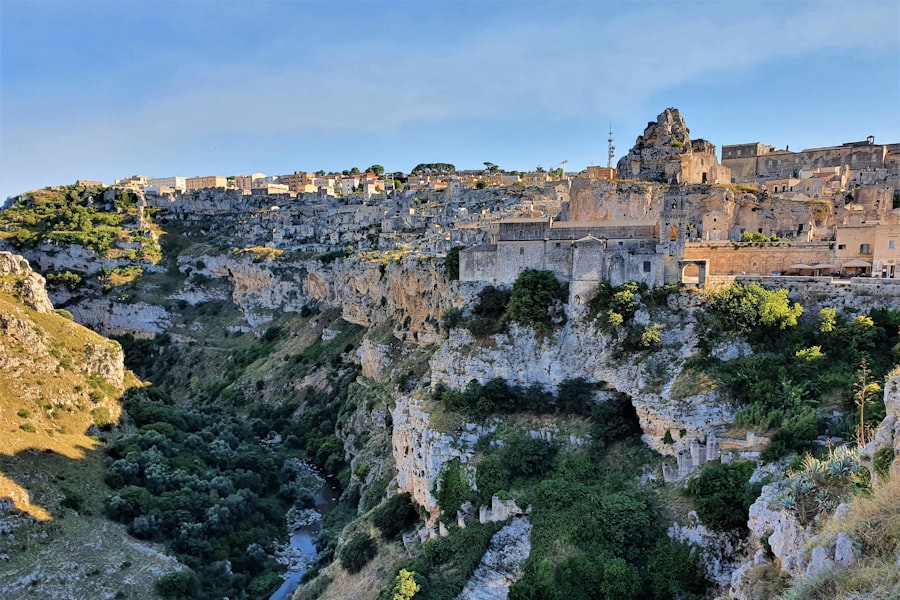
The multifaceted value of karst limestone formations necessitates a proactive and comprehensive approach to their security and sustainable management. This involves a combination of scientific understanding, regulatory frameworks, and public engagement.
Environmental Protection: Safeguarding the Karst Ecosystem
Protecting the delicate balance of karst ecosystems is paramount. This requires a holistic approach that considers both surface and subsurface environments.
Management of Land Use in Recharge Areas: A Watchful Eye on the Surface
The protection of karst aquifers begins with responsible land-use management in their recharge areas. This involves identifying potential sources of pollution and implementing measures to mitigate their impact.
Identifying and Delineating Recharge Zones: Mapping the Water’s Ingress
Detailed hydrogeological studies are essential to accurately delineate the recharge areas of karst aquifers. This involves understanding the surface topography, bedrock geology, and the direction and speed of groundwater flow. GIS mapping and tracer studies are valuable tools in this process.
Regulating Development and Industrial Activities: Prohibiting Polluters
Strict regulations on development and industrial activities within identified recharge zones are crucial. This includes zoning ordinances that restrict or prohibit activities with a high potential for groundwater contamination, such as waste disposal sites, intensive agriculture, and certain industrial processes. The precautionary principle should guide decisions regarding potentially polluting activities in these sensitive areas.
Implementing Best Management Practices (BMPs) in Agriculture: Sustainable Farming
For agricultural activities within recharge zones, the implementation of Best Management Practices (BMPs) is vital. These include practices that minimize nutrient runoff (fertilizers), pesticide use, and soil erosion, such as contour plowing, riparian buffer strips, and integrated pest management.
Protection of Cave Systems: Preserving Subterranean Sanctuaries
Cave systems require specific protection measures to maintain their ecological integrity and geological value.
Controlling Access and Limiting Human Impact: The Need for Restraint
Uncontrolled access to caves can lead to significant damage. This includes physical disturbance of speleothems, introduction of foreign materials, and alteration of cave microclimates. Limiting access to designated, managed areas and educating visitors about responsible cave etiquette are essential. In some cases, complete closure of sensitive caves may be necessary.
Monitoring and Maintaining Cave Microclimates: The Delicate Balance of Temperature and Humidity
The stable microclimates of caves are essential for their unique ecosystems and the preservation of speleothems. Activities that alter temperature or humidity, such as increased human traffic or artificial lighting that generates heat, can be detrimental. Monitoring these parameters and implementing measures to maintain stability are crucial.
Resource Management: Sustainable Extraction and Utilization
When karst limestone formations are exploited for their mineral resources, it must be done in a manner that minimizes environmental impact and ensures long-term sustainability.
Sustainable Quarrying Practices: Minimizing the Footprint
For limestone quarries, sustainable practices include:
- Progressive Rehabilitation: Reclaiming and revegetating quarry sites as extraction progresses, rather than waiting until the entire operation ceases.
- Minimizing Dust and Noise Pollution: Implementing technologies and management strategies to reduce the impact on surrounding communities and ecosystems.
- Water Management: Ensuring that quarry operations do not adversely affect local water tables or surface water quality.
Responsible Mining of Associated Minerals: Beyond Exploration
When mining for associated minerals within karst regions, careful consideration must be given to the unique hydrogeological conditions.
- Minimizing Subsidence Risk: Understanding the potential for ground collapse and implementing engineering solutions to mitigate subsidence.
- Preventing Acid Mine Drainage: Developing and implementing strategies to prevent the generation of acid mine drainage, which can severely pollute water resources.
Scientific Research and Monitoring: Illuminating the Unknown
Ongoing scientific research and monitoring are fundamental to understanding and effectively managing karst geological assets.
Hydrogeological Investigations: Mapping the Hidden Flows
Continued research into karst hydrogeology is essential for accurate aquifer characterization, contamination pathway analysis, and the development of effective groundwater protection strategies. This includes advanced modeling and monitoring techniques.
Ecological Studies: Understanding Cave Life and Surface Communities
Detailed ecological studies are necessary to understand the functioning of karst ecosystems, identify vulnerable species, and develop targeted conservation efforts. This includes research into organism adaptations, population dynamics, and habitat requirements.
Paleontological and Archaeological Research: Unearthing Our Origins
Continued support for paleontological and archaeological research within karst formations provides invaluable insights into the Earth’s history and the evolution of human civilization. Careful excavation and preservation of discovered materials are paramount.
Policy and Regulation: Establishing the Framework for Security
Effective legal and policy frameworks are the bedrock upon which the security of karst geological assets is built.
Zoning and Land-Use Planning: Guiding Development
Implementing comprehensive zoning and land-use planning policies that specifically address the unique characteristics and vulnerabilities of karst landscapes is crucial. This includes designating special protection areas, establishing buffer zones, and enacting strict development controls.
Environmental Impact Assessment (EIA) and Permitting: Rigorous Scrutiny
Requiring thorough Environmental Impact Assessments for any proposed development or resource extraction activity in karst areas is essential. This ensures that potential environmental consequences are identified and mitigated before permits are granted.
Inter-jurisdictional Cooperation: A Shared Responsibility
Karst systems often transcend political boundaries, making inter-jurisdictional cooperation vital. Sharing data, coordinating management strategies, and establishing joint protection initiatives across different administrative regions are essential for effective stewardship.
Public Awareness and Education: Empowering Stakeholders
Engaging the public and fostering environmental stewardship are critical components of karst security.
Educational Programs: Informing Future Generations
Developing and implementing educational programs for schools and the general public about the importance of karst landscapes, their ecological significance, and the threats they face is crucial for long-term conservation.
Citizen Science Initiatives: Harnessing Local Knowledge
Empowering local communities to participate in citizen science initiatives, such as water quality monitoring or cave monitoring, can provide valuable data and foster a sense of ownership and responsibility for karst resources.
In conclusion, karst limestone formations are invaluable geological assets, a testament to the power of natural processes and a vital resource for both the environment and humanity. Their secure management requires a deep understanding of their complex geology, a commitment to rigorous scientific research, robust policy frameworks, and engaged public participation. By recognizing their multifaceted importance and implementing comprehensive strategies, we can ensure that these geological treasures continue to benefit generations to come.
FAQs
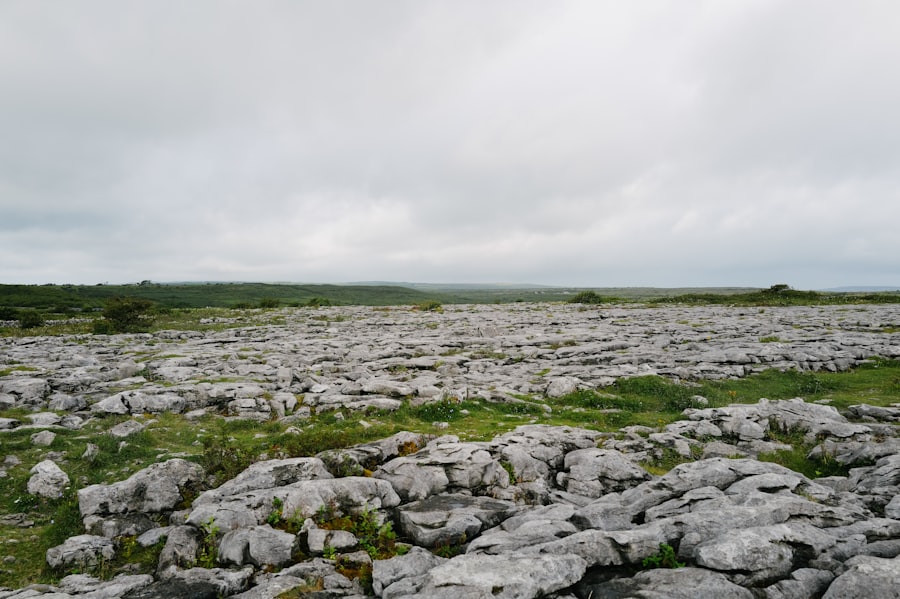
What is karst limestone and how does it form?
Karst limestone is a type of sedimentary rock primarily composed of calcium carbonate. It forms through the accumulation of marine organisms’ skeletal fragments and undergoes chemical weathering, where slightly acidic water dissolves the rock, creating distinctive features like caves, sinkholes, and underground drainage systems.
Why are karst limestone areas considered geological security assets?
Karst limestone regions often contain extensive underground water reservoirs and natural filtration systems, making them valuable for water supply security. Their unique geological structures can also provide natural protection against certain natural hazards, contributing to regional geological stability and resource management.
What are the common geological hazards associated with karst limestone?
Karst limestone areas are prone to hazards such as sinkholes, ground subsidence, and cave collapses due to the dissolution of the rock. These hazards can impact infrastructure, water quality, and land use, requiring careful geological assessment and monitoring.
How can karst limestone formations be protected and managed?
Protection and management involve monitoring groundwater quality, regulating land use to prevent contamination, conducting geological surveys to identify vulnerable areas, and implementing engineering solutions to mitigate sinkhole risks. Sustainable management ensures the preservation of karst landscapes and their resources.
What role do karst limestone formations play in groundwater systems?
Karst limestone formations often serve as significant aquifers, storing and transmitting groundwater through their network of caves and fissures. They provide essential water resources for drinking, agriculture, and industry, but their permeability also makes them susceptible to contamination, necessitating careful management.