The Skyward Shift: Seattle’s Elevated Economy
The unassuming rise of Seattle’s street level has orchestrated a remarkable economic renaissance, transforming the city’s commercial landscape in ways previously unimagined. What began as a pragmatic response to a recurring hydrological challenge has blossomed into a thriving ecosystem where businesses not only survive but flourish, leveraging their elevated positions to redefine urban commerce. This phenomenon, often referred to as Seattle’s “skyward shift,” has seen businesses adapt, innovate, and ultimately capitalize on the unique advantages offered by their raised street presence. From boutique retailers to vibrant eateries, the narrative of Seattle’s businesses is one of resilience, adaptability, and an unexpected boom powered by altitude.
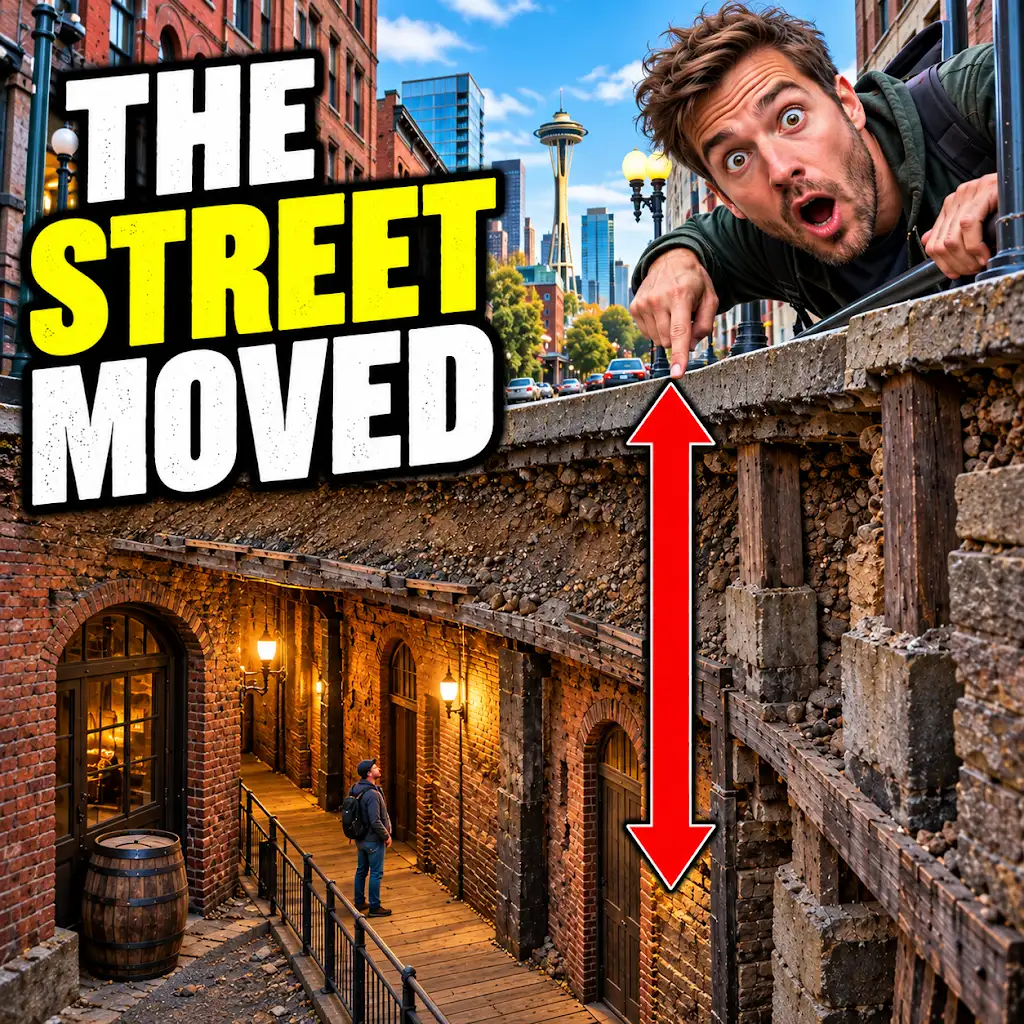
The genesis of this transformation lies in the city’s historical development and its ongoing battle with tidal fluctuations and rainfall. Early Seattle was built on a marshy foundation, susceptible to the whims of Puget Sound and the Pacific Northwest’s abundant precipitation. In the late 19th century, a series of ambitious urban planning projects, most notably the Great Seattle Fire of 1889 and its subsequent rebuilding efforts, provided an opportunity to address these persistent issues. The decision was made to raise the street levels, effectively creating a new, higher ground upon which to build and conduct commerce. This monumental undertaking, involving the backfilling of entire city blocks, literally elevated the business district, leaving the original ground floor of many buildings relegated to basements and service areas. While initially a logistical challenge and a costly endeavor, the long-term implications have proven to be profoundly beneficial, fostering a unique environment that has become a cornerstone of Seattle’s economic vitality.
In exploring the unique urban landscape of Seattle, businesses are increasingly adapting to the raised streets that characterize the city. These elevated pathways not only provide a distinct architectural charm but also influence local commerce and pedestrian traffic. For a deeper understanding of how these raised streets impact Seattle’s business environment, you can read the related article here: Seattle Businesses Below Raised Streets. This article delves into the challenges and opportunities faced by businesses operating in this distinctive setting.
Redefining Retail: A New Perspective on Patronage
The most immediate and visible impact of Seattle’s raised streets has been on its retail sector. Businesses that once occupied street-level storefronts now often find their primary entrances on a higher plane, requiring customers to ascend a set of stairs or utilize ramps and elevators. This seemingly minor adjustment has, however, fostered a distinct retail experience, altering customer flow, product display, and even the perception of exclusivity. For many businesses, this elevation has become a deliberate design choice, curated to enhance the shopping experience.
Enticing Entrances and Elevated Ambience
The traditional street-level storefront, often characterized by large display windows facing the pedestrian thoroughfare, has been reinterpreted. Instead, businesses on the upper levels have focused on creating inviting and prominent entrances. This has led to an emphasis on well-designed staircases, often adorned with planters, artwork, or attractive signage, transforming the ascent into a preamble to the shopping experience. Many businesses have also invested in attractive awnings and enhanced exterior lighting to draw attention from the street below. The result is a more intentional journey for the customer, where reaching the shop feels like discovering a hidden gem. This elevated ambiance can create a sense of separation from the hustle and bustle of the lower streets, offering a more tranquil and focused shopping environment.
Enhanced Visibility and Unique Merchandising
While the direct visibility from the street might be altered, raised businesses have discovered creative ways to ensure their presence is known. Clever signage, often suspended above the street or strategically placed at the base of entrances, acts as a beacon. Furthermore, the altered perspective from above allows for unique merchandising opportunities. Balconies and upper-level window displays can be designed to be seen from a distance, creating an appealing visual tableau that draws interest. This has led to a rise in businesses that curate their window displays with a keen eye for aerial appeal, turning their facade into a form of public art. The concept of “window shopping” has evolved, incorporating an element of discovery and reward for those who venture up.
The Allure of Exclusivity and Boutique Charm
The physical elevation can also subtly contribute to a perception of exclusivity. Reaching a boutique or specialty store on a raised level can feel like a deliberate choice, a journey undertaken by those seeking something specific. This can foster a sense of community among patrons and encourage repeat visits, as the effort to reach the establishment becomes a part of its allure. This exclusivity is not about unaffordability, but rather about a curated experience that distinguishes these businesses from more common, readily accessible options. This has particularly benefited independent retailers and specialty shops that thrive on a niche clientele and a personalized approach to customer service.
Culinary Heights: Restaurants and the Elevated Palate
The restaurant and food service industry in Seattle has also undergone a significant metamorphosis due to the city’s raised street levels. Beyond the practicalities of operation, elevation has provided a unique canvas for culinary innovation and dining experiences. From cozy cafes to upscale dining establishments, businesses have embraced their elevated status to craft memorable gastronomic journeys for their patrons.
Scenic Views and Distinctive Dining Rooms
One of the most significant advantages for many elevated restaurants is the potential for enhanced views. As the city’s original ground floor became service areas, many newer constructions, or renovated older ones, incorporated dining spaces on the upper floors. This allows for panoramic vistas of Puget Sound, the Olympic Mountains, or the bustling cityscape below. These views become an integral part of the dining experience, offering a captivating backdrop that complements the culinary offerings. Restaurants have designed their dining rooms to maximize these views, with large windows, strategically placed tables, and outdoor seating areas that capitalize on the elevated perspective. This visual element can elevate a simple meal into a memorable occasion.
Creative Kitchen Operations and Enhanced Accessibility for Services
The basement levels, once the ground floor, have often been repurposed into highly efficient kitchen and service areas. This segregation of customer-facing areas from operational zones can lead to streamlined workflows and improved hygiene standards. The raised street level also means that deliveries and waste removal can often be managed at a lower, more discreet level, minimizing disruption to diners. Furthermore, while the primary customer entrance might be elevated, many businesses have invested in accessible ramps and elevators to ensure that patrons with mobility challenges can still reach their establishments with ease. This demonstrates a commitment to inclusivity within the elevated dining scene.
The Rise of Rooftop Dining and Al Fresco Experiences
The elevation has also paved the way for the burgeoning popularity of rooftop dining and al fresco experiences. Many businesses have capitalized on their upper-level locations to create outdoor patios and rooftop terraces, offering a unique and sought-after dining ambiance, especially during Seattle’s milder months. These spaces provide an open-air dining experience that is distinct from the typical street-level patio. The elevated position often affords a greater sense of privacy and a more relaxed atmosphere, away from the immediate foot traffic of the streets below. This has become a significant draw for both locals and tourists looking for a distinctive Seattle dining experience.
Business Model Innovations: Adapting to Altitude
The sustained success of Seattle’s raised businesses is not merely a matter of passive adaptation; it is a testament to proactive innovation and a willingness to reimagine traditional business models. Companies have strategically leveraged their unique spatial configurations to optimize operations, enhance customer engagement, and discover new revenue streams. This ingenuity has been a defining characteristic of Seattle’s thriving elevated economy.
Optimizing Space: From Basements to Business Hubs
The original ground floors, now often basements, have been transformed from utilitarian spaces into valuable business assets. Instead of being mere storage areas, many have become sophisticated back-office operations, dedicated workshop spaces, or even complementary retail outlets. For example, a clothing boutique might use its basement as a fitting room area or a private styling suite, while a bookstore could utilize its lower level for author events or a dedicated section for rare and antiquarian books. This dual-level functionality allows businesses to maximize their operational footprint without necessarily increasing their physical footprint on the main street.
Streamlining Logistics and Enhancing Efficiency
The elevation has also presented opportunities for logistical innovation. Dedicated service entrances at the lower levels can facilitate efficient deliveries of goods and supplies, often bypassing customer areas entirely. This segregation of service traffic from customer traffic minimizes disruptions and enhances the overall customer experience. Waste management and utility access can also be more discreetly managed from the lower levels, contributing to a cleaner and more aesthetically pleasing street presence. Furthermore, for businesses that rely on specific equipment or manufacturing processes, the ability to house these in robust, lower-level spaces can be a significant advantage.
Leveraging Technology for Enhanced Connectivity
The challenge of connecting different levels and ensuring seamless customer experiences has spurred innovation in technology adoption. Businesses have invested in robust Wi-Fi networks, integrated point-of-sale systems that can communicate across multiple floors, and digital signage solutions that can engage customers at various points of their visit. The need to bridge physical gaps has also led to the creative use of elevators, escalators, and even smart intercom systems to enhance accessibility and communication. This technological integration is not just about convenience; it’s about creating a cohesive and modern business operation that can effectively serve customers on multiple levels.
Seattle’s unique urban landscape, characterized by its raised streets, has been a topic of interest for local businesses looking to adapt and thrive in this distinctive environment. For a deeper understanding of how these elevated pathways influence commerce and community dynamics, you can explore a related article that discusses the impact of Seattle’s topography on its business ecosystem. This insightful piece can be found here, offering valuable perspectives for entrepreneurs navigating the city’s challenges and opportunities.
Community and Connection: A Shared Ascent
| Business Name | Type | Location | Year Established | Average Monthly Visitors | Special Features |
|---|---|---|---|---|---|
| The Pink Door | Restaurant | Pike Place Market, Below Street Level | 1981 | 15,000 | Italian cuisine, live entertainment |
| Ghost Alley Espresso | Coffee Shop | Post Alley, Below Street Level | 2005 | 8,000 | Espresso bar, unique alley location |
| Market Theater | Theater | Pike Place Market, Below Street Level | 1977 | 5,000 | Independent films, community events |
| Seattle Underground Tour | Tour Company | Below Pioneer Square Streets | 1965 | 20,000 | Historical tours of underground pathways |
| Old Stove Brewing | Brewery | Below Street Level, Pioneer Square | 2010 | 7,500 | Craft beers, historic ambiance |
The economic success of Seattle’s raised businesses is deeply intertwined with the sense of community and shared identity that has emerged from this unique urban landscape. The challenges and adaptations required by the elevated streets have fostered a collaborative spirit among businesses and a distinct connection with the city’s residents and visitors.
Fostering Local Pride and a Unique Urban Identity
Seattle’s raised streets have become a recognizable feature of the city’s identity, contributing to its unique urban charm. This has translated into a strong sense of local pride among businesses and residents alike. The distinctiveness of patronizing an elevated establishment has become part of the Seattle experience, differentiating it from other cities. This shared characteristic has created a subtle but powerful bond, encouraging support for local businesses that embody this urban quirk.
Collaborative Initiatives and Mutual Support
The commonality of their elevated position has also led to a greater sense of collaboration among businesses. Initiatives such as shared marketing efforts, joint promotional events, and even informal knowledge-sharing have become more prevalent. Businesses often recognize that their success is linked to the overall vibrancy of the elevated districts. This mutual support extends to advocating for improvements in infrastructure, such as enhanced lighting, signage, and accessibility, which benefit all businesses operating at higher levels.
The Allure of Discovery and Experiential Tourism
For visitors, Seattle’s raised streets offer an element of discovery and experiential tourism. The act of navigating these unique urban spaces, ascending stairs to find hidden shops and restaurants, adds an adventurous dimension to exploring the city. This experiential aspect has become a draw in itself, encouraging tourists to delve deeper into the city’s commercial heart. Businesses that embrace this unique aspect of their location, by offering unique experiences or highlighting their elevated position in their marketing, often see a greater engagement from this demographic. The narrative of Seattle’s businesses thriving under raised streets is a compelling example of how urban planning, environmental adaptation, and entrepreneurial spirit can converge to create a dynamic and prosperous economic ecosystem.
The Future of Altitude: Sustaining the Elevated Economy
As Seattle continues to grow and evolve, the elevated business districts are poised to remain central to its economic vitality. The inherent advantages of these spaces, coupled with ongoing innovation and a strong sense of community, suggest a future where businesses continue to thrive at new heights. The lessons learned from this unique urban development offer valuable insights for cities grappling with their own spatial and economic challenges.
Continued Investment in Infrastructure and Accessibility
The long-term success of Seattle’s elevated economy will undoubtedly depend on continued investment in public infrastructure. This includes ensuring consistent maintenance of staircases, ramps, and elevators, as well as exploring new technologies to enhance accessibility and navigation for all patrons. Improving lighting, public art installations, and pedestrian-friendly pathways connecting different elevated areas will further enhance the appeal and functionality of these districts. The city’s commitment to maintaining and improving these unique assets will be crucial in sustaining their economic momentum.
Embracing Sustainable Practices and Green Initiatives
As the world increasingly focuses on sustainability, Seattle’s elevated businesses have an opportunity to lead the way. This could involve adopting energy-efficient practices in their operations, implementing robust recycling and composting programs, and exploring the use of green building materials in renovations and new constructions. The unique spatial configurations might also lend themselves to innovative solutions for urban agriculture or vertical green spaces, further enhancing the environmental appeal of these districts. Integrating sustainability into their elevated business models can attract environmentally conscious consumers and contribute to a more resilient urban future.
The Evolving Landscape of E-commerce and Physical Retail Integration
The digital age presents both challenges and opportunities for all businesses, and Seattle’s elevated establishments are no exception. While the unique physical experience remains a core appeal, integrating e-commerce capabilities with their brick-and-mortar presence will be essential. This could involve offering online ordering with in-store pickup, providing virtual styling appointments, or leveraging technology to create augmented reality experiences that bridge the gap between the online and physical realms. The ability to seamlessly blend the convenience of digital platforms with the tangible experience of their elevated locations will be a key factor in their continued success. The ongoing narrative of Seattle’s raised streets is a powerful testament to human ingenuity and the ability to transform perceived limitations into extraordinary opportunities, shaping a vibrant and economically robust urban future.
Seattle Raised Its Streets. The Old Storefronts Stayed Put
FAQs
What are raised streets in Seattle?
Raised streets in Seattle are elevated roadways that were built in the early 20th century to address the city’s hilly terrain and frequent flooding issues.
How many raised streets are there in Seattle?
There are a total of 22 raised streets in Seattle, with some of the most well-known ones including Yesler Way, Jackson Street, and Western Avenue.
Why were raised streets built in Seattle?
Raised streets were built in Seattle to elevate roadways above the original ground level, allowing for better drainage and reducing the impact of flooding during heavy rains.
Are raised streets still in use today?
Yes, raised streets are still in use today in Seattle. While some have been modified or partially removed over the years, many of them still serve as important thoroughfares in the city.
What are some challenges associated with raised streets in Seattle?
Some challenges associated with raised streets in Seattle include accessibility issues for pedestrians and cyclists, as well as maintenance and preservation costs due to their historical significance.