
The urgent plea to protect our planet has resonated through various mediums, but few have managed to capture the visceral reality and the potent call to action quite like “Saving Our Planet: A Powerful Environmental Documentary.” This cinematic exploration delves deep into the interwoven tapestry of Earth’s ecosystems, exposing the alarming consequences of human impact and, more importantly, illuminating the path towards a sustainable future. The documentary is not merely a presentation of facts; it is an emotional journey, a wake-up call that aims to ignite a sense of responsibility and empower individuals to become agents of change.
“Saving Our Planet” opens with a breathtaking panorama of Earth from space, a stark reminder of its solitary existence and inherent beauty. However, this initial awe quickly gives way to a sobering portrayal of the planet’s escalating environmental crisis. The documentary employs a sophisticated blend of stunning cinematography and expert narration to illustrate the interconnectedness of all living things and the delicate balance that sustains them.
A World Under Siege: The Visible Scars
The film doesn’t shy away from showcasing the undeniable evidence of environmental degradation. Viewers are taken on a global tour, witnessing firsthand the melting glaciers of the Arctic, the bleached coral reefs of the tropics, and the parched landscapes of drought-stricken regions. Each visual is a testament to the profound impact of climate change and unchecked human activity. The documentary masterfully uses time-lapse photography to depict the rapid retreat of ice sheets and the shrinking of once-vibrant forests, creating a visual narrative that is both compelling and deeply unsettling.
The Arctic’s Melting Heart
The segment dedicated to the Arctic is particularly poignant. It highlights the devastating impact of rising global temperatures on polar bears, seals, and the indigenous communities whose lives are inextricably linked to the ice. The imagery of starving polar bears struggling to find food and fragmented ice floes underscores the immediate and devastating consequences of a warming planet. Scientists featured in the documentary explain the intricate feedback loops that accelerate melting, such as the reduced reflectivity of darker ocean water compared to ice, further exacerbating the problem.
Oceans in Peril: A Silent Cry
The plight of the world’s oceans is another central theme. The documentary exposes the alarming levels of plastic pollution that choke marine life, the acidification that threatens coral ecosystems, and the unsustainable fishing practices that decimate fish populations. Scenes of albatrosses feeding plastic to their chicks and the ghostly white skeletons of dead coral reefs serve as powerful visual indictments of our collective negligence. Marine biologists explain how microplastics are entering the food chain, posing a threat not only to marine animals but also to human health. The acidification of oceans, driven by increased absorption of atmospheric carbon dioxide, is presented as an existential threat to marine biodiversity, impacting everything from shellfish to plankton, the base of the oceanic food web.
The Silent Extinction: Biodiversity Loss
Beyond the immediate impacts on climate and oceans, “Saving Our Planet” meticulously documents the accelerating rate of species extinction. The film argues that we are living through the Earth’s sixth mass extinction event, driven primarily by habitat destruction, pollution, and climate change. The loss of biodiversity is not just a tragedy for the species themselves; it represents a fundamental weakening of the planet’s ability to support life, including human life.
Vanishing Habitats: The Domino Effect
The documentary illustrates how the destruction of forests, wetlands, and other vital habitats has a cascading effect on countless species. The loss of a single keystone species can destabilize an entire ecosystem, leading to further extinctions. The film provides specific examples, such as the impact of deforestation on orangutan populations in Borneo and the decline of pollinator species crucial for agriculture. Experts explain the concept of ecosystem services – the essential benefits that nature provides to humans, such as clean air, water, and food – and how biodiversity loss compromises these services.
The Importance of Every Creature
The film emphasizes that even seemingly insignificant species play a vital role in the intricate web of life. The loss of insects, fungi, or microscopic organisms can have unforeseen and far-reaching consequences. The documentary challenges the anthropocentric view that human needs always outweigh the intrinsic value of other life forms, advocating for a more holistic and respectful relationship with nature.
In the realm of environmental documentaries, one compelling article that delves into the impact of climate change on biodiversity is available at this link: The Effects of Climate Change on Wildlife. This article provides an in-depth analysis of how rising temperatures and habitat loss are threatening various species around the globe, complementing the themes explored in many impactful documentaries.
The Human Footprint: A Legacy of Impact
While the documentary showcases the beauty of the natural world, it is unflinching in its portrayal of humanity’s role in its degradation. “Saving Our Planet” meticulously traces the historical trajectory of human impact, from early industrialization to the current era of rampant consumerism and unsustainable resource extraction.
A History of Exploitation: From Progress to Peril
The narrative deftly links societal progress with environmental cost. The industrial revolution, hailed as a triumph of human ingenuity, is also presented as the genesis of large-scale environmental damage. The documentary explores how the relentless pursuit of economic growth has often come at the expense of ecological integrity.
The Fossil Fuel Paradox
The reliance on fossil fuels is highlighted as a central pillar of modern industrial society and a primary driver of climate change. The documentary details the extraction, transportation, and combustion of coal, oil, and natural gas, exposing the vast network of infrastructure and the environmental consequences at each stage. The short-term economic benefits are juxtaposed with the long-term ecological devastation. Scientists explain the greenhouse effect and the role of carbon dioxide and methane in trapping heat in the atmosphere.
The Consumer Culture’s Toll
The film also scrutinizes the culture of consumerism that has become deeply embedded in many societies. The drive for constant acquisition of goods, often produced through environmentally damaging processes and destined for landfills, is presented as a significant contributor to resource depletion and waste generation. The documentary uses statistics and compelling visuals to illustrate the sheer volume of waste produced and the challenges of managing it.
The Unequal Burden: Environmental Justice
“Saving Our Planet” importantly addresses the issue of environmental justice, highlighting how the brunt of environmental degradation often falls disproportionately on marginalized communities and developing nations. These communities, often least responsible for historical pollution, bear the heaviest burdens of climate change impacts and toxic waste disposal.
Communities on the Frontlines
The documentary features compelling stories from communities directly impacted by environmental injustices, such as those living near polluting industries or in areas prone to natural disasters exacerbated by climate change. Their testimonies underscore the human cost of environmental neglect and the need for equitable solutions. The film demonstrates how the placement of polluting facilities in low-income or minority neighborhoods is not a coincidence but a systemic issue.
The Global South’s Struggle
The documentary illustrates how developing nations, often lacking the resources to adapt to climate change or mitigate its effects, are facing the most severe consequences. Extreme weather events, food insecurity, and water scarcity are disproportionately impacting these regions, despite their lower historical contributions to greenhouse gas emissions.
Seeds of Hope: Solutions for a Sustainable Future

While the documentary paints a stark picture, it is not a message of despair. “Saving Our Planet” pivots towards a crucial exploration of solutions, offering a beacon of hope and empowering viewers with actionable strategies for change. The film believes that collective action, innovation, and a fundamental shift in our relationship with nature are not only possible but essential.
In recent years, environmental documentaries have gained significant attention for their powerful storytelling and ability to raise awareness about pressing ecological issues. One such compelling piece is featured in a related article that explores the impact of climate change on biodiversity. You can read more about this important topic in the article found here. These films not only educate viewers but also inspire action, making them a vital tool in the fight for a sustainable future.
The Power of Innovation: Technological and Natural
The documentary showcases a diverse range of innovative solutions that are already being implemented worldwide. From renewable energy technologies to sustainable agriculture practices, the film highlights human ingenuity in addressing environmental challenges.
The Renewable Revolution
The rise of solar, wind, and geothermal energy is presented as a critical component of transitioning away from fossil fuels. The documentary features successful case studies of communities and countries that have embraced renewable energy, demonstrating its economic viability and environmental benefits. Engineers and policymakers discuss the challenges and opportunities in scaling up renewable energy infrastructure.
Regenerative Agriculture and Beyond
The film explores the potential of regenerative agriculture to restore soil health, enhance biodiversity, and sequester carbon. It also touches upon other innovative approaches, such as sustainable forestry, circular economy models, and advancements in waste management and recycling. The concept of “rewilding” degraded landscapes is also introduced as a powerful tool for ecological restoration.
The Collective Call to Action: Individual and Systemic Change
“Saving Our Planet” emphasizes that while individual actions are important, systemic change is paramount. The documentary advocates for stronger environmental policies, corporate accountability, and a shift in societal values.
Empowering Individual Choices
The film empowers individuals by illustrating how everyday choices can collectively make a significant difference. From reducing consumption and waste to supporting sustainable businesses and advocating for environmental policies, viewers are shown how they can contribute to the solution. The documentary encourages mindful consumption, reducing meat intake, and embracing public transportation or cycling.
Policy and Advocacy: Driving Systemic Shifts
The documentary underscores the critical role of government policies and international agreements in driving large-scale environmental change. It highlights the need for regulations that incentivize sustainable practices, penalize polluters, and invest in green infrastructure. Activists and policymakers discuss the importance of civic engagement and advocacy in holding corporations and governments accountable. The film emphasizes the power of collective bargaining and organized lobbying in shaping environmental legislation.
Reconnecting with Nature: A Shift in Perspective
Ultimately, “Saving Our Planet” argues for a fundamental shift in human perspective – a re-evaluation of our place within the natural world. The documentary suggests that a deeper appreciation for nature’s intrinsic value, rather than viewing it solely as a resource to be exploited, is essential for long-term survival.
The Importance of Environmental Education
The film advocates for increased environmental education at all levels, believing that fostering a deeper understanding and appreciation for the natural world from a young age is crucial. This education, it argues, will cultivate a generation that is more equipped to address environmental challenges and make informed decisions. The documentary suggests integrating environmental themes into school curricula and promoting outdoor learning experiences.
Embracing a Harmonious Existence
The documentary concludes with a powerful message of interconnectedness and shared responsibility. It paints a vision of a future where humanity lives in harmony with nature, recognizing that the health of the planet is inextricably linked to the well-being of all its inhabitants. The final scenes offer glimpses of thriving ecosystems and communities working together to protect and restore their environment, leaving viewers with a sense of possibility and a renewed commitment to safeguarding our planet.
“Saving Our Planet: A Powerful Environmental Documentary” is more than just a film; it is a testament to the urgency of our environmental crisis and a compelling argument for immediate, collective action. It serves as a vital resource for understanding the challenges we face and a powerful inspiration for embracing the solutions that will lead us towards a sustainable and thriving future for all. The documentary’s impact lies not just in its stunning visuals and informative content, but in its ability to stir the conscience and ignite the spirit of change, urging each viewer to become a guardian of our precious Earth.
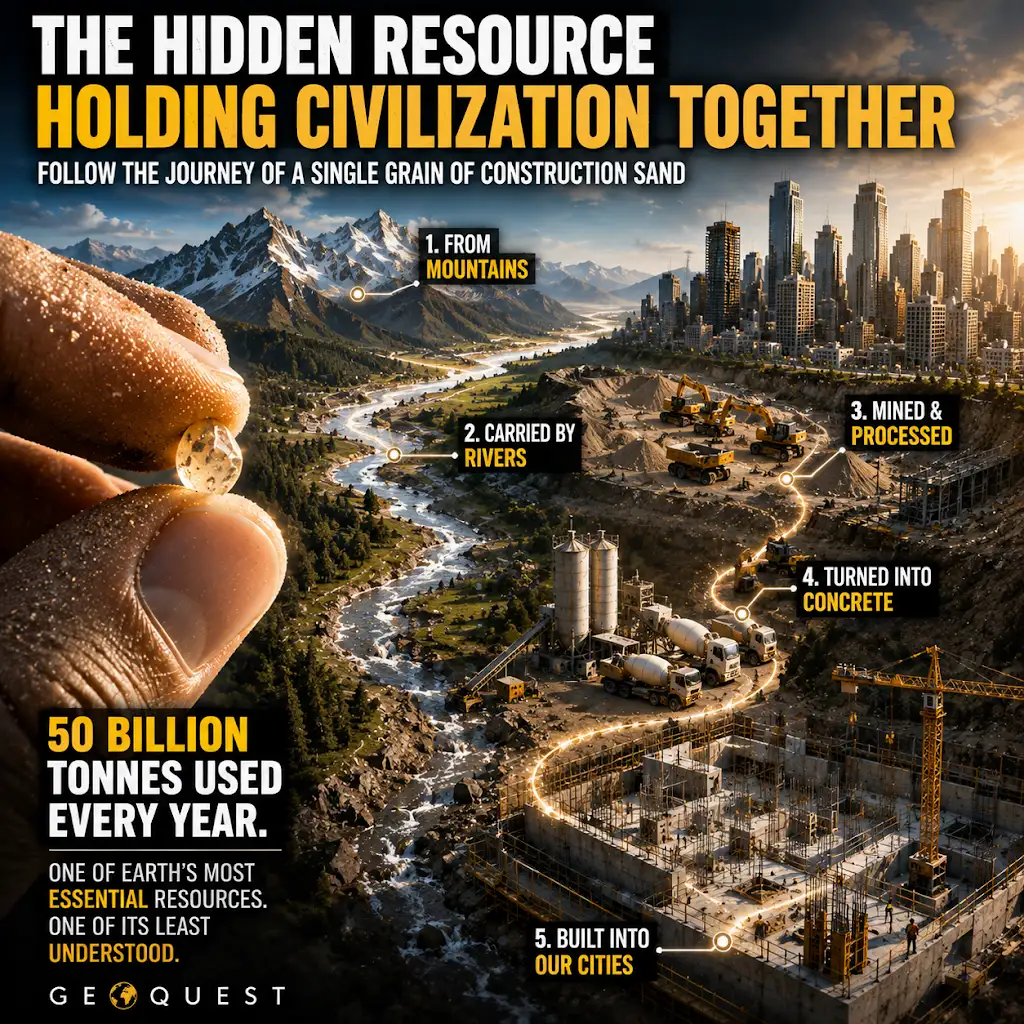
The Hidden Resource Holding Civilization Together

FAQs
What is an environmental documentary?
An environmental documentary is a film or video production that focuses on environmental issues, such as climate change, pollution, deforestation, and wildlife conservation. These documentaries aim to raise awareness, educate, and inspire action to address environmental challenges.
What are the benefits of watching environmental documentaries?
Watching environmental documentaries can increase awareness and understanding of environmental issues, inspire individuals to take action, and encourage discussions about potential solutions. These documentaries can also provide insight into the impact of human activities on the environment and the importance of conservation efforts.
How are environmental documentaries made?
Environmental documentaries are typically made by filmmakers, production companies, or environmental organizations. The process involves researching the chosen environmental issue, conducting interviews with experts and individuals affected by the issue, capturing footage of relevant locations or events, and editing the material into a cohesive and compelling narrative.
Where can I watch environmental documentaries?
Environmental documentaries can be found on various streaming platforms, such as Netflix, Amazon Prime, Hulu, and YouTube. They may also be available for purchase or rental on DVD or Blu-ray, and some may be screened at film festivals or special events.
What are some popular environmental documentaries?
Some popular environmental documentaries include “An Inconvenient Truth” (2006) directed by Davis Guggenheim, “Before the Flood” (2016) produced by Leonardo DiCaprio, “The Cove” (2009) directed by Louie Psihoyos, “Chasing Ice” (2012) directed by Jeff Orlowski, and “Our Planet” (2019) narrated by David Attenborough. These documentaries have garnered attention for their impactful storytelling and compelling visuals.