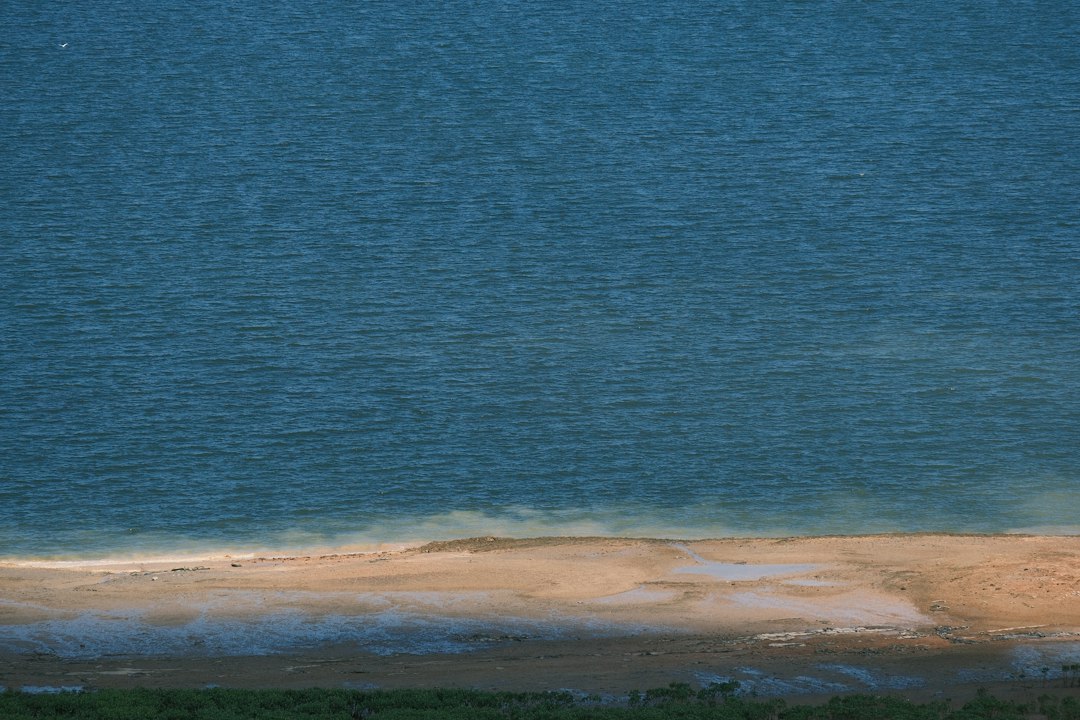
The parched earth around Lake Serenity had become a stark testament to its decline. Once a vibrant hub of biodiversity, its shores had receded dramatically, leaving behind cracked mudflats and a shimmering, hypersaline mirage. For decades, the delicate balance of its ecosystem had been eroding, threatened by a confluence of factors including prolonged drought, increased agricultural irrigation upstream, and the natural evaporation that a warming climate accelerated. Fish populations dwindled, aquatic plants withered, and the migratory birds that once flocked to its waters became a rare sight. The very air, once carrying the gentle scent of reeds and water, now tasted of dust and desperation. The once-placid surface, a mirror reflecting the boundless sky, now presented a desolate panorama, a stark reminder of what had been lost. Hope, however, was not entirely extinguished. A groundbreaking initiative, ambitious in scope and pioneering in its approach, was set in motion to resurrect this dying aquatic jewel: the reinjection of saline water.
Understanding the Salinity Crisis at Lake Serenity
The challenges facing Lake Serenity were multifaceted, each contributing to its accelerating demise. The natural salinity of the lake, while always present, had become a critical issue due to a severe disruption of its hydrological cycle. This was not a sudden catastrophe, but a slow, insidious decline that had been occurring over many years, gradually suffocating the life it once sustained. The intricate web of life that depended on Lake Serenity’s specific conditions began to unravel, leading to a cascade of negative ecological impacts.
The Interplay of Natural Evaporation and Human Impact
Lake Serenity, like many inland water bodies, was inherently susceptible to evaporation. The vast surface area, exposed to the relentless sun, meant that significant volumes of water were lost to the atmosphere daily. This natural process, however, was exacerbated by external pressures. In the surrounding agricultural regions, increased demand for irrigation water, driven by a growing population and the cultivation of water-intensive crops, led to substantial diversion of freshwater inflows that historically replenished the lake. This reduced the volume of fresh water entering Lake Serenity, leaving behind its dissolved salts, thereby increasing the overall salinity. The consequence was a vicious cycle: less freshwater inflow meant higher evaporation rates per unit of water, and higher evaporation rates meant more concentrated salts.
The Ecological Ramifications of Increased Salinity
The gradual increase in salinity had profound and detrimental effects on Lake Serenity’s flora and fauna. Most freshwater species have a narrow tolerance for salt concentration. As the lake’s salinity crept upwards, these species began to struggle. Fish species that were once abundant, such as the endemic Serenity Trout, found their osmoregulatory systems overwhelmed. They could no longer maintain the necessary balance of water and salts within their bodies, leading to dehydration, organ failure, and ultimately, death. This had a ripple effect throughout the food web, impacting predators that relied on these fish.
Similarly, aquatic plants, the foundation of the lake’s ecosystem, began to falter. Many species are highly sensitive to saline conditions and could not survive the changing water chemistry. Their decline meant a loss of habitat and food sources for a myriad of invertebrates, amphibians, and water birds. The once-lush reed beds, teeming with insect life and providing nesting grounds for waterfowl, became sparse and stunted. The entire biological community was forced to adapt or perish, and for many, adaptation was simply not possible. The shift in dominant species, if any, was towards those more tolerant of brackish or saline environments, leading to a less diverse and less resilient ecosystem.
Recent studies have highlighted the environmental implications of saline water reinjection into lakes, raising concerns about its impact on local ecosystems. For a deeper understanding of this topic and its potential consequences, you can read more in the article available at My Geo Quest. This resource provides valuable insights into the balance between water management practices and ecological preservation.
The Innovative Solution: Saline Water Reinjection
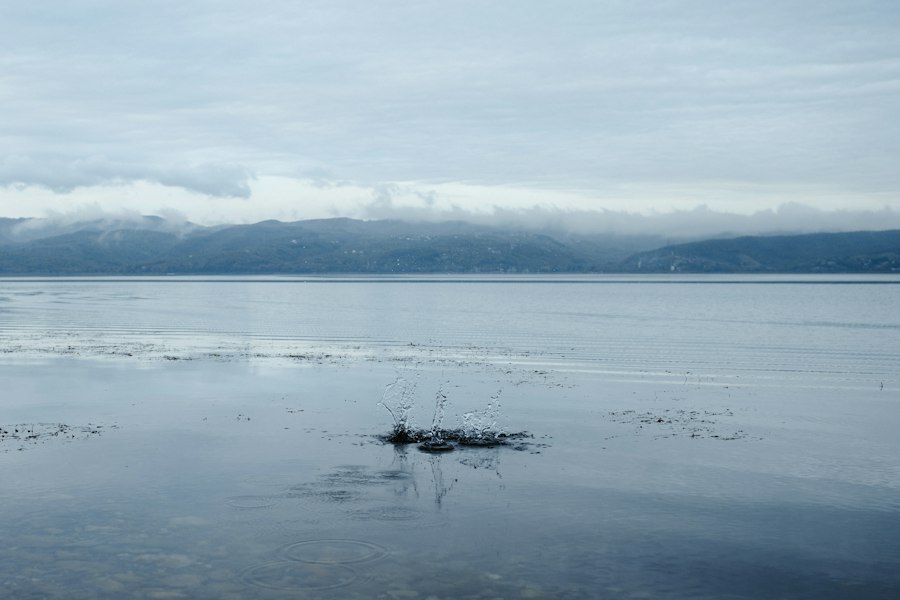
Facing the dire prognosis of Lake Serenity, scientists and environmental engineers embarked on an ambitious and unconventional project: the controlled reinjection of saline groundwater. This was not a measure to dilute the lake, but rather a strategic manipulation of its water balance, aiming to create conditions conducive to the re-establishment of a more balanced, albeit perhaps slightly brackish, ecosystem. The core principle was to leverage existing saline resources in a way that would indirectly benefit the surface lake.
Identifying and Accessing Saline Groundwater Aquifers
Beneath the parched lands surrounding Lake Serenity lay vast, untapped reservoirs of saline groundwater. These aquifers, often formed by ancient geological processes or trapped brines from subterranean salt deposits, were largely isolated from the surface hydrology and posed no immediate threat. The challenge was to safely and efficiently access these resources without causing further ecological disruption. Extensive geological surveys and hydrogeological modeling were undertaken to identify the most suitable aquifers. These studies focused on the depth, salinity levels, flow rates, and importantly, the potential connectivity to the surface lake and other vital freshwater sources. The goal was to find saline water that was geologically stable and would not introduce harmful contaminants or irreversibly alter the surrounding subsurface environment.
The Engineering Behind the Reinjection Process
The reinjection process itself was a marvel of modern engineering. A network of boreholes was drilled into the identified saline aquifers. These boreholes were designed to be robust, lined with materials resistant to corrosion from the briny water, and equipped with specialized pumps capable of handling the high salinity. The extracted saline water was then meticulously filtered and treated to remove any suspended solids or potential pollutants that could harm the lake’s delicate microbiome. The treated saline water was then transported via a carefully designed pipeline system and discharged into specific zones within the lake. The discharge points were strategically chosen to promote gradual mixing and to avoid creating localized zones of extreme salinity that could shock the existing, albeit stressed, aquatic life. The flow rate of the reinjected water was precisely controlled, calibrated to offset the net evaporation and maintain a desired water level, thereby stabilizing the lake’s surface area and providing a more consistent habitat.
Re-establishing Aquatic Habitats and Biodiversity
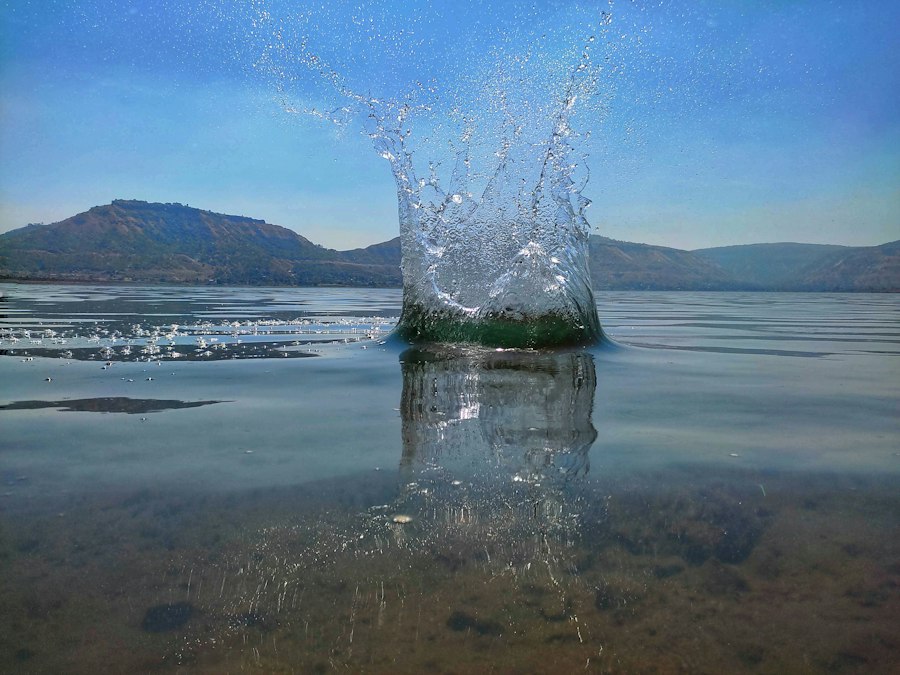
The immediate goal of the saline water reinjection was to stabilize Lake Serenity’s water level and reduce the extreme hypersalinity that had become its hallmark. This stabilization, achieved through offsetting evaporation, was the crucial first step in creating a more hospitable environment for the reintroduction of a carefully selected suite of flora and fauna. The focus was on species that could tolerate, or even thrive in, the slightly more brackish conditions that were expected to prevail.
Gradual Reintroduction of Halotolerant Species
The reinjection strategy was not about restoring Lake Serenity to its original freshwater state, but rather about fostering a new, resilient ecosystem capable of surviving in a semi-arid environment. This meant a deliberate focus on halotolerant, or salt-tolerant, species. These organisms have evolved mechanisms to cope with higher salt concentrations, making them ideal candidates for the revitalized lake. The reintroduction process began with microscopic organisms, such as certain species of algae and cyanobacteria, which form the base of the food web. Their successful establishment was a crucial indicator that the water chemistry was becoming more amenable to life.
Following the initial microbial colonization, efforts were directed towards introducing more complex organisms. This included specific species of invertebrates, such as brine shrimp and certain types of crustaceans, known for their ability to thrive in saline environments. These invertebrates served as a vital food source for higher trophic levels. The next phase involved the careful selection and introduction of fish species. Instead of the original freshwater trout, species like the Desert Pupfish or certain hardy tilapia varieties, known for their adaptability to brackish water, were chosen. These fish were sourced from controlled breeding programs to ensure genetic health and to minimize the risk of introducing invasive species or diseases. The aim was to create a sustainable food web, starting from the microscopic and working upwards.
Restoring Wetland Vegetation Zones
The restoration of wetland vegetation was equally critical. The barren shorelines needed to be re-inhabited by plants that could tolerate the fluctuating water levels and the increased salinity. Native wetland plant species known for their halophytic properties were selected. These included various species of saltgrass, rushes, and certain types of hardy reeds. Planting efforts were concentrated in the intertidal zones, areas that experienced periodic inundation and drying. These plants not only provided habitat and food for a variety of wildlife but also played a crucial role in stabilizing the lakebed, preventing erosion, and improving water quality through filtration. The establishment of these vegetation zones was a slow and painstaking process, often requiring repeated planting efforts and careful monitoring to ensure survival. The return of greenery to the barren shores was a visual indicator of the ecosystem’s progress.
Monitoring and Adaptive Management of the Restored Lake
The reinjection of saline water and the reintroduction of species were not a one-time event. The success of the Lake Serenity restoration project hinges on continuous monitoring and a flexible, adaptive management approach. The dynamic nature of ecosystems, especially those undergoing such significant restoration, necessitates constant observation and the willingness to adjust strategies as new information emerges.
Implementing a Comprehensive Monitoring Program
A sophisticated network of sensors was deployed throughout Lake Serenity and its surrounding groundwater systems. These sensors continuously collect data on a wide range of parameters, including water salinity, pH levels, dissolved oxygen, water temperature, and nutrient concentrations. In addition, regular surveys are conducted to assess the populations of key indicator species, both flora and fauna. This includes tracking the abundance and diversity of plankton, invertebrates, fish, and waterfowl. Water samples are routinely collected and analyzed in laboratories to provide detailed chemical profiles. Furthermore, ecological surveys are conducted to map the extent and health of the restored wetland vegetation. This comprehensive data collection provides a real-time picture of the lake’s health and the effectiveness of the ongoing restoration efforts.
Adapting Strategies Based on Ecological Feedback
The data gathered from the monitoring program is not merely recorded; it is actively used to inform decision-making. If, for instance, salinity levels begin to deviate unexpectedly from the target range, the rate of saline water reinjection might be adjusted. Should the population of a particular reintroduced species fail to thrive, scientists will investigate the underlying causes, which could range from inadequate food sources to unforeseen environmental stressors, and then implement corrective actions. This might involve introducing supplementary food sources, modifying water flow patterns, or even re-evaluating the suitability of the reintroduced species itself. The project’s management team operates on the principle of adaptive management, recognizing that ecosystems are complex and unpredictable. This iterative process of monitoring, evaluation, and adjustment ensures that the restoration efforts remain aligned with the overarching goal of creating a stable and thriving, albeit brackish, ecosystem.
Recent studies have highlighted the environmental impacts of saline water reinjected into lakes, raising concerns about the potential effects on local ecosystems. For a deeper understanding of this topic, you can explore a related article that discusses the implications of such practices in detail. This article provides valuable insights into the balance between water management and ecological preservation. To read more about it, visit this informative piece.
Long-Term Vision and Broader Implications
| Metric | Value | Unit | Description |
|---|---|---|---|
| Volume of Saline Water Re-injected | 500,000 | m³/year | Annual volume of saline water re-injected into the lake |
| Salinity Concentration | 35 | ppt (parts per thousand) | Average salinity of the re-injected water |
| Temperature of Re-injected Water | 25 | °C | Average temperature of saline water at injection point |
| Injection Depth | 10 | meters | Depth at which saline water is re-injected into the lake |
| pH Level | 7.8 | pH units | pH of the saline water being re-injected |
| Impact on Lake Salinity | +2 | ppt/year | Annual increase in lake salinity due to re-injection |
| Ecological Impact Score | Moderate | N/A | Assessment of ecological impact from saline water re-injection |
The success of the Lake Serenity saline water reinjection project holds profound implications, not only for the immediate region but for the broader challenges of water management and ecosystem restoration in arid and semi-arid environments worldwide. It represents a paradigm shift in how we approach ecological recovery, moving beyond conventional, often resource-intensive, methods to embrace innovative solutions that leverage existing, and sometimes overlooked, natural resources.
Securing Water Resources in Arid Climates
The ability to tap into and strategically utilize saline groundwater offers a crucial lifeline for regions grappling with severe water scarcity. As climate change intensifies drought conditions and competition for freshwater resources escalates, many communities will find themselves with dwindling freshwater supplies. The Lake Serenity model demonstrates that previously considered unusable saline aquifers can be harnessed to maintain vital water bodies and support ecological functions. This opens up new avenues for water security, allowing for the preservation of wetlands, the support of agricultural practices, and the provision of ecosystem services in areas where traditional freshwater sources are no longer sufficient. The key lies in responsible extraction and careful management to avoid unintended consequences, such as the salinization of freshwater aquifers or land subsidence.
A Model for Ecosystem Restoration in Challenged Environments
The reinjection of saline water at Lake Serenity is more than just a local conservation effort; it is a potential blueprint for ecosystem restoration in numerous similarly challenged environments around the globe. Many lakes and wetlands worldwide are facing similar threats from climate change, unsustainable water use, and pollution, leading to increased salinity and ecological degradation. The innovative approach demonstrated here provides a tangible and potentially scalable solution. It encourages a rethink of what constitutes a “restored” ecosystem, acknowledging that some environments may need to adapt to new conditions rather than be returned to a historical baseline. By focusing on resilience and the re-establishment of functional ecological communities, even in altered water chemistry, this project offers a beacon of hope for the future of aquatic ecosystems facing unprecedented environmental pressures. The lessons learned from Lake Serenity can empower conservationists and policymakers to implement similar ambitious restoration initiatives, fostering biodiversity and ecological health in a changing world.

Lake Kivu’s Methane Powers Rwanda—What’s Changing Below?
FAQs
1. What is the process of reinjecting saline water into a lake?
The process involves taking saline water, typically from industrial processes or desalination plants, and injecting it back into a lake or body of water. This can help manage the salinity levels in the lake and prevent environmental damage.
2. What are the benefits of reinjecting saline water into a lake?
Reinjecting saline water into a lake can help maintain the ecological balance of the lake by preventing the buildup of salt levels. It can also reduce the environmental impact of disposing of saline water in other ways.
3. Are there any potential drawbacks to reinjecting saline water into a lake?
While reinjecting saline water into a lake can have benefits, there are potential drawbacks to consider. This process may alter the natural salinity levels of the lake, impacting the ecosystem. It is important to carefully monitor the effects of reinjection on the lake’s environment.
4. How is the quality of the saline water ensured before reinjection into a lake?
Before saline water is reinjected into a lake, it undergoes treatment to ensure that it meets environmental standards. This may include filtration, desalination, or other purification processes to remove any harmful contaminants.
5. Are there regulations in place for reinjecting saline water into lakes?
Regulations regarding the reinjection of saline water into lakes vary by region. In many cases, permits and environmental impact assessments are required to ensure that the process is conducted safely and in compliance with environmental regulations.