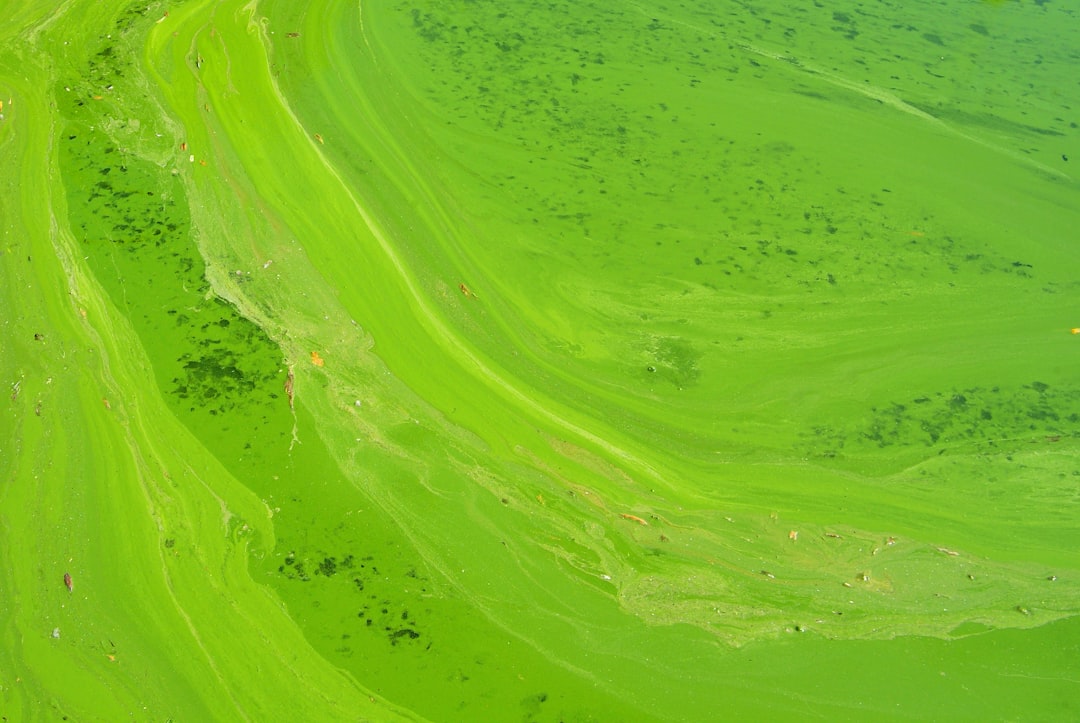
Saginaw Bay, a significant freshwater estuary on Lake Huron, has been increasingly affected by harmful algal blooms (HABs). These blooms, primarily composed of cyanobacteria, pose a threat to the ecosystem and human health. Extensive research efforts have been undertaken to understand the causes, impacts, and potential mitigation strategies for these recurring events. This article synthesizes key findings from various research initiatives, focusing on the data that illuminates the dynamics of Saginaw Bay HABs.
The Growing Concern of Saginaw Bay HABs
Harmful algal blooms are a persistent and escalating issue in many freshwater systems, and Saginaw Bay is no exception. The increased frequency and intensity of HABs in this region have prompted considerable scientific investigation.
Historical Trends and Escalation
Historically, Saginaw Bay has experienced algal growth, but the character and impact of recent blooms have shifted significantly. Early observations lacked the detailed monitoring and analytical capabilities of today, making direct comparisons challenging. However, anecdotal evidence and less comprehensive data suggest a qualitative and quantitative change, with blooms becoming larger, more persistent, and more often dominated by toxin-producing cyanobacteria species.
Early Observations and Reporting
Records from the mid-20th century often describe periods of increased algae, sometimes referred to as “water blooms.” These reports were typically qualitative, focusing on visual observations of water discoloration and occasional fish kills. The specific species involved and the underlying environmental drivers were not well understood at the time.
The Rise of Cyanobacteria Dominance
In recent decades, research has consistently identified cyanobacteria as the dominant group during bloom events in Saginaw Bay. Specific genera, such as Microcystis, Dolichospermum (formerly Anabaena), and Planktothrix, are frequently implicated. The shift towards cyanobacteria is significant due to their potential to produce potent toxins like microcystins.
Environmental Stressors and Precursors
The development and proliferation of HABs are multifactorial, driven by a complex interplay of environmental stressors. Research in Saginaw Bay has identified several key factors contributing to the problem.
Nutrient Loading: Phosphorus and Nitrogen
Nutrient pollution, particularly from phosphorus and nitrogen, is widely recognized as the primary driver of eutrophication and subsequent HABs in freshwater systems. Saginaw Bay receives significant inputs of these nutrients from surrounding agricultural lands, urban wastewater treatment, and atmospheric deposition.
Agricultural Runoff
Saginaw Bay’s watershed is heavily influenced by agriculture. Fertilizers applied to crops can be washed into waterways through surface runoff and tile drainage, carrying substantial amounts of phosphorus and nitrogen. Studies have quantified the contribution of diffuse agricultural sources to total nutrient loads entering the bay.
Urban and Industrial Effluents
Wastewater treatment plants and industrial discharges also contribute to nutrient loading. Although regulations have aimed to reduce these point sources, their cumulative impact, especially during certain flow conditions, remains a concern.
Atmospheric Deposition
While often a secondary source compared to agricultural runoff, atmospheric deposition of nitrogen can also play a role in the nutrient balance of the bay, especially in areas with less direct surface runoff.
Water Temperature and Stratification
Water temperature is a critical factor influencing cyanobacterial growth rates. Warmer water temperatures, often associated with climate change, favor the proliferation of many cyanobacteria species over other phytoplankton.
Seasonal Temperature Patterns
Research has documented a correlation between elevated water temperatures during summer months and the onset and intensity of HABs in Saginaw Bay. Monitoring data shows a clear trend of warmer summers coinciding with more severe bloom events.
Thermal Stratification
The formation of thermal stratification in the bay, where a warm surface layer is separated from a colder bottom layer, can trap nutrients in the upper water column and create conditions favorable for cyanobacterial buoyancy, allowing them to concentrate at the surface. This stratification is influenced by wind patterns and water depth.
Hydrological Conditions and Residence Time
Water flow and residence time within the bay also play a role. Lower flow rates and longer residence times can allow nutrients to accumulate and conditions to become more stagnant, promoting bloom development.
Influence of Riverine Inputs
The discharge from rivers like the Saginaw River is a primary pathway for nutrient delivery to the bay. Variations in river flow, driven by precipitation and snowmelt, directly impact the nutrient concentrations and flushing rates within the estuary.
Wind-Driven Circulation Patterns
Wind patterns are crucial in mixing and circulating water within Saginaw Bay. Strong winds can prevent stratification and disperse algal populations, while calmer periods can lead to accumulation.
Recent research on harmful algal blooms in Saginaw Bay has highlighted the urgent need for effective monitoring and management strategies to address this growing environmental concern. For more in-depth insights and data related to this topic, you can explore a related article that discusses the implications of these blooms on local ecosystems and water quality. To read more, visit this article.
The Ecological and Toxicological Impacts of Saginaw Bay HABs
The presence of HABs in Saginaw Bay has significant consequences for the aquatic ecosystem and can pose risks to human and animal health. Research has focused on understanding these multifaceted impacts.
Impacts on Aquatic Biodiversity
HABs can alter the structure and function of the aquatic food web, leading to declines in desirable fish populations and shifts in species composition.
Competition with Native Phytoplankton
Cyanobacteria, particularly during bloom conditions, can outcompete native phytoplankton species for essential nutrients and light. This can lead to a reduction in the diversity and abundance of beneficial algae that form the base of the food web for zooplankton and fish.
Oxygen Depletion and Hypoxia
The massive die-off and decomposition of algal blooms consume large amounts of dissolved oxygen in the water. This can lead to hypoxic (low oxygen) or anoxic (no oxygen) conditions, creating “dead zones” that are uninhabitable for many aquatic organisms, including fish and invertebrates.
Seasonal Hypoxia Events
Research has documented seasonal oxygen depletion in the bottom waters of Saginaw Bay, particularly in areas where HABs are prevalent and subsequent decomposition is significant. These events can impact benthic organisms and fish spawning grounds.
Food Web Disruptions
The shift in phytoplankton composition towards less palatable or even toxic cyanobacteria can have cascading effects up the food chain. Zooplankton may consume fewer or no cyanobacteria, leading to a decline in their populations, which in turn affects fish that feed on them.
Cyanotoxin Production and Health Risks
A primary concern with HABs in Saginaw Bay is the production of cyanotoxins. These potent toxins can have severe effects on both wildlife and human health.
Microcystin Contamination
Microcystins are a group of cyclic peptides produced by many bloom-forming cyanobacteria. Research has extensively monitored microcystin concentrations in Saginaw Bay waters and biota.
Water Column Monitoring
Regular sampling of the water column has revealed varying levels of microcystins, often correlating with the density and composition of cyanobacterial blooms. Studies have aimed to identify peak concentrations and their spatio-temporal distribution.
Bioaccumulation in Aquatic Organisms
Microcystins can accumulate in various aquatic organisms, including fish and shellfish. Research has investigated the pathways and extent of bioaccumulation, which can lead to indirect exposure for humans and animals consuming contaminated seafood.
Other Cyanotoxin Concerns
While microcystins are the most frequently monitored, other cyanotoxins, such as anatoxins and saxitoxins, can also be produced by some cyanobacterial species. Research is ongoing to assess the prevalence and risk associated with these less common toxins in Saginaw Bay.
Neurotoxins and Liver Toxins
The different types of cyanotoxins have varying toxicological effects, with some acting as potent neurotoxins and others primarily affecting the liver. Understanding these specific mechanisms is crucial for risk assessment.
Human Exposure Pathways
Human exposure to cyanotoxins can occur through various routes, including ingestion of contaminated drinking water, consumption of contaminated fish and shellfish, and dermal contact during recreational activities.
Drinking Water Intakes
Public drinking water intakes located within or downstream of Saginaw Bay are particularly vulnerable. Research has focused on the effectiveness of water treatment processes in removing cyanotoxins.
Recreational Water Use
Recreational activities such as swimming, boating, and fishing can lead to direct exposure. Public health advisories are often issued when toxin levels exceed safe thresholds.
Research Methodologies and Data Collection
The understanding of Saginaw Bay HABs is built upon a foundation of rigorous scientific investigation employing a variety of methodologies and data collection strategies.
Recent research on harmful algal blooms in Saginaw Bay has highlighted the urgent need for effective monitoring and management strategies. This study sheds light on the environmental factors contributing to the proliferation of these blooms, which pose significant risks to aquatic life and human health. For a deeper understanding of the ongoing efforts to address this issue, you can read more in a related article that discusses the implications of these findings and potential solutions. Check out the full article here for further insights into this critical environmental challenge.
Remote Sensing and Satellite Imagery
Satellite imagery provides a broad-scale, synoptic view of HAB presence and distribution across the bay, enabling large-scale monitoring and trend analysis.
Chlorophyll-a Concentration Mapping
Satellite sensors can detect chlorophyll-a, a pigment present in all algae, and are used to estimate phytoplankton biomass. High chlorophyll-a concentrations are indicative of algal blooms.
Temporal Resolution and Spatial Coverage
The temporal frequency and spatial coverage of satellite data allow for the tracking of bloom development and movement over time and across the entire bay.
Cyanobacteria-Specific Indices
Advanced algorithms and sensor technologies allow for the estimation of cyanobacterial abundance specifically, distinguishing it from other types of algae based on spectral signatures.
Differentiating Cyanobacteria from Other Algae
Research utilizes spectral analysis to identify the unique optical properties of cyanobacteria, allowing for more precise estimates of their contribution to overall algal biomass.
In-Situ Water Quality Monitoring
Ground-based monitoring efforts provide crucial ground-truthing for remote sensing data and offer detailed information on water chemistry and biological parameters.
Fixed Monitoring Stations and Transects
Deployment of sensors at fixed locations and along predetermined transects allows for continuous or frequent sampling of key water quality parameters.
Physical and Chemical Parameters
Measurements commonly include water temperature, dissolved oxygen, pH, turbidity, and concentrations of nutrients like phosphorus and nitrogen.
Phytoplankton Community Analysis
Water samples are collected and analyzed microscopically to identify and quantify different phytoplankton species, including dominant cyanobacteria.
Citizen Science Initiatives
Engaging the public in data collection can expand the spatial and temporal coverage of monitoring efforts, providing valuable supplementary data.
Community-Based Water Sampling
Citizen scientists are trained to collect water samples and record observations, which can be integrated into broader research programs.
Visual Observation Networks
Reporting of visible bloom events by citizens or trained observers can help identify areas of concern and guide further scientific investigation.
Molecular and Genetic Analysis
Advanced molecular techniques provide deeper insights into the composition and potential toxicity of algal populations.
DNA and RNA-Based Identification
Molecular methods can identify cyanobacterial species based on their genetic material, offering a more precise taxonomic identification than microscopy alone.
Identifying Toxin-Producing Strains
Genetic analysis can detect the presence of genes responsible for producing specific cyanotoxins, allowing for early identification of potentially harmful blooms.
Metagenomics and Metatranscriptomics
These techniques provide a snapshot of the entire genetic or expressed genetic material within a water sample, revealing the diversity of microbial communities and their functional potential, including toxin production capabilities.
Functional Gene Analysis
Research can identify specific genes related to nutrient uptake, photosynthesis, and toxin synthesis within the bloom community, offering insights into bloom dynamics and toxicity.
Future Research Directions and Management Strategies
The ongoing research into Saginaw Bay HABs is not merely academic; it is directly informing strategies to mitigate their impacts and improve the health of the ecosystem.
Advanced Predictive Modeling
Developing sophisticated models is crucial for forecasting bloom development and intensity, allowing for proactive management and public advisories.
Integrating Environmental Variables
Models incorporate data on nutrient loads, water temperature, wind patterns, and hydrology to predict bloom formation and spread.
Machine Learning and AI Applications
Emerging technologies like machine learning and artificial intelligence are being explored to improve the accuracy and responsiveness of predictive models.
Forecasting Bloom Severity and Timing
The goal is to provide early warnings to water managers, public health officials, and the public about potential HAB events.
Nutrient Reduction Strategies
Addressing the root cause of HABs requires effective strategies to reduce nutrient inputs into Saginaw Bay.
Watershed Management and Best Practices
Implementing best management practices in agriculture, such as conservation tillage, buffer strips, and optimized fertilizer application, is critical.
Targeted Phosphorus Reduction Programs
Specific programs focusing on reducing phosphorus loads from agricultural sources have been a key component of management efforts.
Upgrading Wastewater Treatment Infrastructure
Ensuring that urban wastewater treatment plants are equipped to effectively remove nutrients before discharge into waterways is essential.
Advanced Nutrient Removal Technologies
Research and implementation of advanced nutrient removal technologies in wastewater treatment are being prioritized.
Ecosystem Restoration and Resilience
Beyond nutrient reduction, efforts to enhance the overall resilience of the Saginaw Bay ecosystem can help it better withstand and recover from HAB events.
Restoring Wetlands and Riparian Zones
Wetlands and riparian vegetation act as natural filters, trapping nutrients and sediment before they reach the bay.
Bio-retention and Filtration Benefits
These natural systems can significantly attenuate nutrient loads and improve water quality.
Promoting Native Aquatic Vegetation
Healthy populations of native aquatic plants can help stabilize sediments and improve water clarity, potentially outcompeting some bloom-forming algae.
Competition with Invasive and Harmful Species
Restoring native plant communities can create a more balanced ecosystem that is less susceptible to dominant, harmful algal proliferations.
Public Health Communication and Response
Effective communication and rapid response protocols are vital to protect public health during HAB events.
Early Warning Systems and Public Advisories
Establishing and maintaining robust early warning systems and disseminating timely and clear public advisories are paramount.
Risk Communication Strategies
Developing effective strategies for communicating the risks associated with HABs to the public is an ongoing effort.
Public Education and Outreach
Educating the public about the causes and impacts of HABs and the steps they can take to reduce their exposure is crucial for long-term management.
Promoting Responsible Land Use Practices
Encouraging and supporting responsible land use practices throughout the watershed can empower individuals and communities to contribute to solutions.
The comprehensive research conducted on Saginaw Bay harmful algal blooms has provided invaluable data, illuminating the complex interplay of factors driving these events. From the foundational understanding of nutrient loading and environmental conditions to the detailed assessment of ecological and toxicological impacts, the scientific community has made significant strides. This data-driven approach is essential for developing effective and sustainable strategies to mitigate the risks posed by HABs, protect the health of the Saginaw Bay ecosystem, and safeguard public well-being. Continued vigilance, integrated research efforts, and collaborative management initiatives will be critical in addressing this persistent environmental challenge.
FAQs
What are harmful algal blooms (HABs) in Saginaw Bay?
Harmful algal blooms are rapid growths of algae that can produce toxins harmful to humans, animals, and the environment. In Saginaw Bay, HABs are primarily caused by excess nutrients from agricultural runoff and urban sources, leading to the overgrowth of algae.
What are the potential health and environmental impacts of HABs in Saginaw Bay?
HABs can produce toxins that can contaminate drinking water, cause skin irritation, and harm aquatic life. Additionally, the decomposition of algal blooms can deplete oxygen in the water, leading to fish kills and other negative impacts on the ecosystem.
What research data has been collected on harmful algal blooms in Saginaw Bay?
Research data on HABs in Saginaw Bay includes monitoring of nutrient levels, algal biomass, toxin production, and the impacts on water quality and aquatic life. This data helps scientists understand the causes and effects of HABs and develop strategies for prevention and mitigation.
What measures are being taken to address harmful algal blooms in Saginaw Bay?
Efforts to address HABs in Saginaw Bay include reducing nutrient runoff through agricultural best management practices, improving wastewater treatment, and implementing monitoring and early warning systems to detect and respond to HABs.
How can the public help prevent harmful algal blooms in Saginaw Bay?
The public can help prevent HABs by reducing nutrient runoff from their properties, properly disposing of household chemicals, supporting policies and practices that protect water quality, and staying informed about HABs and their potential impacts.