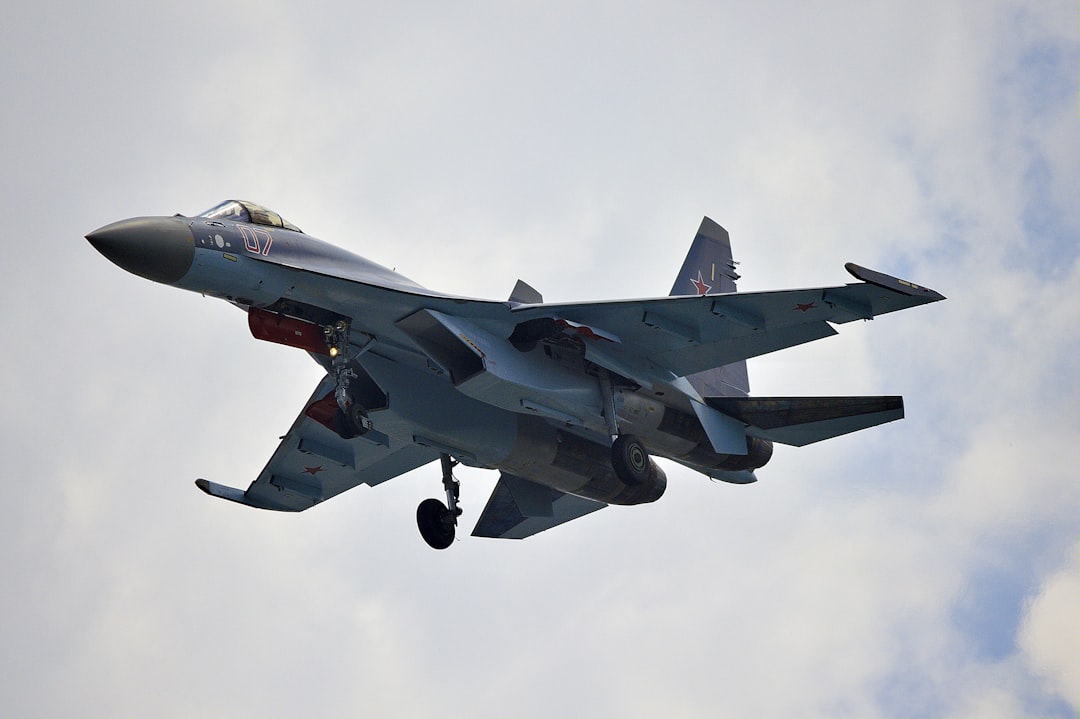
Russia’s military posture, perpetually scrutinized by global observers, is undergoing a profound transformation. Far from static, the nation’s defense strategy is a dynamic entity, continuously adapting to perceived threats and technological advancements. The ongoing conflict in Ukraine has acted as both a crucible and a catalyst, forcing a reevaluation of doctrines, operational methodologies, and materiel acquisition. This evolution is not merely about incremental upgrades; it represents a fundamental recalibration aimed at securing Russia’s interests in an increasingly complex and confrontational geopolitical landscape. The 2027–2036 State Armament Programme and recent doctrinal shifts underscore a commitment to a modernized, technologically advanced, and more adaptable fighting force.
At the heart of Russia’s defense strategy lies an unwavering commitment to its nuclear deterrent. The 2027–2036 State Armament Programme emphatically prioritizes the “full modernization of its nuclear triad (land, sea, air).” This is not a rhetorical flourish but a tangible investment in the bedrock of Russia’s national security architecture. The rationale is clear: in an era of escalating global tensions and the perceived erosion of conventional military superiority against concentrated NATO strength, nuclear weapons remain the ultimate guarantor of sovereignty and deterrence.
Land-Based Deterrence: Intercontinental Ballistic Missiles
The land leg of the triad, consisting of intercontinental ballistic missiles (ICBMs), is undergoing a significant overhaul. Russia has long relied on its vast land-based missile forces, and the new program ensures their continued relevance. This involves the development and deployment of new generations of ICBMs, likely incorporating advanced features such as maneuverable re-entry vehicles (MaRVs) designed to complicate missile defense systems and multiple independently targetable re-entry vehicles (MIRVs) to increase the destructive potential of each launch. Furthermore, efforts are being made to modernize the existing silo infrastructure and mobile launcher fleets, ensuring survivability and readiness. The emphasis is on maintaining a credible, resilient, and technologically superior land-based deterrent that can withstand pre-emptive strikes and deliver a devastating retaliatory blow. This modernization directly supports the updated nuclear doctrine, which emphasizes “assertive deterrence” by ensuring the survivability and readiness of these strategic assets.
Sea-Based Deterrence: The Submarine Force
The Russian Navy’s strategic submarine force is equally central to the modernization effort. The program aims to replace aging nuclear-powered ballistic missile submarines (SSBNs) with new, more advanced vessels. These new submarines will likely incorporate enhanced stealth technologies, quieter propulsion systems, and increased weapon payloads, making them even more difficult to detect and track. The integration of new generations of submarine-launched ballistic missiles (SLBMs) with greater range and accuracy further bolsters deterrence. The development of Borei-A class submarines, for instance, represents a significant leap forward, projecting enduring sea-based power. The mobility and survivability of the submarine force make it a critical component of Russia’s second-strike capability, a core tenet of its nuclear doctrine.
Air-Based Deterrence: Strategic Bombers and Missiles
The modernization of Russia’s strategic bomber fleet and the associated missile systems is essential to maintaining a balanced nuclear triad. This includes the upgrading of existing long-range bomber aircraft, such as the Tu-160M Blackjack and Tu-95MS Bear, with new avionics, engines, and electronic warfare systems. Crucially, the program emphasizes the development of new air-launched cruise missiles (ALCMs) with extended ranges and advanced targeting capabilities, including hypersonic variants. This dual approach, modernizing both the delivery platforms and the payloads, ensures that Russia can project nuclear force from the air, even in heavily defended airspace. The survivability of these bombers and their ability to penetrate enemy air defenses are paramount considerations.
In recent discussions surrounding Russian defense strategy, an insightful article that delves into the complexities of military tactics and geopolitical implications can be found at this link: Russian Defense Strategy: An In-Depth Analysis. This piece explores the evolution of Russia’s military doctrine and its impact on global security dynamics, providing a comprehensive overview for those interested in understanding the current landscape of international relations.
Adapting to the Modern Battlefield: Ukraine War Lessons Learned
The brutal realities of the conflict in Ukraine have provided a stark, albeit costly, proving ground for Russia’s military. The defense strategy is actively integrating the hard-won lessons from this protracted engagement, with a particular focus on enhancing the effectiveness of ground forces in a contested environment. This integration is not theoretical; it is shaping procurement, training, and organizational structures.
Mobility and Agility: Small, Agile Ground Units
A significant recalibration is observed in the emphasis on “mobility, automation, and precision artillery” for “small, agile ground units.” The traditional reliance on large, mechanized formations capable of deep advances has been re-examined in light of lessons learned regarding vulnerability to drones, precision munitions, and entrenched defensive positions. The new approach favors smaller, more adaptable units that can operate with greater independence and exploit tactical opportunities quickly. This requires a shift in training paradigms, emphasizing junior leader initiative and decentralized command and control. The goal is to create forces that are harder to target and more effective in complex terrain and urban environments.
The Ascendance of Drone Warfare
The pervasive and devastating impact of drones on the battlefield has not been lost on Russian strategists. The established “Unmanned Systems Forces (USF)” represent a proactive response to this evolving threat. The creation of this new branch signifies a strategic commitment to mastering and deploying unmanned aerial vehicles (UAVs) across the spectrum of military operations. This includes the formation of multiple regiments within regional fleets, indicating a widespread integration of drone capabilities. The focus is not just on reconnaissance and surveillance; the development of “kinetic anti-drone measures” and “AI-controlled drones” points towards offensive applications, including the ability to neutralize enemy drones and conduct targeted strikes autonomously or semi-autonomously. Furthermore, the mention of “large cargo logistics drones” highlights a forward-looking approach to supply chain management, aiming to enhance the sustainability of operations in remote or contested areas.
Precision Strike and Electronic Warfare
The war in Ukraine has underscored the critical importance of precision artillery and electronic warfare (EW). Russia is investing heavily in both areas. The precision artillery aspect involves the development and deployment of more accurate munitions, enhanced targeting systems, and improved fire control. This allows for greater stand-off capability and reduced collateral damage while still achieving decisive battlefield effects. Simultaneously, a significant emphasis is placed on electronic warfare. This encompasses jamming enemy communications, disrupting drone control systems, and protecting friendly networks. The development of advanced EW systems is seen as a force multiplier, capable of degrading adversary capabilities without resorting to kinetic force, thus offering a more nuanced approach to conflict. The integration of these capabilities into small, agile units is a key objective.
The Digital Frontier: Mobilization and Industrial Capacity

The successful execution of Russia’s defense strategy in the 21st century is inextricably linked to its ability to leverage digital technologies for mobilization and to maintain and expand its defense industrial base. The concept of “digital mobilization” is transforming how Russia raises and sustains its military forces.
Digital Mobilization Infrastructure
The implementation of the “Russian Unified Registry for Military Registration” is a significant step towards digitizing and streamlining the conscription process. This system aims to create a comprehensive and up-to-date database of all eligible individuals, enabling faster and more efficient mobilization of both conscripts and reservists. The digital infrastructure allows for more precise selection of personnel based on skills and experience, reducing the inefficiencies associated with traditional paper-based systems. This improved capacity for mobilization is crucial for sustaining prolonged military operations and for rapidly expanding the armed forces in times of heightened national security concerns. It signals a commitment to maintaining a large and accessible pool of trained personnel.
Defense Industrial Base Reforms and Sanctions Evasion
Despite facing unprecedented sanctions, Russia’s defense industrial base is demonstrating a remarkable capacity for adaptation and expansion. The program is actively scaling up the production of key armaments, particularly missiles and drones. This has been achieved through a combination of strategies, including sanctions evasion techniques, the domestic production of crucial components and raw materials, such as explosives like hexogen (RDX), and the cultivation of new international partnerships. The mention of collaborations with North Korea, Iran, and China highlights Russia’s ability to secure essential resources and technologies that are otherwise inaccessible. This resilience in the defense industry is vital for sustaining the war effort in Ukraine and for equipping the modernized armed forces envisioned by the 2027–2036 State Armament Programme.
The Future of Warfare: AI and Robotics

Looking beyond immediate conflicts, Russia’s defense strategy places a significant emphasis on the integration of cutting-edge technologies, particularly artificial intelligence (AI) and robotics. The “MoD’s 2036 roadmap” explicitly prioritizes these areas as foundational to achieving “future military dominance.” This forward-looking approach recognizes that the nature of warfare is rapidly evolving, and nations that fail to embrace these advancements risk falling behind.
Strategic AI and Robotics Focus
The integration of AI into military systems offers a range of potential benefits, from enhanced intelligence analysis and decision-making support to autonomous weapon systems and intricate battlefield logistics. Russia’s focus on AI is likely aimed at improving the effectiveness of its forces through faster target acquisition, more sophisticated command and control, and the development of unmanned systems that can operate with a higher degree of autonomy. Robotics, in parallel, offers the prospect of replacing human soldiers in high-risk environments, improving force protection, and expanding operational capabilities. This could include everything from robotic scouts and demining units to automated combat platforms. The investment in these areas signifies a long-term vision for a technologically superior military.
Space-Based Capabilities
The roadmap also includes a focus on “space-based capabilities.” In modern warfare, control of the space domain is increasingly critical. This encompasses intelligence, surveillance, and reconnaissance (ISR) satellites, secure communication networks, and potentially space-based weapons. Russia’s emphasis on this area suggests a recognition of the importance of maintaining a strategic advantage in orbit, which can provide crucial support for terrestrial operations and enhance overall situational awareness. The integration of AI and robotics with space-based assets could lead to even more potent and integrated military capabilities, further solidifying Russia’s ambition for future military dominance.
In recent discussions about Russian defense strategy, it is essential to consider the evolving geopolitical landscape and its implications for military readiness. A related article that delves into these dynamics can be found at My Geo Quest, where experts analyze how Russia’s military posture is adapting to new threats and opportunities. This comprehensive examination provides valuable insights into the strategic decisions shaping the future of defense in the region.
Global Force Posturing: Preparing for Broader Confrontation
| Aspect | Metric |
|---|---|
| Military Budget | 65.1 billion (2020) |
| Active Military Personnel | 1,013,628 (2020) |
| Tanks | 12,950 (2020) |
| Aircraft | 4,163 (2020) |
| Nuclear Warheads | 6,375 (2020) |
Russia’s evolving defense strategy extends beyond its immediate borders, encompassing a deliberate and strategic global force posturing. This is indicative of a broader geopolitical ambition and a preparation for sustained confrontation with NATO.
Kaliningrad Reserve Units and African Presence
The formation of “reserve units in Kaliningrad” is a geographically significant move, bolstering Russia’s military presence in the strategically vital Baltic exclave. This strengthens its ability to project power and deter potential threats in a region marked by heightened NATO activity. Simultaneously, Russia is actively expanding its influence in Africa and the Middle East through channels like the state-controlled “Africa Corps.” This expansion is not merely about humanitarian aid or economic partnerships; it represents a strategic effort to gain military footholds, secure resource access, and project Russian power in regions traditionally influenced by Western powers. This global deployment signals a willingness to engage in proxy conflicts and establish a broader sphere of influence, directly contributing to its preparation for a more expansive confrontation with NATO.
Assertive Deterrence and NATO Confrontation
The overarching theme connecting these diverse aspects of Russia’s evolving defense strategy is a clear commitment to “assertive deterrence.” Updates to Russia’s nuclear strategy in 2024 and 2025 explicitly emphasize “assertive deterrence,” with a focus on credible nuclear threats as the “backbone of security in an era of escalating NATO confrontation.” This indicates a strategic philosophy that seeks to deter adversaries not through passive defense, but through a demonstrated willingness and capability to employ overwhelming force if necessary. The integration of lessons from Ukraine, the modernization of its conventional and nuclear forces, the embrace of new technologies, and the strategic global posturing all contribute to this overarching objective of deterring NATO and securing Russia’s perceived national interests on its own terms. The nation’s defense strategy is thus a multifaceted response to a complex and challenging geopolitical environment, marked by a proactive and assertive approach to security.

Why Russia Can Never Feel Safe
FAQs
What is the current Russian defense strategy?
The current Russian defense strategy, as outlined in the country’s military doctrine, focuses on maintaining a credible nuclear deterrent, modernizing its armed forces, and protecting its national interests.
What are the key components of Russia’s defense strategy?
The key components of Russia’s defense strategy include the development and deployment of advanced military technologies, the strengthening of its strategic nuclear forces, and the enhancement of its conventional military capabilities.
How does Russia view its security environment?
Russia views its security environment as increasingly complex and challenging, with a focus on perceived threats from NATO expansion, missile defense systems, and regional instability in neighboring countries.
What role does nuclear deterrence play in Russia’s defense strategy?
Nuclear deterrence plays a central role in Russia’s defense strategy, serving as a cornerstone of its national security policy and a means to deter potential adversaries from engaging in military aggression against the country.
How does Russia approach military modernization?
Russia approaches military modernization through the development and acquisition of advanced weapons systems, the improvement of its military infrastructure, and the integration of new technologies into its armed forces to enhance their combat capabilities.