
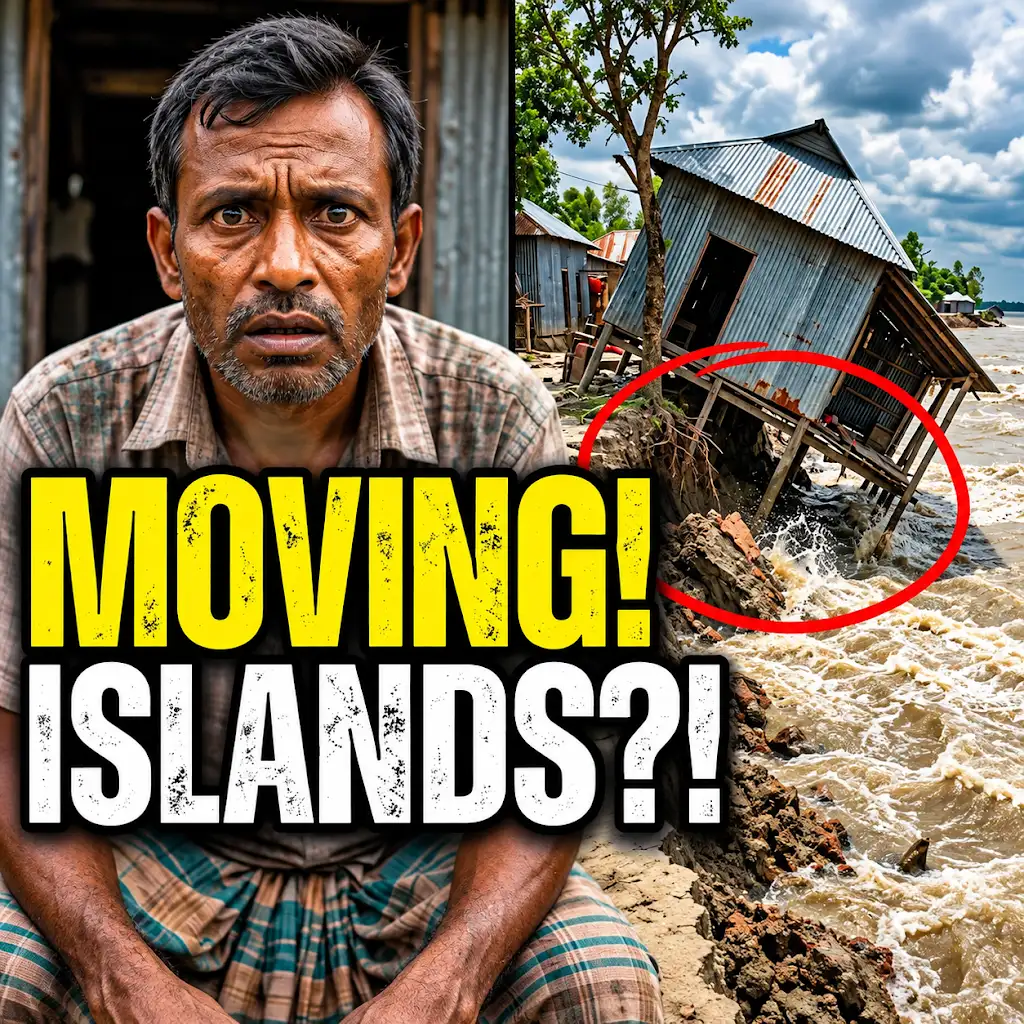
The relentless gnawing of the river, once a source of life and sustenance, has transformed into a destructive force, unleashing a humanitarian crisis of staggering proportions. Across numerous communities, the steady encroachment of water has swallowed homes, arable land, and vital infrastructure, forcing thousands to abandon their ancestral lands in a desperate search for safety and survival. The erosion of riverbanks, a phenomenon exacerbated by a confluence of factors including climate change, unsustainable land-use practices, and increased river flow due to upstream deforestation, has become the primary driver of displacement, creating a domino effect of hardship and vulnerability. Families, stripped of their livelihoods and their sense of belonging, are now grappling with the stark realities of life as climate refugees, their futures uncertain and their immediate needs immense.
The Unseen Hand of Climate Change: Amplifying Nature’s Fury
The accelerating rate of riverbank erosion is not an isolated environmental anomaly; it is inextricably linked to the broader consequences of a changing climate. Scientists point to a complex interplay of factors that are amplifying the destructive power of rivers, pushing communities to the brink.
Rising Temperatures and Melting Ice Caps: The Tipping Point
Global warming, driven by human activities, is the silent architect of many of these escalating environmental challenges. As average global temperatures climb, the planet’s ice reserves, from the colossal ice sheets of Greenland and Antarctica to mountain glaciers worldwide, are melting at an unprecedented pace. This meltwater contributes significantly to rising sea levels, but more critically for inland river systems, it fuels increased water volume and velocity. Rivers, particularly those with glacial origins, are experiencing higher flood peaks and more sustained periods of elevated water levels. This increased flow exerts immense pressure on riverbanks, weakening their structural integrity and making them more susceptible to collapse. The sheer force of the water scours away soil and sediment, leading to a gradual but inexorable widening of river channels and the loss of valuable riparian land.
Shifting Precipitation Patterns: The Unpredictable Downpour
Beyond rising temperatures, climate change is also fundamentally altering global precipitation patterns. This means more intense and frequent rainfall events in some regions, while others face prolonged droughts. For riverine communities, unpredictable rainfall translates into volatile river behavior. Intense storms, often occurring with little warning, can cause sudden and dramatic surges in river levels, overwhelming natural defenses and accelerating erosion. Conversely, prolonged periods of drought can weaken vegetation on riverbanks, removing a crucial natural barrier against erosion. When the rains eventually return, the already compromised banks are even more vulnerable to the subsequent surge. This unpredictability makes it incredibly difficult for communities to plan and adapt, leaving them perpetually on edge, bracing for the next environmental shock.
Human Intervention and Ecological Imbalance: A Vicious Cycle
While climate change acts as a primary catalyst, human activities have often compounded the problem, creating a vicious cycle of degradation. Upstream deforestation, driven by agricultural expansion, logging, and urbanization, removes the protective canopy that binds soil together. Tree roots anchor the soil, preventing it from being easily washed away by rain and river currents. Without this natural buffer, rainwater runs off the land more rapidly, carrying sediment into rivers and increasing turbidity. This increased sediment load can alter the riverbed’s profile and its flow dynamics, further contributing to erosion. Furthermore, the construction of dams and other water management infrastructure, while sometimes necessary, can disrupt natural sediment transport and alter flow regimes, inadvertently leading to erosion downstream. The pursuit of short-term economic gains through unsustainable land management practices has, in many instances, sown the seeds for long-term environmental devastation and humanitarian crises.
Riverbank erosion is increasingly becoming a significant humanitarian crisis, displacing communities and disrupting livelihoods. An insightful article that delves into the impacts of this phenomenon can be found at MyGeoQuest, where it explores the various factors contributing to riverbank erosion and the urgent need for sustainable solutions to support affected populations.
The Devastating Human Toll: Lives Washed Away

The physical erosion of the land is only one facet of this unfolding tragedy. The true scale of the crisis is measured in the lives disrupted, the communities shattered, and the immense human suffering experienced by those displaced.
Loss of Homes and Livelihoods: The Foundation Crumbles
For countless families, their homes were not just structures of brick and mortar, but the embodiment of generations of history, hard work, and cultural identity. The relentless advance of the river has reduced these cherished dwellings to rubble, leaving behind only the haunting remnants of what once was. Beyond the immediate loss of shelter, the erosion of riverbanks has decimated agricultural land, the very foundation of many rural economies. Fertile topsoil, painstakingly cultivated for years, has been washed away, rendering vast tracts of land unusable for farming. This loss of arable land translates directly into a loss of food security and the primary source of income for entire communities. Fisherfolk, whose livelihoods depend on the river’s bounty, also find their traditional fishing grounds altered or destroyed by the changing river dynamics. The economic ripple effect is profound, pushing already vulnerable populations deeper into poverty and desperation.
Forced Displacement and the Refugee Experience: A Precarious Existence
The only recourse for many is to flee. The term “climate refugee” is becoming increasingly common as individuals and families are forced to abandon their homes due to environmental degradation. This displacement is rarely a planned or orderly process. Often, it is a frantic scramble for survival, with families leaving behind their possessions and embarking on perilous journeys with few resources. They arrive in new, often unfamiliar territories, seeking refuge in overcrowded camps, temporary shelters, or with relatives who themselves may be struggling. The psychological toll of this forced migration is immense. Survivors grapple with the trauma of witnessing their homes being swallowed by the water, the grief of losing their connection to their ancestral lands, and the constant anxiety of an uncertain future. Access to basic necessities like clean water, sanitation, food, and healthcare becomes a daily struggle in these displaced communities.
Impact on Vulnerable Populations: The Scars Run Deepest
While the erosion crisis affects entire communities, certain groups bear a disproportionately heavy burden. Women, often responsible for fetching water and managing household resources, face increased risks and arduous journeys as water sources recede or become contaminated. Children, their development jeopardized by malnutrition and the stress of displacement, are at heightened risk of disease and exploitation. The elderly and those with disabilities, already facing mobility challenges, find themselves particularly vulnerable during evacuation and in the aftermath, struggling to cope with the harsh realities of life in temporary settlements. The erosion crisis exacerbates existing social inequalities, leaving the most marginalized groups further behind.
The Infrastructure Under Threat: The Unraveling of Community Fabric

The erosion of riverbanks extends beyond individual homes and farms, impacting the very infrastructure that binds communities together and facilitates their development.
Transportation Networks: Severed Lifelines
Roads, bridges, and pathways that connect communities to markets, schools, and healthcare facilities are particularly vulnerable to riverbank erosion. As the river encroaches, these vital arteries are washed away or rendered impassable. This severance of transportation networks isolates communities, hindering access to essential services and economic opportunities. Farmers struggle to transport their produce to market, leading to spoilage and lost income. Emergency services find it difficult to reach those in need, further compounding the suffering. The cost of repairing or rebuilding this damaged infrastructure is often astronomical, placing a significant burden on already strained government resources.
Water and Sanitation Systems: A Looming Public Health Crisis
Many communities rely on rivers for their water supply. As riverbanks erode and water quality deteriorates due to increased sediment and pollution, these vital water sources become compromised. The risk of waterborne diseases like cholera and typhoid escalates dramatically, creating a looming public health crisis. Similarly, sanitation systems, often built close to riverbanks, can be damaged or inundated, leading to the contamination of water sources and the spread of disease. The destruction of wells and the contamination of existing water infrastructure necessitates costly and time-consuming efforts to provide safe drinking water and adequate sanitation facilities to displaced populations.
Power and Communication Lines: The Digital Divide Widens
The physical destruction of power lines and communication infrastructure further exacerbates the isolation of affected communities. The loss of electricity plunges homes into darkness, hindering daily life and economic activities. The disruption of communication networks makes it difficult for aid organizations to coordinate relief efforts, for families to stay in touch, and for communities to access vital information. In an increasingly interconnected world, the severing of these lifelines plunges communities back into a state of digital and physical isolation, hindering their ability to recover and rebuild.
The Unfolding Humanitarian Response: A Race Against Time
As the scale of the disaster becomes apparent, a complex and often challenging humanitarian response is being mobilized, facing numerous obstacles in its efforts to provide aid and support.
International Aid and Local Challenges: The Bottleneck Effect
International aid agencies and national governments are stepping in to provide emergency relief, including food, shelter, and medical assistance. However, the sheer volume of people displaced and the ongoing nature of the erosion present significant challenges. Logistics can be a major bottleneck, with damaged infrastructure making it difficult to transport aid to remote areas. Bureaucratic hurdles and political instability in some regions can also slow down the delivery of crucial assistance. The long-term sustainability of aid is also a concern, as the underlying causes of the erosion remain unaddressed.
The Need for Sustainable Solutions: Beyond Emergency Relief
While emergency relief is vital, it is not a long-term solution. Experts emphasize the urgent need for sustainable interventions that address the root causes of riverbank erosion and build community resilience. This includes investing in nature-based solutions such as reforestation of riverbanks, the restoration of wetlands, and the implementation of sustainable agricultural practices. Engineering solutions like building more resilient embankments and improving drainage systems are also crucial. Crucially, empowering local communities with knowledge and resources to adapt to the changing environment and participate in decision-making processes is paramount.
The Role of Advocacy and Policy Change: A Call for Action
The escalating humanitarian crisis underscores the urgent need for strong political will and proactive policy changes. Governments must prioritize climate change adaptation and mitigation strategies, investing in research and development of effective erosion control measures. International cooperation and financial support are essential to assist vulnerable nations in implementing these strategies. Advocacy groups and civil society organizations play a critical role in raising awareness, holding governments accountable, and ensuring that the voices of affected communities are heard. Without a concerted and sustained effort, the cycle of displacement and suffering is likely to continue, leaving a trail of devastation in its wake.
Riverbank erosion is increasingly becoming a pressing issue, leading to significant displacement and humanitarian crises in various regions around the world. As communities are forced to abandon their homes due to the relentless encroachment of water, the need for effective response strategies becomes critical. For a deeper understanding of the implications of this phenomenon, you can read a related article that explores the challenges faced by affected populations and the measures being taken to address their needs. To learn more, visit this insightful article.
Looking Towards the Future: Resilience in the Face of Adversity
| Metric | Description | Example Data | Impact |
|---|---|---|---|
| Number of Displaced Persons | People forced to leave homes due to riverbank erosion | 150,000 (annual average in affected regions) | Loss of shelter, increased vulnerability |
| Area of Land Lost (hectares) | Land eroded by riverbanks annually | 2,500 hectares | Loss of agricultural land and livelihoods |
| Number of Affected Villages | Villages impacted by erosion and displacement | 120 villages | Community disruption and infrastructure damage |
| Percentage of Population at Risk | Proportion of local population vulnerable to erosion | 35% | High risk of displacement and food insecurity |
| Emergency Shelter Needs | Number of temporary shelters required | 20,000 units | Immediate humanitarian response requirement |
| Access to Clean Water | Percentage of displaced with safe water access | 60% | Health risk due to waterborne diseases |
| Food Insecurity Rate | Percentage of displaced facing food shortages | 45% | Malnutrition and increased aid dependency |
The riverbank erosion crisis presents a stark warning about the interconnectedness of environmental degradation and human vulnerability. However, within this profound challenge lies the potential for transformation and the development of greater resilience.
Community-Led Adaptation Strategies: Harnessing Local Wisdom
The resilience of affected communities is a testament to their strength and ingenuity. Many are already developing innovative, community-led adaptation strategies. These range from traditional knowledge of land management and flood control to the adoption of new farming techniques suited to changing conditions. Supporting and amplifying these local initiatives is crucial. Providing communities with the necessary resources, training, and platforms to share their experiences and solutions can foster a more effective and sustainable approach to adaptation. Empowering these communities to take ownership of their adaptation plans is key to ensuring long-term success.
Investing in Early Warning Systems and Disaster Preparedness: Proactive Measures
The ability to anticipate and respond to environmental threats is paramount. Investing in robust early warning systems for floods and river level changes can provide communities with critical lead time to evacuate and protect their assets. This requires not only technological advancements but also effective communication channels to reach all members of the community, especially those in remote or vulnerable areas. Comprehensive disaster preparedness plans, regularly practiced and updated, can significantly reduce the loss of life and property when environmental events occur. This includes training in first aid, emergency evacuation procedures, and the establishment of community disaster response teams.
The Global Imperative: Climate Action and Shared Responsibility
Ultimately, the riverbank erosion crisis is a global challenge that demands a global response. Addressing the root causes of climate change through ambitious emissions reduction targets and a transition to renewable energy sources is not merely an environmental issue; it is a humanitarian imperative. Developed nations, who have historically contributed the most to greenhouse gas emissions, have a moral and practical obligation to provide financial and technological support to developing nations grappling with the most severe impacts of climate change. Fostering a sense of shared responsibility and collective action is essential to mitigate future disasters and build a more sustainable and equitable future for all. The stories of those displaced by the rising waters are a stark reminder that the health of our planet is directly linked to the well-being of its inhabitants, and that inaction today will undoubtedly lead to greater suffering tomorrow.
This River is Literally Erasing Islands
FAQs
What causes riverbank erosion?
Riverbank erosion can be caused by natural factors such as heavy rainfall, flooding, and strong river currents. Human activities like deforestation, mining, and improper land use can also contribute to riverbank erosion.
How does riverbank erosion lead to displacement?
Riverbank erosion can displace communities living along the riverbanks as their homes, farmlands, and infrastructure are washed away. This displacement occurs when people are forced to leave their homes due to the unstable and unsafe conditions caused by erosion.
What are the impacts of riverbank erosion on communities?
The impacts of riverbank erosion on communities can be devastating, leading to loss of homes, livelihoods, and infrastructure. Displaced communities often face food insecurity, lack of access to clean water, and increased vulnerability to natural disasters.
How does riverbank erosion contribute to a humanitarian crisis?
Riverbank erosion contributes to a humanitarian crisis by displacing communities and leaving them in urgent need of assistance. The lack of shelter, food, clean water, and healthcare services in the aftermath of erosion can lead to a severe humanitarian emergency.
What measures can be taken to address riverbank erosion displacement?
To address riverbank erosion displacement, measures such as building retaining walls, planting vegetation along riverbanks, and implementing proper land use planning can help stabilize the banks and reduce erosion. Additionally, providing support and resources to displaced communities is crucial in addressing the humanitarian crisis caused by riverbank erosion.