
The Unseen Architect of Change: Understanding River Erosion
Rivers, the lifeblood of many communities, are not merely conduits of water; they are dynamic forces that constantly shape the landscape. While often celebrated for their beauty and the sustenance they provide, rivers also possess a powerful, often destructive, capacity for erosion. This process, driven by the relentless flow of water, can gradually, or sometimes dramatically, undermine riverbanks, altering channels, and, in the most devastating instances, claiming homes and livelihoods from unsuspecting families. Understanding the mechanisms behind river erosion is crucial for anticipating its impacts and developing strategies to mitigate its devastating consequences.
The fundamental force behind river erosion is the kinetic energy of moving water. As water flows, it carries with it dissolved substances, suspended particles, and larger debris. The velocity of the current directly correlates with its erosive power. Faster-moving water has greater energy, enabling it to dislodge and transport more material from the riverbed and banks. Several factors influence this velocity, including the river’s gradient (the steepness of its slope), the volume of water it carries (discharge), and the shape and roughness of its channel. A steeper gradient means faster flow; increased discharge, as seen during floods, significantly amplifies erosive forces; and a smoother, straighter channel allows water to flow with less resistance, increasing its speed and erosive potential.
Furthermore, the composition of the riverbank materials plays a vital role. Soft, unconsolidated soils like sand and silt are more easily eroded than harder, more cohesive materials such as clay or bedrock. Vegetation also acts as a natural anchor, binding soil particles together and offering resistance to the water’s erosive attack. Conversely, the absence of vegetation, often due to human activities like deforestation or agricultural practices that remove ground cover, leaves riverbanks vulnerable. The interplay of these factors – water’s energy, channel characteristics, and bank composition – dictates the rate and intensity of river erosion.
River erosion can have devastating effects on families, often leading to the loss of homes, farmland, and livelihoods. As rivers carve their paths through landscapes, they can undermine the foundations of houses and wash away fertile soil, making it difficult for families to sustain their agricultural practices. For a deeper understanding of the impact of river erosion on communities and the environment, you can read a related article on this topic at My Geo Quest.
The Subtle Onslaught: Gradual Bank Undermining and Channel Migration

River erosion is not always a sudden, catastrophic event. Often, it manifests as a slow, insidious process of bank undermining and channel migration that can go unnoticed until significant damage has occurred. This gradual erosion erodes the foundation of the riverbank, leading to slumping and eventual collapse of sections into the water. Over time, this constant removal of material can cause the river to shift its course, a phenomenon known as channel migration.
The Mechanics of Undermining
The process of bank undermining begins with the action of the current along the outer bends of a river. According to the principles of fluid dynamics, water flows faster on the outside of a meander. This increased velocity exerts greater shear stress on the bank, picking up and carrying away sediment. As the bank material is removed from the toe (the base) of the bank, the unsupported upper portion becomes unstable. Gravity then takes over, causing chunks of the bank to break away and tumble into the river. This continuous process of undercutting and collapse can lead to a significant loss of land over time. In some cases, the erosion is so gradual that families might not perceive the immediate threat, becoming accustomed to the encroaching river until it is too late.
The Inexorable Shift: Channel Migration and Land Loss
As banks erode, the river’s channel is not static. It will naturally shift and meander across its floodplain. This channel migration can be gradual, with the river slowly moving across its valley over decades, or it can be more pronounced, particularly during periods of high flow. When a river migrates, it effectively “reclaims” land that was previously stable. Land that was once safely situated away from the river’s edge can find itself directly in its path. This is particularly problematic for communities that have settled on the floodplain, often attracted by the fertile soil or access to water. As the river’s course changes, areas that were once productive agricultural land can be submerged, eroded, or become permanently cut off from essential resources. The gradual loss of land through channel migration can be a slow-motion disaster, eroding not just the physical terrain but also the sense of security and permanence for those who call these areas home.
The Fury Unleashed: Flood-Induced Erosion and Catastrophic Events
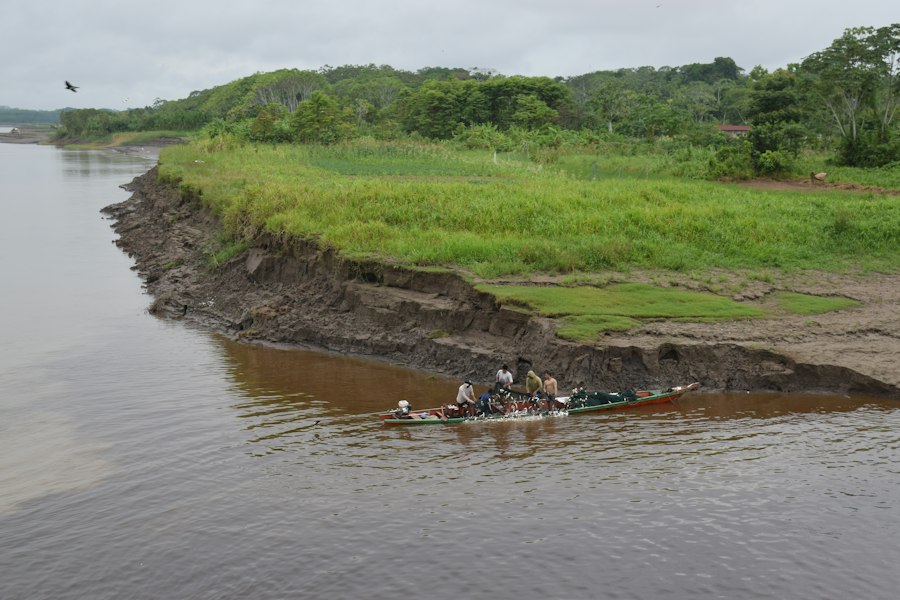
While gradual erosion is a constant concern, the most dramatic and destructive instances of river erosion are often triggered by floods. The immense power of floodwaters can accelerate erosion rates exponentially, leading to rapid bank collapse, channel scouring, and the outright destruction of property and infrastructure. These events, characterized by their suddenness and intensity, can transform tranquil riverbanks into scenes of devastation in a matter of hours or days.
The Scouring Power of Floodwaters
During a flood, the sheer volume and velocity of water dramatically increase the river’s erosive capacity. The heightened flow scours the riverbed, removing sediment and deepening the channel. More critically, the fast-moving floodwaters exert immense pressure and shear force on the riverbanks. This force can overwhelm the soil’s natural cohesiveness and the anchoring effect of vegetation. Banks that were stable during normal flow conditions can be rapidly undercut and collapse. This scouring action can also undermine the foundations of bridges, buildings, and other structures situated near the river, leading to their collapse. The debris carried by floodwaters, such as fallen trees and boulders, adds to the destructive potential, acting like battering rams against already weakened banks and structures.
Rapid Bank Collapse and Landslides
The rapid increase in water pressure on riverbanks during a flood can lead to catastrophic bank collapses. Saturated soil becomes heavier and less stable. The undermining action of the floodwaters, combined with the increased weight of the saturated bank, can trigger large-scale landslides directly into the river. These sudden events can instantaneously engulf anything on the bank, including homes, farms, and even entire communities. The speed at which these collapses occur leaves little to no time for evacuation, making them incredibly dangerous. The visual and physical evidence of these events is stark: large swathes of land disappear, leaving behind sheer cliffs where fertile ground once lay. The destruction is not just the loss of land but the complete annihilation of what was built upon it.
The Human Toll: Displacement and Economic Ruin
The consequences of river erosion extend far beyond the physical alteration of the landscape. For the families living in the path of this relentless force, the impact is deeply personal, leading to displacement, economic ruin, and the erosion of their very way of life. The loss of land translates directly into the loss of homes, livelihoods, and cultural heritage.
Homes Washed Away: The Trauma of Displacement
The most immediate and devastating impact of river erosion on families is the loss of their homes. When riverbanks erode to the point where structures are threatened or collapse, families are forced to abandon their possessions and flee for safety. This displacement is often sudden and unplanned, leaving individuals with little time to salvage their belongings or make arrangements for alternative housing. The psychological toll of losing one’s home, a place of security and cherished memories, can be immense, leading to stress, anxiety, and a profound sense of loss. Furthermore, finding new housing, especially for low-income families, can be a significant challenge, often forcing them into less desirable or precarious living situations.
Livelihoods Washed Away: The Impact on Agriculture and Businesses
For many communities, their livelihoods are intrinsically linked to the land adjacent to rivers. Agricultural families, in particular, rely on the fertile floodplains for cultivation. When erosion claims these lands, it directly impacts their ability to grow crops and sustain themselves. Farmland can be lost to the river, submerged, or rendered unusable due to salinity or soil degradation. Similarly, businesses that depend on river access, such as fishing operations, riverside markets, or tourism ventures, can be severely disrupted or destroyed by erosion. The loss of these economic pillars can lead to widespread unemployment and poverty within the affected communities. The economic ripple effect can be substantial, impacting local economies and perpetuating cycles of hardship. The accumulated savings and investments of a lifetime can be wiped out in moments, leaving families with little to rebuild their lives.
The Erosion of Cultural Heritage and Community Ties
Beyond the physical and economic impacts, river erosion can also erode the cultural heritage and community ties that bind people together. Many communities have deep historical and cultural connections to their rivers and the land surrounding them. Ancestral homes, historical sites, and traditional practices may be located in areas vulnerable to erosion. The displacement caused by erosion can fracture these connections, leading to the loss of cultural identity and a sense of belonging. The disruption of community networks, as families are scattered to different locations, can weaken social support systems and make it harder for individuals to cope with the trauma and challenges of displacement. The shared experience of living with a dynamic river can foster a strong sense of community, and its erosion can leave a void.
River erosion can have devastating effects on families, often leading to the loss of homes and farmland that are vital for their livelihoods. As rivers carve away the land, communities face the challenge of displacement and the emotional toll of losing their ancestral properties. For a deeper understanding of the impact of river erosion on families and potential solutions, you can read this insightful article on the subject. It highlights various case studies and offers perspectives on how communities are adapting to these environmental changes. To explore more, visit this article.
Building Resilience: Mitigation and Adaptation Strategies
| Impact on Families | Description | Common Metrics | Example Data |
|---|---|---|---|
| Loss of Land | River erosion removes agricultural and residential land from families. | Acres lost per year | 2-5 acres/year |
| Displacement | Families forced to relocate due to loss of homes and land. | Number of families displaced annually | 100-300 families/year |
| Loss of Livelihood | Destruction of farmland and fishing areas reduces income sources. | Percentage decrease in household income | 20-40% decrease |
| Emotional Stress | Psychological impact due to uncertainty and loss of property. | Reported cases of stress-related illness | 30-50% increase in affected areas |
| Damage to Infrastructure | Loss of roads, schools, and utilities affecting family life. | Number of infrastructure units damaged | 5-10 units/year |
While river erosion is a natural process, its impacts can be amplified by human activities and unsustainable land-use practices. Recognizing this, communities and governments are increasingly investing in strategies to mitigate its effects and adapt to its inevitability. These efforts aim to protect lives and livelihoods by reducing the vulnerability of communities to the destructive forces of rivers.
Engineering Solutions: Hard and Soft Approaches
A range of engineering solutions can be employed to combat river erosion. “Hard” engineering techniques involve structural interventions designed to stabilize riverbanks. These include the construction of revetments, which are protective layers of stone or concrete placed along the bank; retaining walls, which are vertical barriers designed to hold back soil; and groynes, which are structures built out into the river to deflect currents away from the bank. While effective in the short term, these hard structures can be expensive to build and maintain, and they can sometimes exacerbate erosion downstream by altering the flow dynamics.
In contrast, “soft” engineering, or nature-based solutions, aim to work with natural processes to achieve erosion control. This involves restoring or enhancing natural vegetation along riverbanks, planting trees and shrubs whose roots bind the soil and absorb water, and creating buffer zones of vegetation to absorb flood energy. These approaches are often more cost-effective, environmentally friendly, and can provide co-benefits such as habitat creation and improved water quality. The choice between hard and soft engineering, or a combination of both, depends on the specific site conditions, the scale of the erosion problem, and the available resources.
Sustainable Land Management and Policy Interventions
Beyond direct engineering interventions, broader strategies for sustainable land management and policy play a crucial role in mitigating river erosion. This includes discouraging development in high-risk areas of the floodplain and implementing stricter regulations on land use near rivers, such as limits on deforestation and agricultural practices that strip away vegetation cover. Promoting informed land-use planning, which considers the dynamic nature of rivers, is essential.
Furthermore, effective early warning systems for floods and erosion-prone areas can provide communities with valuable time to prepare and evacuate. Public education and awareness campaigns are also vital to inform residents about the risks associated with living near rivers and to encourage responsible land stewardship. In some regions, managed retreat, where communities are strategically relocated from the most vulnerable areas, might be considered as a last resort, though this is a complex and sensitive undertaking. Ultimately, a multi-faceted approach that combines technical solutions with sound policy and community engagement is necessary to build resilience against the ongoing threat of river erosion.
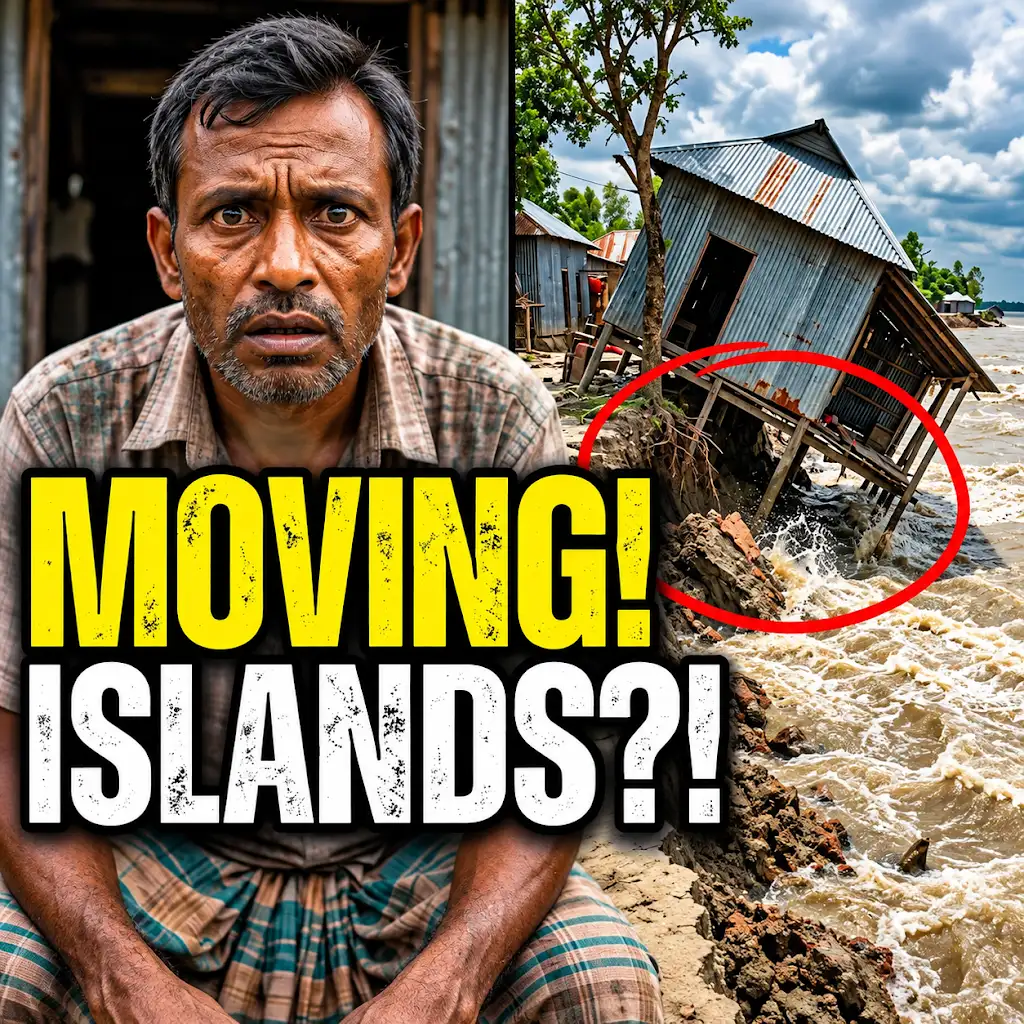
This River is Literally Erasing Islands
FAQs
What is river erosion?
River erosion is the process by which rivers wear away the land, carrying sediment downstream and reshaping the landscape over time.
How does river erosion affect families?
River erosion can have devastating effects on families living near riverbanks, as it can lead to loss of property, displacement, and even loss of life in extreme cases.
What belongings can families lose due to river erosion?
Families affected by river erosion can lose their homes, farmland, livestock, personal belongings, and in some cases, their entire livelihoods.
Are there ways to prevent or mitigate the impact of river erosion on families?
There are various strategies that can help reduce the impact of river erosion on families, such as building retaining walls, planting vegetation along riverbanks, and implementing proper land use planning.
How can families affected by river erosion seek help or support?
Families impacted by river erosion can reach out to local authorities, non-profit organizations, and disaster relief agencies for assistance, including temporary shelter, food, and resources for rebuilding their lives.