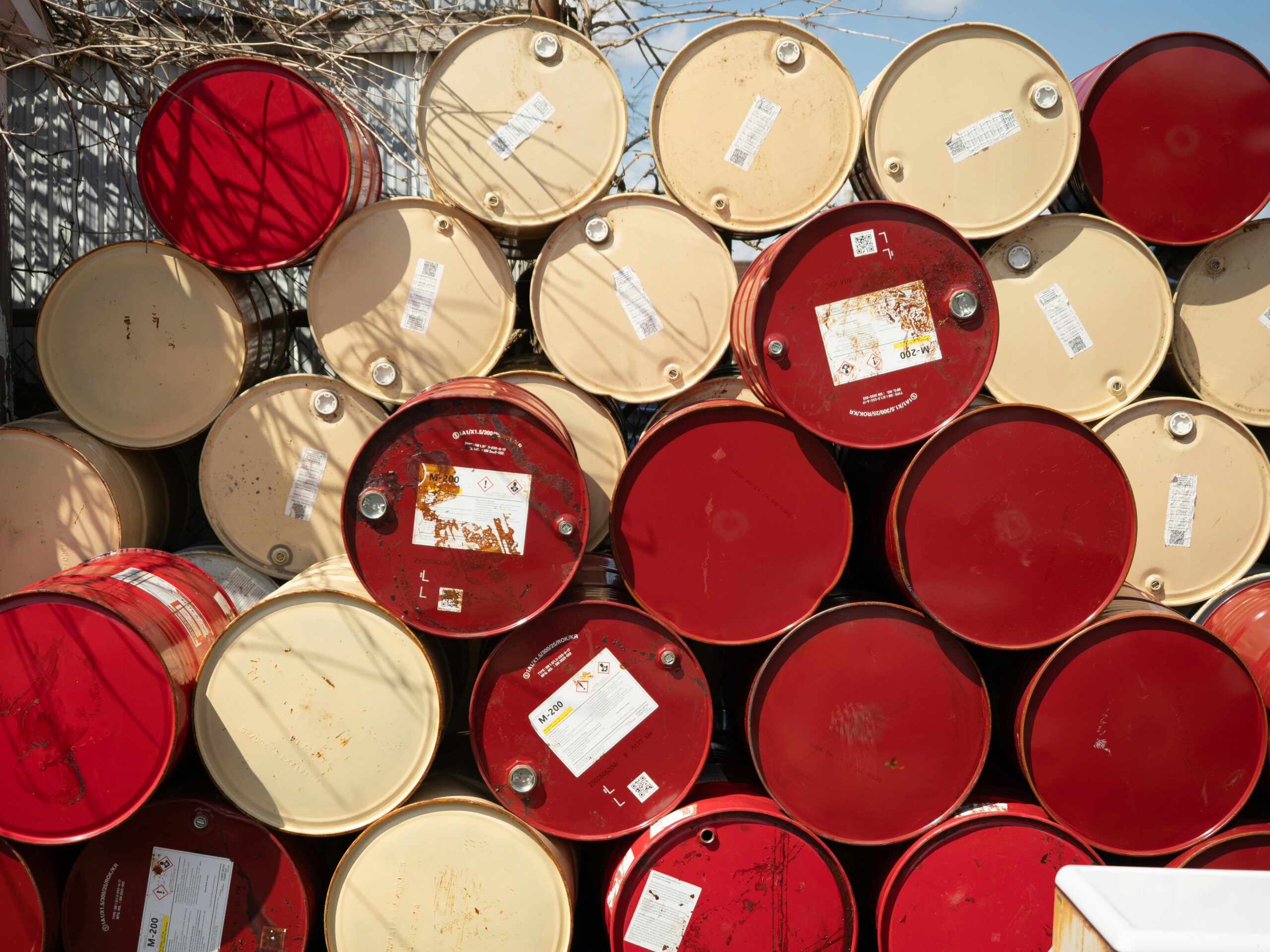
The silent behemoths of the sea, old ships, often harbor a hidden and significant danger: hazardous materials. As these vessels reach the end of their operational lives, their aging structures become repositories of substances that, while once integral to their function, now pose serious risks to human health and the environment. The decommissioning and dismantling of these ships, a process known as shipbreaking, presents a complex challenge, fraught with potential hazards if not managed with the utmost care and expertise. This article delves into the multifaceted risks associated with hazardous materials found in old ships, exploring the nature of these substances, the dangers they present, and the critical considerations for their safe handling and disposal.
Old ships are essentially floating repositories of a wide array of chemicals and materials that have been incorporated over decades of service. The sheer age of these vessels means that many of these substances are no longer produced or are subject to stringent regulations in modern shipbuilding. Their presence, however, remains a persistent threat, demanding careful identification and management.
Asbestos: A Persistent Legacy of Insulation and Fireproofing
Perhaps one of the most notorious hazardous materials found in old ships is asbestos. This naturally occurring fibrous mineral was widely used for its excellent insulating properties and fire-resistant qualities. In maritime construction, it was incorporated into a vast range of components, from engine room insulation and pipe lagging to fire doors, bulkheads, and even brake linings.
The Ubiquity of Asbestos in Maritime Infrastructure
The extensive use of asbestos in shipbuilding means that its presence is almost guaranteed in vessels built before the 1980s, and even in some later constructions. Its versatility meant it was applied in numerous locations, often in hard-to-reach areas, making thorough identification a labor-intensive and critical first step in any decommissioning process. The different types of asbestos, such as chrysotile, amosite, and crocidolite, each possess varying degrees of friability, influencing the ease with which fibers can become airborne.
Health Consequences of Asbestos Exposure
The microscopic asbestos fibers, when disturbed, can become airborne and are easily inhaled. Once in the lungs, these fibers can cause severe and irreversible health problems, including asbestosis, a debilitating lung disease characterized by scarring and inflammation; lung cancer; and mesothelioma, a rare and aggressive cancer of the lining of the lungs, abdomen, or heart. The latency period for these diseases can be as long as 40 to 50 years, meaning that individuals exposed decades ago can still develop life-threatening conditions.
Polychlorinated Biphenyls (PCBs): Persistent Organic Pollutants in Electrical Systems
Another significant group of hazardous materials commonly found in older ships are Polychlorinated Biphenyls (PCBs). These synthetic organic chemicals were widely used as coolants and insulating fluids in electrical equipment, particularly in transformers and capacitors, due to their non-flammability and electrical insulating properties.
PCBs in Shipboard Electrical Components
The electrical systems of older vessels, especially those constructed during the mid-20th century, are likely to contain PCBs. Transformers, capacitors, and switchgear are prime locations where these substances would have been employed. Their presence is not always obvious, and often requires detailed inspection and, potentially, laboratory testing to confirm. The degradation of these components over time can lead to leaks, further spreading the contamination.
Environmental Persistence and Bioaccumulation of PCBs
PCBs are classified as Persistent Organic Pollutants (POPs) because they do not break down easily in the environment and can persist for decades. They have a tendency to bioaccumulate in the fatty tissues of living organisms, moving up the food chain and potentially reaching harmful concentrations in apex predators, including humans. Exposure to PCBs has been linked to a range of health issues, including immune system damage, reproductive problems, developmental issues in children, and increased cancer risk.
Heavy Metals: From Paints to Antifouling Coatings
A variety of heavy metals, often incorporated into paints, coatings, and other materials, pose substantial risks when ships are dismantled. These metals can leach into the environment, contaminating soil and water, and pose direct health risks to workers and nearby communities.
Lead-Based Paints: A Common Contaminant
Lead-based paints were a ubiquitous choice for ship coatings for many years due to their durability and corrosion resistance. These paints were applied to virtually every surface of a vessel, from the hull to internal structures. As the paint degrades or when the ship is cut and welded during dismantling, lead dust and particles can become airborne, leading to inhalation exposure.
Health Impacts of Lead Exposure
Lead is a potent neurotoxin, particularly harmful to children, even at low levels of exposure. It can cause significant developmental problems, learning disabilities, and behavioral issues. In adults, lead exposure can lead to neurological damage, kidney problems, reproductive issues, and cardiovascular disease.
Organotin Compounds in Antifouling Paints
Organotin compounds, particularly tributyltin (TBT), were widely used in antifouling paints to prevent the growth of marine organisms on ship hulls. While highly effective, these chemicals are extremely toxic to marine life, even at very low concentrations. Their use has been largely banned or restricted globally, but many older vessels still bear these coatings.
TBT’s Impact on Marine Ecosystems
TBT can leach into the marine environment as the paint erodes, posing a severe threat to a wide range of aquatic organisms. It can cause imposex in marine snails (the development of male sex characteristics in females), disrupt endocrine systems in fish, and negatively impact mollusk reproduction. The persistence of TBT in sediments further exacerbates its long-term environmental damage.
Hydrocarbons and Other Flammable/Toxic Liquids: Residual Fuel and Lubricants
The operational components of a ship inevitably contain various flammable and toxic liquids, primarily fuel oils and lubricating oils. While these are essential for a ship’s function, their presence during dismantling presents significant fire hazards and toxic exposure risks.
Residual Fuel and Lubricants in Tanks and Systems
Even after a ship has been emptied as much as possible, residual amounts of fuel, lubricating oil, and hydraulic fluids often remain in tanks, pipelines, and machinery. These substances can be highly flammable, and their vapors can accumulate in confined spaces, creating a severe explosion risk when exposed to sparks or heat from cutting and welding operations.
Fire and Explosion Hazards
The presence of flammable liquids is a primary concern during shipbreaking. Accidental ignition can lead to catastrophic fires and explosions, endangering the lives of workers and causing extensive damage. Proper purging and cleaning of tanks and systems are paramount to mitigate these risks.
Toxic Properties of Petroleum-Based Products
Beyond flammability, many of these residual liquids are also toxic. Exposure to fuel oil and lubricants can cause skin irritation, respiratory problems, and long-term health issues if inhaled or ingested. Proper personal protective equipment (PPE) and ventilation are crucial when working with these materials.
The issue of hazardous materials in old ships has garnered significant attention due to the environmental risks they pose. Many vessels, especially those decommissioned, contain substances like asbestos and heavy metals that can leach into marine ecosystems. For a deeper understanding of this pressing concern, you can read more about it in this informative article on the topic of hazardous materials in old ships. The article provides insights into the challenges of safely dismantling these vessels and the regulations in place to mitigate potential harm. To explore further, visit this link.
Other Potential Hazardous Substances: A Broad Category
Beyond the aforementioned major categories, old ships can contain a multitude of other hazardous substances, often in smaller quantities but still posing significant risks.
Refrigerants: CFCs and HCFCs
Older refrigeration systems on ships often utilized refrigerants such as chlorofluorocarbons (CFCs) and hydrochlorofluorocarbons (HCFCs). These chemicals are potent ozone-depleting substances and contribute to climate change. Their release into the atmosphere during dismantling must be carefully managed.
Paints, Solvents, and Cleaning Agents
Various specialized paints, solvents, and cleaning agents used throughout a ship’s life can contain hazardous components. These might include volatile organic compounds (VOCs), heavy metals, or other toxic chemicals that require careful handling and disposal.
Batteries and Other Electrical Components
Old batteries, particularly lead-acid batteries, contain corrosive acids and heavy metals. Other electrical components might contain mercury, cadmium, or other toxic substances, all of which require specialized disposal procedures.
The issue of hazardous materials in old ships is a growing concern, particularly as many vessels reach the end of their operational lives and are sent for scrapping. A related article that delves into the environmental and health risks associated with shipbreaking can be found at MyGeoQuest. This article highlights the dangers posed by substances such as asbestos and heavy metals, emphasizing the need for stringent regulations and safe disposal practices to protect both workers and marine ecosystems.
The Dangers of Shipbreaking: A High-Risk Undertaking
The process of dismantling old ships, primarily carried out in developing countries with less stringent environmental and labor regulations, is often termed “shipbreaking.” This practice, while providing valuable raw materials, is inherently dangerous, particularly due to the presence of hazardous materials and the often-inadequate safety measures.
Worker Safety: Direct Exposure and Long-Term Health
The most immediate and significant risk associated with hazardous materials in old ships falls upon the workers involved in the dismantling process. Without proper training, equipment, and oversight, these individuals are directly exposed to a multitude of dangers.
Inhalation of Fibers and Dust
Workers involved in cutting, grinding, and demolishing asbestos-containing materials are at high risk of inhaling microscopic asbestos fibers. Similarly, lead dust from old paints, or fine metal particles, can cause respiratory damage.
Skin Contact and Absorption
Direct contact with hazardous liquids like fuel oil, lubricants, or chemicals can lead to skin irritation, burns, and absorption of toxic substances into the bloodstream. Heavy metals and other contaminants can also be absorbed through the skin.
Fire and Explosion Incidents
The presence of flammable liquids and the use of cutting torches and welding equipment create a constant risk of fire and explosion, leading to severe burns and fatalities.
Long-Term Health Impacts for Shipbreakers
The cumulative effect of exposure to these hazardous materials can lead to severe and chronic health problems for shipbreakers, including cancers, respiratory diseases, neurological disorders, and reproductive issues, often manifesting many years after their working lives have ended.
Environmental Contamination: A Global Concern
The improper dismantling of old ships can lead to widespread environmental contamination, impacting marine ecosystems, soil, and groundwater.
Release of Toxic Substances into the Marine Environment
When hazardous materials are not contained or disposed of properly, they can leach into the surrounding waters. This includes PCBs, heavy metals from paints, and organotin compounds from antifouling coatings, all of which are detrimental to marine life.
Soil and Groundwater Pollution
Debris from shipbreaking, including contaminated materials, can contaminate the soil at dismantling sites. Leaching of pollutants into the groundwater can further extend the reach of contamination, affecting local water resources.
Air Pollution
The burning of materials, dust generated from cutting, and the release of volatile compounds can contribute to significant air pollution in the vicinity of shipbreaking yards.
Regulatory Challenges and Ethical Considerations
The global nature of the shipping industry and the economic pressures to minimize costs create significant challenges in ensuring the safe and environmentally sound dismantling of old vessels.
The “Race to the Bottom” Phenomenon
Many older ships are sent to countries with lax environmental regulations and lower labor costs for dismantling. This practice, often referred to as the “race to the bottom,” prioritizes profit over safety and environmental protection, leading to severe exploitation of workers and environmental degradation.
Inadequate Enforcement of Regulations
Even where regulations exist, their enforcement can be weak due to corruption, lack of resources, or insufficient technical expertise, allowing hazardous practices to persist.
The Ethical Responsibility of Shipowners
There is a growing ethical debate surrounding the responsibility of shipowners and flag states to ensure that their vessels are dismantled in a safe and environmentally responsible manner, regardless of where the dismantling takes place.
Mitigating the Risks: Towards Safer Shipbreaking Practices
Addressing the risks associated with hazardous materials in old ships requires a multi-pronged approach, encompassing international cooperation, stricter regulations, and the adoption of best practices throughout the vessel’s lifecycle.
The Hong Kong Convention: A Step Towards a Safer Future
The International Maritime Organization’s (IMO) Hong Kong International Convention for the Safe and Environmentally Sound Recycling of Ships, adopted in 2009, represents a significant effort to establish global standards for ship recycling.
Establishing Global Standards and Requirements
The Convention aims to ensure that ships are recycled in a safe and environmentally sound manner, taking into account the whole lifecycle of the ship. It requires ships to be constructed and operated in a way that facilitates safe and environmentally sound recycling, without compromising their safety or operational efficiency.
The Ship Recycling Plan
One of the key provisions of the Convention is the requirement for a Ship Recycling Plan, which identifies hazardous materials on board and outlines how they will be safely managed during the recycling process. This plan must be prepared by the shipowner and approved by the flag State.
Challenges in Ratification and Implementation
Despite its importance, the Hong Kong Convention has faced challenges in achieving sufficient ratifications for entry into force. Ensuring effective implementation and enforcement globally remains a critical task.
Improved Identification and Inventory of Hazardous Materials
Accurate identification and a comprehensive inventory of hazardous materials are the bedrock of any effective risk management strategy for ship dismantling.
Pre-Decommissioning Surveys and Audits
Thorough surveys and audits conducted before a ship is sent for dismantling can help identify the presence, location, and quantity of hazardous materials. This should involve visual inspections, material sampling, and laboratory analysis.
The Role of Technology
Advanced technologies, such as X-ray fluorescence (XRF) analyzers, can be used for rapid, on-site identification of heavy metals and other contaminants. Digital databases and tagging systems can help maintain detailed inventories of hazardous materials throughout a ship’s operational life.
Safe Handling and Disposal Procedures
Once identified, hazardous materials must be handled and disposed of according to strict protocols to minimize risks to workers and the environment.
Containment and Encapsulation
For materials like asbestos, containment and encapsulation techniques are employed to prevent the release of fibers. This involves sealing the material or enclosing it in a protective barrier.
Specialized Removal and Decontamination
The removal of hazardous materials often requires specialized equipment and highly trained personnel. Decontamination procedures for affected areas and equipment are essential.
Licensed Disposal Facilities
Hazardous waste must be transported and disposed of at licensed and specialized facilities capable of handling and treating these materials safely, in accordance with national and international regulations.
Worker Training and Personal Protective Equipment (PPE)
Investing in comprehensive training for workers and ensuring the availability of appropriate PPE are non-negotiable aspects of safe ship dismantling.
Comprehensive Training Programs
Workers need to be trained on the specific hazards associated with different materials, safe work practices, emergency procedures, and the correct use of PPE.
Essential PPE for Hazardous Materials Handling
This includes respiratory protection (e.g., respirators with appropriate filters), chemical-resistant gloves and clothing, eye protection, and, in some cases, full-body suits.
Promoting Responsible Ship Recycling Practices
Encouraging and incentivizing responsible ship recycling practices globally is crucial to move away from exploitative and environmentally damaging operations.
“Green” Shipbreaking Standards
The development and adoption of “green” shipbreaking standards by shipowners and classification societies can drive demand for ethical and sustainable recycling facilities.
Corporate Social Responsibility (CSR)
Shipowners and operators have a growing responsibility to implement robust CSR policies that extend to the end-of-life management of their vessels, ensuring that they are dismantled in a manner that protects human health and the environment.
International Collaboration and Monitoring
Continued international collaboration among governments, industry bodies, and environmental organizations is essential to monitor compliance, share best practices, and address non-compliance with regulations.
Conclusion: A Call for Vigilance and Proactive Management
The silent threat of hazardous materials within old ships is a complex challenge that demands continuous vigilance and proactive management. From the persistent legacy of asbestos and PCBs to the ubiquitous presence of heavy metals and flammable liquids, the risks associated with their presence during decommissioning are significant and far-reaching. The human cost in terms of worker health and the environmental toll of contamination underscore the urgency of addressing this issue.
The Hong Kong Convention offers a crucial framework for a safer and more sustainable future for ship recycling, but its full implementation and widespread adoption are paramount. Beyond regulatory measures, a fundamental shift in mindset is required – one that prioritizes safety, environmental stewardship, and ethical responsibility throughout the entire lifecycle of a vessel. By investing in comprehensive identification, robust handling procedures, rigorous worker training, and by fostering a global commitment to responsible practices, the maritime industry can transform the perilous process of shipbreaking into a managed and environmentally sound operation, safeguarding both human well-being and the health of our planet for generations to come. The journey towards safer ship recycling is ongoing, and it requires the collective effort of all stakeholders to ensure that the end of a ship’s life does not mark a beginning of environmental disaster or human suffering.

The Beaches Global Trade Can’t Afford to Lose
FAQs
What are hazardous materials in old ships?
Hazardous materials in old ships refer to substances that pose a risk to human health or the environment. These can include asbestos, lead-based paint, polychlorinated biphenyls (PCBs), and various other chemicals and materials used in ship construction and maintenance.
Why are hazardous materials in old ships a concern?
Hazardous materials in old ships can pose significant risks to human health and the environment if not properly managed. As ships age and deteriorate, these materials can be released into the surrounding environment, leading to contamination of soil, water, and air, as well as potential exposure to workers and nearby communities.
How are hazardous materials in old ships regulated?
The regulation of hazardous materials in old ships is primarily governed by international conventions such as the Basel Convention and the Hong Kong International Convention for the Safe and Environmentally Sound Recycling of Ships. These conventions establish guidelines for the safe management and disposal of hazardous materials in ships, as well as requirements for ship recycling facilities.
What are the potential health risks associated with hazardous materials in old ships?
Exposure to hazardous materials in old ships can lead to a range of health risks, including respiratory problems, skin irritation, neurological effects, and various forms of cancer. Workers involved in shipbreaking and recycling activities are particularly at risk, as are nearby communities and ecosystems.
How can hazardous materials in old ships be safely managed and disposed of?
Hazardous materials in old ships can be safely managed and disposed of through proper handling, containment, and removal techniques. This may involve the use of personal protective equipment, specialized decontamination procedures, and the use of certified recycling facilities that adhere to international standards for shipbreaking and disposal of hazardous materials.