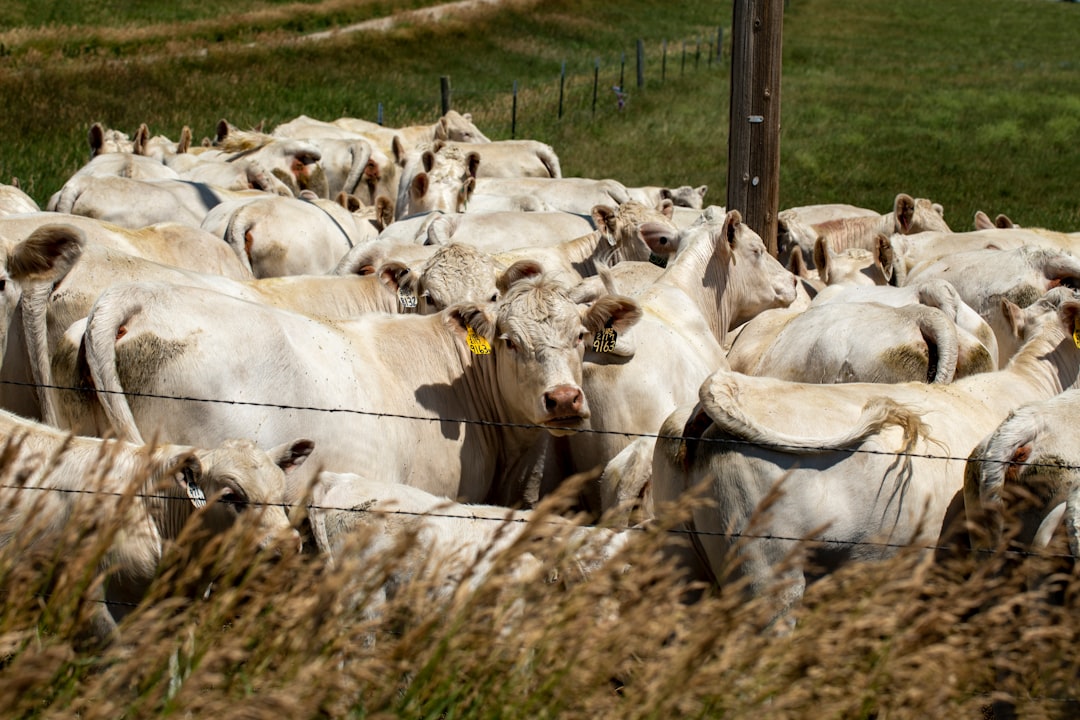
The global agricultural sector is experiencing substantial increases in livestock feed costs, creating economic pressures for farming operations worldwide. Feed represents the largest operational expense for most livestock producers, typically accounting for 60-70% of total production costs in poultry and swine operations, and 50-60% in cattle operations. Multiple factors contribute to escalating feed prices.
Commodity price volatility affects primary feed ingredients including corn, soybeans, and wheat, which comprise the foundation of most livestock diets. Weather-related disruptions, such as droughts and floods, reduce crop yields and create supply shortages. Additionally, increased global demand for grains from both livestock and biofuel industries intensifies competition for available supplies.
Transportation and energy costs further compound feed price increases. Rising fuel prices directly impact the cost of moving feed ingredients from production areas to processing facilities and ultimately to farms. Supply chain disruptions, including port congestion and trucking shortages, create additional logistical challenges and expenses.
These cost increases affect livestock producers through reduced profit margins, forcing operational adjustments such as modified feeding strategies, herd size reductions, or increased product prices. The economic impact extends throughout the food supply chain, influencing meat, dairy, and egg prices for consumers. International trade patterns also shift as countries adjust import and export policies in response to domestic feed availability and pricing pressures.
Key Takeaways
- Rising livestock feed costs are driven by multiple factors including supply chain disruptions and increased demand.
- Both small-scale and large-scale farmers face significant challenges due to higher feed prices, affecting profitability.
- Strategies such as adopting alternative feed sources and technological innovations can help mitigate rising costs.
- Government policies and support play a crucial role in assisting farmers to cope with feed cost increases.
- Global market trends and environmental considerations will continue to influence the future outlook of livestock feed costs.
Factors Contributing to the Increase in Livestock Feed Costs
Several interrelated factors contribute to the escalating costs of livestock feed. One of the primary drivers is the fluctuation in commodity prices, particularly for grains such as corn and soybeans, which are staple ingredients in many livestock diets. Weather events, such as droughts or floods, can severely impact crop yields, leading to supply shortages and increased prices.
Additionally, geopolitical tensions and trade policies can disrupt supply chains, further exacerbating price volatility. Another significant factor is the rising demand for animal protein worldwide. As populations grow and incomes rise, particularly in developing countries, there is an increasing appetite for meat and dairy products.
This surge in demand places additional pressure on feed supplies, driving up prices as farmers strive to meet consumer needs. Furthermore, the competition for land and resources between food production and biofuel production has intensified, leading to higher feed costs as agricultural inputs are diverted to alternative uses.
Impact on Small-Scale Farmers

Small-scale farmers are particularly vulnerable to the rising costs of livestock feed. With limited financial resources and less bargaining power in the market, these farmers often struggle to absorb increased expenses. As feed prices rise, they may be forced to reduce their herd sizes or even exit the industry altogether.
This not only threatens their livelihoods but also diminishes local food production capacity, which can have far-reaching consequences for food security in their communities. Moreover, small-scale farmers often lack access to advanced technologies or alternative feed sources that could help mitigate rising costs. They may rely on traditional practices that do not allow for flexibility in adapting to changing market conditions.
As a result, many smallholders find themselves caught in a cycle of increasing costs and diminishing returns, which can lead to a decline in rural economies and increased poverty levels.
Impact on Large-Scale Farmers
While large-scale farmers may have more resources to weather the storm of rising feed costs, they are not immune to its effects. These operations often rely on economies of scale to maintain profitability, and any increase in input costs can significantly impact their bottom line. As feed prices rise, large-scale producers may face pressure to pass these costs onto consumers, which can lead to higher retail prices for meat and dairy products.
Additionally, large-scale farmers may find themselves competing with international markets where feed prices fluctuate based on global supply and demand dynamics. This competition can create challenges for domestic producers who may struggle to maintain market share against cheaper imports. Consequently, large-scale farmers must continuously innovate and adapt their business models to remain competitive while managing the financial strain caused by rising feed costs.
Strategies for Mitigating the Impact of Rising Livestock Feed Costs
| Year | Feed Cost Increase (%) | Average Cost per Ton | Primary Cause | Region |
|---|---|---|---|---|
| 2021 | 12 | 280 | Supply chain disruptions | North America |
| 2022 | 18 | 330 | Increased grain prices | Europe |
| 2023 | 22 | 400 | Energy cost rise | Asia |
| 2024 (Projected) | 15 | 460 | Climate impact on crops | Global |
To combat the challenges posed by rising livestock feed costs, farmers can adopt various strategies aimed at improving efficiency and reducing reliance on traditional feed sources. One approach is diversifying feed ingredients by incorporating alternative sources such as by-products from other industries or locally available resources. This not only helps lower costs but also promotes sustainability by reducing waste.
Another effective strategy involves optimizing feeding practices through precision nutrition. By tailoring diets to meet the specific needs of livestock at different growth stages, farmers can enhance feed efficiency and reduce waste. Implementing technology-driven solutions such as data analytics and monitoring systems can provide valuable insights into animal health and performance, enabling farmers to make informed decisions that ultimately lead to cost savings.
Government Policies and Support for Farmers

Government policies play a crucial role in addressing the challenges posed by rising livestock feed costs. Many governments recognize the importance of supporting their agricultural sectors and have implemented various programs aimed at providing financial assistance or subsidies for feed purchases. These initiatives can help alleviate some of the financial burdens faced by farmers, particularly smallholders who may struggle to cope with rising input costs.
In addition to direct financial support, governments can also invest in research and development initiatives focused on improving feed production methods and exploring alternative feed sources. By fostering innovation within the agricultural sector, policymakers can help create a more resilient food system that is better equipped to handle fluctuations in feed prices.
Alternative Feed Sources for Livestock
As traditional feed sources become increasingly expensive, exploring alternative options has gained traction among farmers seeking cost-effective solutions. One promising avenue is the use of agricultural by-products such as distillers’ grains, beet pulp, or spent brewers’ grains. These materials not only provide nutritional value but also help reduce waste within the food system.
Another innovative approach involves utilizing insect protein as a sustainable feed source. Insects are rich in protein and can be raised on organic waste materials, making them an environmentally friendly option for livestock nutrition. As research continues to advance in this area, insect-based feeds may become more widely accepted within the industry, offering a viable alternative to conventional feed ingredients.
Technological Innovations in Livestock Feed Production
Technological advancements are transforming livestock feed production processes, offering new opportunities for efficiency and cost reduction. Innovations such as precision agriculture techniques enable farmers to optimize crop yields while minimizing resource use. By employing data-driven approaches, farmers can make informed decisions about planting schedules, irrigation practices, and nutrient management.
Furthermore, advancements in biotechnology have led to the development of genetically modified crops that are more resilient to environmental stressors and pests. These crops can yield higher quantities of feed with lower input costs, ultimately benefiting livestock producers by stabilizing feed prices over time. As technology continues to evolve, it holds great promise for enhancing the sustainability and efficiency of livestock feed production.
Global Market Trends and Their Influence on Livestock Feed Costs
The global market for livestock feed is influenced by a myriad of factors that extend beyond local conditions. International trade agreements, currency fluctuations, and geopolitical tensions all play a role in shaping supply chains and pricing structures. For instance, changes in trade policies can lead to tariffs or restrictions on imports and exports, impacting availability and costs for farmers worldwide.
Additionally, global demand trends significantly affect livestock feed prices. As emerging economies continue to grow and urbanize, their demand for animal protein increases correspondingly.
The Environmental Impact of Rising Livestock Feed Costs
The rising costs of livestock feed also have environmental implications that cannot be overlooked. Increased demand for traditional feed crops often leads to intensified agricultural practices that can result in soil degradation, deforestation, and loss of biodiversity. As farmers seek to maximize yields in response to rising prices, they may resort to practices that compromise environmental sustainability.
Moreover, the transportation of feed ingredients across long distances contributes to greenhouse gas emissions associated with livestock production. As awareness of climate change grows, there is an urgent need for sustainable practices within the agricultural sector that prioritize both economic viability and environmental stewardship.
Future Outlook for Livestock Feed Costs and the Agriculture Industry
Looking ahead, the future of livestock feed costs remains uncertain but is likely to be shaped by ongoing trends in climate change, technological advancements, and shifting consumer preferences. As weather patterns become increasingly unpredictable due to climate change, farmers may face greater challenges in securing stable supplies of traditional feed crops. However, there is also potential for innovation within the industry that could help mitigate these challenges.
Continued investment in research and development could lead to breakthroughs in alternative feed sources or more efficient production methods that stabilize costs over time.
The recent increase in livestock feed costs has raised concerns among farmers and agricultural economists alike. A related article that delves deeper into the factors contributing to this rise can be found at this link. It discusses the impact of global supply chain disruptions and rising commodity prices on the overall cost of livestock feed, providing valuable insights for those in the industry.
FAQs
What are the main reasons for the increase in livestock feed costs?
The increase in livestock feed costs is primarily due to factors such as rising prices of raw materials (like corn, soybeans, and grains), supply chain disruptions, adverse weather conditions affecting crop yields, increased transportation costs, and higher demand for feed ingredients globally.
How does the increase in feed costs affect livestock farmers?
Higher feed costs increase the overall expenses for livestock farmers, reducing their profit margins. This can lead to higher prices for meat, dairy, and other animal products, and may also force some farmers to reduce herd sizes or change feeding practices.
Which feed ingredients have seen the most significant price increases?
Corn, soybean meal, and other grains have experienced notable price increases due to factors like poor harvests, increased demand for biofuels, and export restrictions in some countries.
Can livestock producers mitigate the impact of rising feed costs?
Yes, producers can adopt strategies such as optimizing feed formulations, using alternative feed ingredients, improving feed efficiency, and implementing better herd management practices to reduce feed consumption.
How do global events influence livestock feed prices?
Global events such as geopolitical conflicts, trade restrictions, pandemics, and extreme weather events can disrupt supply chains, affect crop production, and alter demand patterns, all of which contribute to fluctuations in feed prices.
Are there any government programs to help farmers cope with rising feed costs?
In some countries, governments provide subsidies, financial aid, or support programs to assist farmers in managing increased feed costs. The availability and extent of such programs vary by region.
What is the long-term outlook for livestock feed costs?
The long-term outlook depends on factors like climate change impacts on agriculture, global demand for animal products, technological advancements in feed production, and policy decisions related to trade and agriculture. Prices may remain volatile but could stabilize with improved supply chain resilience.