
Mexico City, a metropolis of unparalleled scale and complexity, has long grappled with the monumental challenge of managing its water resources. From securing a consistent supply to mitigating the devastating impacts of flooding and groundwater depletion, the city’s water engineering landscape has been a testament to both ingenuity and persistent struggle. However, a new era of innovation is dawning, promising to revolutionize how this vast urban expanse interacts with its most precious resource. Driven by necessity, technological advancements, and a growing commitment to sustainability, Mexico City is on the cusp of a water engineering transformation, moving from reactive crisis management to proactive, resilient, and integrated solutions. This article will delve into the multifaceted approaches and groundbreaking initiatives that are reshaping the future of water in this historic capital.
For decades, Mexico City’s water management has been characterized by a delicate balancing act. Nestled in a high-altitude basin, the city’s primary water sources – the Lerma and Cutzamala systems – are distant and increasingly strained. The ever-growing population, coupled with decades of over-extraction of groundwater, has led to significant land subsidence, further complicating infrastructure and increasing vulnerability to seismic activity. The city’s reliance on these distant sources also entails substantial energy expenditure for pumping and distribution, contributing to its carbon footprint.
The Historical Context of Mexico City’s Water Supply
The origins of Mexico City’s water challenges are deeply rooted in its pre-Hispanic past. The Aztecs, masters of hydraulic engineering, built Tenochtitlan on an island in Lake Texcoco, relying on sophisticated systems of aqueducts, canals, and chinampas. However, the Spanish conquest led to the draining of much of the lake, fundamentally altering the hydrological system and setting the stage for future water scarcity issues. The subsequent colonial and modern periods saw continued efforts to extract water from surrounding regions, often with little consideration for long-term sustainability.
The Crisis of Groundwater Depletion and Land Subsidence
One of the most visually striking and structurally damaging consequences of Mexico City’s water management has been groundwater depletion. As the city expanded, so did its demand for water, leading to the aggressive pumping of aquifers. This has resulted in a phenomenon known as land subsidence, where the ground beneath the city is sinking. In some areas, the sinking has reached alarming rates, causing significant damage to buildings, infrastructure, and drainage systems. This ongoing subsidence not only exacerbates flooding risks but also makes the city more vulnerable to earthquakes.
The Growing Demand and the Limits of Traditional Sources
Mexico City’s population continues to grow, placing immense pressure on already strained water resources. The traditional supply systems, while extensive, are nearing their capacity limits. Climate change further exacerbates this situation, with unpredictable rainfall patterns and potential for more severe droughts. The economic and environmental costs associated with maintaining and expanding these distant supply networks are becoming increasingly unsustainable, necessitating a paradigm shift in how water is sourced, managed, and conserved.
In exploring the intricate water engineering systems of Mexico City, one can gain valuable insights from the article available at MyGeoQuest. This resource delves into the challenges and innovations in urban water management, highlighting how the city addresses its unique geographical and hydrological issues. Understanding these engineering solutions is crucial for comprehending the broader implications of water sustainability in densely populated urban areas.
Embracing Smart Technologies for Efficient Water Management
The advent of the digital age has opened up a new frontier for water engineering in Mexico City. Smart technologies are proving to be invaluable tools for optimizing water use, detecting leaks, and improving the overall efficiency of the water distribution network. From advanced sensors to data analytics platforms, these innovations are empowering engineers with unprecedented insights into the city’s water systems, enabling more informed decision-making and proactive interventions.
The Power of Real-Time Monitoring and Data Analytics
One of the most significant advancements is the deployment of smart meters and sensors throughout the water distribution network. These devices provide real-time data on water flow, pressure, and quality, allowing for immediate detection of anomalies. This data is then fed into sophisticated analytics platforms, which can identify patterns, predict potential issues, and pinpoint areas of inefficiency or leakage. This shift from reactive problem-solving to proactive management is crucial for a city of Mexico City’s size.
Leak Detection and Reduction: A Technological Imperative
Water loss due to leaks in aging infrastructure is a major challenge in any large urban area, and Mexico City is no exception. Smart technologies are revolutionizing leak detection efforts. Advanced acoustic sensors can listen for the subtle sounds of water escaping pipes, while satellite imagery and drones equipped with thermal cameras can identify areas where underground leaks are causing changes in soil temperature or moisture. The ability to quickly and accurately locate and repair these leaks can lead to substantial water savings.
Optimizing Distribution and Pressure Management
Beyond leak detection, smart technologies are also enabling the optimization of water distribution. By understanding real-time demand patterns across different neighborhoods, engineers can adjust pumping schedules and valve operations to ensure water is delivered efficiently and with optimal pressure. This not only reduces energy consumption but also minimizes stress on aging pipes, further extending their lifespan and preventing secondary leaks.
The Role of Artificial Intelligence in Water Resource Planning
Artificial intelligence (AI) is beginning to play a crucial role in Mexico City’s water engineering future. AI algorithms can analyze vast datasets of historical weather patterns, population growth, and water usage to forecast future demand and identify potential supply shortages. This predictive capability allows for more strategic long-term planning, ensuring that infrastructure investments are made where and when they are most needed.
Investing in a Sustainable Future: Water Conservation and Recycling
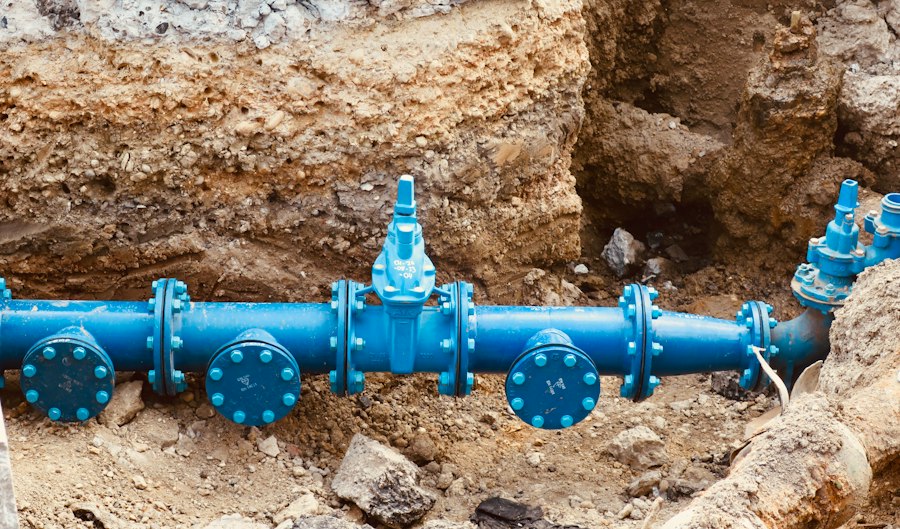
Recognizing the limitations of traditional water sources, Mexico City is increasingly prioritizing water conservation and the development of a circular water economy. This involves not only reducing water consumption through public awareness campaigns and technological innovations but also embracing advanced wastewater treatment and recycling technologies to create new sources of water.
Promoting Water Conservation in Households and Industries
Public awareness campaigns are essential for fostering a culture of water conservation. Initiatives that educate citizens about the value of water and provide practical tips for reducing consumption in homes and workplaces are gaining traction. Furthermore, incentivizing water-efficient technologies in industries and promoting drought-resistant landscaping in public spaces are crucial components of this broader conservation strategy.
Advanced Wastewater Treatment and Reuse: A Game Changer
The treatment and reuse of wastewater represent a significant opportunity for Mexico City to augment its water supply. Modern wastewater treatment plants are capable of removing a wide range of contaminants, producing water that can be safely used for non-potable purposes such as irrigation, industrial processes, and even groundwater recharge. Investing in and expanding these advanced treatment facilities is a critical step towards a more resilient water future.
The Potential of Rainwater Harvesting at Scale
While Mexico City receives significant rainfall, much of it is lost due to rapid runoff and inadequate collection systems. Implementing large-scale rainwater harvesting initiatives, both at the community and individual building level, can capture a substantial portion of this valuable resource. This includes the construction of underground cisterns, the development of green roofs, and the integration of permeable pavements in urban design.
Decentralized Water Management Systems and Their Benefits
Exploring decentralized water management systems, where water is treated and reused locally, offers numerous advantages. This can reduce the reliance on long-distance supply networks, minimize energy consumption, and improve resilience in the face of disruptions to centralized infrastructure. These systems can be particularly effective in peri-urban areas and for specific industrial applications.
Resilient Infrastructure: Adapting to Climate Change and Seismic Risks
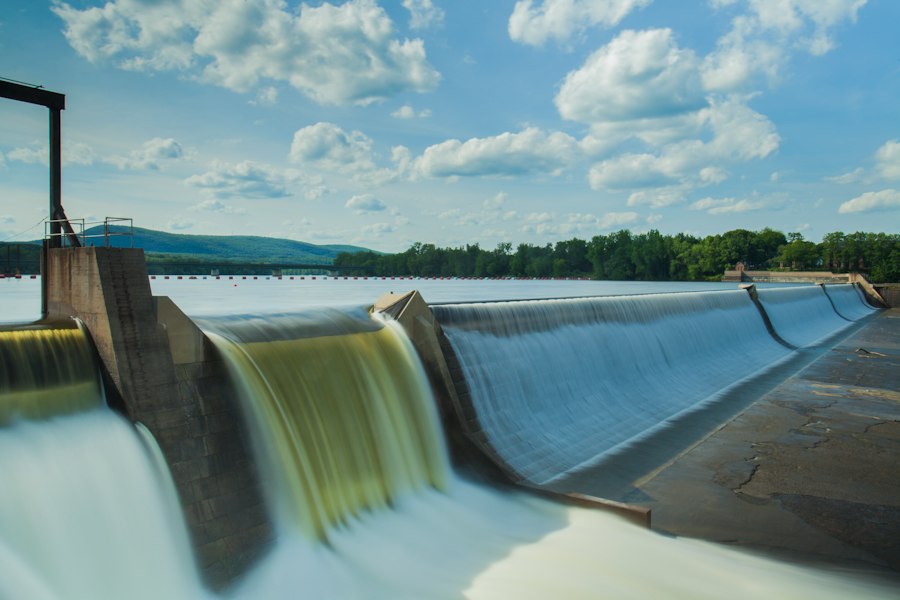
Mexico City’s unique geographical location and its ongoing battle with land subsidence present significant challenges for its water infrastructure. Ensuring the resilience of these systems against the impacts of climate change, such as increased extreme weather events, and the ever-present threat of seismic activity, is a paramount concern.
Upgrading Aging Infrastructure for Enhanced Durability
Much of Mexico City’s water infrastructure, including its vast network of pipes and pumping stations, is aging and in need of significant upgrades. Investing in modern, more durable materials and employing advanced construction techniques are essential to withstand the stresses of ground movement and the increased frequency of extreme weather events. This includes reinforcing structures and ensuring robust connections to prevent catastrophic failures.
Innovative Solutions for Land Subsidence Mitigation
Addressing land subsidence requires a multi-pronged approach. Beyond reducing groundwater extraction, engineers are exploring innovative solutions such as managed aquifer recharge, where treated wastewater or surplus rainwater is injected back into aquifers to help stabilize the ground. Furthermore, developing flexible and adaptable infrastructure that can better accommodate ground movement is crucial.
Flood Management and Drainage System Enhancements
Flooding has been a persistent problem in Mexico City, exacerbated by land subsidence and increasingly intense rainfall. Significant investments are being made in upgrading and expanding the city’s drainage systems, including the construction of larger tunnels and reservoirs to store excess water during heavy downpours. The integration of green infrastructure, such as parks and bioswales, is also playing a vital role in managing stormwater runoff and reducing the burden on conventional drainage systems.
Protecting Critical Water Infrastructure from Seismic Events
Given Mexico City’s seismic vulnerability, protecting critical water infrastructure from earthquake damage is of utmost importance. This involves designing and retrofitting pumping stations, treatment plants, and major pipelines to withstand seismic forces. Advanced structural engineering techniques and the use of seismic isolation technologies are key to ensuring the continuity of water supply even in the event of an earthquake.
In exploring the intricate challenges of water engineering in Mexico City, one can gain valuable insights from a related article that delves into innovative solutions and sustainable practices. The article highlights various strategies employed to manage the city’s complex water system, addressing issues such as aquifer depletion and urban flooding. For a deeper understanding of these engineering efforts, you can read more about it in this informative piece found at My Geo Quest.
A Collaborative Approach: Partnerships and Community Engagement
| Metrics | Data |
|---|---|
| Water Consumption | 15.5 million cubic meters per month |
| Water Distribution Network Length | more than 20,000 kilometers |
| Water Treatment Plants | 12 major plants |
| Water Losses | around 40% |
Revolutionizing water engineering in Mexico City is not solely a technical endeavor; it requires a profound shift in governance and a strong commitment to collaboration. Partnerships between government agencies, private sector innovators, research institutions, and, most importantly, the communities themselves are crucial for developing and implementing effective and sustainable water solutions.
The Role of Public-Private Partnerships in Innovation
Public-private partnerships (PPPs) are emerging as a vital mechanism for driving innovation and investment in Mexico City’s water sector. These collaborations allow for the leveraging of private sector expertise and capital to develop and implement cutting-edge technologies and infrastructure projects, while ensuring public oversight and accountability.
Engaging Local Communities in Water Management Decisions
Effective water management requires the active participation of the communities it serves. Engaging local residents in decision-making processes, from the planning of new infrastructure projects to the implementation of water conservation programs, fosters a sense of ownership and promotes sustainable practices. Community-based initiatives can also identify localized water challenges and potential solutions that might otherwise be overlooked.
Fostering International Cooperation and Knowledge Exchange
Mexico City can significantly benefit from international cooperation and the exchange of knowledge with other cities facing similar water challenges. Learning from best practices, sharing research findings, and participating in global initiatives can accelerate the adoption of innovative solutions and contribute to a more sustainable water future for all.
The Importance of Education and Workforce Development
The revolution in water engineering demands a skilled workforce. Investing in education and training programs for engineers, technicians, and water management professionals is essential to equip them with the knowledge and skills needed to operate and maintain advanced water systems. This includes promoting STEM education and creating pathways for individuals to enter the water sector.
The journey towards revolutionizing water engineering in Mexico City is an ongoing and complex undertaking. However, the commitment to embracing smart technologies, prioritizing sustainability, building resilient infrastructure, and fostering robust collaborations paints a hopeful picture. By addressing the legacy of scarcity with innovation, foresight, and a unified purpose, Mexico City is poised to redefine its relationship with water, ensuring a more secure, equitable, and sustainable future for its millions of inhabitants. The city’s transformation is a testament to the power of human ingenuity in the face of profound environmental challenges, offering valuable lessons for urban centers around the globe.

Mexico City Is Sinking Because It Needs Water
FAQs
What is the history of water engineering in Mexico City?
Mexico City has a long history of water engineering dating back to the Aztec civilization. The city was originally built on a system of lakes and canals, and the Aztecs developed intricate systems to manage water flow and prevent flooding. Over the centuries, the city has faced numerous water-related challenges, leading to the development of innovative engineering solutions.
What are the current water engineering challenges in Mexico City?
Mexico City faces a range of water engineering challenges, including water scarcity, flooding, and pollution. The city’s rapid urbanization has put a strain on its water resources, leading to issues such as sinking land due to over-extraction of groundwater. Additionally, the city’s aging infrastructure and inadequate drainage systems contribute to frequent flooding during the rainy season.
What are some of the key water engineering projects in Mexico City?
Several key water engineering projects have been implemented in Mexico City to address its water challenges. These include the construction of large-scale water treatment plants, the development of rainwater harvesting systems, and the implementation of programs to improve water conservation and efficiency. Additionally, efforts have been made to restore and preserve the city’s historic canal system.
How does water engineering impact the environment in Mexico City?
Water engineering in Mexico City has both positive and negative impacts on the environment. While engineering projects can help mitigate flooding, improve water quality, and enhance water access for residents, they can also disrupt natural ecosystems and contribute to the depletion of groundwater resources. It is important for water engineering initiatives to prioritize environmental sustainability and consider the long-term impacts on the ecosystem.
What are the future prospects for water engineering in Mexico City?
The future of water engineering in Mexico City will likely involve continued efforts to address water scarcity, improve infrastructure resilience, and enhance water quality. This may include the implementation of innovative technologies, such as desalination plants and water recycling systems, as well as the integration of green infrastructure to manage stormwater and reduce pollution. Collaboration between government, industry, and communities will be crucial in shaping the future of water engineering in the city.