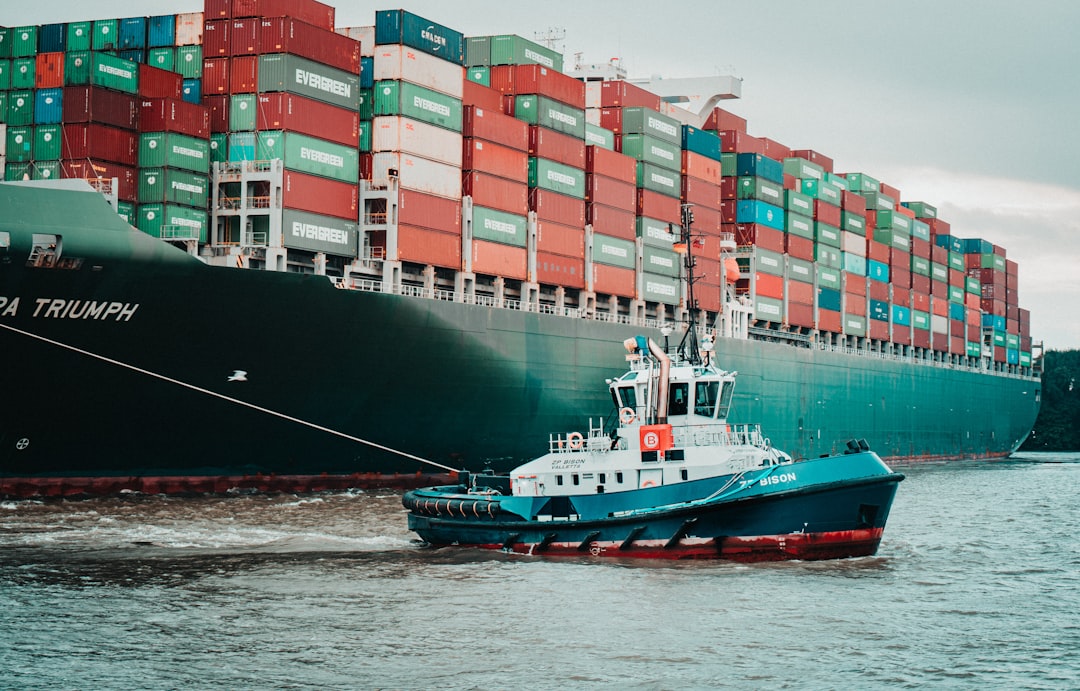
The sun beats down relentlessly on the ship-breaking yards of Alang, Gadani, and Chittagong, the behemoths of South Asia’s ship recycling industry. For decades, these beaches have been the final resting place for the world’s aging vessels, a testament to the region’s prowess in dismantling colossal metal structures. However, this vital industry, a significant contributor to the economies of India, Pakistan, and Bangladesh, has long been plagued by a tarnished reputation. Concerns regarding worker safety, environmental degradation, and the questionable fate of hazardous materials have cast a long shadow. Yet, a seismic shift is underway. A revolution is brewing, propelled by a confluence of international regulations, technological advancements, and a growing demand for sustainable practices. This article delves into the multifaceted efforts to revolutionize South Asia’s ship recycling industry, transforming it from a hazardous undertaking into a model of responsible and environmentally sound industrial practice.
The legacy of conventional ship recycling in South Asia is not one to be celebrated without critical examination. While it has provided livelihoods for millions and contributed significantly to the circular economy by reclaiming valuable materials like steel, the human and environmental costs have been substantial. Understanding these challenges is paramount to appreciating the magnitude of the ongoing revolution.
Worker Safety: A Human Cost
The most immediate and visceral concern has always been the safety of the thousands of workers who toiled in these yards. Working with immense, heavy metal structures, often with rudimentary safety equipment, has led to a tragic history of accidents, injuries, and fatalities.
Unsafe Working Conditions and Practices
Workers often faced the inherent dangers of falling from great heights, being crushed by shifting steel, and exposure to toxic substances without adequate protective gear. The sheer scale of the vessels meant that every cut, every weld, every bolt removed carried inherent risks. The lack of proper training and standardized safety protocols exacerbated these dangers.
Exposure to Hazardous Materials
Ships, particularly older ones, are a veritable cocktail of hazardous materials. Asbestos, heavy metals like lead and mercury, persistent organic pollutants (POPs), and various paints and coatings pose significant health risks. The uncontrolled dismantling and disposal of these materials have led to widespread environmental contamination and severe health problems for workers, including respiratory diseases, neurological damage, and even cancer.
Environmental Degradation: A Scar on the Landscape
The impact of ship recycling on the delicate coastal ecosystems of South Asia has been a cause for grave concern. The sprawling yards, often situated in ecologically sensitive areas, have borne the brunt of industrial pollution.
Contamination of Land and Water
The uncontrolled discharge of oil, grease, and other toxic chemicals from the dismantled vessels has seeped into the soil and polluted coastal waters. This contamination harms marine life, degrades water quality, and poses a threat to local fishing communities and their livelihoods. The beaches themselves have become dumping grounds for waste materials.
Inadequate Waste Management and Disposal
Historically, the management and disposal of hazardous waste generated during ship recycling have been woefully inadequate. Without proper segregation, treatment, and secure disposal mechanisms, these materials have leached into the environment, creating long-term pollution problems. The sheer volume of waste generated from each ship presents an immense logistical and environmental challenge.
Regulatory Gaps and Enforcement Issues
The existing regulatory frameworks in many South Asian countries have often been insufficient to address the complexities of ship recycling. Furthermore, even where regulations existed, their enforcement has frequently been weak, allowing unsafe practices to persist.
Weak or Outdated Legislation
The legal frameworks governing ship recycling in some South Asian nations have lagged behind international standards. This has created loopholes that allow ship owners to offload their end-of-life vessels to yards with lower safety and environmental standards, effectively exporting their pollution and risks.
Challenges in Monitoring and Enforcement
The vastness of the ship-breaking yards and the sheer volume of activity make effective monitoring and enforcement a Herculean task for regulatory bodies. Limited resources, corruption, and a lack of technical expertise have often hampered their ability to ensure compliance with existing laws.
The South Asia ship recycling industry plays a crucial role in the global maritime economy, particularly in countries like Bangladesh, India, and Pakistan. A related article that delves deeper into the environmental and economic impacts of this industry can be found at this link. This article explores the challenges and opportunities faced by shipbreaking yards, highlighting the need for sustainable practices to mitigate environmental damage while supporting local economies.
The Dawn of a New Era: International Mandates and Agreements
The persistent issues plaguing the industry have not gone unnoticed on the global stage. International agreements and regulations are now playing a pivotal role in driving change and pushing South Asian nations towards more responsible practices. The most significant of these is the Hong Kong International Convention for the Safe and Environmentally Sound Recycling of Ships.
The Hong Kong Convention: A Global Framework
The Hong Kong Convention, adopted in 2009, represents a landmark achievement in the effort to ensure safer and more environmentally friendly ship recycling. While its ratification and implementation are still ongoing, it provides a clear roadmap for the industry worldwide.
Ensuring Safe and Environmentally Sound Recycling
The convention establishes international standards for the design, construction, operation, and preparation of ships for recycling. It mandates that ships are constructed with materials that can be safely recycled, and that ship recycling facilities have the necessary safety and environmental protection measures in place.
Responsibilities of Shipowners, Shipbuilders, and Recycling Facilities
The Hong Kong Convention clearly defines the responsibilities of all stakeholders involved in the ship recycling process. Shipowners are required to provide an inventory of hazardous materials on board their vessels. Shipbuilders are encouraged to design ships for easier and safer dismantling. Recycling facilities must obtain a “Ship Recycling Facility Plan” and an “Inventory Certificate” to demonstrate compliance.
The EU Ship Recycling Regulation: A Driving Force
The European Union’s Ship Recycling Regulation (SRR), which came into force in 2013, has been a significant catalyst for change, particularly for countries exporting end-of-life vessels to South Asia. The SRR mandates that ships flying the flag of an EU member state must be recycled in an EU-approved facility.
Impact on European-Flagged Vessels
This regulation effectively restricts the ability of EU member states to send their ships to non-compliant recycling yards. It has pushed shipowners to seek out and invest in facilities that meet higher international standards, thereby creating a market for responsible recycling.
Encouraging Upgrades in South Asian Yards
While initially seen as a barrier, the SRR has inadvertently spurred significant investment and upgrades in some South Asian yards. To attract lucrative contracts for dismantling EU-flagged vessels, these yards have been compelled to improve their infrastructure, safety protocols, and environmental management systems to gain EU approval.
Industry Initiatives and Corporate Social Responsibility
Beyond government regulations, the industry itself is witnessing a growing awareness and commitment to sustainable practices. Various industry associations and individual companies are taking proactive steps to improve their operations and reputation.
The Role of Industry Associations
Organizations like the Ship Recycling Association and national maritime bodies are increasingly advocating for best practices, providing training, and facilitating knowledge sharing among their members. They play a crucial role in promoting self-regulation and driving collective action.
Corporate Commitments to Sustainability
Leading shipping companies, driven by investor pressure, consumer demand, and a genuine desire to operate more ethically, are increasingly incorporating sustainability into their ship recycling policies. This includes conducting due diligence on recycling yards and demanding proof of compliance with international standards.
Technological Advancements: The Enablers of Change

The revolution in South Asia’s ship recycling industry is not solely driven by regulations; it is also significantly propelled by the adoption of innovative technologies that enhance safety, efficiency, and environmental protection.
Advanced Dismantling Techniques
Traditional methods of cutting and dismantling ships often involved manual labor and potentially hazardous techniques. Newer technologies are offering safer and more precise alternatives.
Plasma Cutting and Laser Technology
The introduction of advanced cutting technologies like plasma cutters and, in some forward-thinking yards, even laser cutting, offers greater precision and speed. This reduces the risk of accidents associated with manual cutting and also minimizes the generation of sparks, which can be a fire hazard.
Mechanized Cutting and Lifting Equipment
The use of hydraulic shears, robotic arms, and advanced lifting equipment allows for the safer and more controlled dismantling of large structural components. This reduces the reliance on manual labor in high-risk areas and minimizes the potential for collapses or accidental drops.
Hazardous Material Identification and Management Systems
Accurate identification and safe management of hazardous materials are critical. Technology is playing a vital role in this aspect.
Digital Inventory and Tracking Systems
Implementing digital inventory systems allows for the precise identification, classification, and tracking of all hazardous materials on board a vessel before dismantling begins. This information is crucial for developing a safe dismantling plan and ensuring proper disposal.
On-Site Treatment and Containment Technologies
Advanced containment systems and on-site treatment technologies for specific hazardous materials are being explored and implemented. This reduces the need to transport hazardous waste over long distances, minimizing environmental risks.
Environmental Monitoring and Pollution Control Technologies
Protecting the delicate coastal environment requires sophisticated monitoring and control measures. Technology is providing the tools to achieve this.
Real-time Air and Water Quality Monitoring
The deployment of real-time sensors for monitoring air and water quality allows for immediate detection of any pollution events. This enables swift intervention and mitigation efforts, preventing widespread environmental damage.
Advanced Wastewater Treatment Systems
Implementing modern wastewater treatment plants ensures that any effluent discharged from the recycling yards meets stringent environmental standards. These systems can effectively remove pollutants before water is released back into the environment.
Towards Sustainable Practices: The Pillars of the Revolution

The transformation of South Asia’s ship recycling industry hinges on the widespread adoption and meticulous implementation of sustainable practices across all facets of the operation. This is a multi-pronged approach that addresses both immediate concerns and long-term environmental stewardship.
Prioritizing Worker Welfare and Safety
At the heart of any responsible industry lies the well-being of its workforce. The revolution is placing a renewed emphasis on creating a safe and equitable working environment.
Comprehensive Training and Skill Development
Investing in robust training programs is paramount. This includes educating workers on safe handling of tools and machinery, emergency procedures, hazard identification, and the proper use of personal protective equipment (PPE). Continuous skill development ensures workers are equipped to handle evolving technologies and practices.
Provision of Adequate Personal Protective Equipment (PPE)
Ensuring that all workers are provided with and consistently use appropriate PPE, such as helmets, safety shoes, gloves, respirators, and specialized clothing, is non-negotiable. Regular inspection and maintenance of PPE are crucial.
Health Monitoring and Medical Facilities
Establishing accessible on-site medical facilities and implementing regular health monitoring programs for workers exposed to potential hazards are essential. This proactive approach helps in early detection and treatment of work-related illnesses.
Implementing Robust Environmental Management Systems
Protecting the marine and coastal ecosystems is a fundamental aspect of the industry’s transformation. This requires a systematic approach to waste management and pollution control.
Strict Segregation and Disposal of Hazardous Waste
Developing and adhering to strict protocols for the segregation, labeling, and temporary storage of hazardous waste are critical. This waste must then be transported to certified facilities for safe treatment and disposal according to national and international regulations.
Containment and Remediation of Oil Spills and Contamination
Implementing robust containment measures to prevent oil spills and other chemical leaks is vital. This includes having readily available spill response equipment and trained personnel. Remediation plans for any existing contamination on the site must also be in place.
Promoting a Circular Economy Approach
Beyond dismantling, the industry is increasingly embracing the principles of a circular economy. This involves maximizing the recovery of reusable materials and minimizing waste sent to landfills.
Enhancing Transparency and Accountability
For the revolution to be truly effective, transparency and accountability must become cornerstones of the industry. This builds trust and ensures that commitments are met.
Independent Audits and Certifications
Seeking independent third-party audits and certifications, such as those aligned with the Hong Kong Convention or other recognized international standards, provides credible assurance of compliance. These certifications demonstrate a commitment to best practices.
Public Disclosure and Reporting Mechanisms
Establishing mechanisms for public disclosure of environmental performance, safety records, and community engagement initiatives builds trust with stakeholders and the wider public. Regular reporting on progress and challenges is essential.
The South Asia ship recycling industry has been a topic of increasing interest due to its significant economic implications and environmental challenges. A related article explores the evolving practices and regulations within this sector, highlighting the balance between economic benefits and environmental responsibilities. For more insights, you can read the article on this subject here. This discussion sheds light on how countries like India and Bangladesh are navigating the complexities of ship dismantling while striving for sustainable development.
The Path Forward: Challenges and Opportunities
| Country | Number of Ship Recycling Yards | Annual Ship Recycling Capacity (in LDT) |
|---|---|---|
| India | 150 | 4,500,000 |
| Bangladesh | 80 | 2,000,000 |
| Pakistan | 30 | 1,000,000 |
The journey of revolutionizing South Asia’s ship recycling industry is far from over. While significant progress has been made, several challenges remain, and new opportunities are constantly emerging. Navigating this landscape requires a continued commitment to innovation, collaboration, and unwavering dedication to sustainable principles.
Overcoming Remaining Hurdles
Despite the positive momentum, several obstacles stand in the way of complete transformation. Addressing these is crucial for long-term success.
Investment in Infrastructure and Technology
While some yards have made significant investments, many still require substantial capital infusion to upgrade their infrastructure, acquire advanced technology, and implement state-of-the-art environmental management systems. Access to financing remains a key challenge for smaller players.
Capacity Building and Skill Enhancement
The rapid pace of technological change and the increasing complexity of regulatory requirements necessitate continuous capacity building. This involves not only training workers but also equipping managers, engineers, and regulatory officials with the knowledge and skills to oversee and implement modern recycling practices.
Ensuring Fair Competition and Preventing “Race to the Bottom”
There remains a risk of a “race to the bottom,” where yards that do not invest in safety and environmental protection can undercut those that do. International collaboration and strong enforcement mechanisms are needed to ensure a level playing field and prevent the circumvention of standards.
Seizing Emerging Opportunities
The global demand for sustainable ship recycling is growing, presenting significant opportunities for South Asian nations that embrace these changes.
Becoming Global Hubs for Green Ship Recycling
By proactively adopting international standards and investing in advanced technologies, South Asian countries can position themselves as global hubs for green and responsible ship recycling. This can attract high-value contracts and create a competitive advantage.
Development of New Technologies and Innovations
The ongoing transformation presents fertile ground for innovation. Research and development in areas such as advanced material recovery, eco-friendly dismantling techniques, and sophisticated waste treatment technologies can lead to new business models and economic growth.
Strengthening Supply Chains for Recycled Materials
As the industry becomes more responsible, the demand for high-quality recycled materials will increase. Developing robust supply chains for these materials, from steel to various other components, can create new economic opportunities and further bolster the circular economy.
In conclusion, the revolution in South Asia’s ship recycling industry is a testament to the power of collective action, driven by international imperatives, technological advancements, and a growing recognition of the importance of sustainability. The beaches of Alang, Gadani, and Chittagong are no longer just places where ships meet their end, but are transforming into beacons of responsible industrial practice, promising a safer future for workers, a healthier environment for coastal communities, and a more sustainable contribution to the global economy. The journey is ongoing, but the direction is clear: towards a future where the dismantling of ships is synonymous with safety, environmental stewardship, and economic prosperity.

The Beaches Global Trade Can’t Afford to Lose
FAQs
What is the South Asia ship recycling industry?
The South Asia ship recycling industry refers to the dismantling and recycling of end-of-life ships in countries such as India, Bangladesh, and Pakistan. These countries are known for their large shipbreaking yards where old ships are taken apart for scrap metal and other reusable materials.
Why is the South Asia ship recycling industry significant?
The South Asia ship recycling industry is significant due to the large volume of ships that are brought to these yards for dismantling. It is also a major source of employment for the local population and contributes to the economy of the region.
What are the environmental and safety concerns associated with the South Asia ship recycling industry?
The ship recycling industry in South Asia has been criticized for its environmental and safety practices. These concerns include the release of hazardous materials into the environment, unsafe working conditions for laborers, and lack of proper waste management.
What regulations govern the South Asia ship recycling industry?
The South Asia ship recycling industry is governed by international regulations such as the Hong Kong International Convention for the Safe and Environmentally Sound Recycling of Ships. Additionally, countries like India and Bangladesh have their own national regulations for ship recycling.
What are the future prospects for the South Asia ship recycling industry?
The future prospects for the South Asia ship recycling industry are influenced by increasing global awareness of environmental and safety issues. Efforts are being made to improve practices and compliance with regulations, as well as exploring sustainable and environmentally friendly methods for ship recycling.