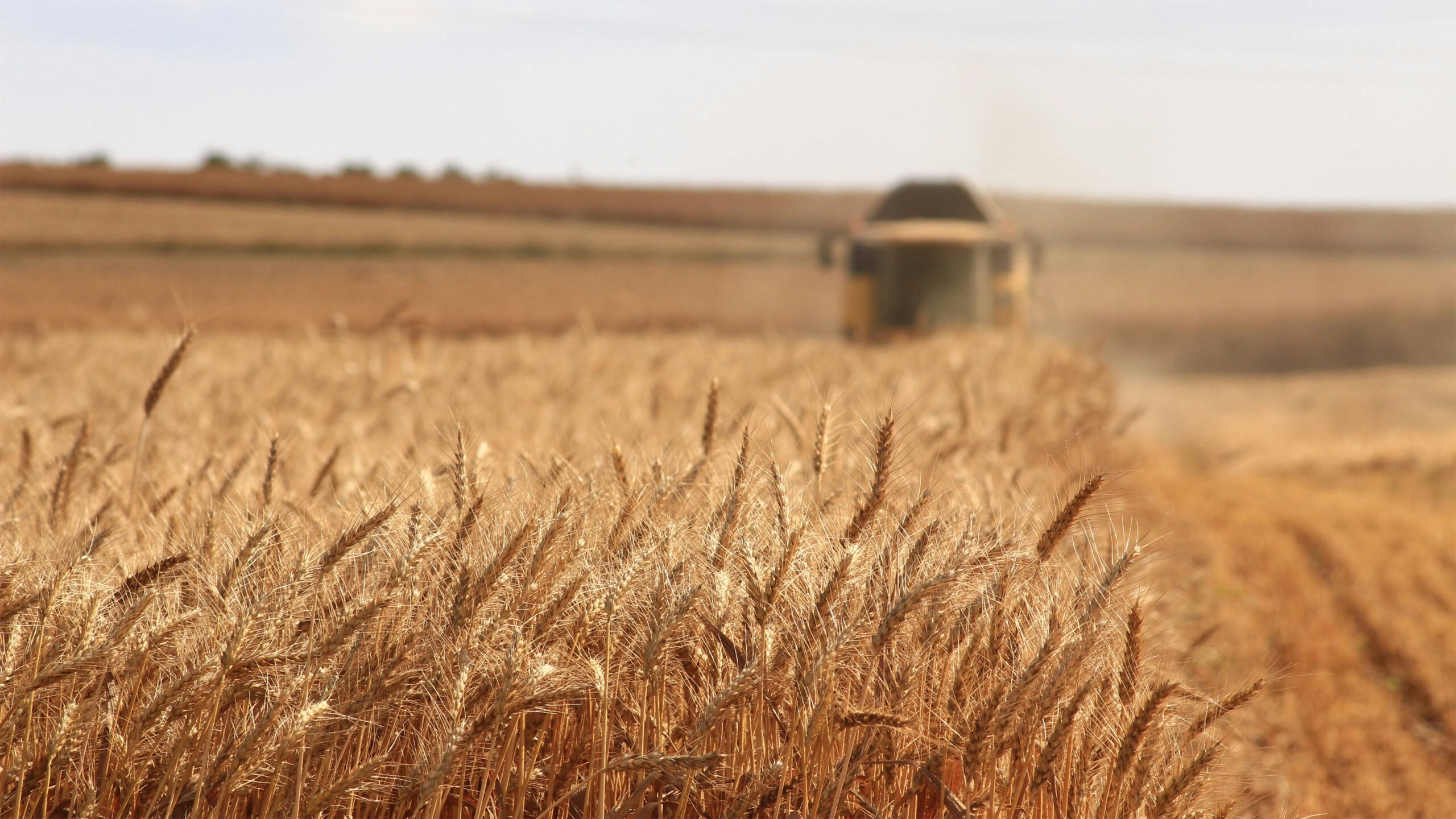
The fields of America, once tilled by hand and guided by intuition, stand on the precipice of a profound transformation. A confluence of technological innovation, evolving consumer demands, and the urgent necessity of environmental stewardship is ushering in a new era for American agriculture, one that promises greater efficiency, sustainability, and resilience. This revolution is not a single, dramatic event, but rather a series of interconnected advancements and paradigm shifts, each contributing to a more robust and future-proof agricultural landscape. From the precision with which crops are nurtured to the very definition of where and how food is grown, the future of American agriculture is being redefined.
The monolithic farm of yesteryear, managed through broad strokes and generalized techniques, is giving way to a hyper-individualized approach. Precision agriculture, powered by a sophisticated array of sensors, drones, and data analytics, allows farmers to understand and respond to the unique needs of every inch of their land and every plant within their fields. This granular level of management optimizes resource utilization, minimizes waste, and ultimately boosts yields and profitability.
Smart Sensors and IoT Devices
The foundation of precision agriculture lies in the ubiquitous deployment of smart sensors. These devices, ranging from soil moisture probes and nutrient detectors to weather stations and pest monitors, transmit real-time data to a central platform. The Internet of Things (IoT) interconnects these sensors, creating a dynamic network of information that paints a detailed picture of field conditions. This data allows farmers to move beyond scheduled watering and fertilizing to a system of needs-based application.
Optimizing Water Usage
Water scarcity is a growing concern for agricultural regions across the nation. Precision irrigation systems, guided by soil moisture data from sensors, ensure that water is delivered precisely when and where it is needed. Instead of blanket watering, which can lead to runoff and wastage, these systems can target individual plants or zones, significantly reducing water consumption. This not only conserves a precious resource but also lowers irrigation costs.
Targeted Nutrient Application
Soil nutrient levels can vary dramatically even within a single field. Advanced sensors can identify nutrient deficiencies or excesses, allowing for the precise application of fertilizers only where and in the quantities required. This “spoon-feeding” approach prevents over-fertilization, which can lead to nutrient runoff into waterways, causing environmental harm. It also ensures that crops receive the optimal balance of nutrients for healthy growth and maximum yield.
Pest and Disease Detection
Early detection of pests and diseases is crucial for preventing widespread crop damage. Networked sensors and imaging technologies, including those mounted on drones, can identify the subtle signs of these threats long before they become visually apparent to the human eye. This allows for targeted interventions, such as the application of specific biocontrol agents or localized pesticide treatments, rather than broad-spectrum spraying, thus reducing chemical usage and protecting beneficial insects.
Drones and Aerial Imaging
Drones have emerged as indispensable tools in the precision agriculture arsenal. Equipped with high-resolution cameras, multispectral sensors, and even thermal imaging capabilities, they provide farmers with an aerial perspective of their fields that was previously unattainable.
Crop Health Monitoring
Drones can capture detailed images of crop canopies, revealing variations in plant health, color, and growth patterns. Multispectral imagery can highlight areas of stress, disease, or nutrient deficiency, allowing farmers to pinpoint problem areas quickly and efficiently. This proactive approach to crop monitoring enables timely interventions before significant damage occurs.
Field Mapping and Scouting
Drones can generate detailed maps of fields, providing information on elevation, soil type variations, and even the presence of weeds. This data assists in improving field layout, optimizing planting patterns, and identifying areas that may require special attention. Furthermore, drone-powered scouting reduces the time and labor required for on-foot field inspections.
Precision Spraying and Seeding
Emerging drone technology is enabling precise application of fertilizers, pesticides, and even seeds. Drones equipped with spraying mechanisms can deliver treatments to specific areas, minimizing drift and waste. Similarly, some drones are being developed for precision seeding, ensuring optimal plant spacing for higher yields.
Data Analytics and Farm Management Software
The sheer volume of data generated by sensors and drones would be overwhelming without powerful analytical tools. Farm management software integrates this data, providing farmers with actionable insights and predictive capabilities.
Predictive Yield Analysis
By analyzing historical yield data, weather patterns, and current crop conditions, sophisticated algorithms can predict future yields with a remarkable degree of accuracy. This information is invaluable for marketing, logistics, and financial planning.
Resource Optimization Recommendations
Farm management software can provide specific recommendations for optimizing irrigation schedules, fertilizer application rates, and pest management strategies based on the collected data. This data-driven decision-making empowers farmers to make more informed choices, leading to increased efficiency and reduced costs.
Supply Chain Integration
As agriculture becomes more data-intensive, there is a growing trend towards integrating farm management systems with downstream supply chain partners. This allows for better forecasting of demand, streamlined logistics, and a more responsive food system from farm to table.
As we look towards the future of American agriculture, it’s essential to consider the innovations and challenges that lie ahead. A related article discusses the impact of technology and sustainable practices on farming efficiency and productivity. For more insights on this topic, you can read the article here: Future of American Agriculture. This resource provides a comprehensive overview of how modern techniques are shaping the agricultural landscape in the United States.
Biotechnology and Genetic Innovation: Enhancing Crop Resilience
Beyond the realm of precise application, the very make-up of our crops is undergoing significant advancements. Biotechnology and genetic innovation are unlocking new potentials, creating crops that are more resistant to disease, more tolerant of environmental stresses, and more nutritious.
Gene Editing Technologies (CRISPR)
Technologies like CRISPR-Cas9 have revolutionized the ability to edit plant genomes with unprecedented precision. These tools allow scientists to make targeted modifications to a plant’s DNA, enhancing desirable traits or removing undesirable ones.
Disease Resistance
The development of crops with inherent resistance to common diseases can significantly reduce the need for chemical pesticides. Gene editing can introduce genes that bolster a plant’s natural defense mechanisms, protecting it from the ravages of pathogens and saving farmers substantial losses.
Drought and Salinity Tolerance
As climate change brings more extreme weather patterns, including prolonged droughts and increased soil salinity, the need for resilient crops becomes paramount. Gene editing can develop varieties that can thrive in arid conditions or in soils with high salt content, opening up new regions for agriculture and ensuring food security in vulnerable areas.
Allergen Reduction and Nutrient Enhancement
Biotechnology can also be used to improve the nutritional profile of crops. This includes reducing the presence of allergens in common foods or enhancing the levels of essential vitamins and minerals, contributing to a healthier population. For instance, golden rice, engineered to produce beta-carotene, aims to combat Vitamin A deficiency.
Advanced Breeding Techniques
While gene editing represents the cutting edge, traditional breeding methods, augmented by modern scientific understanding, continue to play a vital role in developing improved crop varieties.
Marker-Assisted Selection (MAS)
MAS uses DNA markers to identify genes associated with desirable traits. This allows breeders to select for these traits much earlier and more efficiently in the breeding process, accelerating the development of new crop varieties.
Genomic Selection (GS)
GS goes a step further by using information from thousands of DNA markers across the entire genome to predict a plant’s breeding value for a particular trait. This allows for more accurate selection of superior individuals, leading to faster genetic gains.
Sustainable and Climate-Smart Crops
The focus of genetic innovation is increasingly shifting towards creating crops that are not only productive but also environmentally sustainable.
Reduced Fertilizer Dependency
Research is underway to develop crops that can fix their own nitrogen from the atmosphere, reducing or eliminating the need for synthetic nitrogen fertilizers. This not only lowers costs but also significantly reduces the environmental impact associated with fertilizer production and runoff.
Enhanced Carbon Sequestration
Some plants naturally absorb and store more carbon dioxide from the atmosphere. Genetic modification and advanced breeding are being employed to enhance this capacity, turning agricultural lands into carbon sinks and contributing to climate change mitigation.
Vertical Farming and Controlled Environment Agriculture: Reimagining Food Production Spaces

The traditional image of agriculture conjures vast open fields under an expansive sky. However, a significant and growing segment of the future of agriculture lies indoors, in controlled environments that offer unprecedented levels of efficiency and resource control.
Vertical Farms: Stacking Up for Sustainability
Vertical farms, often located in urban centers, utilize stacked layers of production to maximize space. These farms often employ hydroponic, aeroponic, or aquaponic systems, growing crops without soil and with significantly reduced water and land requirements.
Urban Food Security and Reduced Food Miles
By locating farms close to consumers, vertical farming drastically reduces transportation distances and associated carbon emissions. This offers increased food security for urban populations and provides fresher produce with a longer shelf life.
Year-Round Production and Climate Control
Controlled environments mean that vertical farms are not subject to seasonal fluctuations or adverse weather conditions. This allows for consistent, year-round production of a wide variety of crops, ensuring a stable supply chain.
Resource Efficiency: Water and Land
Compared to traditional agriculture, vertical farms can use up to 95% less water. They also require a fraction of the land, making them an attractive solution for areas with limited arable land.
Hydroponics, Aeroponics, and Aquaponics
These soilless growing methods are the backbone of controlled environment agriculture.
Hydroponics: Growing in Water
Hydroponic systems deliver nutrient-rich water directly to the plant roots, providing precise control over nutrient delivery and promoting rapid growth.
Aeroponics: Mist and Thrive
Aeroponic systems suspend plant roots in the air and mist them with nutrient-rich water. This method maximizes oxygen exposure to the roots, leading to exceptionally fast growth rates.
Aquaponics: A Symbiotic Ecosystem
Aquaponics combines aquaculture (raising fish) with hydroponics. The waste produced by fish fertilizes the plants, while the plants, in turn, filter the water for the fish, creating a closed-loop, sustainable system.
Controlled Environment Agriculture (CEA)
Beyond vertical farms, CEA encompasses a broader range of indoor growing facilities, including greenhouses and indoor grow rooms, all designed to optimize growing conditions.
Optimized Lighting and Climate
LED lighting systems, tailored to specific plant needs, provide efficient and customizable light spectrums. Precise control of temperature, humidity, and CO2 levels ensures optimal growth conditions, free from external environmental challenges.
Reduced Pesticide Use
The enclosed nature of these environments significantly reduces the risk of pest and disease infestations, often eliminating the need for chemical pesticides and leading to cleaner, healthier produce.
Automation and Robotics: The Future of Farm Labor
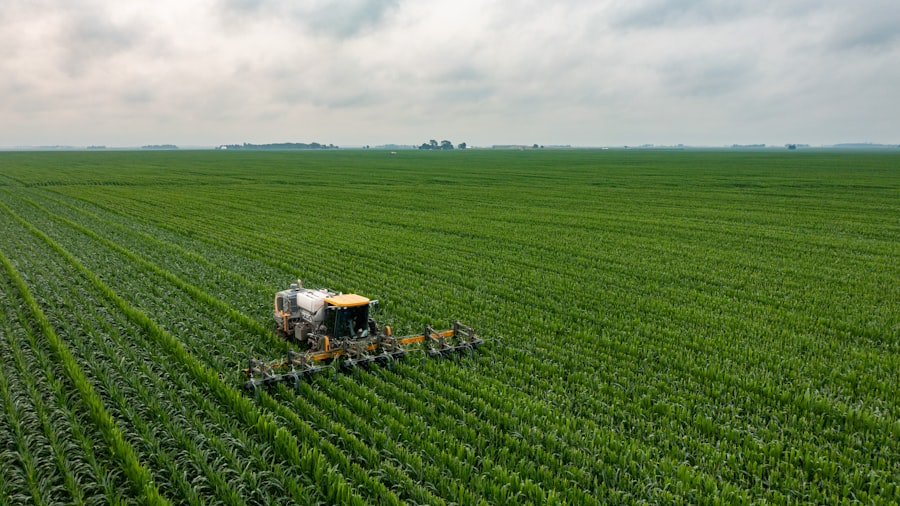
The agricultural sector, like many others, faces challenges related to labor availability and the strenuous nature of farm work. Automation and robotics are poised to address these issues, increasing efficiency, improving safety, and potentially making farming more accessible.
Autonomous Tractors and Harvesters
Self-driving tractors and robotic harvesters are no longer the stuff of science fiction. These machines, guided by GPS and advanced sensor technology, can perform tasks with incredible precision and consistency.
Increased Efficiency and Reduced Labor Costs
Autonomous machinery can operate 24/7, performing repetitive tasks with greater speed and accuracy than human operators, thereby reducing labor costs and increasing overall operational efficiency.
Precision Operations
Autonomous vehicles can execute tasks like planting, tilling, and harvesting with millimeter precision, optimizing seed placement, fertilizer application, and crop harvesting to minimize waste and maximize yield.
Enhanced Safety
Robots can perform hazardous tasks, such as operating in dangerous terrain or handling heavy machinery, thereby improving worker safety and reducing the risk of accidents.
Robotic Weeding and Thinning
Weeding and thinning are labor-intensive tasks. Robotic systems are being developed to automate these processes.
Targeted Weed Removal
Robotic weeders use cameras and artificial intelligence to identify and remove weeds with precision, minimizing the need for herbicides and protecting crops from competition.
Seedling Thinning
Thinning seedlings to achieve optimal plant spacing can be a tedious process. Robots can perform this task with accuracy, ensuring each plant has sufficient space to grow and thrive.
Automated Harvesting Systems
The harvesting of delicate fruits and vegetables has long been a challenge for automation. However, significant progress is being made.
Delicate Fruit and Vegetable Harvesting
Robotic arms equipped with advanced sensors and sophisticated grip mechanisms are being developed to gently pick ripe produce without causing damage, a crucial step towards automating the harvesting of many high-value crops.
Data Collection During Harvest
Harvesting robots can also collect valuable data on yield, quality, and ripeness of individual fruits and vegetables, providing further insights for farm management.
As the landscape of American agriculture continues to evolve, it’s essential to stay informed about the latest trends and innovations shaping the industry. A related article that delves into these changes can be found at My Geo Quest, where you can explore insights on sustainable practices, technological advancements, and the future challenges that farmers may face. Understanding these dynamics is crucial for anyone interested in the future of food production and environmental stewardship in the United States.
Sustainability and Environmental Stewardship: A Core Tenet
| Metrics | Data |
|---|---|
| Technology Adoption | Increasing use of precision agriculture and automation |
| Sustainability | Focus on sustainable farming practices and environmental stewardship |
| Market Trends | Shift towards organic and locally sourced products |
| Challenges | Labor shortages and climate change impact |
| Government Policies | Impact of trade agreements and subsidies on agriculture |
The revolution in American agriculture is inextricably linked to the urgent need for greater environmental sustainability. Farmers are increasingly embracing practices that protect natural resources, reduce their carbon footprint, and contribute to a healthier planet.
Regenerative Agriculture Practices
Regenerative agriculture focuses on rebuilding soil health and increasing biodiversity, moving beyond simply minimizing harm to actively improving the ecosystem.
Cover Cropping and Crop Rotation
Planting cover crops between cash crops can protect soil from erosion, improve soil structure, and add nutrients. Crop rotation helps to break pest and disease cycles and improve soil fertility.
No-Till and Reduced Tillage Farming
Minimizing or eliminating tillage preserves soil structure, prevents erosion, and promotes the growth of beneficial soil microorganisms. This also sequents more carbon in the soil.
Composting and Manure Management
The use of compost and managed animal manure as fertilizers enriches the soil, reduces reliance on synthetic fertilizers, and diverts organic waste from landfills.
Water Conservation and Management
Beyond precision irrigation, broader strategies are being implemented to conserve water.
Drip Irrigation and Subsurface Irrigation
These methods deliver water directly to the plant roots, minimizing evaporation and runoff.
Rainwater Harvesting and Water Recycling
Capturing and utilizing rainwater, and recycling water from agricultural operations, can significantly reduce reliance on freshwater sources.
Protecting Waterways from Runoff
Implementing buffer strips of vegetation along rivers and streams helps to filter nutrient and sediment runoff, protecting water quality.
Reducing Greenhouse Gas Emissions
The agricultural sector is a significant contributor to greenhouse gas emissions, but innovation is driving a shift towards lower emissions.
Methane Reduction in Livestock
Research and development are focused on dietary interventions and improved manure management to reduce methane emissions from cattle.
Nitrous Oxide Mitigation
Optimizing nitrogen fertilizer application and exploring alternative nitrogen sources can reduce nitrous oxide emissions.
Sequestration of Carbon in Soils
As mentioned earlier, regenerative agriculture practices and the development of carbon-sequestering crops are key to turning agricultural lands into carbon sinks.
Renewable Energy Adoption
On-farm solar, wind, and biogenerators are becoming increasingly common, providing clean energy for farm operations and potentially even feeding surplus energy back into the grid.
Biodiversity Enhancement
A healthy agricultural system relies on a diverse range of plant and animal life.
Pollinator Habitats
Creating and maintaining habitats for pollinators, such as bees and butterflies, is crucial for crop pollination and ecosystem health.
Integrated Pest Management (IPM)
IPM strategies prioritize biological controls, crop rotation, and targeted pesticide applications to minimize harm to beneficial insects and the environment.
Habitat Restoration
Farmers are increasingly participating in habitat restoration projects on their land, contributing to the conservation of local flora and fauna.
The future of American agriculture is bright and brimming with innovation. It is a future where technology and nature work in concert, where data guides every decision, and where the land is nurtured for generations to come. The challenges are significant, but the ingenuity and dedication of American farmers, coupled with the relentless march of scientific progress, are paving the way for an agricultural landscape that is not only more productive but also more sustainable, resilient, and ultimately, better for us all.

The Water Beneath America’s Breadbasket
FAQs
What is the future of American agriculture?
The future of American agriculture is expected to be shaped by technological advancements, sustainable practices, and changing consumer demands. Farmers are likely to adopt precision agriculture techniques, use more automation and robotics, and focus on environmentally friendly practices to meet the growing demand for food while minimizing their impact on the environment.
How will technology impact the future of American agriculture?
Technology is expected to play a significant role in the future of American agriculture. Advancements in precision agriculture, data analytics, and automation are likely to improve efficiency, reduce resource use, and increase yields. Additionally, technologies such as gene editing and biotechnology may lead to the development of new crop varieties with improved traits.
What are the challenges facing the future of American agriculture?
Challenges facing the future of American agriculture include climate change, water scarcity, soil degradation, and the need to feed a growing global population. Additionally, farmers may face economic challenges, such as fluctuating commodity prices and trade uncertainties. Adapting to these challenges will require innovative solutions and sustainable practices.
How will consumer demands impact the future of American agriculture?
Consumer demands for sustainably produced, locally sourced, and organic foods are likely to influence the future of American agriculture. Farmers may need to adapt their practices to meet these demands, such as implementing organic farming methods, diversifying their crops, or participating in direct-to-consumer marketing channels.
What are the opportunities in the future of American agriculture?
The future of American agriculture presents opportunities for innovation, diversification, and collaboration. Farmers may explore new markets, value-added products, and agri-tourism. Additionally, there may be opportunities for partnerships with technology companies, research institutions, and government agencies to drive sustainable and productive agriculture.