The North Aral Sea, once a ghost of its former glory, now stands as a testament to human resilience and ecological restoration. Once the fourth largest lake in the world, this vast inland sea, shared by Kazakhstan and Uzbekistan, suffered a dramatic decline in the latter half of the 20th century. Driven by ambitious irrigation projects that diverted its lifeline, the Amu Darya and Syr Darya rivers, the Aral Sea began to shrink at an alarming rate. This ecological catastrophe had devastating consequences, not only for the environment but also for the communities that depended on its bounty. However, a remarkable story of revival has unfolded, breathing life back into the desiccated landscape and offering a glimmer of hope for similar environmental challenges worldwide.
Soviet-Era Ambitions and Agricultural Expansion
The seeds of the Aral Sea’s demise were sown in the mid-20th century, a period characterized by grand Soviet aspirations for agricultural dominance. The arid regions of Central Asia, deemed ideal for cotton cultivation, were targeted for massive irrigation schemes. The rationale was simple: to transform vast desert areas into productive farmland. This ambitious vision, however, came at an immeasurable cost to the Aral Sea.
The Lifelines Diverted: Amu Darya and Syr Darya
The Aral Sea was primarily fed by two mighty rivers: the Amu Darya flowing from the south and the Syr Darya from the east. These rivers, once carrying significant volumes of water, became the primary conduits for irrigation water. Enormous canal systems, such as the Karakum Canal, were constructed to divert these rivers’ flows towards cotton fields. The intention was to harness the water for agricultural gain, with little regard for the ecological equilibrium of the Aral Sea.
The Unforeseen Consequences: Shrinking Seas and Salinity
As water was increasingly siphoned away, the Aral Sea began to recede. The once-vast expanse of water contracted year after year, exposing barren land and creating dust bowls. This shrinkage was accompanied by a dramatic increase in salinity. As the water volume decreased, the dissolved salts became more concentrated, rendering the water increasingly hostile to aquatic life. Fish populations, once abundant and a cornerstone of the local economy, dwindled and eventually disappeared.
The Human Cost: Economic Devastation and Health Crises
The ecological collapse had profound and devastating impacts on the human populations living around the Aral Sea. The fishing industry, which had sustained entire communities for generations, collapsed overnight. Coastal towns became landlocked, their ports becoming eerie relics of a bygone era. The economic hardship was immense, forcing many to abandon their homes in search of alternative livelihoods.
The Economic Ruin of Fishing Communities
The Aral Sea was a vibrant ecosystem supporting a thriving fishing industry. Numerous species of fish, including sturgeon, carp, and zander, were commercially harvested, providing both sustenance and income for the local population. The drying up of the sea meant the extinction of these fisheries, leading to widespread unemployment and poverty in formerly prosperous port towns like Aralsk.
Environmental Health Impacts: Dust Storms and Respiratory Illnesses
The exposed seabed, once submerged under water, became a source of deadly dust storms. These storms carried not only salt and sand but also toxic chemicals, pesticides, and heavy metals that had accumulated over decades of agricultural runoff. Inhaling this contaminated dust led to a significant increase in respiratory illnesses, including asthma, tuberculosis, and various forms of cancer, particularly among children and the elderly. The once-pristine air became a health hazard, further exacerbating the plight of the region’s inhabitants.
The restoration of the North Aral Sea has garnered significant attention due to its potential to revitalize the local ecosystem and improve the livelihoods of nearby communities. For a deeper understanding of the challenges and successes associated with this ambitious project, you can read a related article that explores the ongoing efforts and their impact on the region. Check it out here: North Aral Sea Restoration Efforts.
A Glimmer of Hope: The Kazakhstan Initiative
Faced with this dire situation, the international community and, crucially, the government of Kazakhstan, began to recognize the need for action. While the scale of the problem was daunting, the will to reverse at least a part of the ecological disaster began to emerge.
Recognizing the Urgency: Shifting Priorities
The environmental and humanitarian crisis surrounding the Aral Sea could no longer be ignored. The economic repercussions, coupled with the severe health impacts, spurred a re-evaluation of past policies. There was a growing understanding that the pursuit of unsustainable agricultural practices had led to an irreversible environmental disaster, and a new approach was needed.
International Cooperation and Funding
Recognizing the transboundary nature of the Aral Sea basin and the sheer scale of the problem, international organizations and donor countries stepped in. The World Bank, the United Nations, and various environmental NGOs provided crucial funding and technical expertise to support restoration efforts. This collaborative approach was essential in mobilizing resources and expertise for the ambitious undertaking.
The Turning Point: The Kok-Aral Dam Project
A pivotal moment in the Aral Sea’s revival arrived with the initiation of the Kok-Aral Dam project, a bold undertaking by Kazakhstan. This ambitious engineering feat aimed to separate the North Aral Sea from the much larger and more severely depleted South Aral Sea, and to raise the water level of the northern portion.
The Kok-Aral Dam: A Monument to Resilience
Engineering a Solution: Building the Barrier
The construction of the Kok-Aral Dam was a monumental engineering challenge. The dam, approximately 13 kilometers long, was built across the strait connecting the North Aral Sea to the South Aral Sea. Its primary purpose was to regulate the flow of water into the North Aral Sea and to prevent its further depletion into the more saline southern basin.
Overcoming Obstacles: Construction Challenges and Innovations
The construction of the dam was fraught with difficulties. The remote location, harsh climatic conditions, and the sheer scale of the undertaking required innovative engineering solutions and a dedicated workforce. The dam was built in stages, with significant efforts to stabilize its foundations in the unstable seabed. The project also involved the construction of spillways and regulating structures to control water flow.
The Technical Specifications: A feat of Modern Engineering
The Kok-Aral Dam is a robust concrete structure designed to withstand the forces of water and weather. Its strategic placement was crucial in its success. By isolating the North Aral Sea, it allowed the limited water flowing from the Syr Darya to accumulate and gradually refill the northern basin. The dam also incorporates sophisticated water management systems to regulate water levels and salinity.
The Immediate Impact: A Rising Tide
The completion of the Kok-Aral Dam in 2005 marked a turning point. The dam successfully began to hold back water, allowing the North Aral Sea to begin its slow but steady recovery. The impact was almost immediate, with visible signs of the sea’s return.
Reversing the Retreat: Water Levels Begin to Climb
As water from the Syr Darya was channeled into the North Aral Sea and prevented from flowing south, the water levels began to rise. This was a remarkable sight for the local population who had witnessed the sea recede for decades. The exposed seabed, once a barren wasteland, started to be submerged once more.
Salinity Reduction: A Crucial Step for Ecosystem Recovery
One of the most significant successes of the Kok-Aral Dam was the reduction in salinity within the North Aral Sea. As the water volume increased, the concentration of salts decreased. This was a critical step in making the environment more hospitable for aquatic life and facilitating the eventual reintroduction of fish populations.
The Ecological Rebirth
The revival of the North Aral Sea has been more than just a hydrological restoration; it has been an ecological rebirth. The return of water has kickstarted a cascade of positive changes, breathing life back into a region that had been declared ecologically dead.
The Return of Aquatic Life: Fish Stocks Rebounding
The most tangible sign of the Aral Sea’s recovery has been the resurgence of fish populations. The reduced salinity and increased water volume created an environment conducive to the survival and reproduction of various fish species.
Successful Reintroduction Programs: From Despair to Abundance
Targeted fish reintroduction programs have played a crucial role in this revival. Species that were once native to the Aral Sea, such as carp and perch, have been reintroduced. These programs, meticulously managed, have seen remarkable success, with fish populations growing and diversifying.
Economic Revival for Local Communities: The Fishing Industry’s Comeback
The return of fish has breathed new life into the local economy. The fishing industry, once defunct, is slowly but surely making a comeback. This has provided employment opportunities and a renewed sense of hope for the communities that had been devastated by the sea’s decline. The port of Aralsk, once a desolate museum of environmental failure, is gradually returning to its former bustling self.
Avian and Terrestrial Ecosystems: A Wider Impact
The restoration of the North Aral Sea has had a ripple effect on surrounding terrestrial and avian ecosystems. The increased wetland areas and the return of a water source have supported a wider array of biodiversity.
Wetland Restoration: Habitats for Migratory Birds
The receding waters had decimated wetland habitats, crucial resting and feeding grounds for migratory birds. As the Aral Sea has returned, these wetlands have begun to re-establish themselves, providing vital habitats for numerous bird species. This has led to an increase in bird diversity and abundance, transforming the region into a significant ecological corridor.
Vegetation and Wildlife: A Greener Landscape
The improved water availability and reduced salinity have also contributed to the re-establishment of vegetation in the surrounding areas. This has, in turn, supported the return of certain terrestrial wildlife species. The once-barren landscapes are slowly becoming greener, signaling a broader ecological recovery.
The restoration efforts of the North Aral Sea have garnered significant attention due to their potential to revitalize the local ecosystem and improve the livelihoods of nearby communities. A related article discusses the innovative strategies being implemented to address the environmental challenges faced by this region. For more insights on this topic, you can read the full article here. These initiatives not only aim to restore water levels but also focus on sustainable practices that could serve as a model for other areas facing similar issues.
Challenges and the Path Forward
| Year | Water Level (m) | Fish Population | Economic Impact |
|---|---|---|---|
| 2005 | 30.5 | Low | Decreased |
| 2010 | 42.3 | Increasing | Stabilizing |
| 2015 | 48.9 | Thriving | Improving |
| 2020 | 50.7 | Healthy | Positive |
Despite the remarkable success of the North Aral Sea restoration, challenges remain. The complex and interconnected nature of the Aral Sea basin means that long-term sustainability requires continuous effort and a broader regional approach.
The South Aral Sea’s Plight: A Persistent Problem
While the North Aral Sea has seen significant recovery, the South Aral Sea continues to face immense challenges. Its larger size and the more severe depletion it experienced mean that its restoration is a much more complex and resource-intensive undertaking.
Limited Water Flow and Increased Salinity
The South Aral Sea receives significantly less water from the Amu Darya river system, which has also been heavily impacted by upstream diversions. The limited inflow means that the water levels remain critically low, and salinity continues to be a major impediment to ecological recovery.
The Need for Regional Cooperation: Addressing Upstream Issues
The ultimate fate of the entire Aral Sea basin hinges on effective regional cooperation. Addressing the upstream water management issues, promoting water-efficient agricultural practices in the riparian countries, and ensuring equitable distribution of water resources are crucial for any long-term solution.
Climate Change and Future Vulnerabilities
The Aral Sea region, like many parts of the world, is increasingly vulnerable to the impacts of climate change. Changes in precipitation patterns, increased evaporation rates, and potential shifts in river flows pose ongoing threats to the restored ecosystem.
Adapting to a Changing Climate: Resilience Strategies
Developing robust climate change adaptation strategies is essential for ensuring the long-term resilience of the North Aral Sea. This includes exploring water conservation technologies, investing in drought-resistant crops, and diversifying economic activities to reduce reliance on water-intensive industries.
Sustaining the Momentum: Long-Term Management and Monitoring
The success of the North Aral Sea restoration is not a static achievement but an ongoing process. Continuous monitoring of water quality, salinity levels, and ecosystem health is vital. Long-term management plans that incorporate adaptive strategies and community engagement are crucial for sustaining the progress made. The international community’s continued support, both financially and technically, will also be instrumental in ensuring the enduring revival of this remarkable natural wonder. The story of the North Aral Sea serves as a powerful reminder that even in the face of environmental devastation, human ingenuity, collaboration, and unwavering determination can indeed bring life back to the brink.
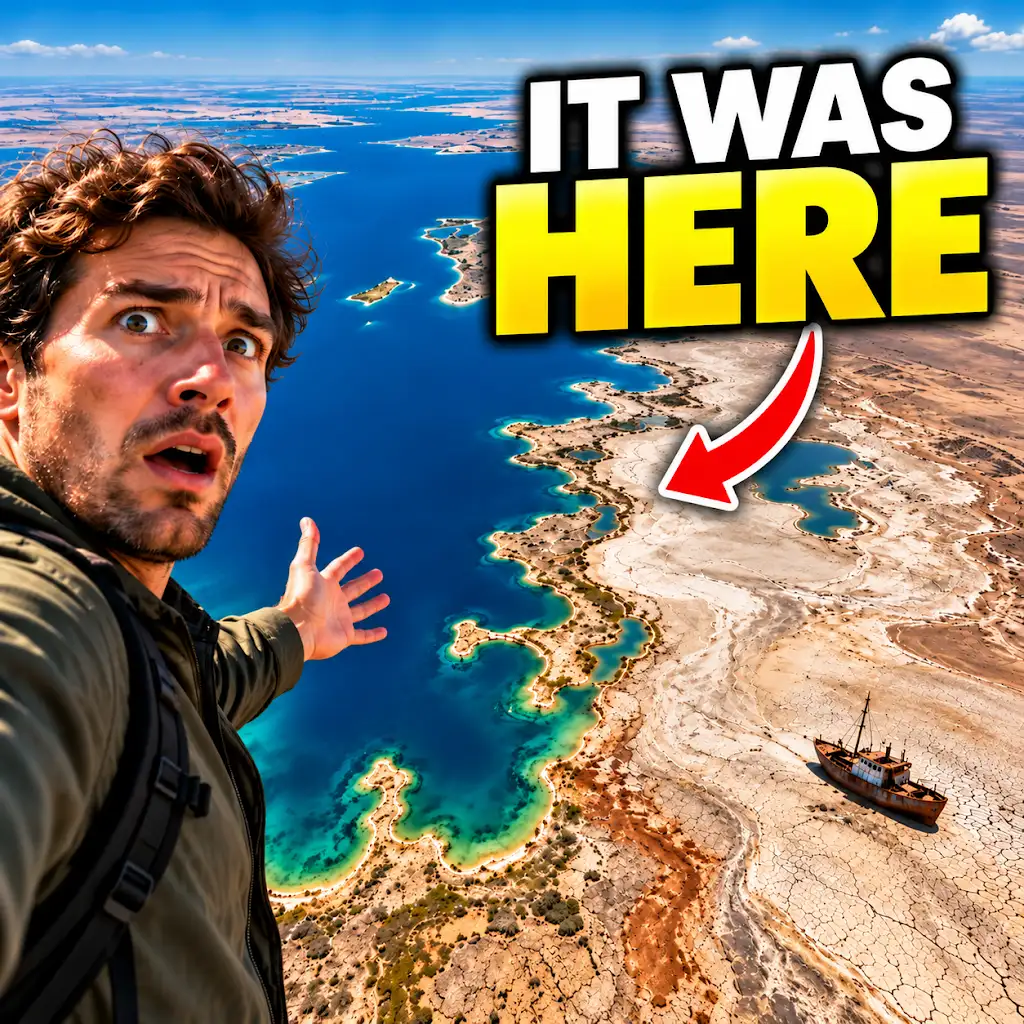
The Sea the Soviet Union Erased From the Map
FAQs
What is the North Aral Sea restoration project?
The North Aral Sea restoration project is an initiative aimed at restoring the water levels and ecosystem of the North Aral Sea, which had significantly declined due to the diversion of water for irrigation projects in the region.
When did the North Aral Sea restoration project begin?
The project began in 2005 with the construction of a dam to separate the North and South Aral Seas, allowing for the conservation of water in the North Aral Sea.
What are the goals of the North Aral Sea restoration project?
The main goals of the project are to restore the water levels of the North Aral Sea, improve the ecosystem, and revive the fishing industry in the region. Additionally, the project aims to improve the livelihoods of the local communities.
What are some of the achievements of the North Aral Sea restoration project?
Since the initiation of the project, the water levels in the North Aral Sea have risen significantly, leading to the revival of the fishing industry and the return of wildlife to the area. The local communities have also seen improvements in their livelihoods.
What are the future plans for the North Aral Sea restoration project?
The project aims to continue monitoring and managing the water levels in the North Aral Sea, as well as implementing measures to sustain the improvements achieved so far. Additionally, efforts will be made to further improve the ecosystem and support the local communities.