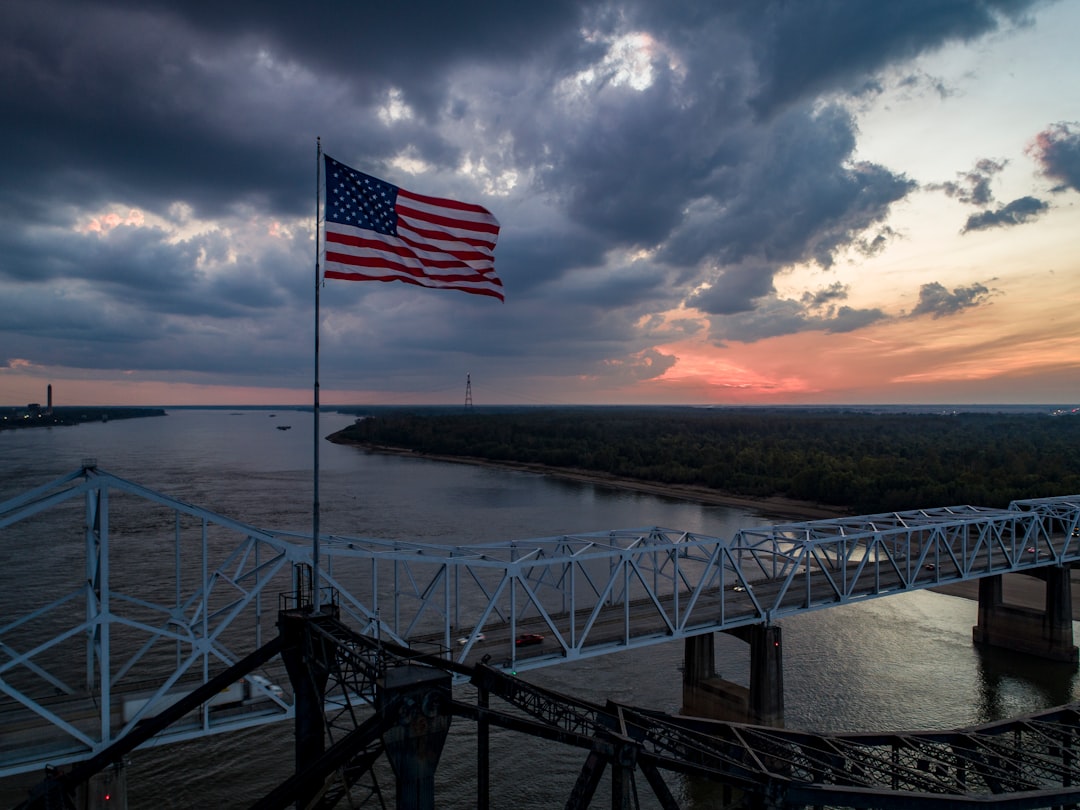
The Mississippi River, a colossal artery of the United States, has long been the lifeblood of commerce, agriculture, and communities. Yet, this vital waterway, like any aging system, faces challenges. A new documentary, “Revitalizing the Mississippi: A Documentary on River Infrastructure,” delves into the critical state of this nation-defining river and the urgent need for comprehensive modernization. This film acts as a stark examination, not of a romanticized, meandering waterway, but of a complex, engineered system upon which millions depend daily.
The Mississippi River system is far more than just a body of water; it is an intricate network of locks, dams, levees, and channels that facilitate the movement of goods and control the flow of water. Its infrastructure has supported American economic growth for centuries, acting as a superhighway for bulk commodities like grain, coal, and petroleum.
A Historical Perspective: From Sternwheelers to Superfreighters
The documentary traces the evolution of the river’s infrastructure from its early days. Initially, the river was navigated by shallow-draft vessels, susceptible to the whims of floods and droughts. The development of more robust steamboats in the 19th century marked a significant shift, enabling deeper penetration into the continent. However, the true transformation came with the U.S. Army Corps of Engineers’ ambitious projects in the 20th century. The Mississippi River Basin became a testament to human engineering, with the construction of the inland waterway system, a series of locks and dams designed to create a navigable channel of consistent depth. This “staircase of water” allowed for the efficient movement of larger barges, dramatically increasing the volume of goods that could be transported. The documentary emphasizes that this historical development is not a static monument but a living, evolving system.
The Unseen Network: Locks and Dams Explained
The core of the documentary’s exploration lies in the functionality of the locks and dams. These structures, often invisible to the casual observer, are the workhorses of the river’s commerce. Locks are essentially water elevators that raise and lower vessels between different water levels, overcoming the natural gradients of the river and allowing navigation over obstacles like waterfalls or changes in elevation. Dams, while sometimes serving navigation, also play crucial roles in flood control and hydroelectric power generation. The film offers detailed visual explanations of how these complex systems operate, highlighting the engineering prowess involved and the immense scale of their construction and maintenance. Understanding the mechanics of a lock, for instance, is akin to understanding the intricate workings of a biological pump, essential for maintaining the lifeblood of the river’s trade.
Beyond Navigation: The Multifaceted Roles of River Infrastructure
“Revitalizing the Mississippi” broadens the scope beyond mere transportation. The film underscores how the river’s infrastructure is deeply intertwined with flood control, a constant battle against the immense power of nature. Levee systems, stretching for thousands of miles, are a critical defense against catastrophic inundation of populated areas and farmlands. Furthermore, the documentary touches upon the role of the river in providing water for agriculture, industry, and municipal consumption, making its healthy functioning essential for a multitude of human activities. The river’s infrastructure, therefore, acts as a complex circulatory system, regulating not just commerce but also the very existence of many communities.
In exploring the intricate network of the Mississippi River’s infrastructure, the documentary sheds light on the historical and contemporary challenges faced by this vital waterway. For a deeper understanding of the impact of infrastructure on the river’s ecosystem and economy, you can read a related article that discusses various initiatives aimed at improving the river’s health and navigability. Check it out here: Mississippi River Infrastructure Initiatives.
The Creeping Crisis: Deterioration and Neglect
Despite its vital importance, the infrastructure of the Mississippi River system is showing its age. Decades of use, combined with underinvestment, have led to a creeping crisis that threatens to impede the flow of commerce and compromise the safety of surrounding communities.
Aging Infrastructure: A Silent Erosion
The documentary presents compelling evidence of the deteriorating state of many locks and dams. Original structures, built in the mid-20th century, are nearing or have surpassed their intended lifespans. The film showcases concrete spalling, rusting steel, and worn-out mechanical components, painting a picture of a system under immense stress. This is not a sudden collapse but a gradual erosion, like a slow leak in a vital dam, that can have cascading effects. The film uses interviews with engineers, operators, and industry professionals who articulate the daily struggles of maintaining these aging facilities, often relying on patchwork repairs and resourcefulness.
The Metaphorical Rust Belt: Economic Costs of Inaction
The economic consequences of this deterioration are a central theme. Inoperable locks can lead to significant delays, forcing barges to wait for extended periods, increasing shipping costs. These costs, in turn, are passed on to consumers. The documentary illustrates how these delays act as bottlenecks, constricting the flow of goods and impacting everything from the price of groceries to the competitiveness of American exports. The film highlights specific examples of extended closures and their ripple effects, illustrating how a seemingly localized infrastructure problem can have far-reaching economic implications, contributing to a de facto “rust belt” of national commerce.
Safety Concerns: A Looming Threat
Beyond economic impacts, the documentary also addresses growing safety concerns. The structural integrity of aging dams and levees is a significant worry. A catastrophic failure of any of these structures could result in devastating flooding, threatening lives and livelihoods. The film presents archival footage of past floods and discusses the potential scale of future disasters if proactive measures are not taken. The documentary argues that the cost of maintenance and repair, while substantial, pales in comparison to the human and economic toll of a major infrastructure failure. This is the equivalent of ignoring a growing crack in a skyscraper’s foundation; the risk becomes exponentially greater with each passing day.
The Urgent Call to Action: Modernization and Investment

“Revitalizing the Mississippi” is not just a documentation of problems; it is a fervent plea for action. The film advocates for a comprehensive strategy of modernization, increased investment, and long-term planning to ensure the river’s continued viability.
The Need for a Modern Backbone: Upgrading Locks and Dams
The documentary argues for a systematic replacement or significant upgrade of the aging lock and dam infrastructure. New facilities are designed with increased capacity, more efficient operation, and improved environmental considerations. The film showcases examples of recently completed or actively underway modernization projects, highlighting their advanced technologies and benefits. This is akin to replacing an old, sputtering engine with a new, more powerful and fuel-efficient one, ensuring smoother and more reliable operation. The film stresses that this is not about luxury upgrades but about essential replacements to maintain a critical arterial system.
Funding the Flow: The Role of Federal and Private Partnerships
Securing the necessary funding for such a massive undertaking is a major challenge addressed in the documentary. The film explores various funding models, including increased federal appropriations, user fees, and public-private partnerships. It emphasizes the need for a sustained and predictable funding stream, rather than relying on intermittent appropriations that hinder long-term planning. The documentary suggests that a strong commitment from both government and the private sector, who directly benefit from the waterway, is crucial for success. This requires a collective understanding that the river is a shared resource and its maintenance is a shared responsibility, much like a neighborhood investing in its road network.
Innovation on the Water: Embracing New Technologies
“Revitalizing the Mississippi” highlights the potential of new technologies to improve efficiency and sustainability. This includes advancements in dredging techniques, smart sensor networks for monitoring water levels and structural integrity, and the development of more energy-efficient towboats. The film suggests that embracing innovation can not only address existing problems but also prepare the river system for future challenges, such as changing climate patterns and increasing demand for transportation. These technological advancements act as new tools in the toolbox, enabling more precise and effective management of the river’s complex ecosystem.
The Ripple Effect: Economic and Environmental Benefits of Revitalization
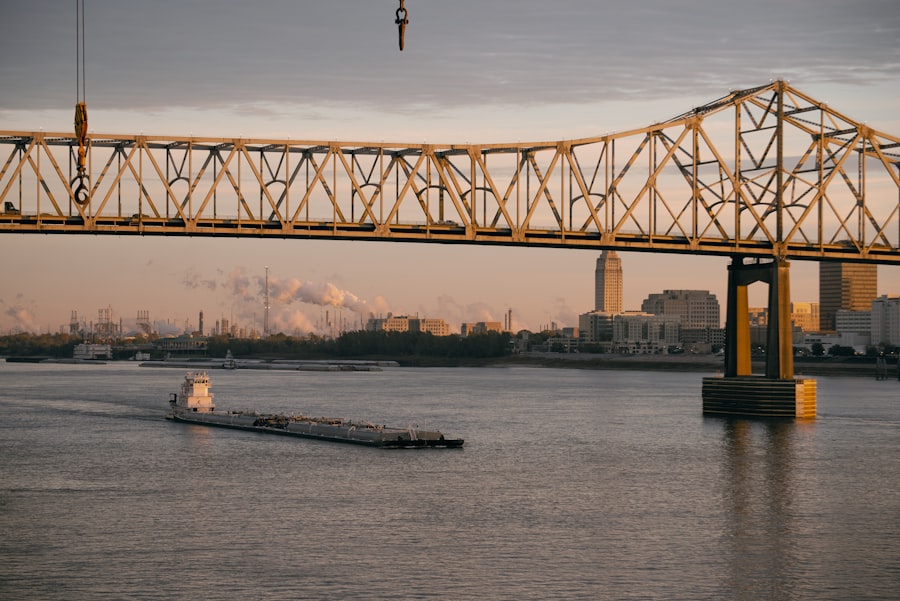
Investing in the Mississippi River’s infrastructure offers a cascade of benefits that extend far beyond the waterway itself. The documentary emphasizes that revitalization is not merely a cost but an investment with significant returns.
Boosting Commerce: A More Efficient Supply Chain
The most immediate and tangible benefit is a more efficient and reliable supply chain. Modernized locks and dams reduce transit times and shipping costs, making American goods more competitive in global markets. The film presents economic analyses that quantify the potential for job creation and economic growth stemming from improved inland waterway transportation. This is like clearing debris from a clogged highway; traffic flows more freely, and economic activity picks up pace. The documentary illustrates how a functioning river system acts as a powerful engine for job creation, from construction to logistics.
Supporting Agriculture: Feeding the Nation and the World
The Mississippi River system is indispensable to American agriculture. A vast proportion of the nation’s grain and other agricultural products are transported via barges. The documentary illustrates how the reliability of this waterway directly impacts farmers’ livelihoods and the ability of the United States to feed its own population and contribute to global food security. Disruptions to river transport can mean lower prices for farmers and higher prices for consumers. The film emphasizes that a revived river system is integral to maintaining the viability of a critical American industry. It’s the farm-to-table pipeline, but on a continental scale.
Environmental Improvements: Balancing Commerce and Conservation
While focused on infrastructure, “Revitalizing the Mississippi” also explores the potential for environmental improvements through modernization. New construction can incorporate features that minimize habitat disruption and improve water quality. Furthermore, more efficient barge transport, which is significantly more fuel-efficient than trucking or rail for bulk goods, contributes to a lower carbon footprint. The documentary acknowledges the inherent tension between human infrastructure and the natural environment, but argues that thoughtful revitalization can lead to a more sustainable balance. This is not about paving over nature, but about finding ways for human systems and natural systems to coexist more harmoniously, like improving water circulation in a pond to enhance its ecosystem.
The documentary on Mississippi River infrastructure sheds light on the critical challenges and advancements in managing this vital waterway. For those interested in further exploring the topic, a related article can be found at My Geo Quest, which delves into the environmental impacts and engineering solutions associated with river management. This resource provides additional insights that complement the documentary’s focus on the importance of sustainable infrastructure along the Mississippi River.
A Blueprint for the Future: Securing the Lifeline for Generations
| Metric | Value | Description |
|---|---|---|
| Documentary Length | 90 minutes | Total runtime of the documentary |
| Number of Locks and Dams Featured | 29 | Count of major locks and dams discussed |
| Year of Infrastructure Focus | 2023 | Year of the infrastructure status covered |
| Number of Interviews | 15 | Experts and engineers interviewed |
| Length of Mississippi River Covered | 2,320 miles | Portion of the river discussed in the documentary |
| Number of Bridges Highlighted | 10 | Key bridges featured in the documentary |
| Year of Last Major Infrastructure Upgrade | 2019 | Most recent significant upgrade discussed |
| Estimated Viewership | 500,000 | Number of viewers in the first year of release |
The documentary concludes with a powerful message: the revitalization of the Mississippi River is not merely an opportune moment but a critical necessity for the nation’s future. It presents a vision for a sustainably managed and robust river system that can continue to serve as a vital conduit for commerce, a protector of communities, and a contributor to economic prosperity for generations to come.
The Long View: Planning Beyond the Present
The film stresses the importance of long-term strategic planning, moving beyond the cycle of reactive repairs and embracing a proactive approach to infrastructure development. This includes regular assessments, data-driven decision-making, and a commitment to ongoing maintenance and upgrades. The documentary advocates for a shift in mindset, viewing the river’s infrastructure not as a cost center but as a national asset requiring continuous investment and attention. This is about building a legacy, ensuring that the foundations laid today can support the needs of tomorrow, much like planting a forest that will provide benefits for centuries.
The Human Element: The People of the River
Beyond the concrete and steel, “Revitalizing the Mississippi” gives voice to the people whose lives and livelihoods are intertwined with the river. Engineers, barge captains, farmers, and community leaders share their experiences, their concerns, and their hopes for the future. The documentary recognizes that the success of any revitalization effort hinges on understanding and addressing the needs of those who work on and live near the river. These are the custodians of the waterway, and their insights are invaluable. Their stories are the emotional anchor, connecting the abstract concept of infrastructure to the human reality of its impact.
A National Imperative: A Call to Collective Responsibility
The film ultimately frames the revitalization of the Mississippi River as a national imperative. It is a call to collective responsibility, urging citizens, policymakers, and industry leaders to recognize the profound importance of this waterway and to commit to its long-term health and vitality. The documentary underscores that a neglected river is a threat to national prosperity and security, while a revitalized river is a cornerstone of a strong and resilient nation. This is not a regional issue; it is a fundamental element of the nation’s circulatory system, and its well-being depends on the health of its most significant artery. The documentary serves as a vital wake-up call, imploring its audience to understand that the Mississippi River is not just a geographical feature, but a critical piece of the American engine, and that its continued operation requires immediate and sustained care.
WATCH NOW ▶️ SHOCKING: Mississippi: The $12 Trillion Lie Revealed
FAQs
What is the Mississippi River Infrastructure Documentary about?
The Mississippi River Infrastructure Documentary explores the various structures and systems that support navigation, flood control, and commerce along the Mississippi River. It highlights the engineering, maintenance, and challenges involved in managing this vital waterway.
Why is the Mississippi River infrastructure important?
The infrastructure along the Mississippi River is crucial for transportation, agriculture, and industry. It enables the movement of goods, helps prevent flooding, and supports the economy of the surrounding regions and the entire United States.
What types of infrastructure are featured in the documentary?
The documentary features locks and dams, levees, bridges, ports, and flood control systems. It also covers the maintenance and modernization efforts necessary to keep these structures functional and safe.
Who is responsible for maintaining the Mississippi River infrastructure?
The U.S. Army Corps of Engineers primarily manages and maintains the Mississippi River infrastructure. They work in coordination with state and local agencies to ensure the river remains navigable and protected from flooding.
What challenges does the Mississippi River infrastructure face?
Challenges include aging structures, increased sedimentation, climate change impacts such as more frequent flooding, and the need for funding to upgrade and repair critical infrastructure to meet modern demands.