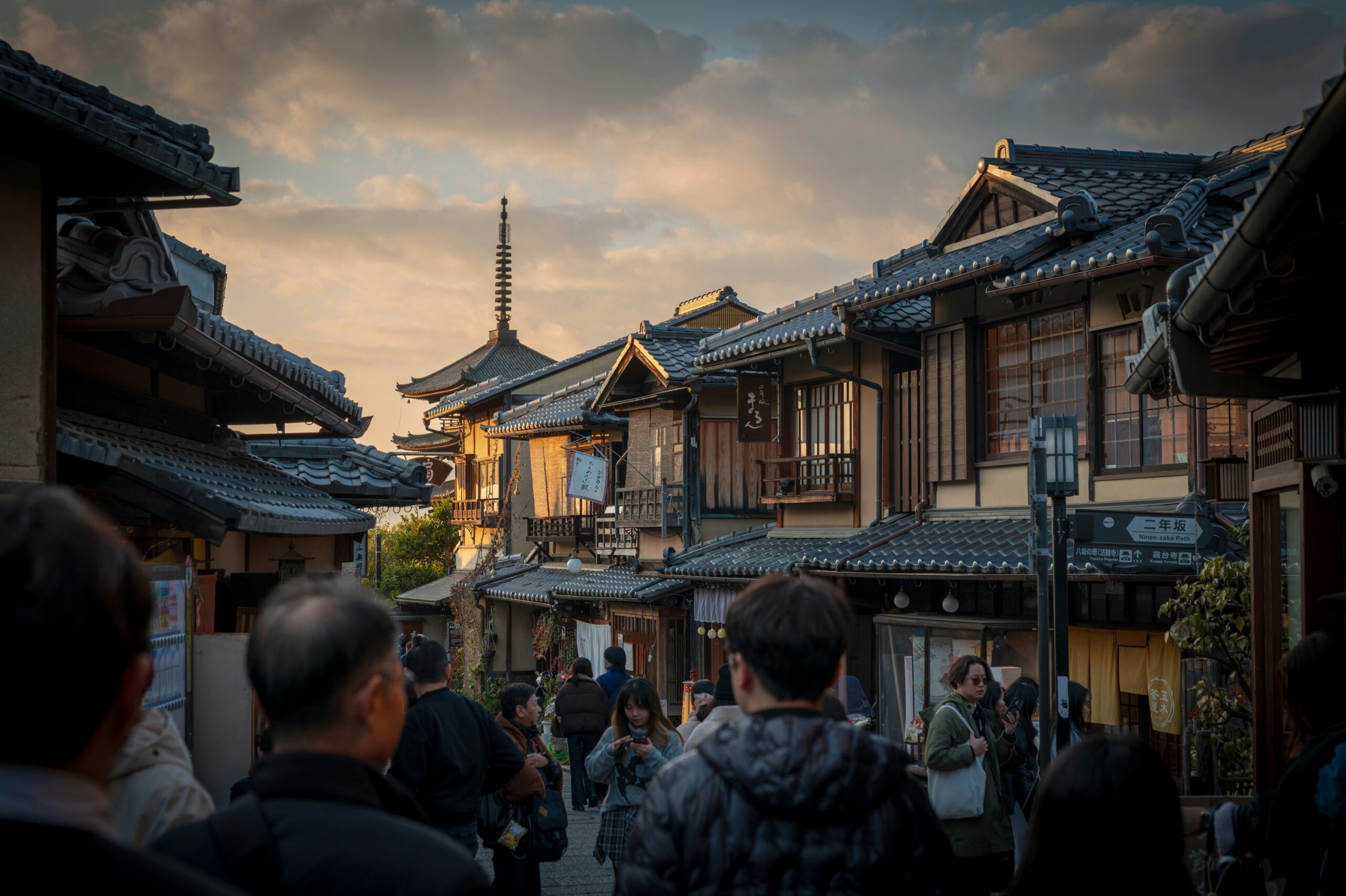
Japan, a nation celebrated for its technological prowess and vibrant urban centers, stands at a critical juncture. While cities like Tokyo, Osaka, and Kyoto continue to attract global attention and investment, many of its regions grapple with the silent tide of depopulation and economic stagnation. This phenomenon, often termed ‘rural shrinkage’ or ‘regional decline,’ presents a complex challenge, but also an opportunity for a profound transformation. The concept of a “Regional Renaissance” in Japan is not merely a hopeful aspiration; it is a necessary and achievable reality, driven by a reevaluation of regional strengths, innovative revitalization strategies, and a renewed sense of purpose in overlooked corners of the archipelago. This article will explore the multifaceted nature of this revitalization, examining the challenges and the promising pathways towards a more balanced and resilient Japan.
The seeds of Japan’s regional decline were sown over decades, fueled by powerful demographic and economic shifts. Understanding these entrenched challenges is crucial to designing effective revitalization strategies.
The Demographic Shift: An Aging and Shrinking Population
One of the most significant forces at play is Japan’s rapidly aging and shrinking population. This is not a phenomenon exclusive to rural areas, but its impact is amplified in regions where younger generations have historically migrated to urban centers in pursuit of education and employment opportunities.
The Rural Exodus: Brain Drain and Youth Departure
For decades, the allure of metropolitan life, with its promise of higher wages, diverse career paths, and modern amenities, has drawn young people away from their hometowns. This ‘brain drain’ leaves behind an increasingly elderly population, diminishing the local workforce and consumer base, and eroding the social fabric. The lack of opportunities for skilled labor and professional development often compels young talent to seek fulfillment elsewhere.
The Aging Workforce: Burden on Local Economies
As the proportion of the elderly population increases, so does the burden on local economies. The shrinking workforce struggles to sustain essential services, maintain infrastructure, and drive economic growth. Furthermore, an aging population often signifies a declining consumer market, as the purchasing power of older individuals may be lower and their spending patterns differ from those of younger demographics.
Declining Birth Rates: A National Crisis With Regional Amplification
Japan’s national birth rate has been in decline for years, a trend that is acutely felt in its more remote regions. Smaller communities and villages often face the prospect of villages becoming ‘empty,’ with fewer children to sustain schools and community activities. This demographic spiral, where a low birth rate leads to a dwindling population, further exacerbates the lack of economic dynamism.
Economic Realities: Declining Industries and Limited Diversification
Beyond demographics, the economic landscape of many Japanese regions has been shaped by the decline of traditional industries and a lack of diversification.
The Legacy of Industrial Decline: From Manufacturing Hubs to Ghost Towns
Many regions once thrived on manufacturing, agriculture, or resource extraction. As global economic shifts occurred, and older industries became less competitive, these regions experienced significant economic contraction. Abandoned factories, empty farmlands, and declining port cities are stark reminders of this historical trajectory.
Limited Economic Diversification: Over-Reliance on Specific Sectors
In regions where economic activity remains, there is often an over-reliance on a single or a few specific sectors. This lack of diversification makes these areas vulnerable to market fluctuations, technological obsolescence, and external economic shocks. Any downturn in the primary industry can have devastating consequences for the entire local economy.
Infrastructure Gaps: The Tyranny of Distance and Neglect
Inadequate or aging infrastructure can also be a significant impediment to regional revitalization. Poor transportation networks, limited internet connectivity, and deteriorating public services can deter new businesses, discourage investment, and make it difficult for residents to access essential services and opportunities. The ‘tyranny of distance’ becomes a tangible barrier to economic and social progress.
Japan’s regional revitalization efforts have gained significant attention in recent years, as various initiatives aim to rejuvenate rural areas and promote sustainable development. A related article that delves into these strategies and their impact on local communities can be found at this link. The article explores innovative approaches taken by local governments and organizations to attract residents, boost tourism, and preserve cultural heritage, highlighting the importance of community involvement in these revitalization projects.
Embracing Regional Strengths: The Foundation of Renaissance
The path to revitalization is not paved with the wholesale replication of urban models. Instead, it hinges on a deep understanding and strategic leveraging of each region’s unique assets, drawing on its history, culture, and natural environment.
Reimagining Agriculture and Food Production: Beyond Traditional Farming
Japan’s agricultural sector, deeply embedded in its cultural identity, holds untapped potential for economic resurgence, moving beyond traditional practices to embrace innovation and market diversification.
Precision Agriculture and Smart Farming: Harnessing Technology
The adoption of precision agriculture and smart farming techniques, utilizing IoT devices, AI, and data analytics, can significantly boost efficiency, reduce waste, and improve crop yields. This technology can empower smaller farms and contribute to a more sustainable and competitive agricultural sector.
Niche Products and Value-Added Processing: Cultivating Unique Brands
Regions can carve out unique niches by focusing on the production of specialized, high-quality agricultural products. This includes embracing organic farming, developing distinctive regional brands, and investing in value-added processing, such as artisanal food production, to capture greater market share and increase profitability.
Agri-Tourism and Experiential Farming: Connecting Consumers and Producers
Encouraging agri-tourism and offering experiential farming opportunities can create new revenue streams and foster a deeper connection between consumers and their food sources. This allows visitors to engage with local culture, enjoy fresh produce, and contribute directly to the local economy.
Leveraging Natural Beauty and Ecotourism: A Green Economy
Japan’s abundant natural landscapes, from majestic mountains and serene coastlines to lush forests and volcanic hot springs, represent an invaluable resource for ecotourism and sustainable development.
National Parks and Protected Areas: Sustainable Visitor Management
These natural wonders, often concentrated in regional areas, can be transformed into hubs for ecotourism, drawing visitors seeking authentic nature experiences. The key lies in sustainable visitor management, ensuring that tourism development protects the environment while providing economic benefits to local communities.
Outdoor Recreation and Adventure Tourism: Capturing a Growing Market
Regions can capitalize on the growing global demand for outdoor recreation and adventure tourism. This includes developing trails for hiking and cycling, offering water sports, promoting winter sports in mountainous areas, and creating unique adventure packages that cater to diverse interests.
Wellness Tourism and Onsen Culture: Health and Relaxation
Japan’s renowned onsen (hot spring) culture is a natural magnet for wellness tourism. Promoting onsen resorts as destinations for relaxation, rejuvenation, and health retreats, often in conjunction with natural beauty, can attract a significant segment of the tourism market.
Preserving and Promoting Cultural Heritage: Stories of the Land
The rich tapestry of Japanese culture, woven from centuries of history, traditions, and craftsmanship, offers a compelling reason for revitalization, turning cultural assets into economic drivers.
Traditional Crafts and Artisanship: Reviving Timeless Skills
Many regions are home to unique traditional crafts, from pottery and textiles to woodworking and metalworking. Revitalizing these artisanal skills, by supporting craftspeople, facilitating apprenticeships, and promoting these products to new markets, can preserve cultural heritage and create niche economic opportunities.
Historical Sites and Local Folklore: Authentic Tourist Experiences
Preserving and promoting historical sites, from ancient temples and samurai residences to traditional villages, provides authentic tourist experiences that connect visitors with Japan’s past. Storytelling through local folklore, festivals, and cultural performances can further enrich these experiences.
Gastronomic Tourism and Regional Cuisine: A Taste of Place
Each region boasts its own distinct culinary heritage. Promoting regional cuisine through food festivals, cooking classes, and partnerships with local restaurants can attract culinary tourists and support local food producers. This “taste of place” is a powerful draw for discerning travelers.
Innovative Strategies for Regional Revival: Building a New Future
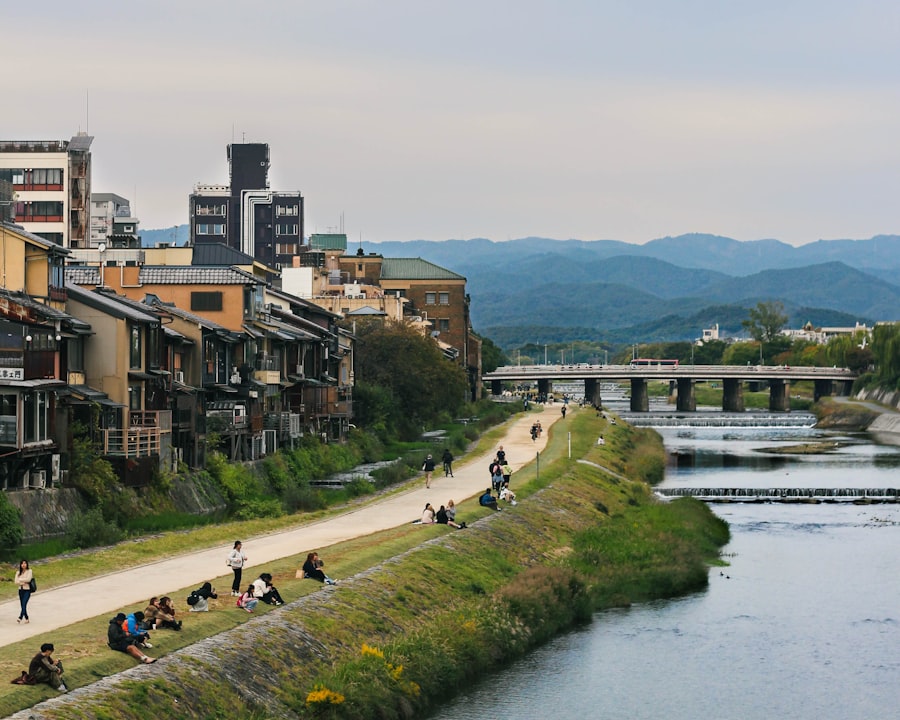
Beyond leveraging existing strengths, successful revitalization requires the adoption of forward-thinking strategies that address contemporary challenges and create new opportunities.
Fostering Local Entrepreneurship and Innovation: The Engine of Growth
Empowering local communities to become agents of their own development by nurturing entrepreneurship and fostering innovation is paramount.
Startup Incubators and Accelerators: Nurturing New Ventures
Establishing startup incubators and accelerators within regions can provide aspiring entrepreneurs with the resources, mentorship, and networking opportunities necessary to launch and grow new businesses. This is particularly vital in areas seeking to diversify their economies away from declining industries.
Digitalization and E-commerce: Reaching Global Markets
Embracing digitalization and developing robust e-commerce platforms can enable regional businesses, particularly those involved in crafts, agriculture, and tourism, to reach national and international markets, overcoming geographical limitations.
Social Entrepreneurship and Community-Based Initiatives: Sustainable Solutions
Encouraging social entrepreneurship and supporting community-based initiatives can lead to innovative solutions for local challenges, such as elder care, environmental conservation, and local resource management, while simultaneously creating employment and social value.
Attracting New Residents and Talent: A Welcoming Environment
The success of revitalization hinges on attracting new people to these regions, not just as tourists, but as residents and contributors to the local economy and community.
Remote Work and Digital Nomad Hubs: The New Frontier
With the rise of remote work, regions can position themselves as attractive destinations for digital nomads and remote workers. This involves ensuring excellent internet connectivity, co-working spaces, and a vibrant lifestyle that appeals to this demographic.
Targeted Relocation Programs and Incentives: Making the Move Easier
Implementing targeted relocation programs that offer financial incentives, housing support, and assistance with finding employment or establishing businesses can encourage individuals and families to move to regional areas. These programs often focus on specific skills or demographics needed by the region.
Education and Skill Development: Empowering the Next Generation
Investing in local education and skill development programs is crucial to equip both current and future residents with the skills needed for emerging industries and to ensure that young people see a viable future in their hometowns. This includes vocational training and lifelong learning opportunities.
Sustainable Infrastructure Development: Connecting and Empowering
Modern and sustainable infrastructure is the backbone of any thriving region, facilitating connectivity, economic activity, and the well-being of its inhabitants.
High-Speed Internet and Digital Connectivity: The Lifeline of Modern Life
Ubiquitous high-speed internet access is no longer a luxury but a necessity. Investing in robust digital infrastructure is critical for remote work, telemedicine, online education, and the seamless operation of businesses.
Renewable Energy and Green Technologies: A Sustainable Future
Developing renewable energy sources, such as solar, wind, and geothermal power, not only contributes to environmental sustainability but can also create new local industries and reduce energy costs for businesses and residents.
Revitalizing Public Transportation and Community Hubs: Fostering Connection
Investing in efficient and reliable public transportation within and between regional centers, and transforming underutilized spaces into vibrant community hubs, can enhance connectivity, improve quality of life, and foster social cohesion.
Policy and Government Support: Catalysts for Change
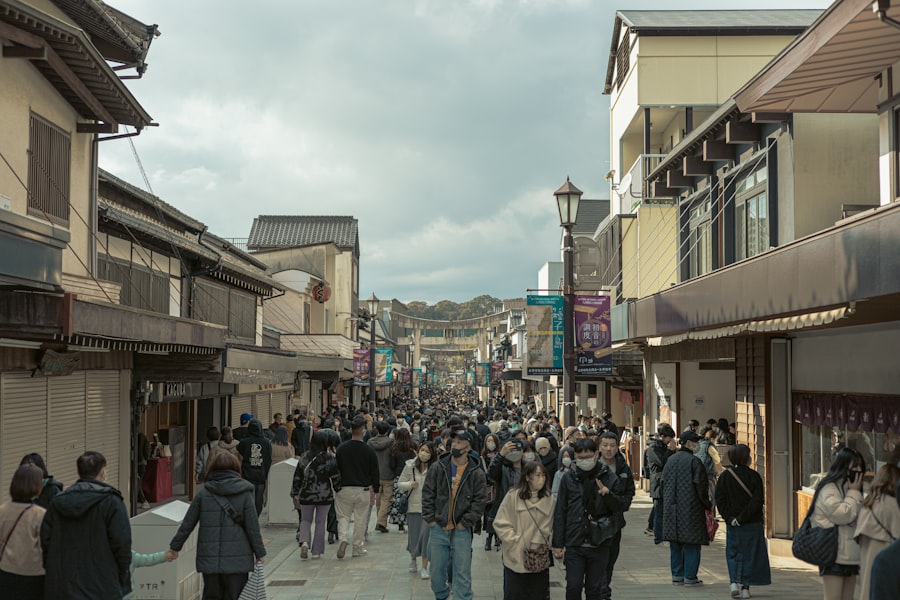
While local initiatives are crucial, effective policy and government support play a vital role in catalyzing and sustaining regional revitalization efforts.
National and Regional Development Strategies: A Coherent Vision
The Japanese government and regional authorities must collaborate to develop coherent and long-term national and regional development strategies that prioritize revitalization.
Financial Incentives and Tax Breaks: Stimulating Investment
Providing financial incentives, such as grants, low-interest loans, and tax breaks for businesses that invest in and create jobs in regional areas, can significantly stimulate economic activity.
Deregulation and Streamlined Bureaucracy: Removing Obstacles
Addressing regulatory hurdles and streamlining bureaucratic processes can make it easier for businesses to start, operate, and expand in regional areas, fostering a more business-friendly environment.
Investment in Research and Development: Driving Innovation
Government investment in research and development centers, particularly those focused on regional strengths and emerging technologies, can foster innovation and create new economic opportunities.
Collaborative Governance and Public-Private Partnerships: Shared Responsibility
Successful revitalization requires effective collaboration between various levels of government, the private sector, and civil society.
Empowering Local Autonomy: Decentralizing Decision-Making
Granting greater autonomy to regional governments and local municipalities allows for more tailored and responsive decision-making that reflects the unique needs and aspirations of each area.
Fostering Public-Private Partnerships: Leveraging Strengths
Encouraging public-private partnerships allows for the pooling of resources, expertise, and risk, leading to more effective and innovative solutions for regional development projects.
Citizen Engagement and Participatory Planning: Community Ownership
Actively involving citizens in planning and decision-making processes fosters a sense of ownership and commitment to revitalization efforts, ensuring that initiatives are aligned with community needs and values.
Japan’s efforts in regional revitalization have gained significant attention, particularly in light of the challenges posed by urban migration and aging populations. A related article discusses innovative strategies being implemented across various prefectures to breathe new life into rural areas. These initiatives focus on sustainable tourism, local agriculture, and community engagement, showcasing how regions can thrive despite demographic shifts. For more insights on this topic, you can read the article on regional revitalization efforts in Japan.
The Future of Japan: A Nation Rebalanced
| Region | Population | GDP Growth | Unemployment Rate |
|---|---|---|---|
| Hokkaido | 5,281,297 | 2.3% | 3.5% |
| Tohoku | 9,335,636 | 1.8% | 2.9% |
| Kanto | 42,607,376 | 3.1% | 2.1% |
| Chubu | 21,714,995 | 2.7% | 2.5% |
| Kansai | 22,755,030 | 2.5% | 2.3% |
The regional renaissance of Japan is not merely about reversing decline; it is about reimagining the nation’s future, creating a more balanced, resilient, and vibrant society. It is about recognizing that the strength of Japan lies not solely in its gleaming metropolises but also in the enduring spirit and untapped potential of its diverse regions.
A Decentralized Economy: Spreading Prosperity
A successful revitalization will lead to a more decentralized economy, where prosperity is not concentrated in a few urban hubs but is spread more evenly across the archipelago. This will reduce the pressures on overcrowded cities and create more equitable opportunities for all Japanese citizens.
Enhanced Quality of Life: Harmony Between Tradition and Modernity
The revival of regional areas offers the promise of an enhanced quality of life, characterized by a harmonious blend of traditional values and modern conveniences. It provides an opportunity for residents to live in closer connection with nature and community, while still accessing essential services and economic opportunities.
A Stronger National Identity: Diversity as Strength
By embracing and nurturing the unique identities of its regions, Japan can strengthen its national identity. It is a recognition that diversity, rather than homogeneity, is a source of national resilience and cultural richness.
Global Model for Sustainable Development: A Beacon of Hope
Successfully navigating the challenges of regional decline and achieving a genuine renaissance can position Japan as a global model for sustainable development, offering valuable lessons to other nations grappling with similar demographic and economic shifts. The revitalized regions of Japan will serve as a beacon of hope, demonstrating that even in the face of significant challenges, renewal and prosperity are achievable.

Why Japan Can’t Build Another Tokyo
FAQs
What is Japan’s regional revitalization initiative?
Japan’s regional revitalization initiative aims to address the economic and social challenges faced by rural areas in the country. It involves various measures to promote economic growth, attract businesses and residents, and improve infrastructure and services in regional areas.
What are some key components of Japan’s regional revitalization efforts?
Some key components of Japan’s regional revitalization efforts include promoting entrepreneurship and innovation, improving access to healthcare and education, enhancing transportation and infrastructure, and supporting local industries and tourism.
How is the Japanese government supporting regional revitalization?
The Japanese government is supporting regional revitalization through various policies and programs, including financial incentives for businesses to relocate to regional areas, funding for infrastructure projects, and initiatives to attract tourists and foreign investment to regional areas.
What are the benefits of regional revitalization for Japan?
Regional revitalization in Japan can lead to a more balanced and sustainable economic development, reduce urban congestion, preserve local cultures and traditions, and create new opportunities for businesses and residents in regional areas.
What are some successful examples of regional revitalization in Japan?
Some successful examples of regional revitalization in Japan include the revitalization of historic towns and villages, the development of local industries such as agriculture and crafts, and the promotion of tourism and cultural exchange in regional areas.