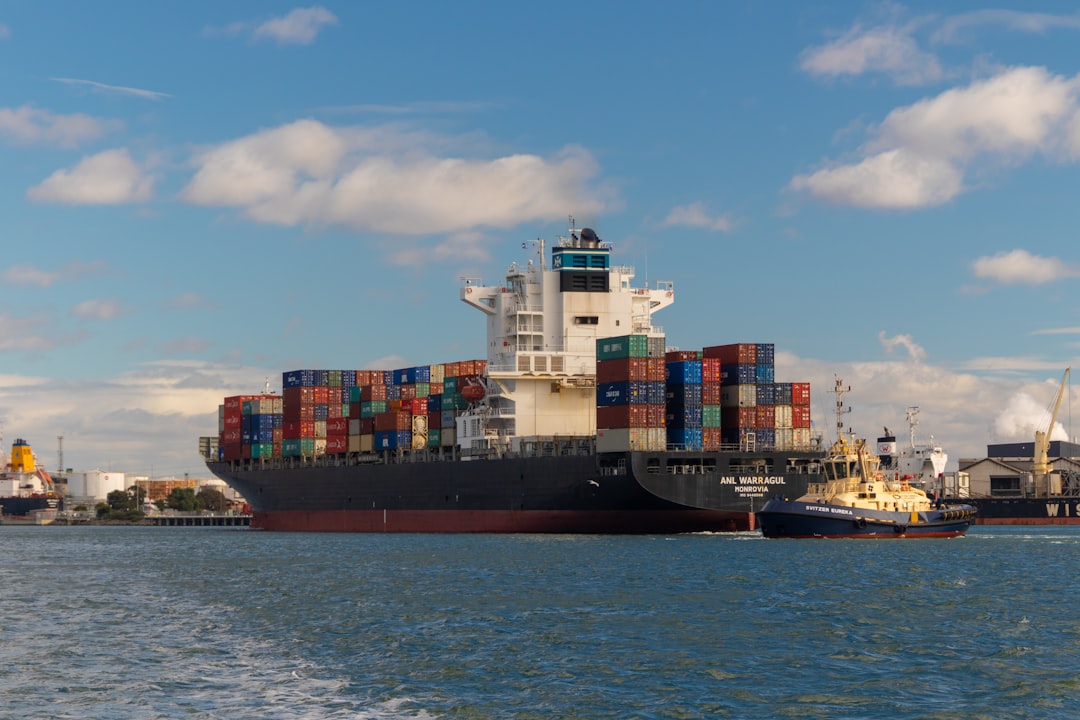
The colossal vessels that ply the world’s oceans, the giants of global trade, are a testament to human ingenuity and the intricate web of modern commerce. These behemoths, capable of carrying thousands of containers, are the arteries of our interconnected world. Yet, as their operational lifespans inevitably draw to a close, a significant environmental challenge emerges: what to do with these floating cities of steel once they can no longer sail? The traditional practice of shipbreaking, often conducted in developing nations under precarious conditions, is increasingly being scrutinized. A new paradigm is dawning, one that envisions a more sustainable future for these leviathans: revamping giant cargo ships through recycling at sea. This ambitious undertaking promises to transform the end-of-life phase of these vessels from a potential environmental blight into a source of valuable resources and a catalyst for innovation.
The sheer scale of maritime transport necessitates a growing fleet of cargo ships. Each vessel represents a substantial investment in steel, machinery, and complex systems. As these ships age, their efficiency may decline, fuel consumption can increase, and the cost of maintenance can outweigh their economic utility. This leads to a growing inventory of vessels approaching their retirement.
The Global Fleet’s Ever-Increasing Size
Maritime trade has seen exponential growth over the past decades, fueled by globalization and the demand for goods. This has directly translated into a larger and larger fleet of cargo ships. The average age of vessels in certain sectors, such as container shipping, is also being managed carefully, but the sheer volume means that a significant number will reach their end-of-life in the coming years. This presents a predictable, yet formidable, logistical and environmental challenge.
Statistics on Global Shipping Tonnage
To comprehend the magnitude of the issue, consider the global shipping tonnage. The United Nations Conference on Trade and Development (UNCTAD) regularly publishes figures detailing the world merchant fleet’s size, composition, and growth. These reports highlight a consistent upward trend in total carrying capacity, underscoring the continuous need for new vessels and, consequently, the eventual need for their disposal.
Predicted Retirement Waves
Industry analysts and maritime organizations forecast significant waves of vessel retirements in the coming decades. Factors such as upcoming environmental regulations, the introduction of new, more efficient ship designs, and the economic viability of older tonnage all contribute to these predictions. Understanding these projected retirement patterns is crucial for proactive planning and the development of sustainable solutions.
The Environmental and Social Footprint of Traditional Shipbreaking
For decades, the primary method for dismantling old ships has been shipbreaking, often carried out in countries with lax environmental regulations and labor laws. While providing employment, this practice has been associated with severe environmental pollution and hazardous working conditions for laborers.
Hazardous Materials and Pollution
Cargo ships are complex structures containing a multitude of materials, many of which are hazardous. Asbestos, lead-based paints, heavy oils, and toxic chemicals are common. In traditional shipbreaking yards, these substances are often released into the environment, contaminating soil, water, and air. The dismantling process itself, involving cutting and burning, can release harmful particulate matter and greenhouse gases.
Worker Safety and Health Concerns
The physical labor involved in shipbreaking is arduous and dangerous. Workers are exposed to risks such as falling from heights, injuries from heavy machinery, and inhalation of toxic fumes and asbestos fibers. The lack of adequate safety equipment and training in many of these yards has led to a high incidence of accidents, chronic illnesses, and even fatalities.
The recycling of giant cargo ships is a complex process that involves dismantling these massive vessels in an environmentally responsible manner. For an in-depth look at the methods and challenges associated with ship recycling, you can read a related article that explores the various techniques used to repurpose materials and the regulations that govern this industry. To learn more, visit this article.
The Concept of “Recycling at Sea”
The idea of “recycling at sea” proposes a radical departure from traditional shipbreaking. Instead of towing decommissioned vessels to shore-based facilities, this concept advocates for dismantling and repurposing large components while the ship is still afloat, often in designated offshore areas. This approach aims to mitigate the environmental impact and create a more controlled and efficient recycling process.
Moving the Dismantling Process Offshore
The core principle of recycling at sea is to shift the dismantling activities away from coastal regions and into controlled offshore environments. This could involve specialized floating platforms or barges equipped for cutting, lifting, and processing ship components. The aim is to contain potential pollutants and minimize their dispersal into marine ecosystems.
Designated Recycling Zones
Establishing clearly defined and regulated “recycling zones” at sea is a critical component of this concept. These zones would be chosen for their environmental sensitivity, water depth, and accessibility, ensuring that any accidental spills or debris are contained and managed effectively. International cooperation and strict oversight would be paramount in defining and policing these zones.
Specialized Floating Infrastructure
The success of recycling at sea hinges on the development of specialized floating infrastructure. This could include modular platforms capable of housing cutting and welding equipment, heavy-lift cranes, and waste management facilities. These structures would need to be robust enough to handle the challenging conditions of the open sea and designed with advanced pollution control systems.
Integrated Resource Recovery
Recycling at sea is not merely about dismantling; it is about maximizing the recovery of valuable materials. The goal is to treat the ship as a complex mine of resources, extracting metals, components, and even reusable parts in a systematic and efficient manner.
Metal Recovery and Processing
Steel, aluminum, copper, and other metals constitute a significant portion of a ship’s mass. Recycling at sea would involve specialized equipment to separate these metals, potentially even processing them into raw materials for further use. This reduces the demand for virgin metal extraction, which has its own significant environmental consequences.
Component Reuse and Repurposing
Many components within a cargo ship, such as engines, generators, pumps, and navigation equipment, may still be functional or salvageable. Recycling at sea would facilitate the careful removal and assessment of these components for potential reuse in other vessels, industrial applications, or even for sale as refurbished parts. This circular economy approach maximizes the lifespan and utility of valuable assets.
Hazardous Material Containment and Disposal
A crucial aspect of recycling at sea is the safe containment and disposal of hazardous materials. Advanced containment systems would be employed to prevent spills of oils, chemicals, and other harmful substances. Responsible disposal protocols would be established for materials that cannot be safely repurposed, ensuring compliance with international environmental regulations.
Technological Innovations Driving the Shift

The feasibility of recycling at sea is heavily reliant on advancements in technology. Engineers and naval architects are developing innovative solutions to tackle the unique challenges presented by dismantling massive structures in a dynamic marine environment.
Advanced Cutting and Dismantling Techniques
Traditional oxy-acetylene cutting methods, while effective, can be hazardous and produce significant fumes. New technologies are emerging that offer safer and more efficient alternatives for cutting through thick steel plates and complex structures.
Plasma Cutting and Water Jet Cutting
Plasma cutting utilizes a high-temperature plasma torch to melt and sever metal, offering greater precision and speed than traditional methods. Water jet cutting, on the other hand, uses a high-pressure stream of water, often mixed with an abrasive, to cut through materials. These technologies can reduce fume production and offer improved safety profiles.
Robotic Dismantling Systems
The deployment of robotic arms and automated cutting tools is a significant development. These systems can perform repetitive and dangerous tasks with greater precision and consistency, reducing the need for human intervention in hazardous areas and improving overall efficiency. They can be deployed remotely, further enhancing worker safety.
Floating Platforms and Lifting Capabilities
The ability to manage and move massive ship sections offshore requires specialized floating platforms and advanced lifting equipment. These innovations are crucial for supporting the dismantling process and transporting salvaged materials.
Modular Floating Workstations
These are not simply barges but sophisticated, often modular, floating structures designed to provide stable working platforms. They can be assembled and reconfigured to suit the specific needs of different vessel types and dismantling operations. They often incorporate advanced ballast systems for stability.
Heavy-Lift Cranes and Submersible Barges
The salvaging of large ship components, such as engines or deck sections, requires immense lifting power. Specially designed heavy-lift cranes, often mounted on specialized vessels or platforms, are essential. Submersible barges can also be used to transport large salvaged sections to processing facilities.
Environmental Monitoring and Containment Technologies
A cornerstone of recycling at sea is the ability to meticulously monitor the marine environment and contain any potential pollution. Sophisticated technologies are being developed to achieve this.
Real-time Environmental Sensors
These sensors, deployed throughout the recycling zone, provide continuous data on water quality, air quality, and the presence of any contaminants. This allows for immediate detection of potential issues and rapid response.
Advanced Boom and Skimming Systems
In the event of an oil or chemical spill, specialized containment booms can be deployed to encircle the affected area, preventing further spread. Skimming systems can then be used to remove the spilled substance from the water’s surface.
Economic Viability and Market Opportunities

While the environmental benefits of recycling at sea are compelling, the economic case for this approach is equally important for its widespread adoption. Transforming end-of-life vessels into valuable resources presents significant economic opportunities.
The Value of Recovered Materials
The sheer quantity of steel, copper, and other metals within a giant cargo ship represents a substantial economic asset. Recovering these materials can reduce the reliance on mining and primary metal production, offering cost savings and a more sustainable supply chain for various industries.
Steel and Ferrous Metal Markets
The global market for recycled steel is robust. By providing a consistent supply of high-quality scrap metal, recycling at sea can contribute to the steel industry’s sustainability goals and reduce its environmental footprint.
Non-Ferrous Metal and Rare Earth Element Markets
Modern ships also contain valuable non-ferrous metals like copper, aluminum, and even trace amounts of rare earth elements used in electronic components. Efficient recovery of these materials can create new revenue streams and reduce dependence on potentially volatile global markets.
Creating a Circular Economy for the Maritime Industry
Recycling at sea is a key enabler of a true circular economy within the maritime sector. It closes the loop, transforming decommissioned assets back into valuable inputs for new construction and manufacturing.
Remanufacturing and Refurbishment of Components
As mentioned earlier, many ship components can be salvaged, refurbished, and resold. This creates a secondary market for marine equipment, extending the lifespan of valuable machinery and reducing the need for new manufacturing.
Development of New Recycling Services and Businesses
The transition to recycling at sea will necessitate the development of entirely new specialized services and businesses. This includes companies that design and build floating recycling platforms, provide specialized cutting and lifting services, and manage the logistics of material recovery and processing.
Reduced Costs Compared to Traditional Methods
While initial investments in new technologies and infrastructure may be significant, the long-term economic benefits of recycling at sea can outweigh traditional methods. Reduced transportation costs to remote dismantling yards, minimized environmental remediation expenses, and the value of recovered materials all contribute to a more favorable economic equation.
Giant cargo ships, once the titans of the seas, eventually reach the end of their operational lives and require careful recycling to minimize environmental impact. The process of dismantling these massive vessels involves not only the removal of hazardous materials but also the repurposing of valuable metals and components. For a deeper understanding of the intricate methods involved in ship recycling, you can explore this insightful article on the subject. It highlights the challenges and innovations in the industry, which you can find at mygeoquest.com.
The Future of Sustainable Maritime Decommissioning
| Recycling Process | Details |
|---|---|
| Ship Dismantling | Large cargo ships are dismantled into smaller sections using heavy machinery. |
| Material Separation | Materials such as steel, aluminum, and copper are separated for recycling. |
| Environmental Considerations | Special care is taken to handle hazardous materials and prevent pollution during the recycling process. |
| Worker Safety | Workers are provided with safety equipment and training to ensure their well-being during the recycling process. |
| Reuse of Materials | Recycled materials are often used in the construction industry and other manufacturing processes. |
The concept of revamping giant cargo ships through recycling at sea represents a visionary approach to a growing global challenge. It signifies a shift from a linear, disposable model to a circular, sustainable one, aligning the maritime industry with broader environmental and economic imperatives.
International Collaboration and Regulation
The successful implementation of recycling at sea will undoubtedly require strong international collaboration and robust regulatory frameworks. Agreements on licensing, environmental standards, safety protocols, and the responsible management of salvaged materials will be essential to ensure a globally consistent and effective approach.
The Hong Kong Convention and Beyond
The International Convention for the Safe and Environmentally Sound Recycling of Ships (the Hong Kong Convention) provides a framework for addressing ship recycling. However, the advancements in recycling at sea may necessitate further refinements and additions to existing international regulations to fully encompass these new methodologies.
Establishing Global Standards and Best Practices
Developing and enforcing global standards for recycling at sea will be crucial. This includes defining acceptable practices for environmental protection, worker safety, and the responsible handling of all materials, ensuring that the highest environmental and ethical benchmarks are met.
Investment in Research and Development
Continued investment in research and development is vital to further enhance the efficiency, safety, and environmental performance of recycling at sea technologies and methodologies. This will ensure that the industry remains at the forefront of sustainable practices.
Exploring Novel Materials and Processing Techniques
Ongoing research into advanced materials science and innovative processing techniques will unlock new possibilities for resource recovery and waste minimization in ship recycling.
Education and Training for a New Workforce
The shift to recycling at sea will require a skilled workforce. Investing in comprehensive education and training programs will equip individuals with the necessary expertise in specialized cutting techniques, heavy lifting operations, environmental monitoring, and hazardous material management.
The journey from the drawing board to widespread implementation of “recycling at sea” will undoubtedly be complex, requiring innovation, investment, and a concerted global effort. However, the promise of transforming colossal end-of-life vessels from environmental liabilities into valuable resources, while safeguarding the planet and human well-being, makes this a future worth striving for. The giants of the sea, once their sailing days are done, can indeed embark on a new voyage – one of sustainable renewal.

The Beaches Global Trade Can’t Afford to Lose
FAQs
1. What are giant cargo ships made of?
Giant cargo ships are typically made of steel, which is a durable and strong material that can withstand the harsh conditions of the sea.
2. How are giant cargo ships recycled?
Giant cargo ships are recycled through a process called ship breaking, where the ship is dismantled and its components are reused or sold for scrap metal.
3. What are the environmental concerns associated with recycling giant cargo ships?
The recycling of giant cargo ships can pose environmental concerns due to the release of hazardous materials such as asbestos, heavy metals, and oil residues into the surrounding environment.
4. What are the economic benefits of recycling giant cargo ships?
Recycling giant cargo ships can provide economic benefits through the recovery and sale of valuable materials such as steel, copper, and other metals, as well as the creation of jobs in the ship breaking industry.
5. What safety measures are in place during the recycling of giant cargo ships?
Safety measures during the recycling of giant cargo ships include the use of protective gear for workers, proper handling and disposal of hazardous materials, and compliance with international regulations such as the Hong Kong International Convention for the Safe and Environmentally Sound Recycling of Ships.