
The vast expanse of the ocean, traversed daily by colossal vessels carrying the world’s commerce, is a dynamic environment. These metal behemoths, vital arteries of global trade, do not sail forever. They have a finite lifespan, dictated by wear and tear, evolving regulations, and the relentless march of technological advancement. The shipping industry, therefore, has a sophisticated and intricate process for retiring its aging fleet, a crucial undertaking that balances economic realities with environmental responsibilities and safety imperatives. This process, often unseen by the public, involves a multi-faceted approach, from meticulous planning and careful decommissioning to the ultimate disposal or repurposing of these once-mighty carriers.
Every ship, from the smallest coastal freighter to the largest supertanker, eventually reaches the end of its operational life. This is not a sudden decision, but rather a carefully considered conclusion reached after years of service. Several factors contribute to a vessel’s retirement, and understanding these drivers is the first step in comprehending the industry’s approach to decommissioning.
Economic Viability: The Bottom Line of Operation
The primary driver for retiring a ship is often economic. As vessels age, their operating costs tend to escalate significantly. This includes increased maintenance and repair expenses, which become more frequent and complex. Older engines may be less fuel-efficient, leading to higher fuel bills, a major component of operating expenses in shipping. Furthermore, regulatory compliance often becomes a more significant hurdle for older ships. Newer, more stringent environmental standards, particularly concerning emissions and waste management, can necessitate expensive retrofits. If the cost of bringing an older vessel up to code, or maintaining its operational efficiency, outweighs the revenue it can generate, retirement becomes an economically sound decision.
Increasing Maintenance and Repair Costs
Over decades of service, ships endure immense stress. The constant movement of waves, the corrosive effects of saltwater, and the sheer weight of cargo all contribute to the gradual degradation of a vessel’s structure and machinery. As a ship approaches its twilight years, minor issues can escalate into more substantial and costly repairs. Components wear out, and finding replacement parts for older, less common models can be difficult and expensive. This necessitates a more proactive and comprehensive maintenance schedule, which, while crucial for safety, adds to the operational burden. The cumulative effect of these increasing costs can make it difficult for an older vessel to remain profitable in a competitive market.
Fuel Inefficiency and Evolving Engine Technology
The shipping industry is acutely sensitive to fuel prices. Historically, fuel efficiency has been a significant differentiator in profitability. Older vessels often employ engine technology that is less fuel-efficient compared to modern designs. This means they consume a greater amount of fuel to cover the same distance or carry the same cargo. With the volatility of global fuel markets, this inefficiency can translate into substantial financial losses. Moreover, the industry is increasingly focused on adopting more environmentally friendly propulsion systems and fuels. Older ships may not be compatible with these newer technologies, further diminishing their long-term economic viability.
The Burden of Regulatory Compliance
International maritime regulations are constantly evolving, driven by concerns for safety, security, and environmental protection. Bodies like the International Maritime Organization (IMO) set standards for emissions, ballast water management, hull coatings, and numerous other aspects of ship operation. As regulations become stricter, older ships may require costly modifications to meet these new requirements. For example, regulations on sulfur oxide (SOx) and nitrogen oxide (NOx) emissions have prompted the retrofitting of scrubbers or the switch to lower-sulfur fuels. If the cost of compliance is prohibitive, or if the vessel’s design makes compliance practically impossible, retirement becomes the only viable option.
Technological Obsolescence: Staying Ahead of the Curve
Beyond economics, the relentless pace of technological innovation plays a significant role in ship retirement. Modern vessels are designed with enhanced efficiency, improved safety features, and greater cargo-handling capabilities. Older ships, by comparison, may become less competitive simply because they lack these advancements.
Advancements in Ship Design and Construction
Shipbuilding technology has made leaps and bounds over the decades. New materials, advanced welding techniques, and sophisticated hull designs contribute to lighter, stronger, and more efficient vessels. Older ships, built with older methods and materials, may not be able to compete with the structural integrity, speed, or cargo capacity of their modern counterparts. The ability to carry more cargo at a lower cost, or to navigate complex routes more efficiently, is a significant advantage that can render older vessels economically unviable.
Introduction of New Propulsion Systems and Fuels
The push for decarbonization is revolutionizing the shipping industry. New propulsion systems, such as liquefied natural gas (LNG) engines, methanol-fueled engines, and even electric or hybrid systems, are becoming increasingly common. Older vessels are often not designed to accommodate these new technologies. While retrofitting is sometimes possible, it can be a complex and expensive undertaking, often making it more economical to invest in a new vessel designed for these cleaner fuels from the outset. This technological shift effectively creates a obsolescence factor for older, conventionally powered ships.
Enhanced Safety and Navigation Equipment
Modern ships are equipped with sophisticated navigation systems, advanced radar, satellite communication, and automated safety features that were unimaginable in earlier eras. These technologies enhance operational safety, reduce the risk of accidents, and improve route planning. Older vessels may not be able to integrate these newer systems, or the cost of retrofitting them to meet current safety standards can be prohibitive. This makes them inherently less safe and more vulnerable in today’s maritime environment.
Regulatory Changes and Environmental Pressures
The global push for environmental sustainability has significantly impacted the shipping industry. Increasingly stringent regulations and growing public awareness are accelerating the retirement of older, less environmentally friendly vessels.
The Impact of Environmental Regulations (e.g., MARPOL)
International conventions like MARPOL (International Convention for the Prevention of Pollution from Ships) are crucial in shaping the lifecycle of a vessel. As amendments to MARPOL and other environmental regulations are introduced, older ships often struggle to meet the new standards for emissions, waste discharge, and hull coatings. The International Maritime Organization (IMO) continuously reviews and updates these regulations to address emerging environmental concerns, leading to a more challenging operational landscape for older vessels.
Decarbonization Goals and the Move Towards Greener Shipping
The shipping industry is under immense pressure to reduce its carbon footprint and contribute to global climate change mitigation efforts. This has led to a focus on cleaner fuels and more energy-efficient vessels. Older ships that rely on traditional heavy fuel oil are becoming increasingly unattractive from an environmental and regulatory perspective. The transition to a greener shipping future necessitates the phasing out of these older, polluting vessels.
Shifting Market Demands and Specialization
The types of cargo being transported and the routes on which they are carried also influence a ship’s retirement. As global trade patterns evolve, so too does the demand for specific vessel types.
Changing Cargo Needs and Vessel Specialization
The nature of global commerce is dynamic. The demand for bulk carriers might decrease while the demand for specialized container ships or heavy-lift vessels increases. If a ship is designed for a type of cargo that is no longer in high demand, or if its capacity is no longer optimal for current trade routes, its economic viability diminishes. Shipowners often make strategic decisions to retire vessels that no longer fit the prevailing market needs.
Shorter Lifespans for Specialized or Less Robust Vessels
Certain types of vessels, particularly those designed for niche markets or built with less robust construction for specific, limited operational lifespans, may have a shorter retirement cycle. For instance, vessels used for temporary projects or those operating in particularly harsh environments might be retired sooner than standard cargo ships.
The shipping industry faces significant challenges when it comes to retiring ships, as the process involves careful consideration of environmental impacts and economic factors. For a deeper understanding of the complexities involved in ship retirement, you can read a related article that discusses the various methods and regulations governing this process. To explore this topic further, visit this article.
The Decommissioning Process: A Structured Approach
Once the decision to retire a ship has been made, a structured and meticulous decommissioning process begins. This is not a simple act of abandonment but a carefully managed procedure involving several key stages.
Vessel Assessment and Valuation: Determining the Path Forward
Before any physical work begins, a thorough assessment of the vessel is conducted. This evaluation determines its current condition, its residual value, and the most appropriate course of action for its retirement.
Hull Condition and Structural Integrity Evaluation
The hull is the backbone of any ship. Its condition, including the extent of corrosion, metal fatigue, and any structural damage, is rigorously assessed. This evaluation is crucial for determining whether the vessel has any potential for repurposing or if its structural integrity is too compromised for anything other than immediate dismantling.
Machinery and Equipment Inventory and Assessment
All machinery, including engines, generators, pumps, and navigational equipment, is inventoried and assessed. The condition and potential salvage value of these components are important factors in the overall financial calculation of the decommissioning process. Some equipment might be reusable in other vessels or sold on the second-hand market.
Environmental Status Survey
Before any work commences, a comprehensive survey is conducted to identify and quantify any hazardous materials onboard. This includes asbestos, lead-based paints, PCBs, and residual fuel or oil. This survey is critical for planning the safe and environmentally responsible removal and disposal of these substances.
Decommissioning Planning and Regulatory Approvals
The decommissioning plan is a detailed document outlining every step of the process. It must adhere to strict international and national regulations.
Developing the Decommissioning Plan
This plan includes detailed procedures for every stage, from cleaning and de-fuelling to dismantling and waste management. It addresses safety protocols for personnel, environmental protection measures, and the specific methods to be employed for each task. The plan is often developed in consultation with classification societies and regulatory bodies.
Securing Necessary Permits and Approvals
Before any dismantling or significant work can begin, the shipowner must secure a multitude of permits and approvals from relevant maritime authorities, environmental agencies, and port authorities. These approvals ensure that the decommissioning process will be conducted in compliance with all applicable laws and regulations. This can be a lengthy and complex process, involving numerous governmental and international bodies.
Preparation for Decommissioning: Cleaning and De-fuelling
This stage focuses on making the vessel safe for subsequent operations by removing hazardous materials and fuels.
Tank Cleaning and Sludge Removal
All fuel tanks, ballast tanks, and other liquid storage areas are meticulously cleaned. This involves removing any remaining sludge and residues. The cleaning process itself can be complex, requiring specialized equipment and techniques to ensure thoroughness and environmental compliance. The waste generated from cleaning operations must be handled and disposed of according to strict regulations.
De-oiling and Removal of Hazardous Substances
Any remaining oil or lubricants are drained and removed. Furthermore, all identified hazardous substances, such as asbestos insulation, lead-based paints, and any other regulated materials, are carefully removed by certified professionals. This is a critical safety and environmental step, as improper handling of these materials can have severe consequences.
Final Flushing and Inerting
After cleaning and removal of hazardous substances, tanks and pipelines may undergo a final flushing process. In some cases, particularly for flammable cargo residue, tanks might be inerted with nitrogen to prevent any risk of explosion during subsequent dismantling operations.
Shipbreaking: The End of the Line for Many Vessels
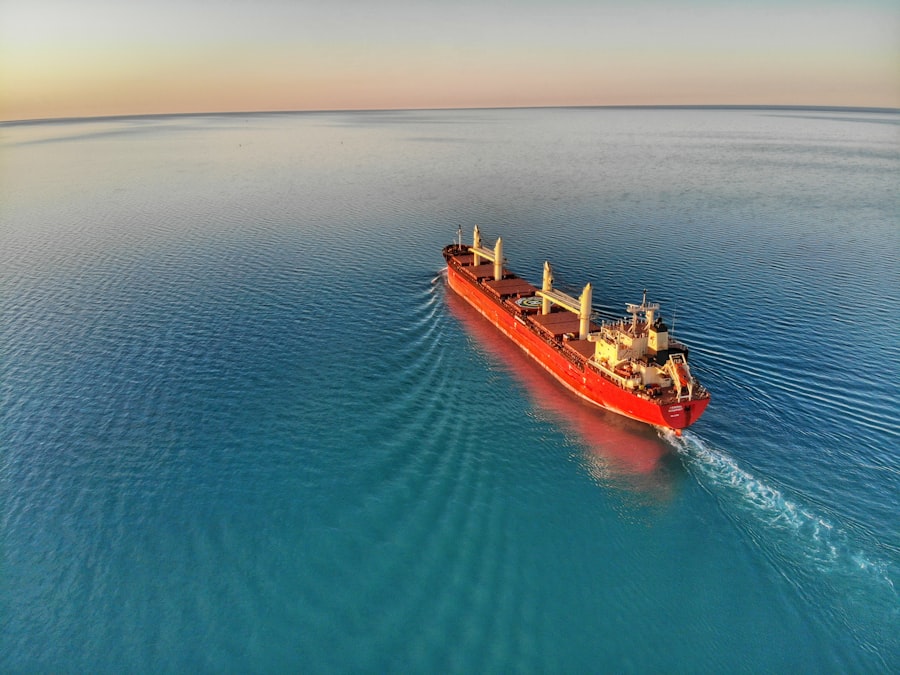
For a significant portion of retired vessels, the ultimate destination is a shipbreaking yard. This is where ships are systematically dismantled for the recovery of scrap metal and other reusable materials. While essential for recycling, shipbreaking is an industry that faces significant scrutiny due to safety and environmental concerns.
The Global Shipbreaking Landscape: Where Ships Meet Their End
Shipbreaking yards are concentrated in a few key regions around the world, primarily in Asia, due to lower labor costs and less stringent environmental regulations in some areas.
Major Shipbreaking Hubs and Their Significance
Countries like India, Pakistan, Bangladesh, and Turkey are major players in the global shipbreaking industry. These regions have the infrastructure and workforce to handle the dismantling of large vessels. However, the concentration of these yards in specific locations also means that environmental and safety challenges are often amplified in these areas. The economic benefits of shipbreaking are significant, providing employment and a source of recycled steel, but these must be weighed against the human and environmental costs.
Economic and Environmental Considerations of Shipbreaking
The economic rationale for shipbreaking lies in the recovery of valuable scrap metal, primarily steel, which can be recycled into new products. However, the process can be environmentally hazardous. Historically, inadequate safety measures and the improper disposal of hazardous materials at many breaking yards have led to significant pollution and harm to workers and local communities. There is a growing global movement towards “green shipbreaking,” advocating for responsible practices that minimize environmental impact and prioritize worker safety.
The Dismantling Process: From Hull to Scrap
Shipbreaking is a labor-intensive process that involves carefully cutting apart the vessel piece by piece.
Beaching and Cutting Techniques
Traditionally, many shipbreaking operations involved beaching the vessel on a tidal shore, allowing workers to access and cut it apart using torches. Modern practices often involve dry-docking or specialized facilities to facilitate a more controlled dismantling process. The cutting is typically done manually by skilled workers using oxy-acetylene torches.
Material Recovery and Segregation
As the ship is dismantled, different materials are meticulously segregated. Steel, copper, aluminum, and other metals are collected and sent for recycling. Other components, such as engines, generators, and navigation equipment, may be salvaged for reuse or resale if they are still functional. The efficient segregation and recovery of materials are key to the economic viability of shipbreaking.
Handling of Hazardous Waste and Byproducts
The safe and responsible handling of hazardous waste generated during dismantling is paramount. This includes oily residues, paint chips containing heavy metals, and other potentially harmful substances. Proper containment, treatment, and disposal protocols are essential to prevent environmental contamination and protect worker health.
Repurposing and Scrapping: Alternatives to Breaking
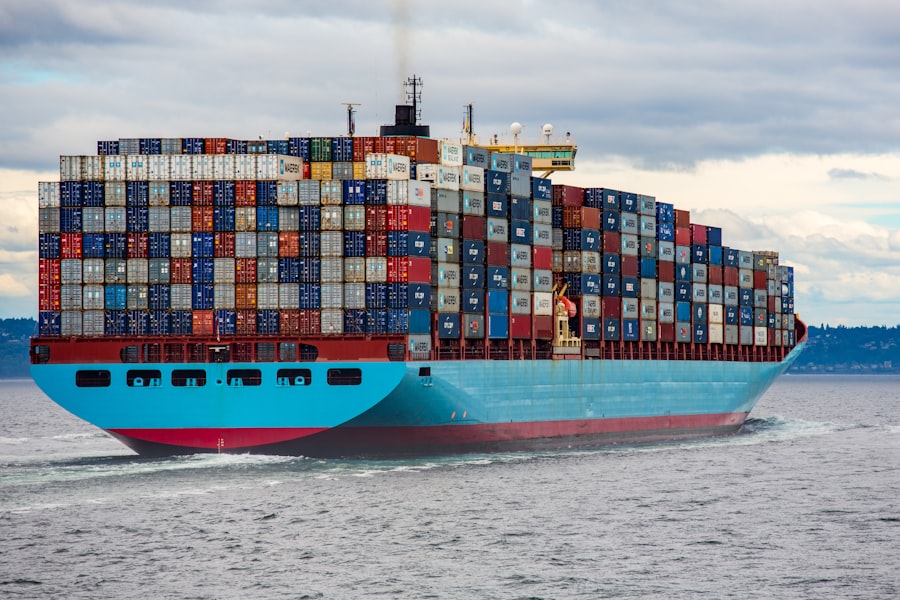
While shipbreaking is a common fate, some vessels find alternative paths at the end of their operational lives, either through repurposing or controlled scrapping in specialized facilities.
Life Extension and Repurposing: Giving Ships a Second Life
Not all ships are destined for the scrapyard. Some can be repurposed for new roles, extending their useful lifespan in different capacities.
Conversion to Floating Structures
Older vessels can be converted into a variety of floating structures, such as floating hotels, restaurants, museums, or even artificial reefs. These conversions often involve significant modifications to the vessel’s interior and exterior to adapt it to its new function. The structural integrity of the hull is a key consideration for such conversions.
Use as Barges, Storage Facilities, or Breakwaters
Some ships, particularly those with robust hulls, can be converted into non-propelled barges, used for transport or as floating storage units. Others might be utilized as artificial breakwaters to protect coastlines or harbors. These applications leverage the inherent buoyancy and structural strength of the vessel.
Artificial Reefs: Creating New Marine Ecosystems
A growing trend is the intentional sinking of decommissioned vessels to create artificial reefs. These wrecks provide habitats for marine life, promoting biodiversity and supporting recreational diving industries. The preparation of vessels for sinking as reefs is crucial to ensure they do not pose an environmental hazard.
Controlled Scrapping and Decommissioning Facilities
Increasingly, the industry is moving towards more controlled and environmentally sound scrapping practices, often utilizing specialized facilities.
Purpose-Built Dismantling Facilities
Some facilities are designed specifically for the controlled dismantling of ships, employing advanced technology and strict safety and environmental protocols. These facilities aim to minimize emissions, prevent pollution, and ensure the well-being of workers. They often use methods like cutting on dry land or in contained areas to manage waste effectively.
End-of-Life Management by Classification Societies
Classification societies, which oversee the construction and maintenance of ships, are also playing a more active role in guiding responsible end-of-life management. They provide frameworks and certifications for “green” scrapping and decommissioning, encouraging shipowners to choose environmentally conscious options.
The shipping industry faces significant challenges when it comes to retiring ships, as the process involves not only environmental considerations but also economic factors. Many companies are now looking for sustainable methods to dismantle vessels, ensuring that materials are recycled responsibly. For a deeper understanding of the complexities involved in this process, you can read a related article that explores various strategies and practices within the industry. This insightful piece can be found here.
The Future of Ship Retirement: Sustainability and Responsibility
| Year | Number of Ships Retired | Average Age of Retired Ships |
|---|---|---|
| 2015 | 732 | 28 years |
| 2016 | 810 | 29 years |
| 2017 | 875 | 30 years |
| 2018 | 920 | 31 years |
The shipping industry is under increasing pressure to adopt more sustainable and responsible practices throughout a vessel’s lifecycle, including its retirement. This involves a shift towards greener dismantling methods and a greater emphasis on circular economy principles.
Embracing Green Shipbreaking and Circular Economy Principles
The concept of “green shipbreaking” is gaining traction, advocating for practices that minimize environmental impact and prioritize worker safety. This aligns with broader circular economy principles, where materials are reused and recycled to their maximum potential, reducing waste and the need for virgin resources.
Innovations in Dismantling Technologies
Research and development are ongoing to create more efficient and environmentally friendly shipbreaking technologies. This includes advancements in robotic cutting, waste management systems, and the development of safer methods for handling hazardous materials. The aim is to reduce the manual labor involved and the associated risks.
Extended Producer Responsibility and Lifecycle Management
The concept of Extended Producer Responsibility (EPR) is being explored in the shipping industry. This would hold shipowners accountable for the entire lifecycle of their vessels, including their safe and environmentally sound disposal at the end of their operational lives. This encourages proactive planning for retirement and investment in sustainable solutions.
The Role of Technology and Regulation in Driving Change
Technological advancements and evolving regulations are powerful drivers for change in how ships are retired.
Digitalization and Traceability in the Supply Chain
Digitalization and improved traceability systems are enabling better management of the shipbreaking supply chain. This allows for greater transparency regarding the origin of scrap materials and the practices employed at dismantling facilities, helping to identify and promote responsible operators.
International Agreements and Standards for Responsible Retirement
International agreements and the continuous refinement of regulations by bodies like the IMO are crucial in setting global standards for ship retirement. These initiatives aim to ensure that all vessels are decommissioned in a safe, environmentally sound, and socially responsible manner, regardless of where they are dismantled. The development of the Hong Kong Convention for the Safe and Environmentally Sound Recycling of Ships is a significant step in this direction, aiming to establish a global framework for responsible ship recycling.
The retirement of a ship is a complex and often lengthy process, integral to the functioning and evolution of the global shipping industry. It is a testament to the industry’s commitment to safety, economic efficiency, and increasingly, environmental stewardship. From the initial assessment of a vessel’s condition to its final dismantling or repurposing, each stage is carefully managed to navigate the challenges and responsibilities associated with bringing a seafaring life to a close. As the industry continues to innovate and embrace sustainability, the methods of ship retirement will undoubtedly evolve, ensuring a more responsible and environmentally conscious future for these magnificent machines of global commerce.

The Beaches Global Trade Can’t Afford to Lose
FAQs
What is the process for retiring ships in the shipping industry?
The process for retiring ships in the shipping industry typically involves a series of steps, including assessing the ship’s condition, obtaining necessary approvals and permits, removing hazardous materials, and ultimately dismantling the ship for recycling or disposal.
What are the environmental considerations when retiring ships?
Retiring ships can have significant environmental implications, as they often contain hazardous materials such as asbestos, lead, and other toxic substances. Proper disposal and recycling of these materials are essential to minimize environmental impact.
How are retired ships recycled in the shipping industry?
Retired ships are often recycled through a process known as ship breaking, which involves dismantling the ship and salvaging reusable materials such as steel, copper, and other metals. This process is typically carried out in specialized shipbreaking yards.
What regulations govern the retirement of ships in the shipping industry?
The retirement of ships in the shipping industry is subject to various international regulations and conventions, including the Hong Kong International Convention for the Safe and Environmentally Sound Recycling of Ships. Additionally, individual countries may have their own regulations governing ship retirement.
What are the economic implications of retiring ships in the shipping industry?
The retirement of ships in the shipping industry can have significant economic implications, as it involves the disposal of a valuable asset. However, it also presents opportunities for recycling and reusing materials, as well as potential cost savings in terms of maintenance and operation.