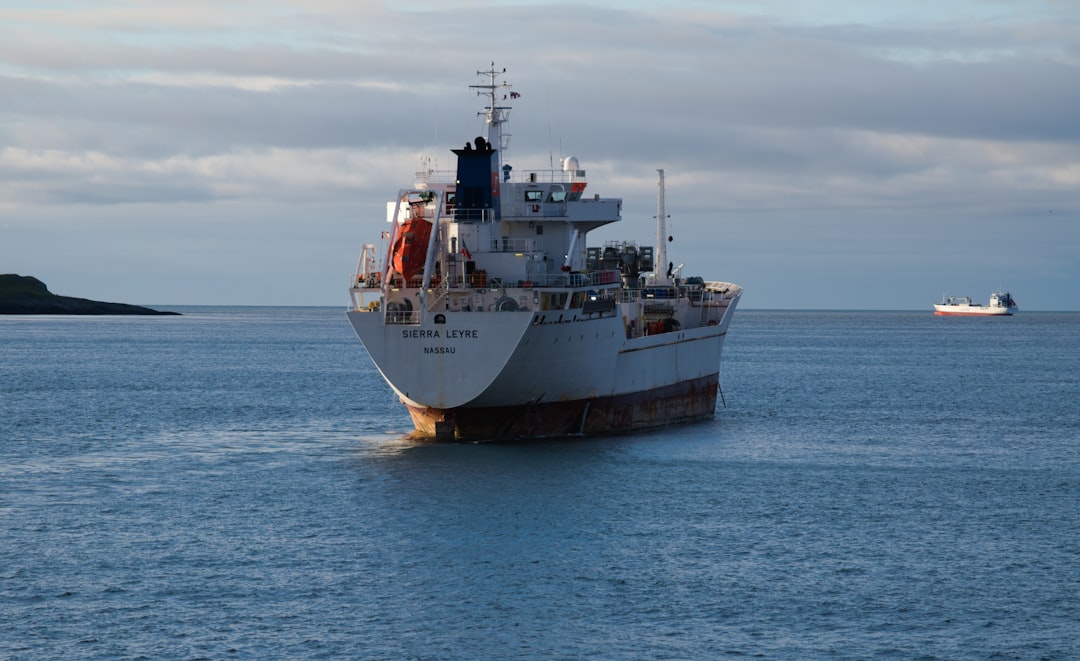
The colossal silhouettes of retired cargo ships, once bustling arteries of global commerce, are increasingly being eyed for a second life. Beyond their traditional role as carriers of goods, these leviathans of the sea are undergoing a remarkable metamorphosis, being repurposed for a diverse array of new industries. This transformation is not merely a nostalgic nod to maritime heritage; it represents a pragmatic and innovative approach to sustainable development, resource utilization, and economic diversification. As the world grapples with aging infrastructure, environmental concerns, and the need for novel solutions, the repurposed cargo ship emerges as a symbol of ingenuity, offering a robust and readily available platform for a multitude of applications.
The decision to repurpose a retired cargo ship is driven by a confluence of compelling factors. The sheer scale and inherent resilience of these vessels make them ideal candidates for substantial modifications. Built to withstand the harsh realities of transoceanic voyages, their robust steel hulls and expansive internal spaces offer a blank canvas for extensive engineering and architectural redesign. Furthermore, the global shipping industry is experiencing a period of rapid technological advancement and fleet renewal. This leads to a surplus of older, yet still structurally sound, vessels that are retired not due to obsolescence of their core infrastructure, but rather due to evolving efficiency standards, fuel regulations, or capacity demands. Rather than resorting to the energy-intensive process of dismantling these ships for scrap metal, repurposing offers a more sustainable and economically viable alternative.
Economic Imperatives
The economic advantages of repurposing are manifold. Acquiring a retired cargo ship is significantly less expensive than constructing a new purpose-built facility. The foundational structure, the hull, is already in place, providing a substantial cost saving. Moreover, the existing infrastructure, such as watertight compartments and access points, can often be adapted to new uses, further reducing conversion costs. This makes repurposing an attractive option for emerging industries or for businesses looking to expand their operations without the prohibitive initial investment of new construction. The creation of new jobs during the conversion process, as well as in the ongoing operation of the repurposed vessel, also contributes to local and regional economic growth.
Environmental Stewardship
The environmental benefits of repurposing are equally significant. Decommissioning a large cargo ship involves a complex and often environmentally damaging process of dismantling. The energy required for scrap processing and the potential for hazardous materials to be released into the environment are considerable. By extending the lifespan of these vessels, repurposing diverts them from the scrap heap, thereby conserving the resources and energy that would have been used in their deconstruction and the subsequent production of new materials. This aligns with the growing global emphasis on circular economy principles, where materials are kept in use for as long as possible, extracting maximum value from them before disposal.
Technological Advancements and Innovation
The repurposing of cargo ships is not simply about adaptation; it is a catalyst for technological innovation. The unique challenges presented by these floating platforms often necessitate the development of novel engineering solutions. This can lead to breakthroughs in areas such as modular construction, specialized marine engineering, and advanced environmental control systems. The flexibility inherent in a ship’s design allows for the integration of cutting-edge technologies that might be more difficult or expensive to implement in land-based structures.
Retired cargo ships often face a challenging fate, as many are decommissioned and left to rust in ship graveyards, while others are repurposed for various uses, including artificial reefs or even luxury hotels. For a deeper understanding of the lifecycle of these vessels and the environmental implications of their disposal, you can read a related article on this topic at My Geo Quest.
From Cargo Hold to Cultivation: Agricultural Applications
One of the most promising avenues for repurposed cargo ships lies in the realm of agriculture, particularly in the development of vertical farms and aquaculture operations. As arable land becomes increasingly scarce and urban populations grow, innovative food production methods are urgently needed. Retired cargo ships offer a controlled, contained environment that is ideal for these purposes, mitigating many of the challenges associated with traditional farming.
Vertical Farming on a Grand Scale
The vast, multi-decked interior of a cargo ship can be ingeniously transformed into a multi-tiered vertical farm. These facilities can employ hydroponic or aeroponic systems, where plants are grown without soil, using nutrient-rich water solutions. The ship’s hull provides an excellent barrier against pests and diseases, and its controlled environment allows for precise regulation of light, temperature, humidity, and CO2 levels, optimizing plant growth and yield.
Hydroponic and Aeroponic Systems
Hydroponics involves growing plants in a water-based nutrient solution, while aeroponics uses mist to deliver nutrients to the roots. Both systems are highly water-efficient, using a fraction of the water required by traditional agriculture. Repurposed ships can house extensive hydroponic or aeroponic setups, producing a wide variety of fruits, vegetables, and herbs year-round, regardless of external climate conditions.
Climate Control and Automation
The enclosed nature of a cargo ship allows for sophisticated climate control systems to be implemented. Heating, cooling, ventilation, and lighting can be precisely managed to create ideal growing conditions. Furthermore, automation plays a crucial role in modern vertical farms, with robotic systems for planting, harvesting, and nutrient delivery. A repurposed ship provides an ideal platform for integrating such advanced automation, increasing efficiency and reducing labor costs.
Sustainable Aquaculture Initiatives
The maritime heritage of these vessels makes them a natural fit for aquaculture. Retired cargo ships can be converted into floating fish farms, providing a controlled environment for raising various species of fish, shellfish, and crustaceans. This offers a sustainable alternative to traditional open-net fish farms, which can have negative impacts on wild fish populations and marine ecosystems.
Recirculating Aquaculture Systems (RAS)
The most common approach for ship-based aquaculture is the implementation of Recirculating Aquaculture Systems (RAS). In RAS, water is continuously filtered, treated, and recirculated, minimizing water usage and waste discharge. This creates a highly controlled environment that promotes fish health and growth while significantly reducing the environmental footprint.
Diversification of Marine Protein Sources
Repurposed ships can facilitate the farming of a wider range of marine species, contributing to the diversification of global protein sources. This can help alleviate pressure on wild fish stocks and provide a more stable and predictable supply of seafood. The ability to locate these farms closer to urban centers can also reduce transportation costs and associated carbon emissions.
Floating Powerhouses: Energy Generation and Storage

The immense structural integrity and stable platform offered by retired cargo ships make them ideal candidates for hosting a variety of energy generation and storage solutions. Their ability to be positioned in remote or offshore locations further enhances their utility in this sector.
Offshore Wind Energy Support Vessels
As offshore wind farms become increasingly prevalent, the need for specialized support vessels is growing. Retired cargo ships can be converted into floating substations, accommodation platforms, or workshops for wind turbine maintenance crews. Their large deck space can accommodate equipment and personnel, and their stable hull provides a secure base for complex operations.
Floating Substations
Floating substations are crucial for transmitting the electricity generated by offshore wind turbines to the shore. A repurposed cargo ship can be fitted with transformers and switchgear to collect power from multiple turbines, stepping up the voltage for efficient transmission. Their mobility also allows them to be repositioned as wind farm configurations change.
Accommodation and Maintenance Hubs
For large offshore wind farms, providing accommodation and logistical support for hundreds of technicians is essential. A converted cargo ship can serve as a floating hotel and workshop, offering living quarters, recreational facilities, and repair bays for maintenance crews, significantly improving operational efficiency and reducing downtime.
Wave and Tidal Energy Converters
The ocean’s inherent energy potential from waves and tides is vast. Retired cargo ships can be adapted to host and deploy wave and tidal energy converters. The ship’s hull can act as a stable base for the energy conversion devices, and its internal space can house the associated power electronics and control systems.
Deployment and Maintenance Platforms
Deploying and maintaining offshore energy converters can be a challenging logistical undertaking. A repurposed cargo ship can serve as a mobile deployment platform, carrying the energy converters to their operational sites and providing a stable working environment for their installation and subsequent maintenance.
Mobile Energy Storage Solutions
The intermittent nature of renewable energy sources like solar and wind necessitates efficient energy storage solutions. Retired cargo ships can be transformed into mobile energy storage facilities, equipped with large-scale battery banks or other energy storage technologies. This allows for the storage of excess renewable energy and its subsequent release when demand is high or when renewable generation is low.
Grid Stabilization and Load Balancing
These floating energy storage units can play a critical role in grid stabilization and load balancing, particularly in islanded or remote communities. They can absorb surplus energy during peak generation and discharge it during peak demand, ensuring a consistent and reliable power supply.
Versatile Vessels: Research, Education, and Disaster Relief

Beyond industrial applications, retired cargo ships offer unique opportunities for scientific research, educational initiatives, and vital humanitarian efforts. Their self-sufficiency and mobility make them invaluable assets in diverse scenarios.
Floating Research Laboratories and Expeditions
The vast ocean is a frontier for scientific discovery. Retired cargo ships can be converted into mobile research laboratories, equipped with advanced scientific instruments for oceanographic studies, marine biology research, and climate monitoring. Their ability to travel to remote oceanic locations opens up new possibilities for exploration and data collection.
Marine Biology and Oceanographic Surveys
These floating labs can house state-of-the-art equipment for collecting water samples, studying marine life, and mapping ocean floor topography. Researchers can conduct long-term expeditions, gaining invaluable insights into the health of our oceans and the impact of climate change.
Climate Change Monitoring Stations
Repurposed ships can serve as mobile monitoring stations for tracking key climate indicators such as sea surface temperature, ocean acidity, and atmospheric CO2 levels. Their mobility allows for comprehensive data collection across vast oceanic regions, contributing to a better understanding of global climate patterns.
Mobile Educational Centers and Training Facilities
The concept of a floating university or a maritime training center housed on a repurposed cargo ship offers a unique and immersive educational experience. These vessels can travel to different coastal communities, providing access to specialized education and training programs.
Maritime Skills Development
Retired ships can be equipped with simulators and workshops for training aspiring sailors, engineers, and maritime professionals. This provides hands-on experience in a realistic setting, preparing individuals for careers in the maritime industry.
Environmental Education and Outreach
These floating centers can also serve as platforms for environmental education and public outreach. They can host interactive exhibits, workshops, and lectures on marine conservation, oceanography, and sustainable practices, raising public awareness and fostering a sense of stewardship for the marine environment.
Disaster Relief and Humanitarian Aid Platforms
In times of natural disasters or humanitarian crises, retired cargo ships can be rapidly converted into vital relief platforms. Their large capacity and robust structure make them ideal for transporting supplies, housing displaced populations, and providing essential services in affected areas.
Mobile Medical Facilities
A repurposed ship can be outfitted with hospital beds, operating rooms, and medical equipment to serve as a floating hospital. This is particularly crucial in areas where land-based infrastructure has been destroyed or is inaccessible.
Logistics and Shelter Hubs
These vessels can act as mobile logistics hubs, coordinating the distribution of food, water, and other essential supplies. They can also provide temporary shelter for those who have lost their homes, offering a safe and secure refuge.
As the global shipping industry evolves, many retired cargo ships face uncertain futures, often being repurposed or dismantled in various locations around the world. A fascinating exploration of this topic can be found in a related article that discusses the environmental implications and economic opportunities associated with decommissioned vessels. For more insights, you can read the article here. The fate of these ships not only reflects changes in maritime trade but also highlights the challenges of sustainable practices in ship disposal.
Repurposing as a Foundation: Industrial and Manufacturing Hubs
| Outcome | Description |
|---|---|
| Scrapped | Many retired cargo ships are scrapped for metal and parts. |
| Reused | Some retired cargo ships are refurbished and reused for other purposes. |
| Sunken | Some retired cargo ships are intentionally sunk to create artificial reefs. |
| Preserved | A few retired cargo ships are preserved as museum ships for historical and educational purposes. |
The sheer volume and structural integrity of retired cargo ships make them suitable for conversion into specialized industrial and manufacturing hubs, particularly in sectors that benefit from a controlled, offshore, or modular environment.
Floating Factories and Assembly Plants
The expansive cargo holds and deck space of a ship can be transformed into modular factories or assembly plants. This is particularly advantageous for industries that require specialized or hazardous processes, as the offshore location can mitigate environmental risks and safety concerns associated with land-based facilities.
Modular Manufacturing
The inherent modularity of a ship’s design can be leveraged for creating flexible manufacturing spaces. Different sections of the ship can be adapted for various stages of production, allowing for efficient workflow and potential for future expansion or reconfiguration.
Specialized Processing Facilities
Certain industrial processes, such as the processing of raw materials or the manufacturing of components that may have environmental implications, can be more safely and efficiently conducted on a floating platform. This can include facilities for mineral processing, waste recycling, or the manufacturing of sensitive electronic components.
Offshore Data Centers and Communication Hubs
In an increasingly digital world, the demand for secure and resilient data storage and communication infrastructure is soaring. Retired cargo ships can be converted into floating data centers, offering a unique combination of security, redundancy, and mobility.
Enhanced Security and Redundancy
The isolation of an offshore data center on a repurposed ship provides a natural layer of security. Furthermore, the ship’s inherent structural integrity and access to maritime resources can be leveraged for robust power and cooling systems, ensuring high levels of redundancy and uptime.
Global Connectivity and Disaster Recovery
These floating data centers can be strategically positioned to provide enhanced global connectivity or to serve as vital disaster recovery sites. Their mobility allows for deployment to areas where terrestrial infrastructure is vulnerable or has been compromised.
Shipbreaking Alternatives and Sustainable Deconstruction
Ironically, some retired cargo ships can be repurposed to facilitate the sustainable deconstruction of other vessels. Instead of traditional shipbreaking yards, a repurposed ship can become a mobile platform for dismantling older vessels in a more controlled and environmentally conscious manner.
Controlled Dismantling Environments
A converted ship can be equipped with specialized tools and containment systems to ensure that hazardous materials are safely removed and managed during the dismantling process. This reduces the risk of pollution and allows for more efficient recovery of valuable materials.
On-Demand Deconstruction Services
The mobility of such a platform would allow for on-demand deconstruction services, reducing the need for ships to travel long distances to specialized yards, thereby saving fuel and reducing emissions.
The repurposing of retired cargo ships is more than just an innovative trend; it is a fundamental shift in how we view and utilize existing infrastructure. By recognizing the inherent value and versatility of these maritime behemoths, we can unlock new economic opportunities, drive technological advancement, and contribute to a more sustainable future. As the global appetite for creative solutions grows, the majestic silhouette of a repurposed cargo ship will undoubtedly become an increasingly common and welcome sight, a testament to human ingenuity and our ability to transform the old into the new, the obsolete into the indispensable.

The Beaches Global Trade Can’t Afford to Lose
FAQs
What happens to retired cargo ships?
Retired cargo ships can be repurposed, scrapped, or sunk to create artificial reefs.
Can retired cargo ships be repurposed?
Yes, retired cargo ships can be repurposed for various uses such as storage facilities, museums, or even as floating hotels.
What is the process of scrapping retired cargo ships?
The process of scrapping retired cargo ships involves dismantling the ship and recycling its materials, such as steel and other metals, for reuse.
Why are retired cargo ships sunk to create artificial reefs?
Retired cargo ships are sometimes sunk to create artificial reefs as they provide habitats for marine life and promote biodiversity in the ocean.
What environmental considerations are involved in retiring cargo ships?
Environmental considerations in retiring cargo ships include proper disposal of hazardous materials, minimizing pollution during scrapping, and ensuring compliance with international regulations for ship recycling.